


Direct sales cuts out the middleman, letting you sell straight to customers and control the entire relationship. Instead of relying on distributors or wholesalers, sales happen through personal connections in offices, homes, events, or digital platforms, giving you complete control over pricing, messaging, customer data, and the buying experience.
This guide covers the 5 main direct sales models, why companies choose this approach, and how to build operations that scale. You’ll discover real examples from beauty products to enterprise software, plus the platforms and processes that help teams manage relationships, track performance, and grow without losing that personal touch.
Key takeaways
- Single-level works for straightforward products, while party plans leverage social dynamics and B2B models handle complex enterprise sales.
- Build ongoing customer connections through regular follow-up, personalized recommendations, and responsive support to drive repeat sales and referrals.
- Qualify prospects carefully, demonstrate value effectively, build genuine relationships, close with confidence, and provide ongoing support for sustainable success.
- Use integrated technology to manage distributed teams, track performance accurately, and calculate commissions without manual errors or disputes.
- Track every interaction, manage distributed teams effectively, and ensure every opportunity is captured and advanced with unified pipeline visibility using monday CRM.
What is direct sales?
Direct sales is a business model where companies sell products or services directly to consumers without traditional retail intermediaries. No stores, distributors, or wholesalers between you and your customer. Sales happen through personal relationships in non-retail environments like homes, offices, events, or digital platforms.
Think about it this way:
- A software rep walks a potential client through a customized demo tailored to their workflow.
- A beauty consultant hosts a virtual party where friends try products together.
- A financial advisor meets one-on-one with clients to discuss retirement planning.
Direct sales is about more than where transactions happen. The model depends on personal relationships, product expertise, and ongoing customer engagement rather than foot traffic and shelf placement.
Companies own the entire customer journey, from first contact through post-sale support, giving them control over pricing, messaging, and customer data that channel-based models can’t match.
Direct sales definition and key components
How direct sales works shapes everything: compensation, customer experience, the whole operation. If you’re considering this model, you need to know what makes direct sales different from other sales approaches.
Here’s what sets direct sales apart:
- Personal selling relationship: Every transaction involves direct interaction between seller and buyer, creating responsive conversations that adapt to customer needs in real-time.
- Non-retail environment: Sales happen outside traditional stores, whether in corporate boardrooms, coffee shops, video calls, or social media platforms.
- Independent representatives: Salespeople often work as independent contractors, controlling their schedules, territories, and business-building approaches.
- Product demonstration focus: Success depends on showing products in action, walking prospects through actual workflows rather than just describing features.
- Relationship-driven revenue: Long-term success comes from building trust and maintaining ongoing customer connections, not one-time transactions.

Direct sales vs. retail and channel models
Knowing how direct sales compares to other models helps you choose the right approach for your product, margins, and customer experience. The biggest differences come down to control, relationships, and how you go to market.
| Dimension | Direct sales | Traditional retail | Channel sales |
|---|---|---|---|
| Sales location | Customer environment (home, office, online) | Fixed retail location | Partner-controlled environments |
| Customer interaction | One-on-one or small group, highly personalized | Self-service or brief transactional assistance | Varies by partner |
| Customer experience control | Full control over messaging and interactions | Limited, store-driven experience | Limited, mediated through partners |
| Pricing structure | Controlled pricing with built-in rep commissions | Promotions, discounts, and markdowns | Margins shared with partners |
| Inventory management | Minimal inventory held by reps | Significant inventory investment | Managed by distributors/partners |
| Relationship continuity | Ongoing relationship with same representative | Transactional, different staff each visit | Often owned or shared with partner |
| Customer data access | Full visibility into behavior and preferences | Limited | Partial or filtered access |
| Speed to market | Slower initial setup, faster iteration | Moderate | Faster expansion via partner networks |
Businesses also choose direct sales when customer experience and data ownership are critical. With tools like monday CRM, teams can track every interaction, maintain full pipeline visibility, and manage relationships without relying on third-party intermediaries.
5 types of direct sales models
Direct sales includes multiple models for different products, markets, and goals. Understanding how they compare helps you choose the right approach and evaluate opportunities that fit your strengths.
| Model | How it works | Best for | Key benefit | Main challenge |
|---|---|---|---|---|
| Single-level | Sell directly; no team or recruitment | Relationship-driven sales | Simple, transparent earnings | Income tied to personal capacity |
| Party plan | Group events and product demos | Social, experiential products | High conversion in group settings | Requires consistent event hosting |
| B2B direct sales | Sell directly to businesses | Complex, high-value solutions | Larger deal sizes | Longer, more complex sales cycles |
| Online direct sales | Sell via digital channels | Scalable, content-driven selling | Reach and automation | High competition and noise |
| Hybrid | Mix of channels and approaches | Flexible, multi-touch sales | Meet buyers anywhere | Requires coordination across channels |
1. Single-level direct sales
Single-level is the simplest model. Representatives earn commissions only on what they personally sell — no recruitment or team-building.
Reps work independently, focusing entirely on finding customers and closing deals. This model works best when product knowledge and relationships drive buying decisions, such as in insurance, real estate, or high-touch consulting.
Benefits:
- Simplicity: Compensation is clear and directly tied to your sales.
- Control: You manage your own pipeline and performance.
- Focus: No time spent on recruiting or managing others.
Challenges:
- Limited scalability: Income depends on your time and capacity.
- No leverage: You don’t earn from team performance.
- High personal effort: Every sale relies on your direct involvement.
2. Party plan sales
Party plan sales relies on social selling. Representatives host events where groups experience products together, often in a relaxed, informal setting. This model works because group dynamics drive purchasing behavior, and seeing others engage with a product builds trust and creates momentum for same-day purchases.
Benefits:
- High engagement: Live demos increase interest and trust.
- Group momentum: Social proof drives faster decisions.
- Efficient selling: One event can generate multiple sales.
Challenges:
- Event dependency: Sales rely on consistent bookings.
- Scheduling friction: Coordinating hosts and attendees takes effort.
- Limited scalability: Growth depends on how many events you can run.
Common categories include home goods, beauty products, children’s items, and home décor. With tools like monday CRM, reps can track hosts, manage bookings, and follow up with attendees after events.
3. B2B direct sales
B2B direct sales involves selling directly to other businesses, often without intermediaries. These deals are typically larger and more complex, with multiple stakeholders involved.
Buyers evaluate ROI, implementation, and long-term value — not just product features — making the process more structured and deliberate.
Benefits:
- Higher deal value: Larger contracts mean greater revenue potential.
- Long-term relationships: Repeat business and expansions are common.
- Strategic selling: Focus on solving meaningful business problems.
Challenges:
- Longer sales cycles: Deals take time to close.
- Complex decision-making: Multiple stakeholders must align.
- Higher expectations: Buyers require proof, customization, and support.
Typical processes include prospecting, discovery, demos, negotiation, and post-sale onboarding.
4. Online direct sales
Online direct sales happens primarily through digital channels like social media, email, websites, and virtual meetings.
This model removes geographic limits and allows reps to scale through content and automation rather than in-person interactions.
Benefits:
- Scalability: Reach large audiences without physical constraints.
- Efficiency: Automation handles repetitive tasks.
- Content leverage: One asset can generate ongoing leads.
Challenges:
- High competition: Standing out online is difficult.
- Trust barrier: Building credibility without in-person interaction takes time.
- Consistency demands: Requires ongoing content and engagement.
Key activities include content creation, social engagement, virtual consultations, and community building.
5. Hybrid direct sales models
Hybrid models combine multiple approaches — online and offline, individual and group, B2C and B2B — based on what works best for the customer and product.
This flexibility allows reps to meet buyers where they are, whether that’s in person, online, or somewhere in between.
Benefits:
- Flexibility: Adapt to different buyer preferences and contexts.
- Broader reach: Combine the strengths of multiple channels.
- Stronger buyer experience: Offer multiple ways to engage.
Challenges:
- Operational complexity: Managing multiple channels requires coordination.
- Tool dependency: Requires systems to track all interactions.
- Consistency risk: Messaging and follow-up can fragment across channels.
Direct sales vs. MLM and network marketing
In multilevel marketing (MLM) and network marketing, reps earn from personal sales and from recruiting others. Income flows up through multiple organizational levels. Pure direct sales focuses on selling products to end customers.
While some direct sales organizations offer team leadership bonuses, the primary income source remains personal sales rather than recruitment. Know these differences so you can make smart decisions about sales models and opportunities.
| Dimension | Direct sales | MLM/network marketing |
|---|---|---|
| Primary income source | Commissions from personal product sales | Mix of personal sales and downline commissions |
| Business focus | Customer acquisition and retention | Balance of customer sales and representative recruitment |
| Success metrics | Sales volume and customer satisfaction | Team size, downline performance, rank advancement |
| Sustainability model | Customer retention drives recurring revenue | Continuous recruitment required to maintain income |
Here’s why this matters. Regulators watch MLM structures closely because they can resemble illegal pyramid schemes. The business models work differently. Direct sales organizations sustain themselves through customer demand, while MLM structures require continuous recruitment to maintain income for existing representatives.
Compensation structure comparison
Look at how reps get paid. That tells you what kind of organization you’re dealing with. Direct sales compensation is straightforward, such as reps earning 20-40% commission on what they sell. Additional bonuses might reward hitting sales targets or maintaining customer retention.
MLM compensation involves multiple income streams:
- Personal sales commissions, often at lower rates than pure direct sales
- Downline commissions as a percentage of sales made by recruited team members
- Recruitment bonuses for signing new representatives
- Rank advancement bonuses tied to team size and collective performance
Red flags that suggest problematic structures:
- Compensation plans where recruitment income potential exceeds product sales income
- Heavy emphasis on “getting in early” to maximize position in the hierarchy
- Requirements to purchase large inventory quantities to qualify for bonuses
- Products priced significantly above comparable retail alternatives
Legal and compliance considerations
Regulators worldwide look at what companies actually do, not what they say they do. The FTC has clear guidelines that separate legitimate direct sales from illegal pyramid schemes.
Key legal requirements for legitimate direct sales include:
- Product-focused business model: Revenue comes primarily from sales to genuine end consumers.
- No inventory loading: Representatives aren’t pressured to purchase excessive inventory.
- Realistic income claims: Transparent disclosure of typical earnings.
- Reasonable return policies: Protection for representatives stuck with unsold inventory.
Pyramid schemes differ fundamentally. They’re illegal structures where money flows primarily from recruitment rather than product sales. Products may exist but serve mainly as cover for the recruitment-based income model. Ethical companies use transparent tracking to prove compliance and build trust with reps and regulators.
How direct sales works in 5 steps
Direct sales follows the same process no matter what you sell or how you sell it. Know this process and you can design better operations and develop systematic approaches. Each step builds on the last to create consistent, predictable results.
Step 1: Identify and qualify prospects

Finding customers who want to buy and can afford it — that’s the foundation. Without qualified prospects, great products and skills mean nothing.
Effective sales prospecting combines multiple approaches to build a consistent pipeline:
- Referrals from existing customers: Satisfied clients recommending friends and colleagues
- Social media engagement: Building relationships through valuable content and conversations
- Networking events: Meeting potential customers in professional and social settings
- Lead lists and databases: Targeted outreach to relevant prospects
- Inbound inquiries: Responding to people who express interest through websites or advertising
The BANT framework provides a useful qualification structure:
- Budget: Can they afford it?
- Authority: Can they make the decision?
- Need: Do they have a genuine problem to solve?
- Timeline: Are they ready to buy soon?
Qualification separates real prospects from time-wasters so you focus where it counts.
Step 2: Demonstrate products or services
Show prospects how your product works. Turn curiosity into desire. Good demos don’t just show features. They help prospects picture themselves using and succeeding with your product.
Demonstration approaches vary by context and product type:
- In-person demonstrations: Create sensory engagement where prospects can touch, taste, or experience products directly.
- Virtual presentations: Bring products to life through video and screen sharing for remote prospects.
- Trial periods or samples: Reduce purchase risk by letting prospects experience value before committing.
- Customized presentations: Address specific prospect pain points rather than generic benefits.
Reps who track prospect info and past conversations deliver demos that actually match what people need.
Step 3: Build customer relationships
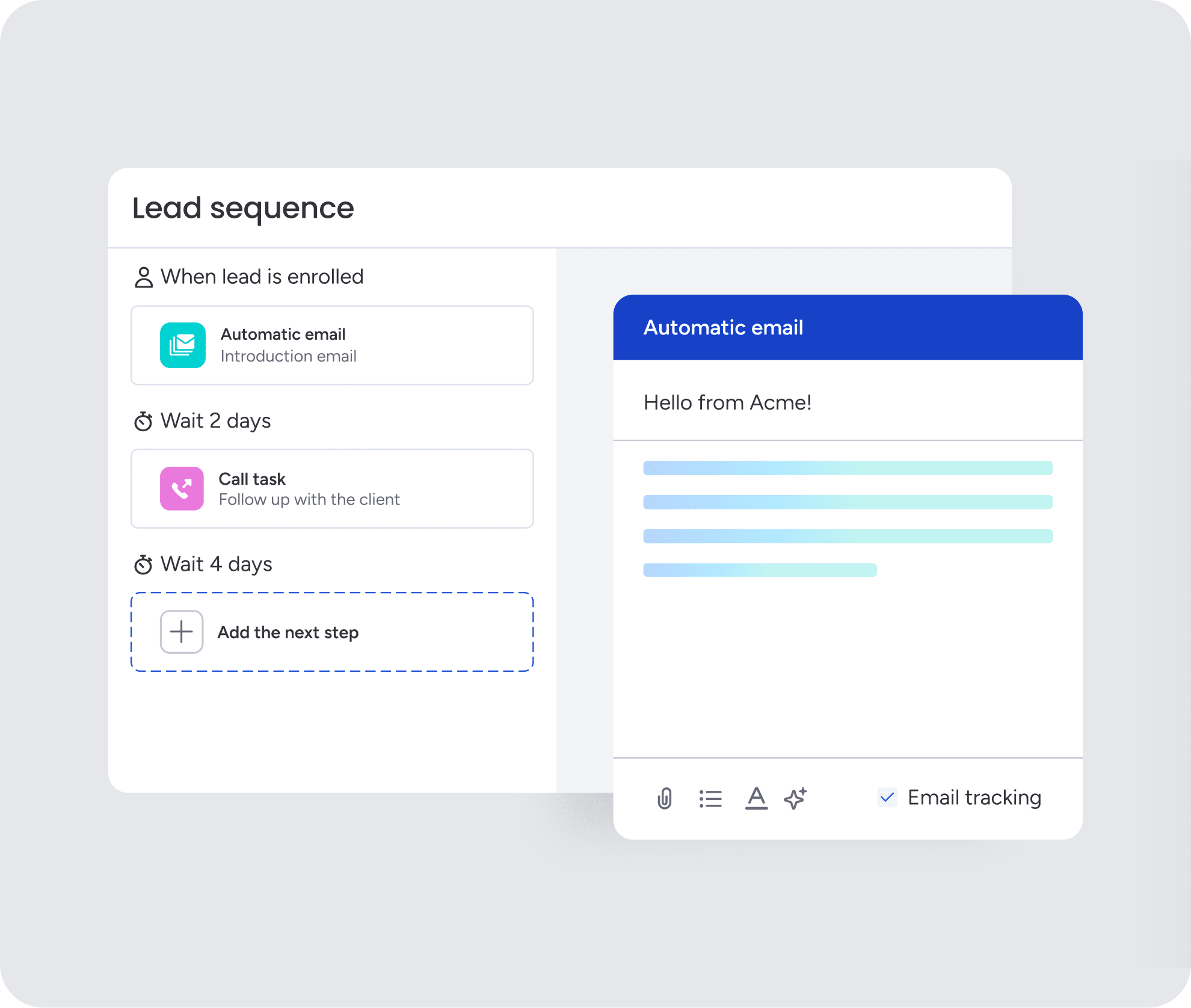
Direct sales is about relationships, not one-off deals. One sale? Nice. A customer who buys again, refers friends, and stays loyal for years? That’s the goal.
Relationship-building requires consistent, valuable engagement:
- Regular follow-up communication: Checking in without always selling
- Personalized recommendations: Suggesting products based on individual preferences and history
- Educational content sharing: Providing value beyond product promotion
- Responsive customer service: Addressing questions and concerns quickly
- Community building: Connecting customers with shared interests
Here’s why relationships matter:
- Repeat customers have dramatically higher lifetime value than one-time buyers
- Referrals from satisfied customers reduce acquisition costs
- Strong relationships create competitive differentiation that price-cutting competitors can’t easily overcome
Step 4: Close sales and process orders
Closing deals takes people skills and smooth operations. A great demo doesn’t matter if you can’t close and process orders smoothly.
Closing techniques appropriate for direct sales:
- Assumptive close: Proceeding as if the prospect has decided to purchase
- Alternative choice close: Offering options that assume purchase decision
- Trial close: Testing readiness with questions about preferences
- Direct ask: Simply requesting the order when buying signals are strong
Make buying easy:
- Multiple payment options accommodate different preferences
- Transparent pricing eliminates last-minute surprises
- Simple ordering processes reduce friction
- Automated workflows ensure proper follow-up actions and payment tracking happens consistently
Step 5: Provide ongoing support
The sale doesn’t end when someone buys. Support after the sale drives retention, referrals, and repeat business — the things that make direct sales work long-term. Staying engaged after the sale is how you turn one-time buyers into loyal, long-term customers.
Essential support activities include:
- Product onboarding: Ensure customers know how to use purchases effectively.
- Issue resolution: Handle problems or returns promptly.
- Usage check-ins: Ensure satisfaction and identify additional needs.
- Reorder reminders: Alert customers when consumable products need replenishment.
Systematic follow-up scheduling and customer satisfaction tracking ensures support activities happen consistently rather than relying on memory. Stay engaged and one-time buyers become long-term customers.
Direct sales examples across industries
Direct sales works across industries. Each one adapts the model to fit their products and customers. These examples show how flexible direct sales can be. Each industry uses relationships differently but keeps the same core principles.
Consumer products and beauty
Consumer products and beauty represent some of the most recognizable direct sales sectors. Companies like Avon, Mary Kay, and doTERRA have built billion-dollar businesses by empowering representatives to sell cosmetics, skincare, fragrances, and wellness products through personal relationships.
Most reps blend party plans, social media engagement, and one-on-one consultations to demonstrate products by applying makeup, explaining skincare routines, or diffusing essential oils while sharing personal testimonials about the results they’ve experienced.
Direct sales thrives in beauty because personal recommendations matter when choosing products that touch your skin or affect your health. These products require education on proper usage and application techniques that you can’t get from a shelf display. Customers value ongoing relationships with consultants who remember their preferences, skin concerns, and purchase history — creating loyalty that traditional retail struggles to match.
Technology and software
Tech and software sales deal with complex products that need serious customer education. B2B software companies use direct sales teams to guide prospects through evaluation, demonstrate value, and support implementation. The B2B direct sales approach unfolds systematically:
- Initial prospecting identifies companies with relevant needs.
- Discovery calls uncover specific challenges, workflows, and decision-making processes.
- Customized demonstrations show exactly how the solution addresses identified pain points.
- Implementation support ensures successful adoption.
Tech sales teams need platforms with pipeline visibility, automated follow-ups, and coordination across sales, implementation, and support.
Financial services
Financial services sales runs on trust, expertise, and personal advice. Representatives help clients navigate complex decisions about insurance, investments, and retirement planning.
It’s all about relationships. Reps dig deep to understand clients’ finances, goals, and risk tolerance. Personalized recommendations address specific circumstances rather than pushing one-size-fits-all products. Ongoing relationship management ensures advice evolves as client needs change.
To succeed in financial services, you need deep product knowledge, regulatory compliance, and strong relationship skills. The stakes are high when dealing with people’s financial futures.
Health and wellness
Health and wellness products work well with direct sales because of the education, support, and accountability reps provide. Supplements, weight management, and fitness products work when people use them right and stick with them.
Many reps start as customers who got results and want to share what worked. They provide education on product usage, lifestyle integration, and realistic expectations. The ongoing support and accountability help customers achieve results they might not accomplish alone.
7 key benefits of direct sales
Direct sales has real advantages for companies and reps. Here’s why companies pick direct sales over traditional distribution. Understanding these advantages helps organizations evaluate whether direct sales fits their overall sales strategy.
Core advantages that make direct sales attractive:
- Lower overhead costs: Eliminating retail space, reducing inventory requirements, and leveraging word-of-mouth marketing creates significant cost advantages.
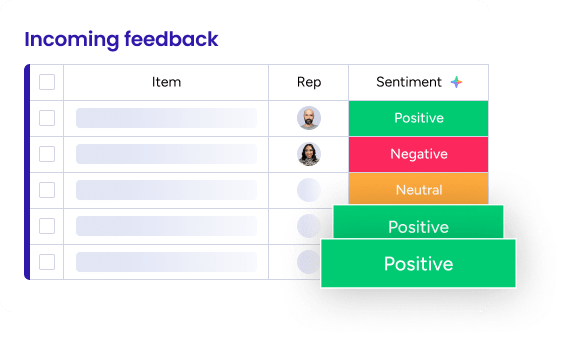
- Direct customer relationships: Unfiltered feedback, personalized service, and rapid issue resolution build competitive advantages impossible through retail channels.
- Flexible business model: The model scales from solo representatives to organizations with thousands of salespeople without restructuring.
- Higher profit margins: Eliminating intermediaries allows businesses to retain more revenue while offering attractive representative compensation.
- Rapid market feedback: Direct customer interactions provide immediate insights that inform product development and business decisions.
- Scalable growth potential: Each new representative brings their own networks, time, and energy without adding fixed costs.
- Personalized customer experience: Representatives suggest products based on individual needs and history, creating value beyond transactional retail.
Direct sales challenges and solutions
Direct sales offers flexibility and earning potential, but it also comes with operational complexity. The difference between teams that scale and teams that stall comes down to how quickly these challenges are identified and solved.
Managing distributed teams
Challenge: Reps work independently across locations, making communication, training, and engagement inconsistent.
Solution: Centralize communication and standardize processes. Use shared dashboards, mobile access, and regular virtual check-ins to keep everyone aligned.
Tracking performance and commissions
Challenge: Manual tracking leads to errors, disputes, and limited visibility into performance.
Solution: Automate activity tracking and commission calculations. Give reps real-time visibility into their earnings and give managers clear performance data.
Maintaining consistent customer experience
Challenge: Independent reps may deliver inconsistent messaging, pricing, or service quality.
Solution: Create standardized sales materials, scripts, and workflows. Reinforce them through training and shared systems.
Scaling beyond personal networks
Challenge: Many reps hit a ceiling when they exhaust their immediate network.
Solution: Introduce structured prospecting strategies — digital channels, referrals, and partnerships — to expand reach beyond personal contacts.
Managing follow-ups and lost opportunities
Challenge: Leads slip through the cracks without consistent follow-up, especially at scale.
Solution: Use automated reminders, pipelines, and templates to ensure every prospect gets timely, consistent outreach.
Balancing flexibility with accountability
Challenge: Too much independence can reduce accountability and performance consistency.
Solution: Define clear goals, KPIs, and activity expectations while still allowing reps flexibility in how they sell.
Essential platforms for direct sales success
Successful direct sales organizations implement integrated technology stacks that support every aspect of the sales process. The right platforms reduce manual work, improve visibility, and enable consistent execution at scale. Technology becomes the backbone that allows personal relationships to flourish while maintaining operational control.
Core technology components include:
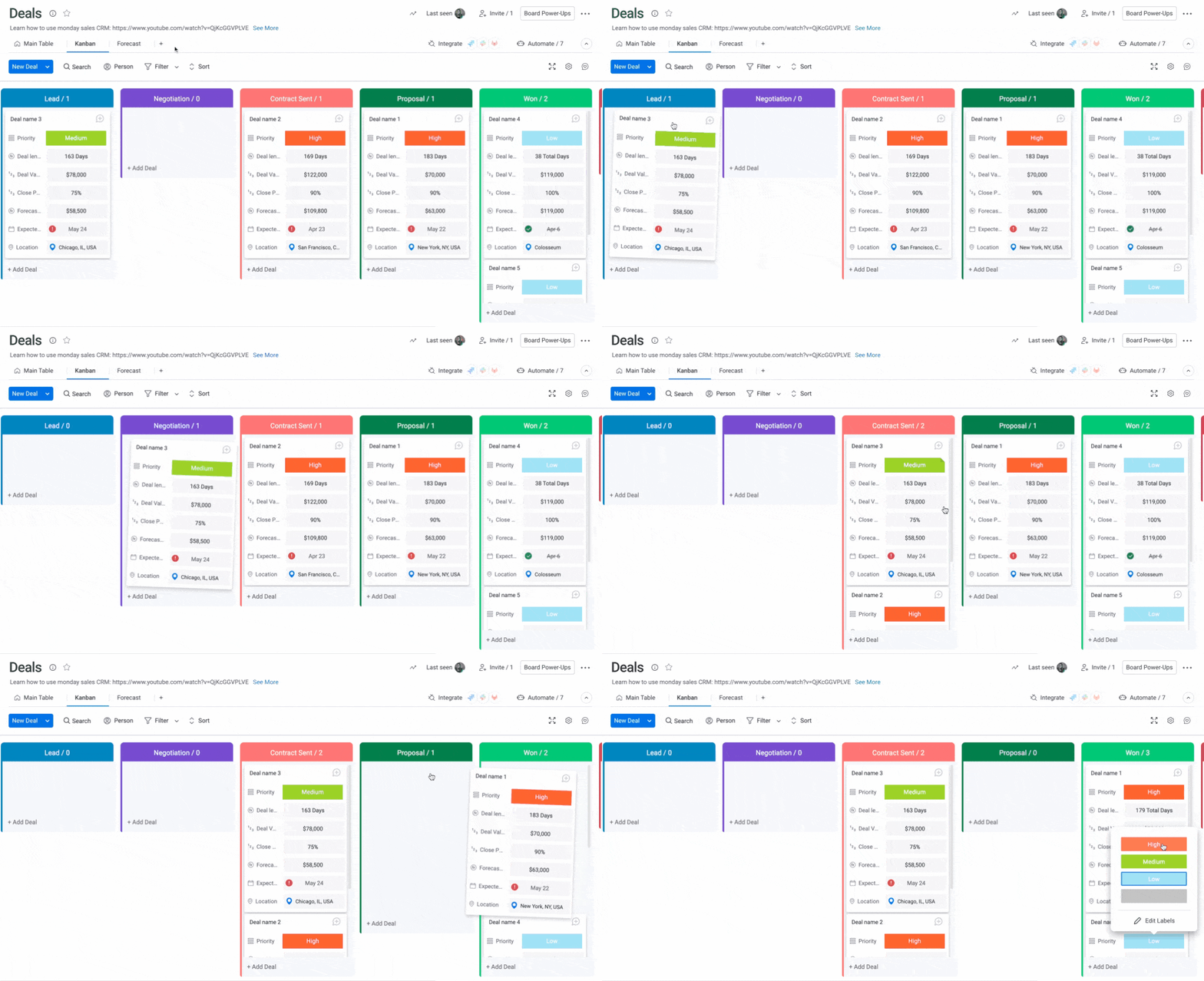
- CRM platforms: Centralize customer information, track interactions, and manage pipelines.
- Communication tools: Keep distributed teams connected.
- Training platforms: Ensure consistent skill development.
- Order management systems: Handle transactions efficiently.
- Analytics tools: Provide insights for continuous improvement.
Organizations using monday CRM benefit from an intuitive interface that representatives actually use, flexibility that accommodates different sales models, and comprehensive visibility that helps managers support their teams effectively. The platform’s ability to centralize customer data, automate follow-ups, and track performance across distributed teams addresses the core challenges of running direct sales at scale.
How monday CRM supports direct sales teams

Direct sales teams need technology that matches their flexibility while maintaining operational control. monday CRM provides the centralized visibility, automation, and customization that distributed sales teams need to manage relationships, track performance, and scale without losing the personal touch that makes direct sales work.
Key capabilities that support direct sales operations:
- Unified pipeline visibility: Track every prospect, customer interaction, and deal stage across your entire team from a single dashboard, ensuring no opportunity falls through the cracks.
- Automated follow-up workflows: Set up triggers that remind reps to check in with prospects, follow up after demos, or reach out when customers are ready to reorder.
- Customizable sales processes: Adapt the platform to match your specific sales model, whether you’re running party plans, B2B enterprise deals, or hybrid approaches.
- Mobile access for field reps: Update customer information, log activities, and access product details from anywhere, keeping your CRM current even when reps work remotely.
- Performance tracking and reporting: Monitor individual and team metrics in real-time, identifying top performers and coaching opportunities without manual spreadsheet work.
- Commission calculation automation: Eliminate disputes and errors by automatically calculating commissions based on sales data, giving reps transparency into their earnings.
Teams using monday CRM spend less time on administrative tasks and more time building the customer relationships that drive direct sales success.

“With monday CRM, we’re finally able to adapt the platform to our needs — not the other way around. It gives us the flexibility to work smarter, cut costs, save time, and scale with confidence.”
Samuel Lobao | Contract Administrator & Special Projects, Strategix
“Now we have a lot less data, but it’s quality data. That change allows us to use AI confidently, without second-guessing the outputs.”
Elizabeth Gerbel | CEO
“Without monday CRM, we’d be chasing updates and fixing errors. Now we’re focused on growing the program — not just keeping up with it."
Quentin Williams | Head of Dropship, Freedom Furniture
“There’s probably about a 70% increase in efficiency in regards to the admin tasks that were removed and automated, which is a huge win for us.“
Kyle Dorman | Department Manager - Operations, Ray White
"monday CRM helps us make sure the right people have immediate visibility into the information they need so we're not wasting time."
Luca Pope | Global Client Solutions Manager at Black Mountain
“In a couple of weeks, all of the team members were using monday CRM fully. The automations and the many integrations, make monday CRM the best CRM in the market right now.”
Nuno Godinho | CIO at Velv
“monday.com provides developmental flexibility, operational efficiency, and data transparency — all in one place. We became a company that moved from chasing data to leading with it.”
Hyunghan Lee | Team Lead, Sandbox Network
"monday.com brought every part of our business into one connected space. The harmony between work management and CRM has become our operating system — giving us the clarity and confidence to scale.”
Jennifer Chinburg | Executive Vice President of Corporate Development & Brand, Chinburg Properties
“We just weren’t getting value from our old CRM. With monday.com, it's a thousand times better. Our sales teams are more informed, more consistent, and far more connected."
James Arnold | Chief Operating Officer, CenversaBuild stronger customer relationships with monday CRM
Direct sales succeeds when you combine personal relationships with systematic execution. The model works across industries and products, but only when you can qualify prospects effectively, demonstrate value clearly, build genuine connections, and provide consistent support that turns one-time buyers into loyal customers.
monday CRM gives direct sales teams the visibility, automation, and flexibility they need to scale without losing the personal touch. Try monday CRM today and see how the right platform transforms distributed sales operations into predictable, growing revenue.
Try monday CRM AI SolutionsFAQs
What is the difference between direct sales and MLM?
Direct sales focuses primarily on selling products directly to end customers, with representatives earning commissions based on personal sales volume. MLM includes both personal sales and recruitment-based income, where representatives earn commissions from sales made by people they recruit into the organization.
How do direct sales representatives get paid?
Direct sales representatives typically earn commissions as a percentage of their personal sales. Additional compensation may include bonuses for hitting sales targets, incentives during promotional periods, and rewards for customer retention.
Is direct sales a legitimate business model?
Direct sales is a legitimate and well-established business model used by companies across numerous industries including technology, financial services, beauty products, and health supplements. Legitimacy depends on the specific company's practices, with legitimate companies focusing on selling quality products to genuine end customers rather than recruitment schemes.
What products work best for direct sales?
Products that benefit most from direct sales typically require demonstration or explanation, benefit from personal recommendation, have higher margins that support commission structures, and create opportunities for repeat purchases. Common categories include beauty and skincare, nutritional supplements, home goods, enterprise software, and financial services.
How much can you make in direct sales?
Income in direct sales varies enormously based on time invested, sales skills, product category, and company compensation structure. Part-time representatives might earn a few hundred dollars monthly for supplemental income, while full-time top performers in some organizations earn 6-figure annual incomes through consistent sales and team leadership.
What skills are needed for direct sales success?
Successful direct sales representatives demonstrate strong interpersonal communication skills for building relationships, persistence through rejection and challenges, genuine enthusiasm for their products, organizational abilities to manage customers and activities, and self-motivation to work independently without direct supervision.
