


A major deal closes. The client is engaged, the contract is signed, and early momentum feels strong. Six months later, communication slows, product usage declines, and renewal discussions become increasingly difficult.
This shift often occurs when revenue teams prioritize closing deals over building lasting relationships. A client engagement strategy addresses this gap by providing a structured approach to creating meaningful interactions across the entire client life cycle — from first contact through renewal and expansion. When executed well, it turns one-time buyers into long-term partners who stay engaged, expand over time, and advocate for the brand.
This powerful guide outlines the essential components of a winning client engagement strategy for 2026. It explores how to build relationships that support predictable revenue, how AI enables personalization at scale, and how engagement workflows can be designed to work in practice.
Key takeaways
- Client engagement must be built as a system across the full life cycle: Consistent, structured interactions from onboarding through renewal and expansion drive predictable revenue and lower churn.
- Proactive engagement prevents churn before it shows up in renewals: Tracking early signals like response delays, declining usage, and sentiment shifts enables timely intervention and retention protection.
- AI enables personalization at scale without replacing human relationships: Automation can handle follow-ups, summaries, and scoring, while teams focus on strategic conversations, value delivery, and trust-building.
- Data-driven engagement makes outcomes measurable and repeatable: Connecting engagement patterns to results helps standardize what works, prioritize the right actions, and prove ROI over time.
- Centralized platforms support consistent execution without added complexity: Solutions like monday CRM help unify client interactions, automate workflows, and surface insights that keep engagement visible and coordinated.
What is a client engagement strategy?
A client engagement strategy is a structured approach for building strong client relationships from the first interaction. It replaces scattered check-ins with consistent, value-led touchpoints that support retention and revenue over time.
Instead of relying on ad hoc outreach, engagement becomes predictable and measurable. A client engagement strategy spans the full client life cycle — from prospecting through post-sale account management — to ensure every interaction supports a clear outcome.
Teams that nail their engagement strategy get three big wins:
- Predictability in pipeline: Know which deals will close and when.
- Efficiency in processes: Eliminate manual work and reduce errors.
- Confidence in forecasting: Report upward with real data, not guesswork.
Understanding client engagement vs customer service
Client engagement and customer service serve different purposes, even when they involve similar communication channels. By clearly understanding the distinction teams can align resources, set expectations, and measure outcomes correctly.
| Aspect | Customer service | Client engagement |
|---|---|---|
| Scope | Reactive problem resolution | Proactive relationship building |
| Timing | Triggered by client requests | Continuous and anticipatory |
| Goals | Resolve issues quickly | Build long-term partnerships |
| Approach | Transactional interactions | Ongoing strategic dialogue |
| Measurement | Response time, satisfaction scores | Llifetime value, expansion revenue |
As the table above illustrates, customer service focuses on resolving issues once a request is submitted such as billing questions, login problems, or technical troubleshooting.
Conversely, client engagement focuses on relationship-building before issues surface, using proactive touchpoints that strengthen long-term partnerships.
For example, customer service resolves a login issue within 24 hours, while client engagement schedules quarterly business reviews to align on goals and value delivery.
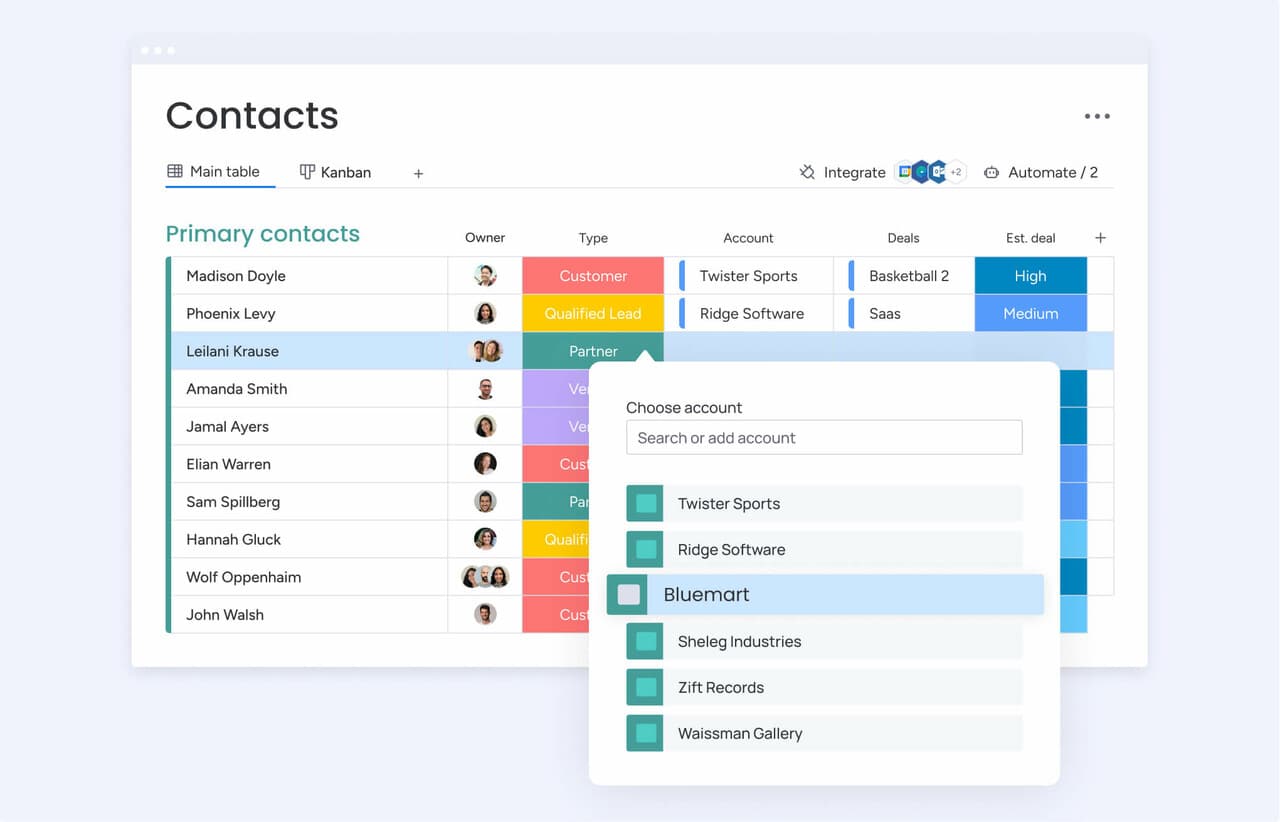
A unified timeline approach further supports engagement tracking by centralizing emails, meetings, notes, and activities in one view, giving teams the context needed to maintain continuity across every relationship.
Identifying core elements of an effective engagement strategy
An effective engagement strategy requires a clear set of building blocks that maintain quality as teams scale. These elements support consistency across client types, deal sizes, and stakeholder groups.
Three foundational elements shape how engagement is planned and delivered:
- Relationship mapping: Defines the full stakeholder network within each client organization, including decision-makers, champions, influencers, and end users. Effective mapping also clarifies communication preferences, information needs, and internal decision dynamics.
- Personalized communication: Ensures outreach reflects real context, not templated personalization. Strong personalization references client goals, prior conversations, and current challenges, while adapting tone to relationship stage and stakeholder priorities.
- Value delivery: Keeps every interaction useful and outcome-driven. Touchpoints should provide tangible benefits, such as relevant insights, strategic guidance, resources, or problem-solving support that advances the client’s goals.
Additional core elements include:
- Feedback loops: Systematically collecting and acting on client input through surveys, reviews, and informal signals.
- Continuous optimization: Testing different communication frequencies and eliminating activities that don’t drive outcomes.
- Cross-team collaboration: Ensuring sales, customer success, and support teams share information and coordinate efforts.

Why client engagement strategy drives revenue growth
If you take a strategic approach to client engagement this has a direct, measurable impact on revenue growth. In fact, organizations with documented engagement strategies report 23% higher quota attainment and 18% stronger client retention than teams relying on ad hoc approaches.
McKinsey’s 2025 analysis reinforces this connection, showing that top-quartile B2B SaaS companies achieve 113% net revenue retention , compared with 98% for bottom-quartile peers.
It’s also important to note that the relationship between engagement quality and revenue outcomes is built on clear, trackable drivers. Consistent and relevant interactions influence buying decisions, strengthen relationships, and build long-term loyalty across the entire customer life cycle.
When engagement is planned and measured, that’s when revenue growth becomes more predictable and repeatable.
Accelerating deal velocity and close rates
Strategic client engagement shortens sales cycles by building trust early, addressing concerns proactively, and sustaining momentum at every stage of the deal. When sales teams engage consistently, buyers move through internal decision processes faster because they have the information, confidence, and alignment required to commit.
This consistency is a core component of an effective sales strategy.
Engagement activities that speed up decision-making include:
- Regular check-ins: Surface objections before they become blockers.
- Proactive problem-solving: Demonstrate commitment beyond the sale.
- Stakeholder alignment meetings: Ensure all decision-makers share understanding.
To highlight the real-world impact, teams that schedule weekly 15-minute touchpoints during evaluation phases can close deals 30% faster than those that wait for clients to initiate contact.
Centralized communication tracking further strengthens this approach. By analyzing engagement patterns, teams can identify which sequences of touchpoints correlate with faster closes and higher win rates.
Build stronger long-term client relationships
Client engagement should continue well beyond the initial sale. When organizations maintain regular, value-driven communication, clients tend to spend more, renew more often, and recommend the brand to others.
Post-sales engagement ensures clients consistently realize value, feel supported during challenges, and view their account team as invested in their success. Quarterly business reviews that clearly connect product usage to business results drive significantly higher renewal rates than accounts that only hear from vendors during renewal cycles.
A unified client data approach supports this continuity. Account managers gain full visibility into sales discussions, customer success interactions, and support history, ensuring that critical relationship insights are not lost during internal handoffs. Each interaction builds on the last, creating a more cohesive client experience.
Reduce churn through proactive engagement
Client churn rarely happens without warning. Changes such as slower response times, declining usage, or shifts in communication tone often appear well before a contract is at risk. Organizations that recognize and act on these early signals are far more likely to preserve the relationship.
Effective churn prevention tactics include:
- Health check meetings: Schedule when usage patterns change.
- Success milestone celebrations: Reinforce value realization.
- Executive sponsor connections: Elevate relationships beyond day-to-day contacts.
Companies that track email response times and trigger outreach when responses exceed 48 hours significantly reduce churn. Research supports this approach, revealing that organizations with advanced value-realization practices achieve net revenue retention rates seven percentage points higher than peers with basic engagement models.
Essential components of a winning client engagement strategy
The strongest client engagement strategies consistently focus on four core areas. These align closely with what modern buyers expect today: relevant personalization, seamless experiences, insights supported by data, and proactive outreach that addresses needs early.
Understanding the components explored in a bit more detail below helps teams prioritize effectively and build engagement frameworks that scale across different customer segments.
Component 1: Hyperpersonalization at scale
Effective personalization goes beyond just using a name or company reference. Every interaction should feel different because it’s tailored to the client’s role, priorities, and timing. This requires understanding response patterns, industry pressures, and which solution elements align most closely with their objectives.
True hyperpersonalization means sharing a CFO-focused ROI analysis during budget planning cycles, while providing operations leaders with implementation-focused examples at the same time. AI-powered capabilities make this achievable at scale by:
- Automatically pulling relevant client information: From previous conversations.
- Suggesting customized talking points: Based on interaction history.
- Generating personalized email drafts: That reflect each relationship’s context.
The result is engagement that feels intentional and relevant, even when teams manage hundreds of active relationships. Capabilities such as AI-assisted email drafting and intelligent data extraction make advanced personalization practical for daily workflows.
Component 2: Unified omnichannel communication
Consistent experiences across communication channels reduce friction and prevent lost context. When conversations live in disconnected systems, teams duplicate work, miss details, and create fragmented experiences that weaken trust.
Unified communication centralizes every interaction into a single timeline, creating shared visibility across teams. This supports smooth handoffs and ensures a complete understanding of each relationship.
Centralized tracking further ensures no interaction is overlooked by logging emails, capturing meeting notes, tracking calls, and recording social interactions in one organized location that teams can easily reference.
Component 3: Data-driven decision making
Successful engagement strategies rely on insight rather than intuition. Tracking which emails are opened, which conversations lead to meetings, and which actions contribute to revenue replaces guesswork with measurable outcomes.
Key data sources for engagement decisions include:
- Interaction patterns: Reveal when clients are most receptive.
- Engagement metrics: Show which approaches resonate.
- Behavioral indicators: Signal interest levels through content downloads and feature usage.
- Outcome correlations: Connect specific activities to revenue results.
Real-time analytics and customizable dashboards turn this data into actionable insight by visualizing trends, identifying at-risk relationships, and recommending next steps based on proven historical patterns.
Component 4: Predictive and proactive outreach
Proactive engagement anticipates customer needs before issues surface. Predictive analytics analyze historical data to forecast when customers may need information, support, or renewed attention.
Practical applications of predictive engagement:
- Renewal risk alerts: Flag accounts showing warning signs months before contracts expire.
- Expansion opportunity identification: Surface clients ready for additional products.
- Optimal contact timing: Suggest when stakeholders are most receptive to outreach.
AI-powered engagement scoring supports proactive outreach at scale by continuously assessing relationship health, triggering timely actions when engagement declines, and prioritizing attention where it is needed most.
How to transform client engagement execution with AI
AI allows teams to manage hundreds of personalized relationships with the same level of care once reserved for a much smaller portfolio. By handling routine tasks and surfacing insights, AI amplifies human expertise and enables teams to focus on high-value conversations.
Modern AI capabilities can also help to remove resource constraints that previously limited advanced engagement strategies to large organizations, making sophisticated execution accessible to teams of all sizes.
Implement AI for autonomous engagement tasks
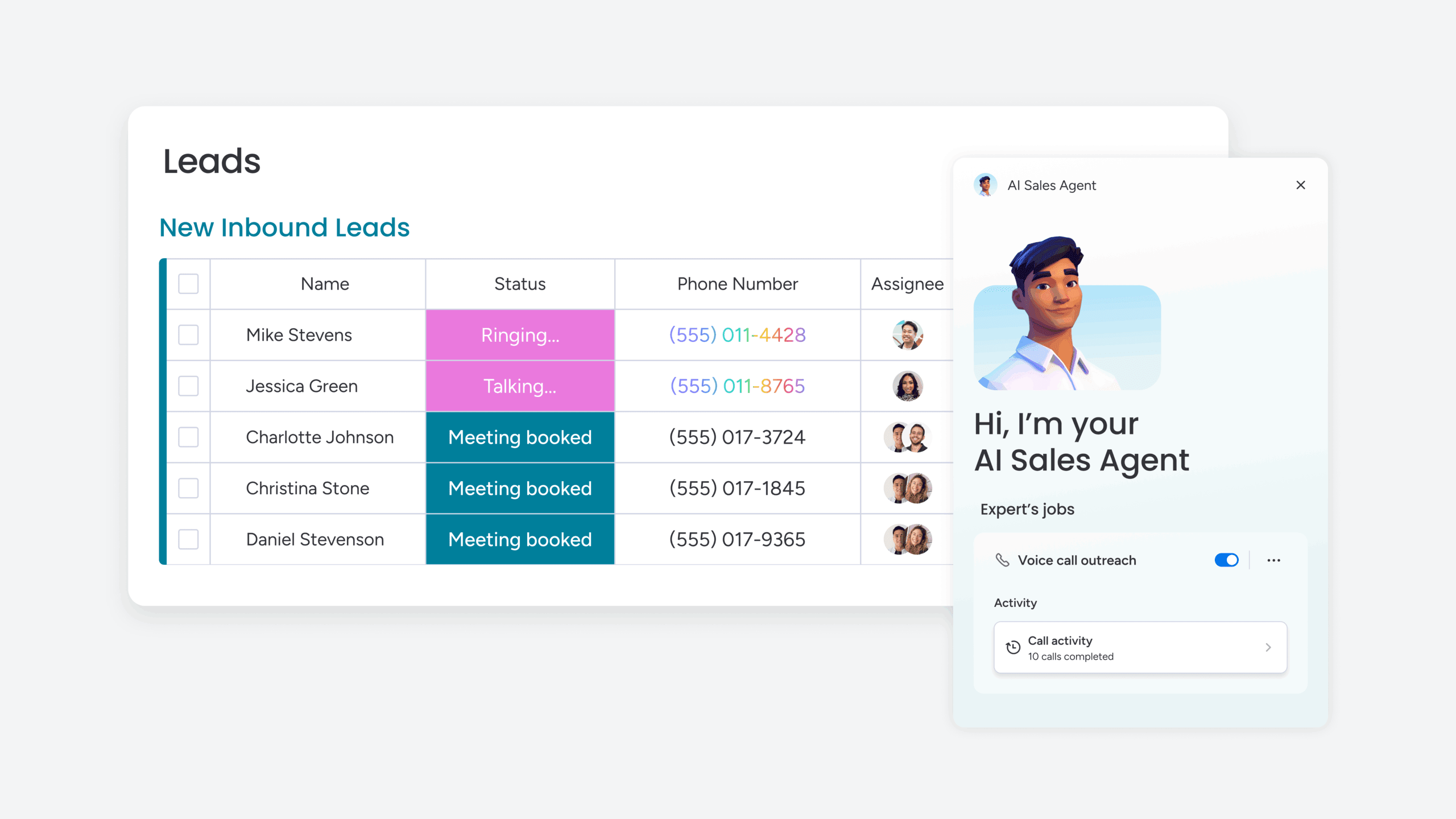
AI manages multi-step engagement activities that once required significant manual effort. Digital workers handle routine processes while maintaining appropriate tone and contextual accuracy.
Autonomous tasks that free up human time include:
- Drafting personalized follow-ups: That reference specific client challenges.
- Extracting action items: From meeting transcripts and creating tasks.
- Categorizing communications: By urgency and topic for faster response.
- Enriching contact records: With company information and recent news.
Advanced AI capabilities also support sentiment detection, skills-based assignment, and context-aware response generation, ensuring efficiency without sacrificing personalization.
Deploy real-time engagement scoring and analytics
AI continuously evaluates relationship health using response rates, communication frequency, sentiment analysis, and behavioral signals. This produces real-time engagement scores that highlight when attention is required.
Actionable insights from real-time scoring include:
- Declining engagement alerts: Notify account owners when clients stop responding.
- Optimal outreach recommendations: Suggest re-engagement timing and channels.
- Relationship health trends: Show improvement or deterioration patterns.
For example, if a previously engaged customer ignores multiple emails and declines meeting requests, the system can prompt a change in outreach approach or escalation to additional stakeholders.
Balance automation with human connection
The effectiveness of engagement technology depends on maintaining authenticity. Automation should support efficiency, while humans lead conversations that require empathy, creativity, and strategic judgment.
Automation is well suited for scheduling, reminders, data entry, and information gathering. Human involvement remains critical for:
- Complex discussions requiring nuanced understanding.
- Relationship building depending on empathy and connection.
- Creative problem-solving benefiting from human insight.
- Strategic guidance valued specifically because it comes from trusted advisors.
Guidelines for maintaining personal connections while leveraging AI include:
- Use AI to draft communications but add personal touches before sending.
- Automate routine follow-ups while reserving strategic conversations for human outreach.
- Be transparent with clients about AI usage while emphasizing human oversight.
Operationalizing engagement strategy with monday CRM
Instead of rigid frameworks or complex implementations, monday CRM supports practical workflows that align strategy with real client interactions.
The intelligent platform’s approach completely eliminates the complexity and rigidity that plague traditional CRM strategy implementations. Instead, engagement becomes structured, visible, and repeatable without adding unnecessary operational overhead.
Teams can implement advanced engagement workflows without technical expertise. As a result, sophisticated relationship management becomes accessible to organizations of any size, regardless of internal resources or system complexity.
Centralize all client interactions
Strong engagement begins with visibility. monday CRM establishes a single source of truth by capturing emails, meetings, calls, and notes within unified client timelines.
This centralized view eliminates fragmented systems and missing context during conversations. Teams always have access to the full relationship history when engaging with customers.
Teams gain immediate benefits from centralized tracking:
- Complete visibility: See every interaction across all team members.
- Seamless handoffs: New team members instantly understand relationship history.
- Pattern recognition: Identify which engagement sequences drive success.
Integration flexibility allows teams to connect existing tools or rely on native features. This ensures centralized visibility without forcing changes to an established technology stack.
Automate engagement workflows without IT support
Engagement strategies require consistency to scale. With no-code automation capabilities, teams can build structured workflows in minutes rather than weeks. Sales managers can configure follow-up sequences, set conditional triggers based on deal stages, and automate handoffs across teams without relying on technical resources.
Practical automation examples that drive engagement success:
- Follow-up sequences: Automatically send personalized emails based on client behavior.
- Task creation: Generate action items from meeting notes without manual entry.
- Alert systems: Flag at-risk accounts when engagement metrics decline.
This flexibility ensures the engagement strategy adapts to existing sales processes. Teams can test new approaches, refine workflows, and expand proven patterns across the organization.
Leverage AI for personalized outreach
Personalization at scale requires more than manual effort. Built-in AI capabilities on monday CRM make it possible to maintain relevance without slowing teams down.
Email composition assistance supports faster drafting, while timeline summaries surface the most relevant context before every conversation. Sentiment analysis highlights early warning signs before relationships weaken.
These capabilities translate to real engagement improvements:
- Faster response times: Draft personalized emails in seconds instead of minutes.
- Consistent quality: Maintain professional communication across all team members.
- Proactive intervention: Identify and address issues before clients express dissatisfaction.
AI enhances human judgment rather than replacing it. By managing routine personalization tasks, teams gain more time for strategic relationship building and higher-value conversations.
“With monday CRM, we’re finally able to adapt the platform to our needs — not the other way around. It gives us the flexibility to work smarter, cut costs, save time, and scale with confidence.”
Samuel Lobao | Contract Administrator & Special Projects, Strategix
“Now we have a lot less data, but it’s quality data. That change allows us to use AI confidently, without second-guessing the outputs.”
Elizabeth Gerbel | CEO
“Without monday CRM, we’d be chasing updates and fixing errors. Now we’re focused on growing the program — not just keeping up with it."
Quentin Williams | Head of Dropship, Freedom Furniture
“There’s probably about a 70% increase in efficiency in regards to the admin tasks that were removed and automated, which is a huge win for us.“
Kyle Dorman | Department Manager - Operations, Ray White
"monday CRM helps us make sure the right people have immediate visibility into the information they need so we're not wasting time."
Luca Pope | Global Client Solutions Manager at Black Mountain
“In a couple of weeks, all of the team members were using monday CRM fully. The automations and the many integrations, make monday CRM the best CRM in the market right now.”
Nuno Godinho | CIO at VelvMaking client engagement your competitive advantage
Winning at client engagement does not require endless tactics. It requires a reliable foundation that turns strategy into predictable execution.
High-performing teams focus on systems that make engagement measurable, repeatable, and scalable. When fundamentals are in place, results follow consistently.
An effective engagement strategy starts with centralized data, automated workflows, and real-time visibility: these elements create clarity across teams and reduce reliance on manual coordination.
AI is no longer an emerging trend. From email drafting to sentiment insights, it is a practical and powerful solution that enables scalable personalization and measurable engagement outcomes today.
Frequently asked questions
What's the difference between client engagement and customer engagement?
Client engagement typically focuses on B2B relationships that involve multiple stakeholders and more complex decision-making processes. Customer engagement usually refers to B2C interactions with individual consumers. Client engagement places greater emphasis on long-term partnership building across entire organizations.
How long does it take to see results from implementing a client engagement strategy?
Initial improvements in process efficiency and team consistency typically appear within 30–60 days of implementation. Measurable relationship improvements, including higher satisfaction scores, often emerge within three to six months. More significant revenue impact through improved retention usually becomes evident within a year.
Which engagement metrics should sales teams track first?
Sales teams should start with response time, engagement frequency, and client satisfaction scores as foundational metrics. These metrics directly influence relationship quality and provide clear indicators of engagement effectiveness that teams can act on quickly.
Can small sales teams implement engagement strategies effectively?
Small teams can be highly effective at strategic engagement by focusing on automation that scales personal efforts and systematic processes that ensure consistency. The right platform makes sophisticated engagement accessible without requiring large headcount or technical resources.
How do you balance automation with maintaining personal client relationships?
Use automation for routine tasks like data entry, meeting scheduling, and follow-up reminders while reserving human interaction for strategic discussions and relationship building. Let technology handle the mechanics so humans can focus on empathy and strategic value delivery.
What's the minimum budget needed for implementing a client engagement strategy?
Effective strategies can start with existing platforms and modest technology investments in the $50-150 per user monthly range. Focus on platforms that provide immediate value without requiring massive upfront investment or extensive customization.

 Get started