

Your best manager probably wasn’t the one who checked in the most or delivered the most polished presentations. They were the one who made you feel capable, connected your work to something bigger, and stepped in with the right support at the right moment. That’s leadership engagement in action.
Leadership engagement is what separates teams that simply function from those that consistently perform at a high level. It shapes how people experience their work day to day — from how decisions are communicated to how challenges are handled and growth is supported.
Understanding how this works in practice is what makes the difference. Ahead, you’ll see what leadership engagement really means, how it differs from employee engagement, and why traditional management approaches fall short. You’ll also find practical strategies to build engaged leadership at scale, along with ways to measure its impact and sustain it over time.
Key takeaways
- Build engagement through weekly coaching rhythms: Schedule consistent one-on-ones and team meetings to create momentum and allow real-time adjustments in leadership approach.
- Focus on enabling teams, not just managing tasks: Engaged leaders remove barriers, provide context for decisions, and create psychological safety for experimentation and growth.
- Use real-time data to prevent problems before they happen: Track team workload, project health, and engagement indicators to spot issues early and intervene proactively.
- Automate administrative work with monday work management: Free up time for meaningful conversations by automating status reports, check-in reminders, and project updates while gaining AI-powered insights into team performance.
- Measure leadership impact through team outcomes: Track metrics like retention rates, project completion speed, and cross-functional collaboration rather than relying solely on annual engagement surveys.
What is leadership engagement?

Leadership engagement means leaders actively shape how their teams perform by communicating openly, staying visible on what matters, and removing barriers to success. Leaders don’t just track output, they create the conditions where teams can do their best work.
An engaged leader is like a conductor who doesn’t just keep time — they bring out the best in every musician. Engaged leaders spot problems early, balance workloads based on real capacity, and help everyone see how their work connects to bigger goals.
Leadership engagement vs employee engagement
These terms get mixed up all the time, but they’re actually different things. Leadership engagement is the input: the specific behaviors and systems leaders use to build commitment. Employee engagement is the output: how enthusiastic and dedicated people are in their work.
Here’s how they differ in practice:
| Focus area | Employee engagement | Leadership engagement |
|---|---|---|
| Primary driver | Individual motivation and satisfaction | Systematic enablement and environment creation |
| Key metrics | eNPS, retention, discretionary effort | Team velocity, promotion rates, blocker removal speed |
| Outcome | Personal commitment to the role | Organizational capacity for high performance |
| Action | Executing work and collaborating | Removing barriers and aligning strategy |
Even the most motivated employees struggle under a disengaged leader who doesn’t provide context or resources. Engaged leaders help teams perform well during tough times by creating safety to take risks and clarity on where to focus.
Why traditional management approaches fall short
The shift from factory work to knowledge work has made old-school management obsolete. Three market shifts explain why leaders need to empower, not just direct:
- The complexity of knowledge work: Today’s work requires creativity and problem-solving — things you can’t script or standardize. Leaders need to give people autonomy, not step-by-step instructions.
- Market volatility: When things change fast, decisions need to happen on the front lines — not just in the C-suite. Traditional top-down structures can’t keep up when you need to act on real-time data.
- Workforce expectations: People today care more about purpose and growth than just staying in one place for years. Top-down decisions and yearly reviews don’t give people the ongoing feedback they need to stay engaged.
Engaged leaders spot problems early, balance workloads based on real capacity, and help everyone see how their work connects to bigger goals.
Why leadership engagement matters for business success
Leadership engagement drives business results in three ways: faster innovation, improved retention, and more resilient operations. Organizations with engaged leaders don’t just have happier teams. They execute faster and more accurately.
Accelerated innovation and AI adoption
Engaged leaders create environments where people feel safe to experiment, question, and learn. They make space for exploration and put systems in place to capture and scale what works.
This matters even more with AI. While 88% of organizations report using AI in at least one function, only 7% have scaled it across the enterprise. The gap isn’t about technology — it’s about leadership. Scaling AI requires rethinking workflows, building trust, and guiding teams through change.
Adoption happens when leaders connect AI to real work. That means explaining why it matters, providing hands-on support, and embedding it into daily processes rather than treating it as a side initiative.
Leaders who stay close to AI efforts ensure it delivers value. They roll out changes in stages, gather feedback from teams, and continuously refine how AI fits into workflows — turning experimentation into sustained impact.
Improved retention and team performance
How leaders behave has a huge impact on whether people stay. Engaged leaders create growth opportunities, give real feedback, and help people see where their career can go. Research shows that employees in healthy organizations are 1.5× more likely to plan to stay and 3.9× more likely to recommend their employer, with healthier organizations delivering roughly 3× the performance of less‑healthy peers.
This approach creates momentum:
- Early identification: Leaders spot and address dissatisfaction before it leads to turnover.
- Recognition systems: High performers are acknowledged and developed consistently.
- Succession planning: Building internal talent strengthens organizational resilience.
The business impact is tangible: lower hiring costs, faster project delivery, and higher-quality outcomes. Teams essentially spend less time onboarding and more time getting things done.
Enhanced cross-functional collaboration
Silos often result from disengaged leadership, which is why stakeholder engagement becomes critical for breaking down barriers. Engaged leaders actively break down barriers by facilitating communication and aligning goals across departments through effective stakeholder engagement. They use clear processes to keep everyone informed without micromanaging.
When leaders can see what’s happening across departments in real time, they catch dependencies and conflicts early. By fostering shared accountability through stakeholder alignment, engaged leaders ensure that marketing, product, and operations move in lockstep rather than at cross-purposes.
Try monday work management5 essential components of engaged leadership
Engaged leadership comes down to specific skills anyone can learn. Any leader can develop these skills — charisma isn’t required. Each component outlined below builds on the others to create a complete system for helping teams succeed.
Purpose-driven vision and strategy
Purpose-driven vision connects daily work to meaningful business outcomes through strategic translation and clear communication. It’s not a static mission statement. It’s actively using vision to guide decisions and motivate teams.
Engaged leaders translate high-level strategy into specific, actionable priorities:
- Strategic translation: Breaking down annual company goals into quarterly team objectives and weekly assignments.
- Contextualization: Including the “why” with every project assignment to help team members understand their contribution.
- Regular reinforcement: Communicating vision not just at kickoffs, but in regular team syncs and one-on-ones.
Transparent communication systems
Transparency requires systematic, consistent communication systems rather than sporadic openness. Engaged leaders create reliable ways for information to flow.
Key elements include:
- Predictable rhythms: Regular team meetings follow consistent agendas.
- Context sharing: Leaders explain reasoning behind pivots or resource changes.
- Two-way channels: Systems for teams to provide feedback without fear.
Empathetic support infrastructure
Empathetic support isn’t just about feelings. It’s building systems that anticipate and address what teams need. It means creating systems that prevent burnout and support growth.
This includes:
- Proactive resource management: Monitoring workload capacity and adjusting timelines before teams are overwhelmed.
- Skill development: Building cross-training and mentoring into workflows.
- Barrier removal: Viewing the primary leadership role as removing obstacles.
Data-driven decision making
Engaged leaders use data-driven decision making to understand team performance, identify trends, and make informed decisions about resource allocation. They trust data over gut instinct.
Data applications include:
- Performance tracking: Monitoring project completion rates and velocity to forecast capacity.
- Workload analysis: Using bandwidth data to prevent uneven work distribution.
- Insight utilization: Leveraging real-time dashboards to spot trends and intervene early.
Continuous development culture
A culture of continuous development builds learning and improvement into everyday work. It’s part of daily work, not just formal training.
Development practices include:
- Iterative learning: Holding retrospectives after major projects to capture lessons.
- Safe experimentation: Encouraging testing new approaches and viewing failure as data.
- Knowledge sharing: Allocating time for team members to share skills with peers.
How to measure leadership engagement effectively
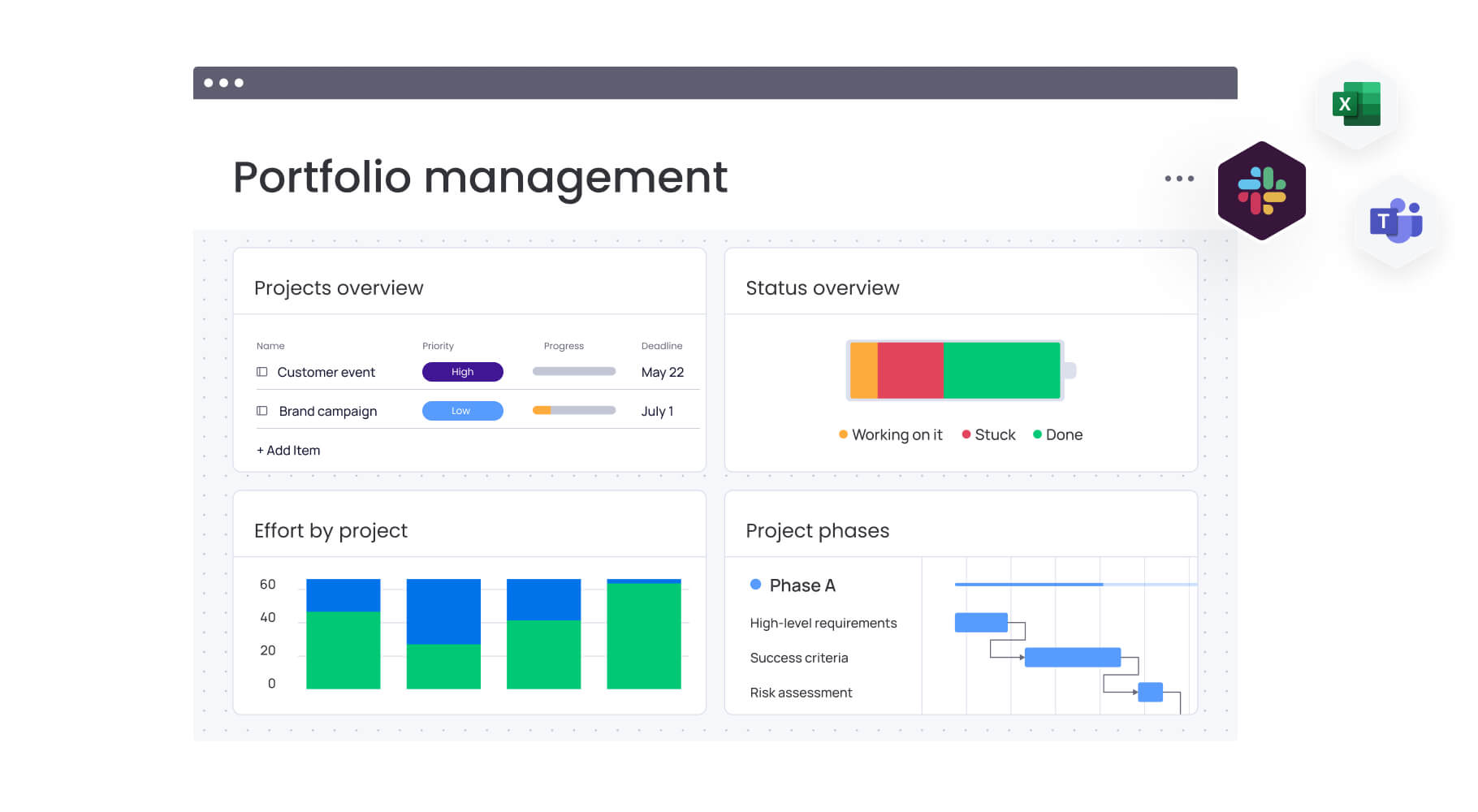
Measuring leadership engagement means going beyond traditional metrics to track behaviors and team results. Effective measurement mixes hard data with qualitative feedback to reveal how leaders are really doing.
Adopting continuous feedback and real-time metrics
Annual surveys only capture a snapshot. They miss how leadership shows up in day-to-day interactions, where engagement is actually built or lost.
Effective measurement relies on continuous feedback. Regular check-ins, structured input, and real-time signals give a clearer picture of how leaders support their teams and where adjustments are needed.
Modern measurement approaches include:
- Pulse surveys: Short, frequent check-ins measuring immediate sentiment.
- 360-degree feedback: Input from peers and direct reports providing holistic views.
- Specific metrics: Questions like “My manager helps me understand how my work connects to company goals”.
Real-time leadership effectiveness indicators
Tracking specific metrics continuously gives you real insights into how well leaders are doing. These indicators let you adjust in real time instead of waiting a year.
Key indicators to track:
- Leading indicators: Frequency of one-on-ones, response time to team blockers, participation in development activities.
- Lagging indicators: Team retention rates, project success rates, internal promotion rates.
- Adjustment triggers: Using data to modify communication style or support levels immediately.
Manager impact and team health metrics
Specific metrics show how leadership behavior affects team results. These data points show the real return on engaged leadership.
Important measures include:
- Productivity measures: Velocity and on-time delivery rates correlating with leadership engagement.
- Wellbeing indicators: Absenteeism rates and workload balance metrics showing effective capacity management.
- Analytics integration: Team interaction patterns and project health serving as proxies for manager effectiveness.
Effective measurement relies on continuous feedback. Regular check-ins, structured input, and real-time signals give a clearer picture of how leaders support their teams and where adjustments are needed.
Proven strategies to build leadership engagement
Building leadership engagement takes deliberate action across your whole organization. These strategies below create lasting change by developing individual skills and removing organizational barriers.
Model engagement from the executive level
Senior leaders set the tone for engagement throughout the organization. When executives model transparency and active involvement, it grants permission for managers at all levels to do the same.
Executive modeling includes:
- Visible participation: Executives participating in development programs and team retrospectives.
- Transparent decision-making: Sharing the “why” behind high-level strategy openly.
- Vulnerability: Leaders acknowledging mistakes and sharing learning goals.
Implement comprehensive 360-degree feedback
360-degree feedback gathers systematic input from direct reports, peers, and supervisors. This approach focuses on specific behaviors rather than general impressions.
Effective implementation requires:
- Behavioral focus: Targeting observable actions like communication during crises.
- Safe environment: Anonymous, developmental process focused on growth.
- Action planning: Translating feedback into specific development plans.
Democratize decision-making authority
Engaged leaders push decision-making to the appropriate level, reducing bottlenecks and increasing ownership. This requires frameworks for delegation.
Key elements include:
- Context setting: Providing necessary information and boundaries for informed decisions.
- Escalation paths: Defining which decisions require approval versus autonomy.
- Empowerment: Enabling team members to execute within scope independently.
Invest in manager training and enablement
Training programs must build specific engagement capabilities like coaching, feedback delivery, and conflict resolution. Effective training goes beyond theory.
Training components:
- Practical application: Workshops including role-playing and scenario planning.
- Peer learning: Manager cohorts sharing challenges and best practices.
- Behavior change: Measuring observed changes in leadership behavior.
Establish accountability frameworks
Accountability frameworks make expectations, responsibilities, and consequences transparent. These systems support engagement by removing ambiguity.
Framework elements:
- Role definition: Clear understanding of responsibilities and contributions.
- Regular check-ins: Consistent progress reviews preventing surprises.
- Fair evaluation: Measuring success against pre-defined goals.
Design sustainable leadership development
Development programs build engagement capabilities over time through ongoing coaching and stretch assignments. This ensures leadership growth keeps pace with organizational complexity.
Development approaches:
- Continuous coaching: Regular coaching for navigating specific challenges.
- Stretch assignments: Cross-functional initiatives broadening perspective.
- Career pathing: Explicitly rewarding engaged leadership behaviors in promotions.
Optimize manager workload distribution
Overloaded managers cannot be engaged leaders. Workload optimization ensures leaders have bandwidth for their teams.
Optimization strategies:
- Delegation: Eliminating or delegating low-value work.
- Automation: Reducing administrative burdens through process automation.
- Prioritization: Empowering leaders to decline non-essential activities.
Create cross-departmental visibility with a Work OS
Engaged leaders require visibility into other departments to facilitate collaboration. Shared processes create transparency for informed decision-making.
Visibility mechanisms:
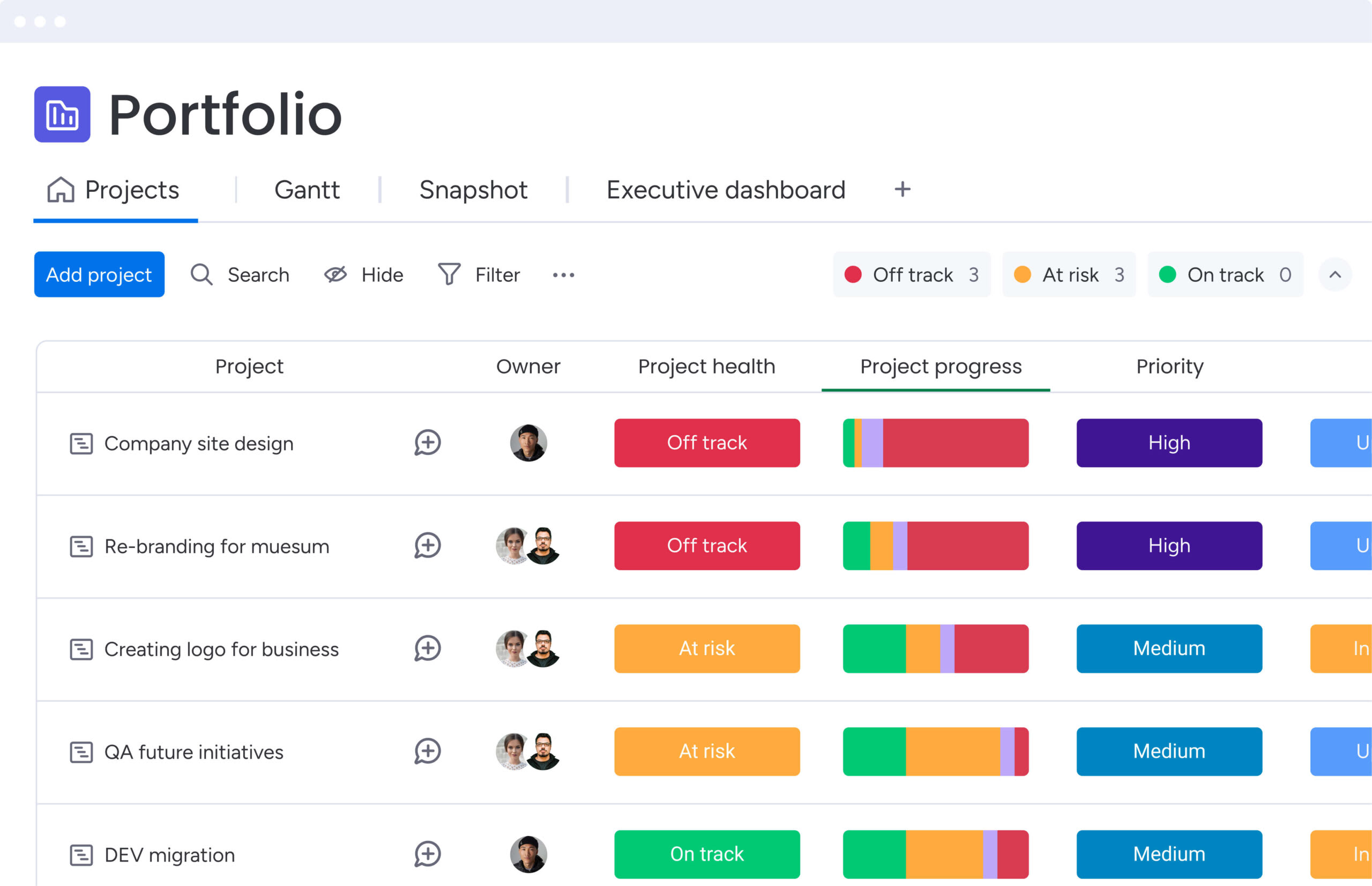
- Shared dashboards: Real-time data from adjacent departments.
- Cross-functional rituals: Regular syncs between department heads.
- Unified platforms: Single source of truth for cross-team initiatives.
The weekly leadership coaching system explained
Leadership engagement becomes effective when it’s built into a consistent, structured practice rather than treated as an occasional effort. Ongoing coaching creates clarity, keeps communication steady, and gives leaders the space to adjust their approach as team needs evolve.
A weekly system makes engagement repeatable. It helps leaders stay connected to their teams, address challenges early, and support development in a way that’s both practical and sustainable.
Here’s how to build that system step by step:
Step 1: establish your coaching rhythm
Sustainable weekly coaching requires specific time allocations. A recommended structure includes 30-60 minutes for individual check-ins, 60-90 minutes for team meetings, and 30 minutes for reflection and planning.
These sessions become high-impact through agenda templates, question frameworks, and follow-up processes. Consistency is maintained by treating these blocks as immovable commitments.
Step 2: design essential weekly leadership conversations
Engagement builds through five conversation types: performance discussions, development planning, goal alignment, feedback sessions, and problem-solving. Leaders balance these based on team needs and individual circumstances.
A high-performer may need more development planning, while a new hire requires goal alignment. Documentation and follow-up ensure conversations lead to action.
Step 3: measure coaching impact and effectiveness
Coaching effectiveness is tracked through quantitative and qualitative measures. Metrics include team performance improvements, individual development progress, engagement survey results, and retention rates.
Leaders gather feedback on their coaching effectiveness directly from teams and adjust approaches based on results. This measurement scales across the organization, identifying which managers effectively develop their people.
How technology transforms leadership engagement
Technology enables leadership engagement by removing barriers and providing insights that improve effectiveness. The right capabilities automate the mundane, allowing leaders to focus on human elements while gaining unprecedented visibility into team dynamics.
Automating administrative work for human connection
Automation frees leaders from routine work, creating space for relationship-building. Status reporting, meeting scheduling, project updates, and routine communications are handled automatically.
This shift allows one-on-ones to focus on coaching and strategy rather than status updates. Teams using modern platforms like monday work management can automate notifications and report generation, ensuring leaders spend time on high-value interactions.
AI-powered leadership insights and support
AI gives leaders a clearer, real-time view of how teams are performing — something that’s difficult to track manually across multiple projects and people. It surfaces patterns in workload, progress, and collaboration that would otherwise go unnoticed.
With monday work management, these insights are built directly into daily workflows. Leaders can quickly spot overloaded team members, identify projects at risk, and understand where support is needed most — without digging through reports or chasing updates.
AI also helps guide better decisions. It can suggest more balanced project assignments based on skills and capacity, highlight early warning signs, and surface trends that impact team performance.
Integrating engagement with daily work
Technology platforms embed engagement practices into regular workflows, preventing them from becoming separate activities. Integration examples include automated check-in reminders, embedded feedback collection, and real-time team health indicators.
This integration makes engagement practices sustainable, as they become part of natural work flow rather than additional administrative burden.
Try monday work managementBuild sustainable leadership engagement with monday work management
Organizations using monday work management transform engagement from individual practice to organizational system through visibility, automation, and insights. The advances and intuitive platform addresses core challenges preventing engagement: lack of visibility, administrative burden, and difficulty tracking team health.
Create real-time visibility across your organization
The connected platform provides leaders with comprehensive visibility into team performance, project status, and workload distribution.
- Dashboard capabilities: Custom dashboards display team metrics, project health, and resource utilization in real-time.
- Portfolio management: High-level views help leaders understand dependencies and make informed resource decisions.
- Cross-departmental visibility: Shared workspaces break down silos, enabling transparency across teams.
- Goal tracking: Individual work integrates with strategic objectives, helping leaders communicate purpose.
Automate leadership workflows and check-ins
Automation capabilities reduce administrative burden and create consistent engagement practices.
- Automated status updates: Regular project reports keep leaders informed without manual effort.
- Check-in reminders: Automated prompts ensure one-on-ones and team meetings happen on schedule.
- Escalation workflows: Automatic notifications alert leaders when projects fall behind or team members become overloaded.
- Feedback collection: Automated pulse surveys provide ongoing insights into team sentiment.
Detect engagement risks with AI insights
AI capabilities help leaders identify and address engagement risks proactively.
- Project Analyzer: Monitors projects in real-time, flagging bottlenecks and providing insights.
- Risk identification: AI-powered analysis identifies projects at risk or team members showing signs of disengagement.
- Resource optimization: AI recommends workload distribution based on skills and availability.
- Predictive insights: Early warning indicators help leaders address issues before they impact performance.
Optimize team workloads to prevent burnout
The platform helps leaders monitor and manage team capacity to maintain engagement.
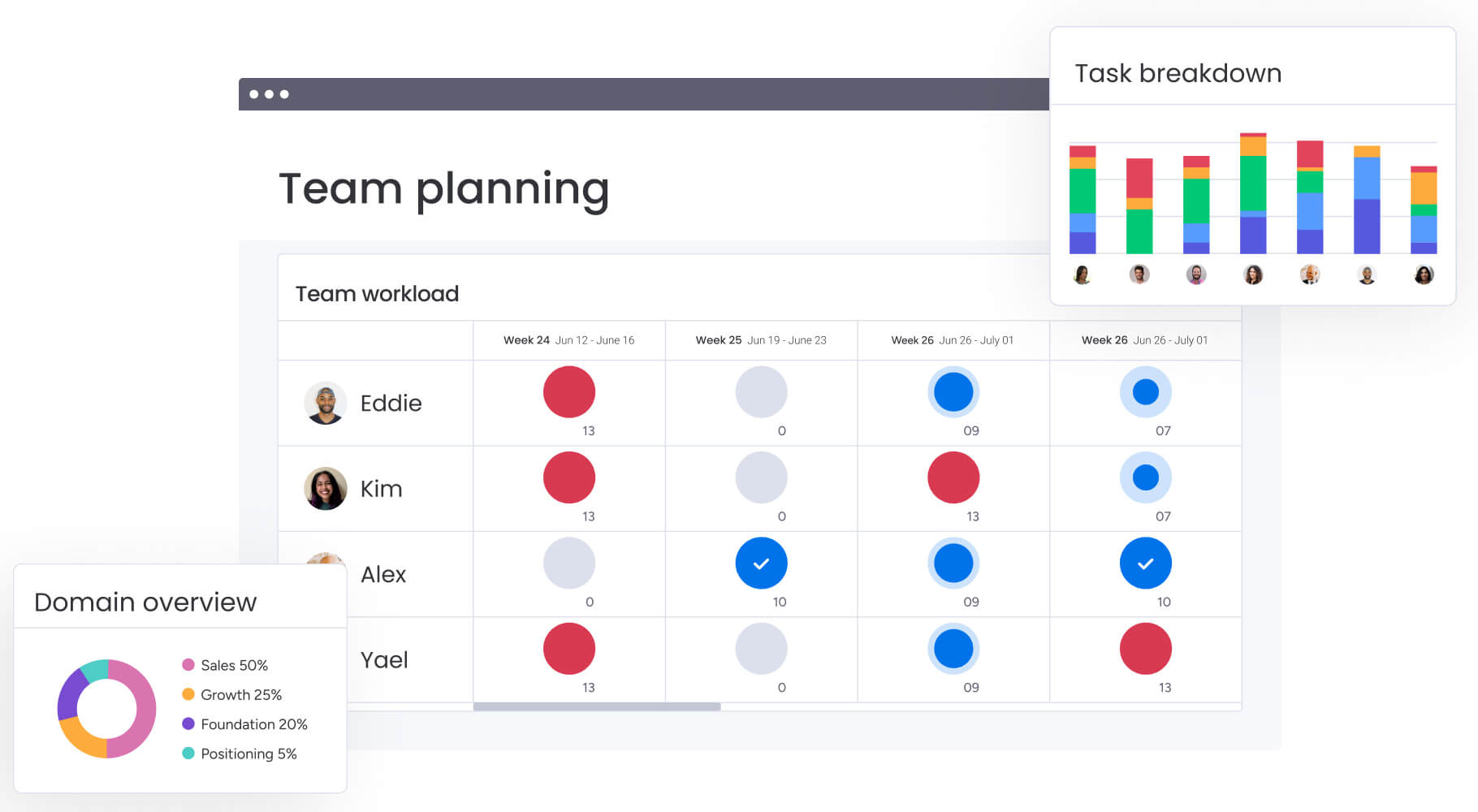
- Workload visualization: Real-time views of individual and team capacity identify overallocation immediately.
- Resource management: Capabilities balance workloads based on skills, availability, and development goals.
- Capacity planning: Forward-looking resource allocation prevents overcommitment.
- Time tracking integration: Insights into actual versus planned time allocation improve future planning.

“monday.com has been a life-changer. It gives us transparency, accountability, and a centralized place to manage projects across the globe".
Kendra Seier | Project Manager
“monday.com is the link that holds our business together — connecting our support office and stores with the visibility to move fast, stay consistent, and understand the impact on revenue.”
Duncan McHugh | Chief Operations OfficerCreate stronger teams with engaged leadership
Leadership engagement changes how teams experience work day to day. When leaders focus on enabling rather than directing, teams gain clarity, confidence, and the support they need to perform at a higher level.
Building this into everyday operations takes structure and consistency. Clear coaching practices, ongoing feedback, and shared visibility help leaders stay connected to their teams and respond in the moment, not after the fact.
monday work management makes this easier to scale across the organization. With real-time insights, automated workflows, and a shared view of work, leaders can remove friction early, support their teams more effectively, and keep progress moving without added complexity.
As engagement becomes part of how work happens, teams don’t just deliver better results — they build momentum, improve continuously, and stay motivated along the way.
Try monday work managementFrequently asked questions
What is the difference between leadership engagement and employee engagement?
Leadership engagement focuses on how actively leaders create the conditions for team success through their actions, systems, and support. Employee engagement reflects how motivated and committed individuals feel in their roles. Strong leadership engagement is what drives higher employee engagement over time.
How quickly can organizations see results from leadership engagement efforts?
Organizations typically see initial improvements in team communication and collaboration within 4-6 weeks. Measurable impacts on retention and performance become visible within 3-6 months.
What metrics best measure leadership engagement success?
The most effective metrics combine team performance indicators like project completion rates, relationship measures including 360-degree feedback, and business outcomes such as retention rates and innovation metrics.
How does hybrid work impact leadership engagement strategies?
Hybrid work requires more intentional communication rhythms, structured check-ins, and technology-enabled visibility into team performance and wellbeing.
What role does AI play in leadership engagement?
AI helps leaders identify engagement risks early, optimize workload distribution, and gain insights into team performance patterns that would be difficult to track manually.
What are the most common barriers to leadership engagement?
The primary barriers include manager overload, lack of training in engagement skills, insufficient visibility into team performance, and organizational cultures that reward individual achievement over team development.

 Get started