



In software development, speed is essential, but it’s worthless without direction. Teams that rush to code without a clear strategy often build the wrong features, accumulate technical debt, and miss critical deadlines. A modern software development plan is the playbook that prevents this, turning ambitious goals into a clear path forward.
This type of plan serves as your team’s single source of truth. It connects engineering work directly to business outcomes and gives everyone from developers to leadership the visibility to make smart decisions. With a solid plan, teams can move fast with confidence, adapt to changes, and focus on delivering value.
This guide walks through how to create a comprehensive software development plan from start to finish in 2026. We’ll cast our eye over its essential components, the steps to build one, and how to choose the right methodology for your team.
After reading, you will have learned how to build a plan that helps you ship more product with less friction.
Key takeaways
-
Use planning to align engineering with business goals: a strong software development plan ensures teams build the right features, not just ship code faster.
-
Balance structure with flexibility from the start: clear scope, roles, and milestones create focus, while adaptive workflows prevent plans from breaking when priorities change.
-
Choose methodologies based on delivery risk, not trends: Agile, waterfall, and hybrid approaches each serve different project realities and constraints.
-
Reduce planning friction with monday dev: centralized workflows, real-time visibility, and automation help teams plan, execute, and adjust without manual overhead.
-
Involve stakeholders early to avoid late-stage rework: shared visibility and early alignment prevent costly changes that derail timelines and budgets.
What is a software development plan?
A software development plan is a comprehensive document that outlines how your team will build, test, and deliver software from start to finish. It serves as your project’s blueprint, defining the scope, timeline, resources, and processes needed to turn ideas into working code.
Picture this as your team’s roadmap. Without one, you risk miscommunication, scope creep, and missed deadlines — problems that become exponentially more expensive as projects grow.
A modern software development plan includes these core elements that guide your execution:
- Project scope and objectives: clear boundaries defining what you’ll deliver and what you won’t, with measurable success criteria.
- Team structure and roles: who’s responsible for what, from developers to QA engineers to product owners.
- Technical architecture: your technology stack, infrastructure choices, and integration requirements.
- Development methodology: whether you’ll use Agile, waterfall, or hybrid approaches.
- Timeline and milestones: realistic schedules broken into phases or sprints with clear checkpoints.
- Risk management: potential roadblocks and your strategies to address them.
- Quality assurance: testing protocols and acceptance criteria.
- Stakeholder communication: how you’ll keep everyone aligned and informed.
Software development plan vs project management plan
A software development plan focuses on technical execution — how you’ll build, test, and deploy the software. A project management plan covers broader business objectives, resource management, and stakeholder alignment.
Here’s how they differ:
| Dimension | Software Development Plan | Project Management Plan |
|---|---|---|
| Focus | Technical strategy, coding, testing | Overall goals, resources, schedules |
| Scope | Software requirements and deliverables | Business objectives, cross-team coordination |
| Stakeholders | Developers, QA, technical leads | Executives, sponsors, all teams |
| Timeline | Sprint cycles, release phases | Project kickoff to final delivery |
| Deliverables | Code, test plans, deployments | Status reports, budgets, risk logs |
Essential elements of modern development plans
Today’s development plans have evolved beyond simple task lists. They now incorporate elements that address cloud architecture, distributed teams, and rapid delivery cycles.
Modern plans typically include:
- AI integration: using AI for sprint planning, risk detection, and resource optimization.
- Cloud-native architecture: planning for scalability and cloud service integration.
- DevOps workflows: building in continuous integration and automated testing.
- Security and compliance: integrating requirements like GDPR from the start.
- Collaboration platforms: specifying how distributed teams will communicate.
- Modular design: creating reusable components for easier scaling.
- User-centric testing: including UX and accessibility from day one.
When your team needs formal development planning
Not every project needs a comprehensive plan. But as complexity increases, formal planning becomes essential.
Consider formal planning when you face:
- Multi-team projects over six months: multiple teams need alignment to avoid costly delays.
- Regulatory compliance: healthcare, finance, and other regulated industries require detailed documentation.
- Distributed teams: remote teams benefit from centralized planning and visibility.
- High-stakes releases: mission-critical systems require flawless execution and reliability.
- Rapid team growth: new hires need clear documentation to get up to speed.
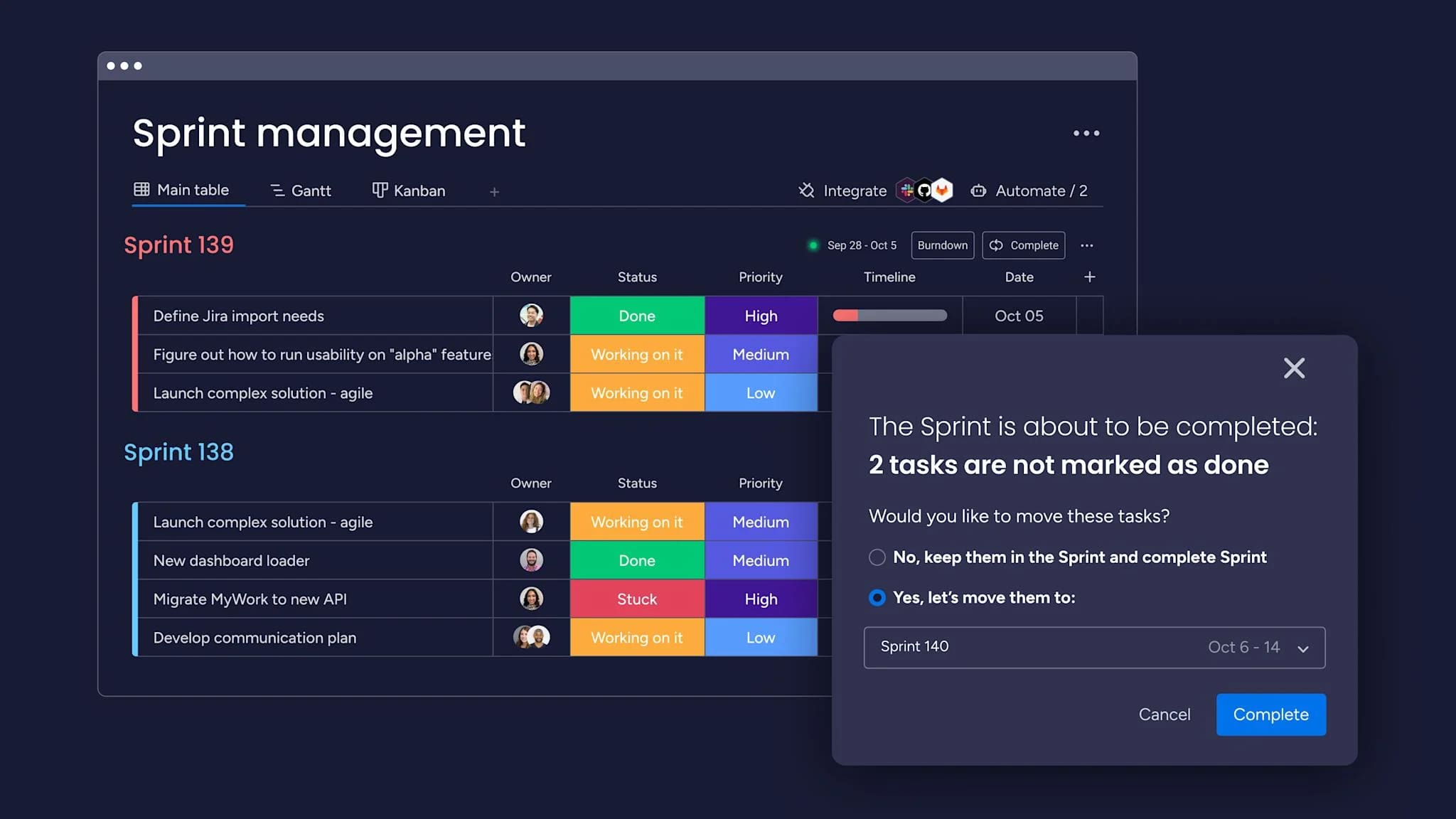
Today’s development plans have evolved beyond simple task lists. They now incorporate elements that address cloud architecture, distributed teams, and rapid delivery cycles.
5 key benefits of software development planning
Effective planning delivers measurable value for both leadership and development teams. Here’s how a well-structured plan pays off in real scenarios.
Connect engineering work to business outcomes
Development plans map every technical initiative to business objectives. This alignment ensures your team focuses on features that drive revenue, improve customer satisfaction, or strengthen market position.
When engineers understand how their work impacts the bottom line through effective product development, they make smarter trade-offs. Intelligent platforms like monday dev makes this connection visible through customizable dashboards that link technical progress to business metrics and product roadmap objectives.
Increase development predictability and speed
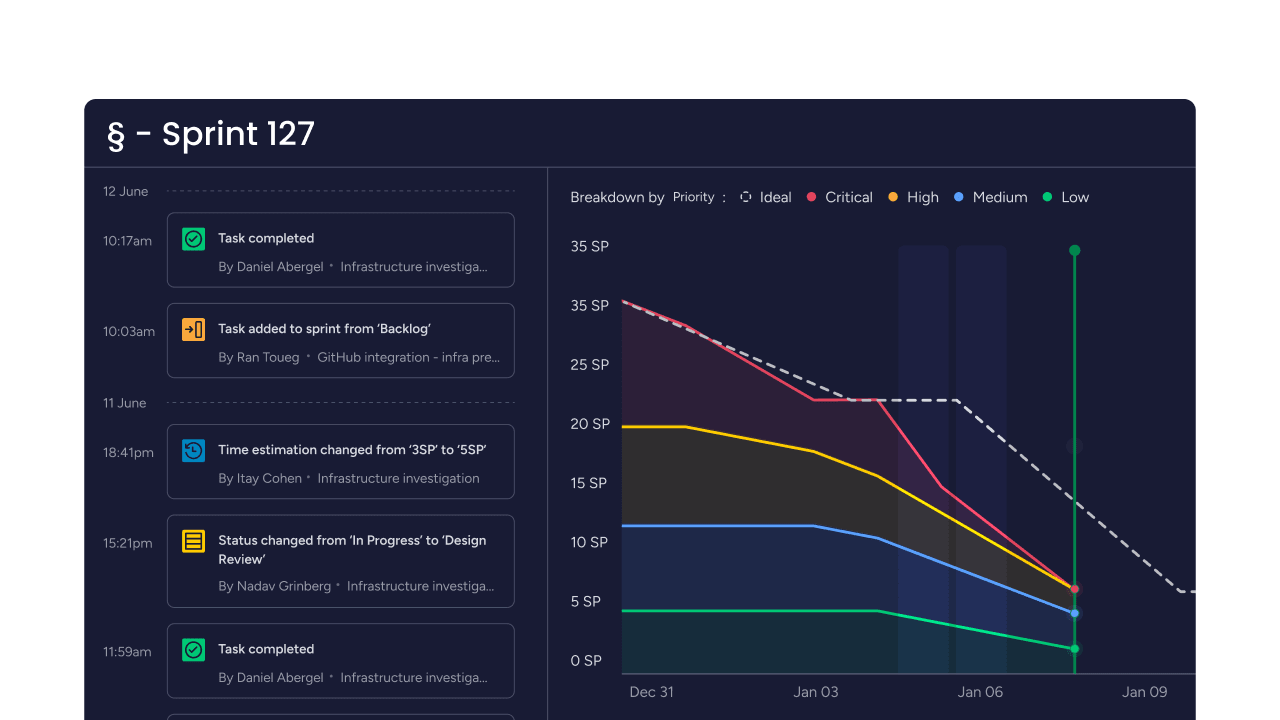
Structured planning enables accurate effort estimation and dependency identification. Breaking six-month projects into two-week sprints through effective sprint management allows rapid feedback and course correction.
Teams with clear plans adapt faster because they understand their capacity and critical path. In fact, organizations that effectively scale AI in software development report 16% to 30% improvements in team productivity and time-to-market when proper planning integrates AI capabilities into defined processes and roles.
Reduce project risks and technical debt
Upfront planning surfaces integration challenges, scalability issues, and security vulnerabilities early. You can allocate time for performance testing or plan for API changes before they become blockers.
Identifying risks early lets you build contingency plans and make informed decisions when issues arise.
Optimize team resources and budgets
Resource optimization starts with matching project needs to available skills. Senior engineers architect core modules while junior developers build features, maximizing everyone’s strengths.
Detailed planning prevents both overstaffing and underutilization. Features within intuitive platforms like monday dev, including resource management views, help balance workload and identify capacity constraints.
Enable seamless cross-team collaboration
Development plans create a single source of truth for engineering, product, and business teams. Real-time updates eliminate status meetings while transparent progress tracking keeps stakeholders informed.
When everyone works from the same plan, handoffs become smoother and decisions happen faster.
7 critical components of software development plans
Comprehensive plans rest on seven foundational components. Each element transforms vision into reality by providing structure and clarity throughout your project.
Project scope and success criteria
Clear scope statements define boundaries and prevent feature creep. Success criteria provide measurable outcomes like “reduce page load times by 40%” or “achieve 99.9% uptime.”
When stakeholders understand what’s included and what’s deferred, teams focus on delivering committed features without constant renegotiation.
Development team structure and roles
Organized teams maximize productivity through clear role definitions. Specify who’s responsible for frontend development, QA leadership, or DevOps engineering.
Clear roles eliminate confusion about ownership. Customizable boards within advanced platforms like monday dev let you assign responsibilities and visualize team structure to match your workflow.
Technical architecture and tool selection
Early architectural decisions determine scalability and maintainability. Choosing a cloud-native stack enables rapid scaling, while selecting platforms with robust APIs supports seamless integration.
Document these decisions and their rationale to create a technical foundation supporting both current needs and future growth.
Development schedule and sprint planning
Realistic timelines break large projects into manageable chunks. Agile teams use two-week sprints with defined deliverables. Traditional teams might use phase gates for requirements, design, build, and test stages.
Effective scheduling balances ambition with realism. monday dev’s timeline views help visualize schedules and identify conflicts as priorities shift.
Risk assessment and mitigation strategies
Proactive risk management identifies potential roadblocks before they derail delivery. Common risks and their mitigation strategies include:
- Integration risks: allow extra time for API changes and maintain fallback options.
- Scalability issues: conduct early load testing and design for modular scaling.
- Security vulnerabilities: implement regular audits and automated scanning.
- Resource constraints: cross-train team members and maintain backup resources.
- Changing requirements: build in buffer time and maintain a prioritized backlog.
Quality assurance and testing protocols
Comprehensive QA includes unit testing, integration testing, system testing, and user acceptance testing. Automated tests run with every build while manual testing covers edge cases.
Quality gates ensure only thoroughly tested features reach production. Clear acceptance criteria and automated test suites create a culture of quality.
Stakeholder communication framework
Different stakeholders need different information. Executives want high-level progress updates. Product managers need feature status. Engineers require technical details.
Regular updates through sprint reviews or weekly reports keep everyone informed. Customizable dashboards within advanced platforms like monday dev create tailored views for each audience without overwhelming anyone with irrelevant details.
Try monday dev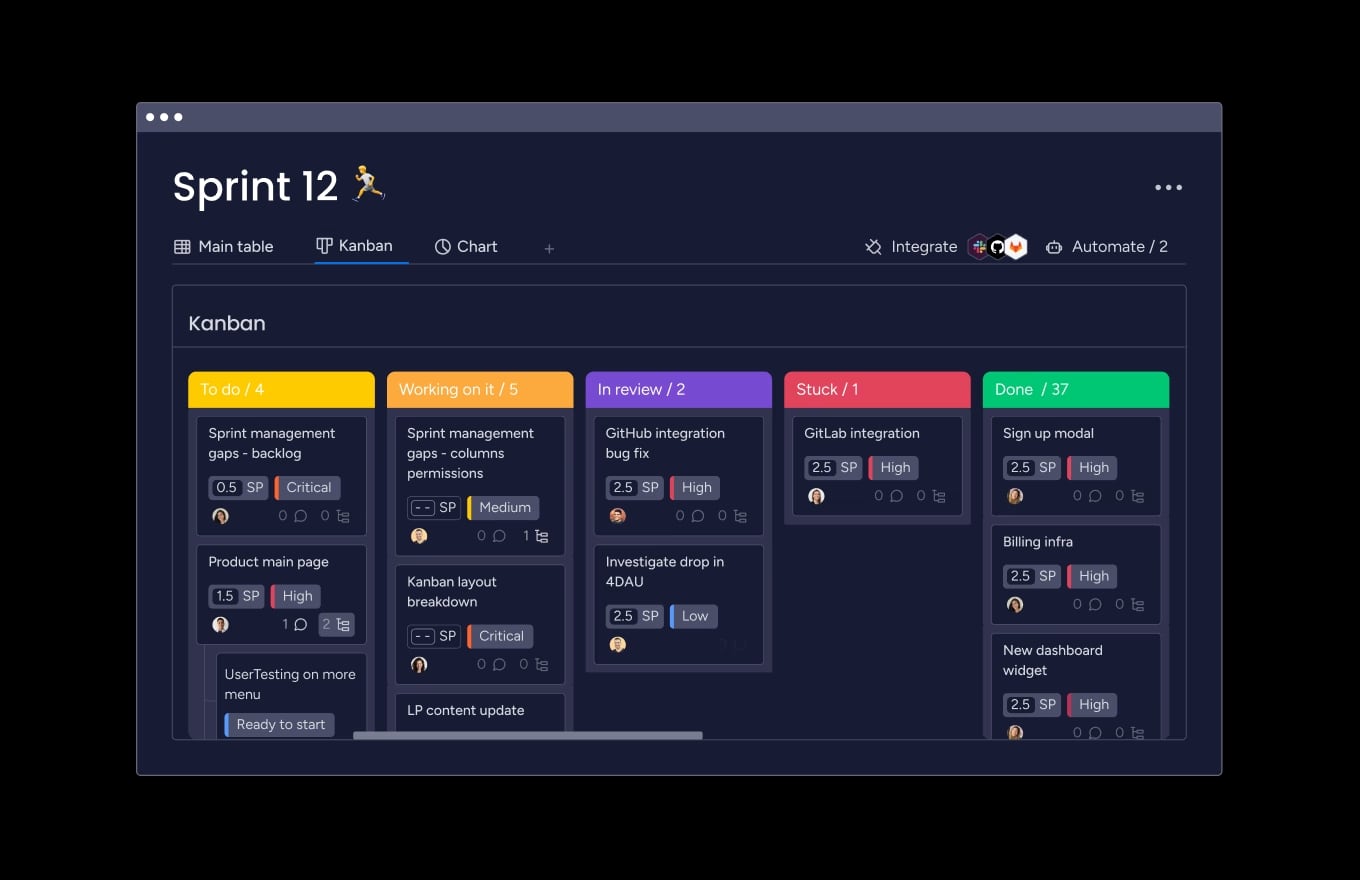
What to prepare before planning software development
Preparation prevents costly missteps by ensuring critical information is available and stakeholders are aligned. Here’s what to gather before you start planning.
Gather stakeholder requirements and expectations
Systematic interviews and workshops collect both functional and non-functional requirements. User stories and use case diagrams document stakeholder needs and priorities.
Requirements gathering isn’t one-time — it evolves as you learn more about user needs and technical constraints. monday dev’s customizable forms help collect and organize requirements from multiple stakeholders.
Assess current team capabilities and gaps
Skills matrices reveal strengths and areas needing development. Gap analysis shows where you need additional hiring, training, or outsourcing.
Understanding capabilities prevents overcommitment. Teams that accurately assess their skills make realistic commitments and identify where they need support.
Define technology stack and constraints
Evaluate existing infrastructure, preferred languages, and integration requirements. Legacy systems or compliance mandates will shape your technology choices.
Balance innovation with pragmatism. New technologies offer advantages but introduce learning curves and integration challenges.
Establish budget and timeline parameters
Budget categories include personnel, hardware, software, and contingency funds. Use work breakdown structures and historical data to set realistic deadlines.
Clear parameters help teams make informed trade-offs between scope, quality, and speed. They also provide ammunition to push back on unrealistic expectations.
Requirements gathering isn’t one-time — it evolves as you learn more about user needs and technical constraints. monday dev’s customizable forms help collect and organize requirements from multiple stakeholders.
How to create a software development plan in 7 steps
A systematic approach ensures you don’t overlook critical elements. Each step produces actionable deliverables that move your team from concept to execution.
Step 1: define clear project objectives and deliverables
Transform business requirements into specific, measurable goals. “Launch mobile app with payment integration by Q3” beats vague aspirations.
Clear objectives guide decisions about priorities and trade-offs. They should be specific enough to direct execution but flexible enough to accommodate learning.
Step 2: select your development methodology
Your choice between Agile, Waterfall, or hybrid approaches depends on team size, project complexity, and stakeholder preferences.
| Methodology | Best for | Flexibility | Documentation | Stakeholder involvement |
|---|---|---|---|---|
| Agile | Evolving projects | High | Light | Continuous |
| Waterfall | Fixed-scope projects | Low | Comprehensive | Milestone-based |
| Hybrid | Large, evolving projects | Medium | Balanced | Mixed |
monday dev supports all three through customizable workflows, letting teams work their way without forcing a one-size-fits-all approach.
Step 3: build your development team structure
Team organization reflects your methodology and project needs. Agile squads include product owners and scrum masters. Traditional teams feature project managers and specialized engineers.
Effective structures balance specialization with collaboration. monday dev’s boards help visualize structure and track responsibilities.
Step 4: create realistic timelines and milestones
Use story points or function point analysis to break projects into phases. Research shows that incomplete planning significantly increases project risk —only 3 of 11 federal legacy IT systems identified as most critical had documented plans containing all key elements, with incomplete plans heightening the likelihood of cost overruns and schedule delays. Milestones mark key achievements like “MVP release” or “security audit complete.”
Build in buffer time for unexpected changes. Teams with contingencies deliver more consistently than those with aggressive schedules.
Step 5: identify dependencies and risks
Map critical path items like third-party integrations or hardware procurement. Understanding relationships helps sequence work effectively.
Common dependencies to watch:
- Technical: external APIs or libraries.
- Resource: key personnel availability.
- Business: approval cycles or regulatory reviews.
Step 6: design quality assurance processes
Integrate QA throughout your lifecycle. Automated unit tests run on every commit. Manual testing covers usability and edge cases.
Quality isn’t just about finding bugs — it’s about building quality into your process through clear criteria and continuous feedback.
Step 7: establish progress monitoring systems
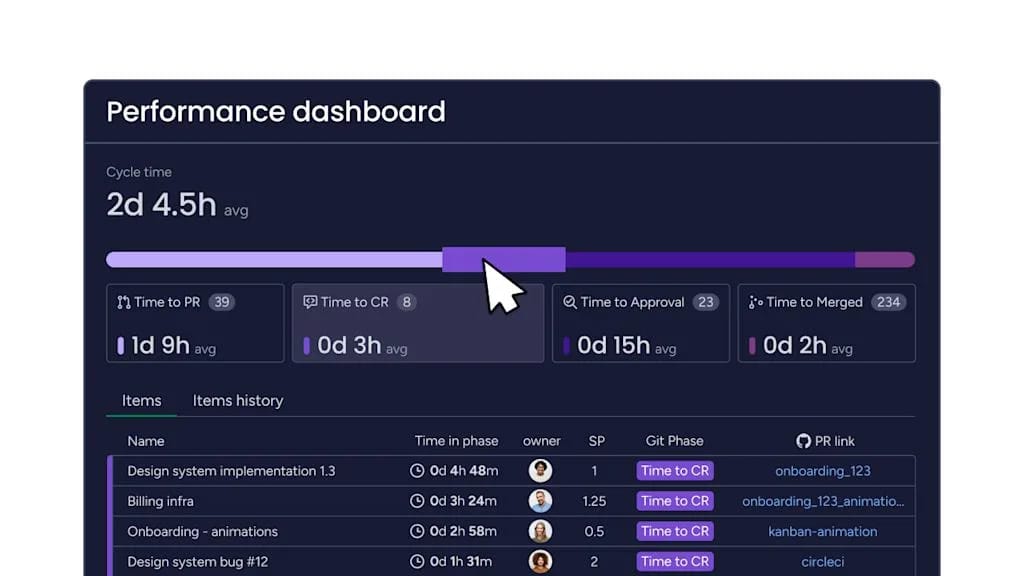
Use burndown charts, velocity metrics, and milestone dashboards for real-time visibility. monday dev automates reporting and centralizes updates, enabling proactive course correction.
Balance detail with clarity. You need enough information to spot issues early without drowning in data.
Software development plan templates and examples
Templates provide consistent starting points while avoiding reinventing the wheel. Different templates address unique needs of Agile, traditional, and hybrid teams.
Agile software development plan template
Agile templates emphasize flexibility and collaboration. They include sections for user stories, sprint planning, and retrospectives.
monday dev’s Agile templates include pre-built boards for sprint planning and backlog grooming, helping teams start quickly with their product plan.
Traditional software development plan sample
Waterfall templates feature detailed phase-gate planning and comprehensive documentation for traditional project management approaches.
These templates suit regulated industries where changes are costly and thorough planning is essential.
Hybrid development planning formats
Hybrid templates blend sprint-based execution with milestone reporting for flexible software project management.
monday dev’s customizable workflows support hybrid approaches, letting teams mix practices that fit their context.
Customizable templates for different team sizes
Template complexity should match team size:
- Small teams: streamlined templates with lightweight documentation.
- Medium teams (6-15): formalized roles and progress tracking.
- Large teams (15+): robust structures for cross-team coordination.
Choosing between Agile and Waterfall planning
Your choice between Agile and Waterfall shapes execution, risk management, and stakeholder engagement. Each excels in specific scenarios.
| Dimension | Agile planning | Waterfall planning |
|---|---|---|
| Flexibility | High — adapts to change | Low — fixed requirements |
| Documentation | Lightweight, evolving | Comprehensive, upfront |
| Stakeholder involvement | Continuous feedback | Periodic reviews |
| Risk management | Ongoing | Upfront identification |
| Timeline predictability | Moderate | High |
When Agile planning delivers results
Agile works when requirements evolve, teams need rapid feedback, or innovation drives competitive advantage.
Specific scenarios where Agile excels:
- Rapidly evolving requirements: frequent market changes benefit from iterative cycles.
- Cross-functional teams: collaborative teams thrive with continuous communication.
- Startups and innovation: test ideas quickly and minimize waste.
- Customer-facing applications: frequent updates align with user needs.
Advantages of traditional waterfall planning
Waterfall works when requirements are stable, compliance is critical, or sequential execution reduces risk.
Waterfall excels in:
- Regulated industries: healthcare and finance require comprehensive documentation.
- Fixed-scope projects: internal tools benefit from predictability.
- Large infrastructure: complex systems need sequential planning.
- Contractual work: strict contracts require upfront clarity,
Creating hybrid planning approaches
Hybrid planning combines Agile’s adaptability with waterfall’s predictability. Use Agile sprints for development while maintaining waterfall milestones for compliance in your project management approach.
Benefits include flexibility and stakeholder satisfaction. Challenges center on maintaining alignment between methodologies.
Adapting plans mid-project without losing momentum
Use change management processes like impact assessments to evaluate modifications. Common triggers include market shifts, technology updates, or resource changes.
Effective adaptation relies on transparent communication and clear escalation paths. monday dev’s flexible workflows allow real-time adjustments without disrupting application development execution.
AI-powered software development planning
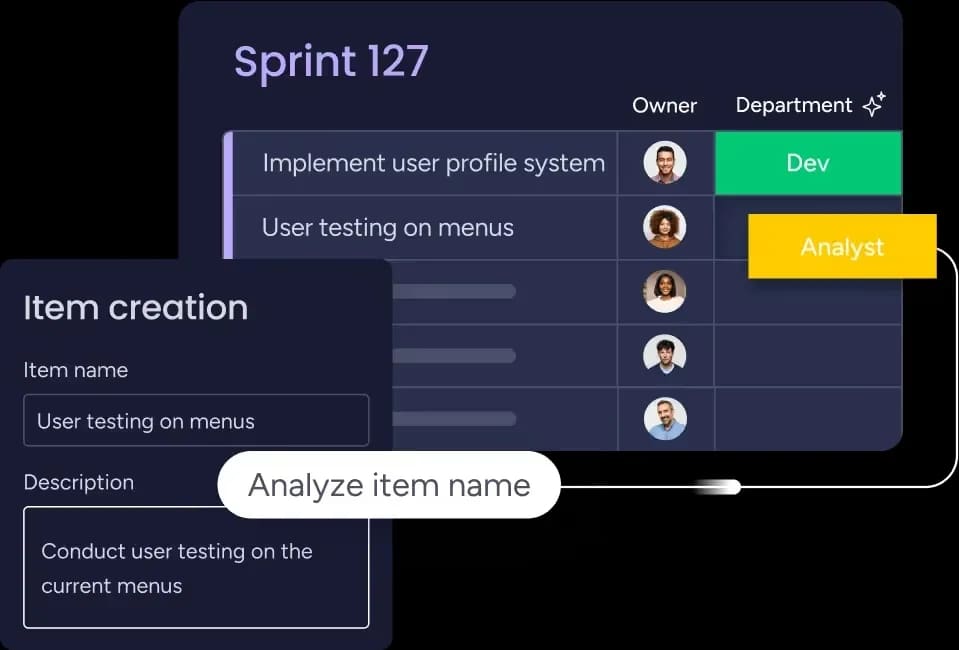
AI transforms planning by automating tasks, improving estimates, and identifying risks proactively. Teams leverage AI to optimize resources and adapt plans dynamically.
Automated sprint planning and resource allocation
AI analyzes team skills and workload to assign tasks optimally. This reduces planning time and ensures balanced sprint plans.
monday dev’s AI capabilities automate task assignment and categorize work items without manual intervention.
Predictive analytics for timeline accuracy
Machine learning models use historical data to generate accurate timeline estimates. This reduces missed deadlines and improves stakeholder confidence.
Teams leveraging predictive insights can adjust plans proactively, allocating buffer time where risks are highest.
Smart risk detection and prevention
AI scans project data for risk patterns like repeated delays. Early warnings allow proactive issue resolution.
Small issues get addressed before becoming major blockers, keeping projects on track.
Real-time plan optimization based on progress
Continuous monitoring enables dynamic plan adjustments. If critical tasks fall behind, AI reallocates resources to maintain objectives.
monday dev’s AI-powered workflows analyze progress and suggest adjustments, helping teams stay on track automatically.
10 software development planning practices
Proven practices help teams avoid pitfalls and achieve consistent results. Implementing these strategies builds accountability, adaptability, and continuous improvement.
1. Balance flexibility with structure
Provide clear guidance while allowing change. Sprint reviews offer checkpoints while flexible backlogs support adaptability.
2. Include all stakeholders early
Early engagement ensures complete requirements and aligned priorities. Stakeholder mapping prevents late-stage conflicts.
3. Build adaptability into your plan
Use scenario analysis and contingency buffers for quick pivots. Change management processes ensure smooth transitions.
4. Document decisions and changes
Decision logs create transparent records. This streamlines onboarding and supports future audits.
5. Track metrics that matter
Focus on actionable metrics:
- Velocity: team output per sprint.
- Lead time: idea to deployment duration.
- Defect rate: quality trends.
- Stakeholder satisfaction: ongoing feedback.
6. Regular plan reviews and updates
Schedule retrospectives and milestone assessments. Include stakeholder feedback and risk reassessment.
7. Clear escalation pathways
Define triggers for escalation like missed milestones. Communication protocols clarify resolution paths.
8. Version control for plan documents
Track changes and maintain audit trails. Naming conventions enhance transparency.
9. Integration with existing platforms
Connect planning with development and business systems to eliminate data silos and keep work flowing across tools.
10. Continuous improvement mindset
Retrospectives and feedback embed learning. Document lessons and update templates regularly.
Modern platforms for software development planning
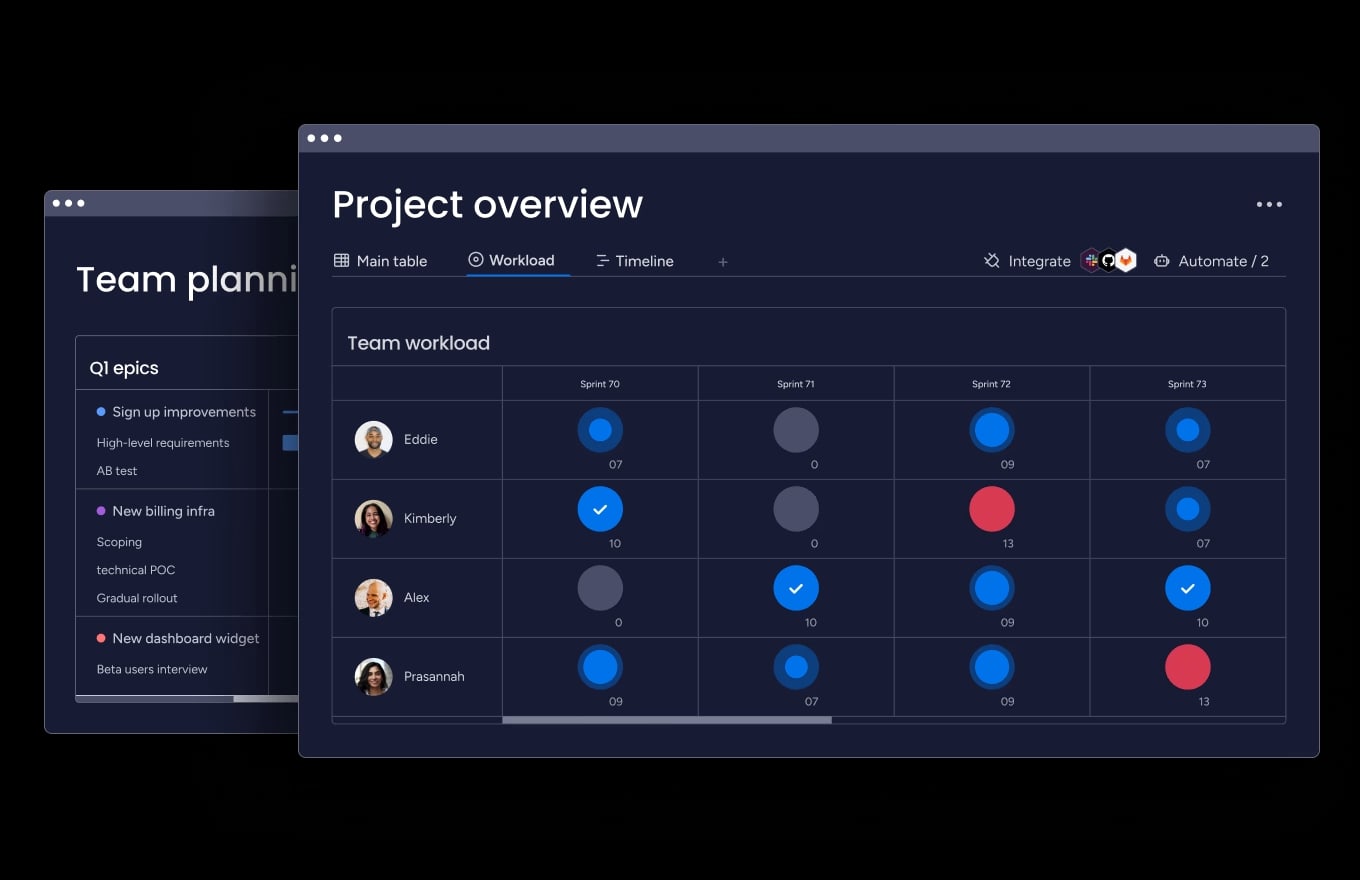
Evolution in planning platforms has reshaped team coordination and execution. Modern platforms increase transparency and automate routine tasks.
All-in-one development platforms
Integrated platforms combine planning, execution, and monitoring. Features include backlog management, sprint tracking, and automated workflows.
monday dev provides this unified experience through customizable workflows adapting to any product development methodology.
Real-time collaboration features
Support distributed teams with chat, file sharing, and collaborative editing. Comment threads and @mentions keep everyone engaged.
Real-time collaboration reduces delays. Teams discuss issues and make decisions without waiting for meetings.
Automated progress tracking
Automation updates task statuses and generates reports. Teams focus on high-value work instead of administrative tasks.
Cross-functional dashboards
Customizable dashboards present tailored data for different audiences. Executives see summaries while engineers get detailed task information.
Integration capabilities
APIs and connectors enable integration with code repositories and business systems. Information flows automatically between platforms.
Transform your development planning with monday dev
monday dev turns planning from a static document into a living system your team can actually rely on. Instead of juggling tools, updates, and spreadsheets, teams get a clear, shared view of how work moves from idea to release.
It gives development teams the confidence to move faster, adapt sooner, and stay aligned as priorities evolve.
The platform helps teams by:
-
Adapting to how your team works: support Agile, waterfall, or hybrid approaches with workflows that fit your delivery style.
-
Making progress visible at all times: real-time dashboards replace status meetings with shared clarity.
-
Linking engineering work to real outcomes: connect technical tasks directly to product goals and business priorities.
-
Removing friction from planning and coordination: automation handles repetitive work so teams stay focused on building.
If you want to plan with clarity, adapt without chaos, and ship with confidence, now is the time to see how monday dev works in practice.
Try monday devFrequently asked questions
What is the 40 20 40 rule in software engineering?
The forty-twenty-forty rule in software engineering allocates 40% of time to planning and design, 20% to coding, and 40% to testing and deployment. This ensures balanced focus across all project phases rather than rushing to code.
How often should you update a software development plan?
You should update a software development plan at the start of each sprint for Agile teams or at major milestones for traditional projects. Regular updates keep plans relevant as requirements and priorities evolve.
What's the difference between a development plan and a product roadmap?
A development plan details technical execution, resources, and processes for building software. A product roadmap outlines high-level vision, goals, and release schedules from a business perspective.
Who should own the software development plan?
The development lead or project manager typically owns the software development plan. They maintain, update, and communicate the plan to all stakeholders while ensuring it reflects current project reality.
Can you use the same plan template for different projects?
You can reuse plan templates across projects as a starting point. However, customize each plan to reflect specific requirements, team structure, and constraints of the new project.
How detailed should a software development plan be?
A software development plan should match project size and complexity. Include enough detail for clear execution without overwhelming the team with unnecessary documentation that slows progress.

 Get started