



Many engineering teams feel like they are constantly putting out fires. They jump from one urgent request to the next, leaving important system improvements and technical debt on the back burner. This reactive cycle makes it difficult to deliver on strategic goals and build for the future.
An effective engineering roadmap provides the structure to move from reactive work to strategic execution. It acts as a high level guide, aligning technical initiatives with business goals and making it clear what the team is working on and why. This clarity empowers teams to protect their time for high impact projects.
This guide walks through how to build and manage a roadmap that drives results. It covers the key components of a strong plan, a step by step process for creating one, and strategies for balancing new features with technical debt. It also explores how to communicate roadmaps effectively to leadership and adapt them for modern development workflows.
Key takeaways
- Engineering roadmaps balance technical work with business goals: by connecting system improvements to customer outcomes. Focus on strategic initiatives over 6-18 months, not daily tasks.
- Successful roadmaps require clear prioritization: between new features and technical debt using data-driven frameworks. Allocate resources based on business impact and technical risk.
- Real-time collaboration replaces static planning: when you connect your roadmap to development tools. Platforms like monday dev enable automated progress tracking and seamless integration, with custom workflows that adapt to your team’s unique process.
- Effective communication translates technical work into business value: for different audiences. Create executive dashboards, team views, and status reports that speak each stakeholder’s language.
- Modern roadmaps stay flexible through rolling wave planning: and continuous updates every two to four weeks. Balance structure with agility to respond quickly to changing priorities.
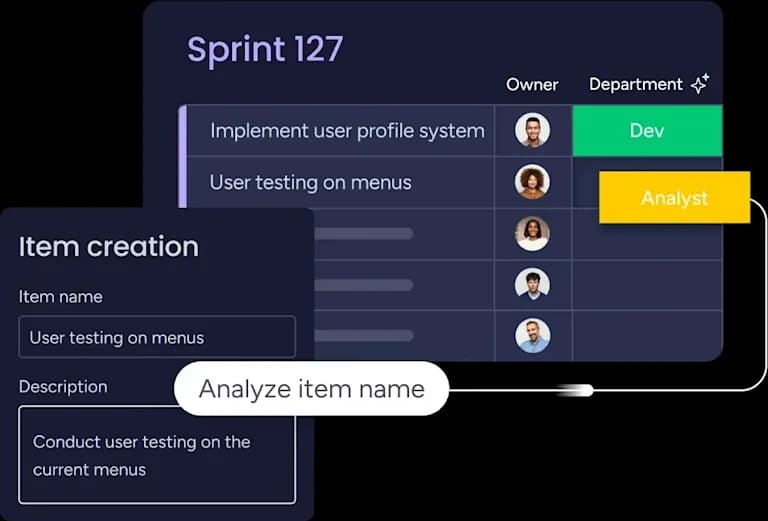
What is an engineering roadmap?
An engineering roadmap is a strategic planning document that outlines the technical work your organization needs to accomplish and establishes clear timelines for execution. It provides a comprehensive view of major technical initiatives, system improvements, and infrastructure changes planned over the next six to 18 months, serving as a bridge between high-level business objectives and day-to-day development activities.
Consider it your team’s technical strategy visualized on a timeline. While project plans break down individual initiatives into granular tasks and daily activities, engineering roadmaps maintain focus on the broader strategic picture.
They communicate which systems your team will build or modernize, which areas of technical debt require attention and remediation, how your infrastructure will evolve to support business growth, and the sequence in which these initiatives will unfold.
This strategic perspective enables engineering leaders to align technical investments with business priorities while providing development teams with the context they need to make informed decisions.
Engineering roadmap vs product roadmap
Engineering and product roadmaps work together but serve different purposes. Understanding these differences helps teams create roadmaps that complement rather than compete.
Product roadmaps focus on what customers will see and experience. They highlight new features, user interface improvements, and market-facing capabilities. In contrast, engineering roadmaps focus on the technical foundation that makes those features possible.
The following distinctions illustrate how these roadmaps differ in practice:
- Audience: engineering roadmaps speak to CTOs, architects, and developers who need technical details. Product roadmaps communicate with sales, marketing, and customers who care about business value.
- Timeline: engineering roadmaps typically span 6-18 months to account for complex technical work. Product roadmaps often cover three to twelve months, aligning with market cycles.
- Success metrics: engineering tracks system uptime, deployment frequency, and technical debt reduction. Product measures feature adoption and customer satisfaction.
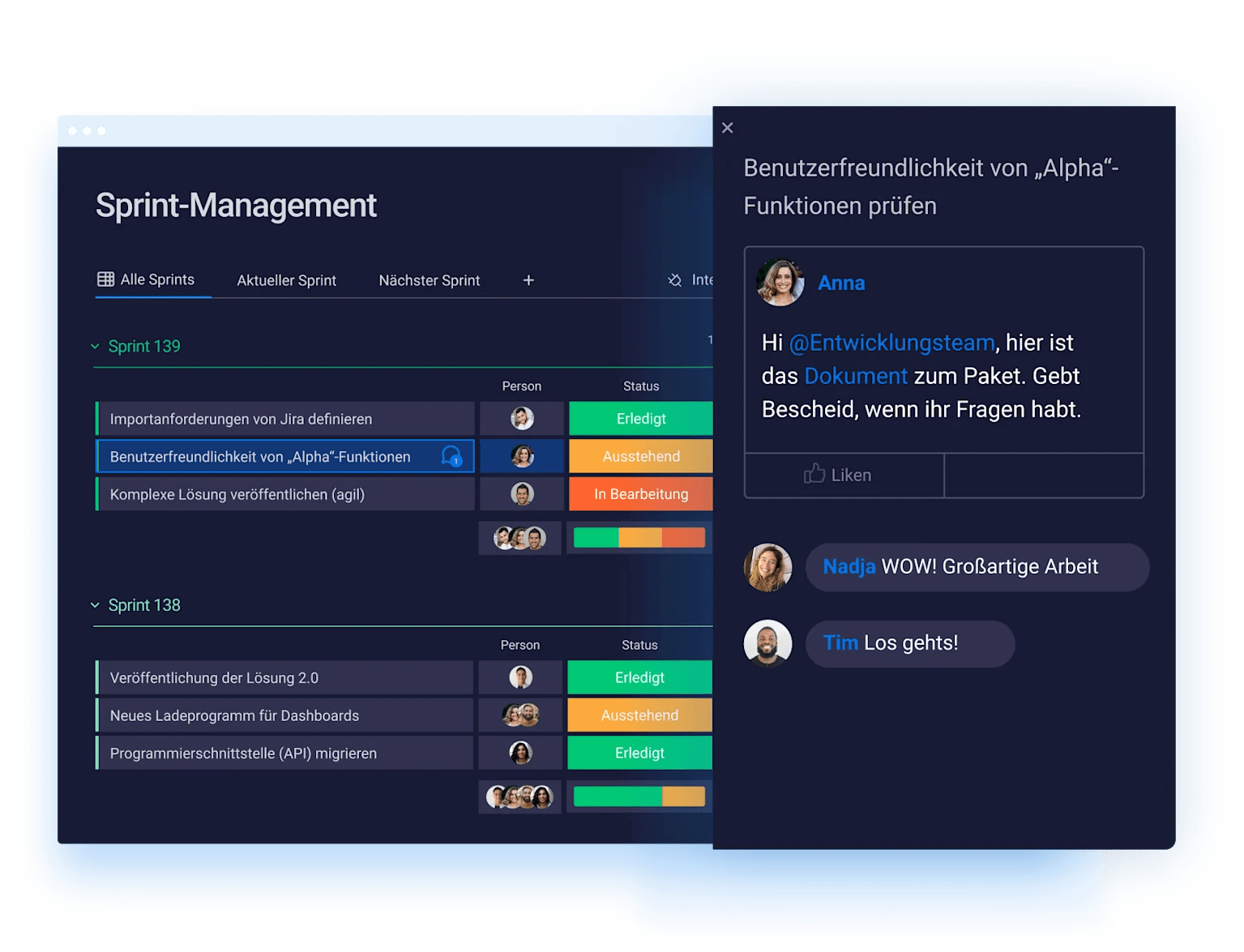
When do engineering teams need a roadmap?
You need an engineering roadmap when coordination becomes critical to success. This happens when your team grows beyond a handful of developers or when technical decisions have long-term consequences.
Without a roadmap, engineering work feels reactive. Teams jump between urgent requests while technical debt piles up. Strategic initiatives get pushed aside for quick fixes. In fact, a recent McKinsey report found that only one-third of global business leaders feel confident in their organization’s ability to manage strategic changes, highlighting the critical need for structured planning frameworks.
A roadmap provides structure to balance competing demands:
- Visibility: everyone can see what engineering is working on and why.
- Alignment: product managers understand when technical dependencies might affect features.
- Protection: teams can say no to requests that don’t align with strategic goals.
Key components of engineering roadmaps
Every effective engineering roadmap contains five essential elements that create clarity and accountability. These components ensure your technical work connects directly to business outcomes and that everyone understands the plan.
- Strategic goals and business alignment: your roadmap must connect technical work to business outcomes. Show how reducing system latency improves customer satisfaction. Explain how modernizing your tech stack enables new revenue streams.
- Epics and technical milestones: break large initiatives into epics that span multiple quarters. A complete API redesign might include milestones for design completion, first endpoint launch, and full migration.
- Dependencies and risk factors: make technical dependencies visible. If System A must be upgraded before System B can be modernized, show that relationship clearly. Surface risks like outdated frameworks or single points of failure.
- Resource allocation and capacity: account for real team capacity. Consider vacation time, on-call rotations, and support work that reduces available development hours. Realistic planning prevents burnout and missed deadlines.
- Success metrics and KPIs: define measurable outcomes for technical work. Track deployment frequency, mean time to recovery, and technical debt ratios. These engineering metrics demonstrate engineering value in concrete terms.

"monday dev empowered us to optimize our GTM approach, resulting in faster, more dependable deliveries"
Steven Hamrell | Director of Product Management
"monday dev empowers us to manage the entire development process on one platform so we can speed up product delivery and improve customer satisfaction"
Mitchel Hudson | Head of Technology
"We're operating in an open, deep trusting, transparent environment with no silos of information. It's about completely opening access to everyone who needs it."
Alan Schmoll | Executive Vice President, Vistra Platform7 steps to create an engineering roadmap
Creating an engineering roadmap requires systematic planning. Follow these steps to build a roadmap that balances technical needs with business priorities.
Step 1: define strategic engineering goals
Start with high-level technical objectives that support business strategy. Your goals might include improving system reliability, reducing operational costs, or enabling faster feature delivery. Validate these goals with stakeholders. Make sure everyone agrees on what success looks like before moving forward.
Step 2: gather requirements from stakeholders
Next, interview product managers, support teams, and technical leadership. Ask specific questions to uncover both explicit and hidden technical needs:
- Technical limitations: what current constraints are blocking your business goals?
- Customer pain points: which customer issues can be traced back to technical problems?
- Operational risk: what systems are creating the most risk for your operations?
Step 3: map technical dependencies
Identify which initiatives depend on others. Create a visual map showing these relationships. This reveals the optimal sequence for technical work and highlights potential bottlenecks.
Step 4: prioritize initiatives and features
Score each initiative based on business impact, technical effort, and strategic alignment. Make trade-offs transparent. If you choose technical debt over new features, explain why. Advanced solutions like monday dev help teams make these decisions with data-driven insights and customizable scoring frameworks.
Step 5: build timeline with milestones
Create realistic timelines that account for complexity. Break initiatives into quarterly milestones with specific deliverables. Include buffer time — technical work rarely goes exactly as planned.
Step 6: assign teams and resources
After that, match initiatives to team skills. Consider who has the expertise for each project. Address cross-team coordination early to prevent conflicts later.
Step 7: visualize your roadmap
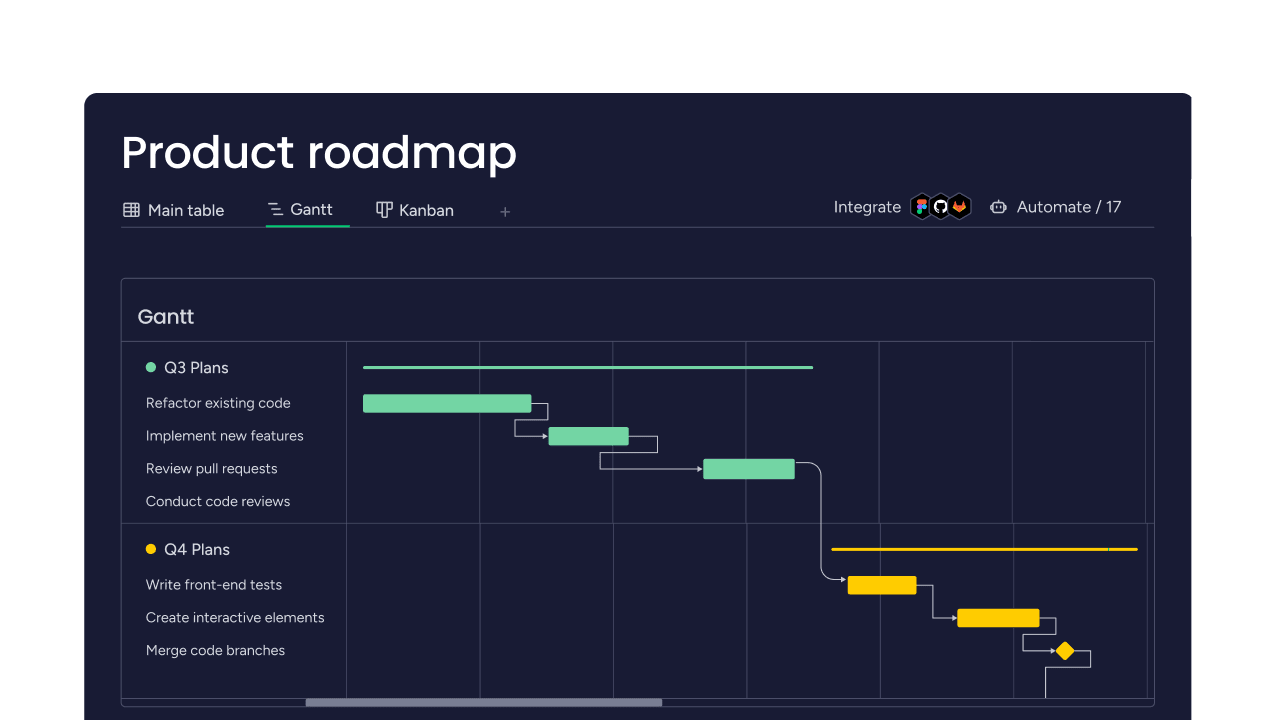
Finally, choose visualization that fits your audience. Use Gantt charts for detailed planning, swimlanes for team coordination, and simple timelines for executive updates.
Engineering roadmap software and templates
The right platform turns your roadmap from a static document into a dynamic, collaborative planning workspace. When choosing roadmap software, consider how it can keep your team aligned, track progress automatically, and adapt as priorities change.
Spreadsheets vs roadmap software
Spreadsheets seem simple but quickly become limiting. They lack real-time collaboration, require manual updates, and offer basic visualization.
- Automated updates: pull progress data from development tools automatically.
- Advanced visualization: Gantt charts, dependency mapping, and custom views.
- Team collaboration: simultaneous editing, commenting, and notifications.
Essential features for engineering teams
Look for platforms that support your technical workflow. Key features include dependency mapping, capacity planning tools, and integration with development platforms.
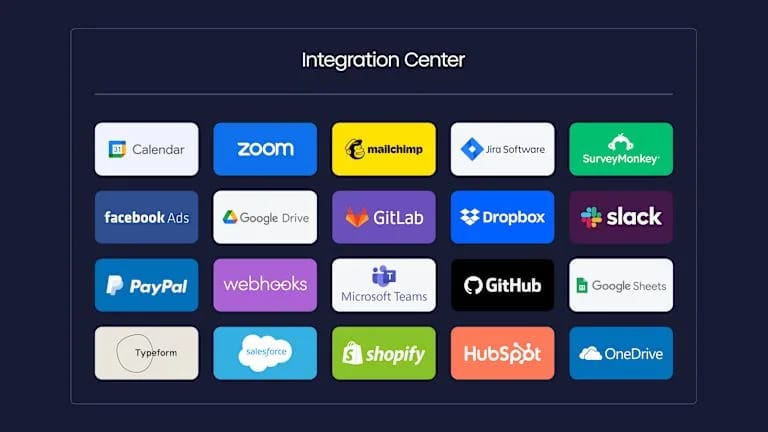
Modern platforms like monday dev connect with GitHub, GitLab, and CI/CD pipelines to keep roadmaps synchronized with actual development progress.
Integration with development workflows
Your roadmap platform should fit seamlessly into existing workflows. Native integrations reduce manual updates and improve accuracy. API access enables custom connections for unique needs.
Prioritizing technical debt vs new features
Every engineering team faces this tension. How do you balance building new capabilities with maintaining existing systems?
Assessing technical debt impact
Measure technical debt through concrete metrics. Track build times, deployment frequency, and bug rates. Show how debt slows feature development and frustrates developers.
Balancing new features with system maintenance
Consider these proven strategies for managing the balance:
- 70/30 rule: allocate 70% to new work, 30% to debt reduction.
- Debt sprints: dedicate specific sprints to technical improvements.
- Continuous approach: address small amounts of debt in every sprint.
Creating a data-driven priority framework
Build a scoring system that compares technical debt and features objectively. Consider business impact, technical risk, and strategic alignment for each item.
Adapting roadmaps for Agile and hybrid teams
Modern engineering teams operate in an environment where strategic direction and tactical flexibility must coexist in productive tension. The challenge lies not simply in creating roadmaps, but in architecting planning frameworks that maintain strategic coherence while accommodating the iterative, adaptive nature of Agile methodologies.
The following approaches show how to reconcile long-term technical vision with sprint-level agility.
Combining Agile with traditional planning
Use rolling wave planning to balance structure with adaptability:
- Near-term (one to two sprints): detailed task planning.
- Mid-term (one to two quarters): milestone-level planning.
- Long-term (six to twelve months): strategic direction only.
Custom workflows for your process
Adapt roadmap processes to your team structure. Scrum teams might update roadmaps each sprint, while Kanban teams might prefer continuous updates. Find what works for your rhythm.
Maintaining flexibility with accountability
Communicate confidence levels clearly. Mark near-term items as committed, mid-term as planned, and long-term as proposed. This sets appropriate expectations while preserving agility.
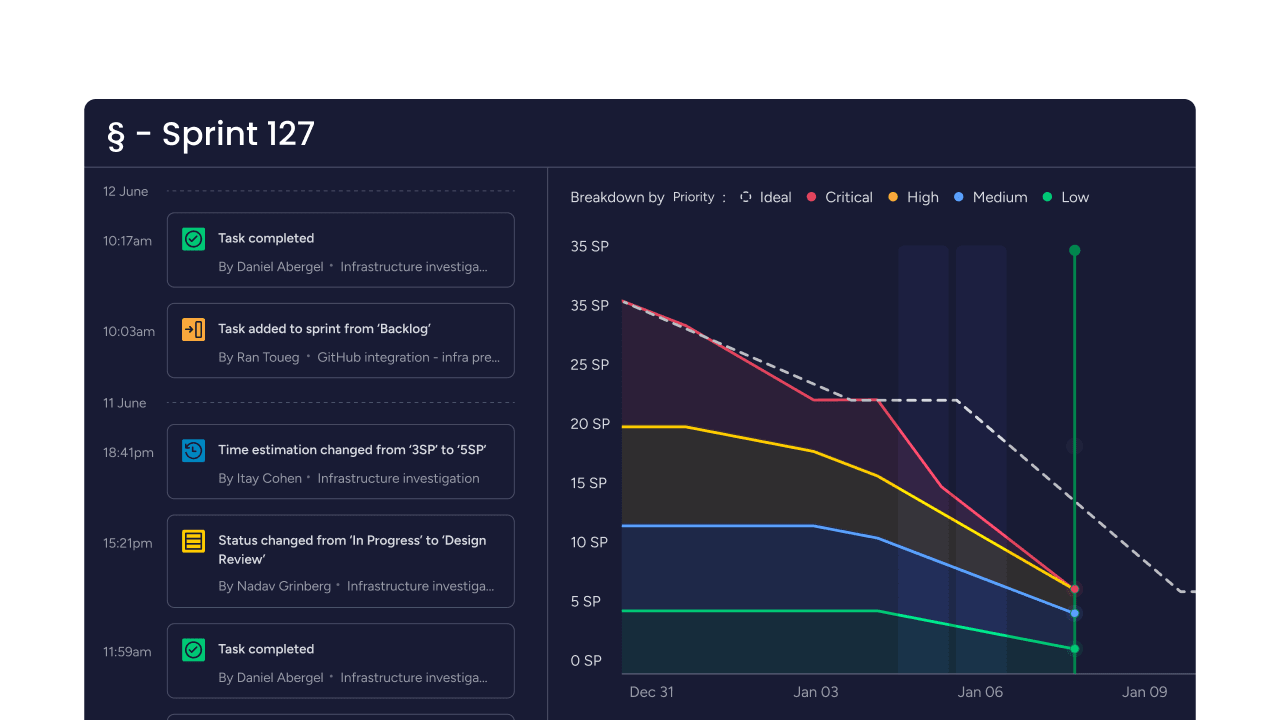
AI-powered engineering roadmap planning
Artificial intelligence turns roadmap planning from guesswork into data-driven decision-making. The following illustrates how AI can enhance engineering roadmaps.
Predictive capacity analytics
AI analyzes your team’s historical data to forecast future capacity. Machine learning models identify patterns in velocity, complexity, and seasonal variations. Leading organizations are seeing significant results from AI adoption, with companies like Palantir Technologies reporting a 93% year-over-year increase in commercial revenue from AI-powered enterprise solutions that support dynamic planning and real-time management.
Automated priority recommendations
AI synthesizes multiple data sources to suggest optimal sequencing. It identifies bottlenecks, recommends team assignments, and flags delivery risks before they materialize.
Real-time progress intelligence
AI monitors development activity continuously. It tracks progress across version control, CI/CD pipelines, and project management platforms. AI capabilities provided by solutions like monday dev deliver these insights automatically, eliminating manual status tracking.
Learn more: AI engineering software
Communicating engineering roadmaps to leadership
Technical roadmaps fail when stakeholders don’t understand their value. Effective communication bridges this gap.
Translating technical work for business impact
Connect every technical initiative to business outcomes. Don’t just say you’re refactoring code, but explain how it enables faster feature delivery. Show how infrastructure improvements reduce operational costs.
Visual storytelling for stakeholders
Create different views for different audiences:
- Executive dashboards: high-level progress and business impact.
- Team views: detailed technical timelines and dependencies.
- Status reports: color-coded indicators for quick scanning.
Building trust through transparency
Share both progress and problems openly. When technical risks emerge, communicate them early. This transparency builds credibility and secures support when you need resources.
Scaling engineering roadmaps across teams
As your engineering organization scales, roadmap complexity multiplies. Success requires both process improvements and technology solutions:
- Managing cross-team dependencies: create dependency matrices showing relationships between teams. Schedule regular sync meetings to discuss upcoming work. Document dependencies clearly to prevent surprises.
- Portfolio-level engineering planning: coordinate multiple team roadmaps into a unified portfolio view. This reveals competing priorities and resource conflicts before they impact delivery.
- Enterprise governance without bottlenecks: implement lightweight governance that maintains oversight without slowing teams. Use automated approval workflows and clear escalation paths. Solutions like monday dev provide enterprise features that balance control with agility.
Real-time engineering roadmap management
Static roadmaps can’t keep pace with modern development. Real-time roadmaps adapt continuously to changing conditions. High-performing organizations are leveraging AI tools to monitor regulatory changes and policy shifts in real time, integrating advanced analytics into strategic planning and resource allocation for technical initiatives.
Real-time roadmap management transforms how engineering teams plan and execute:
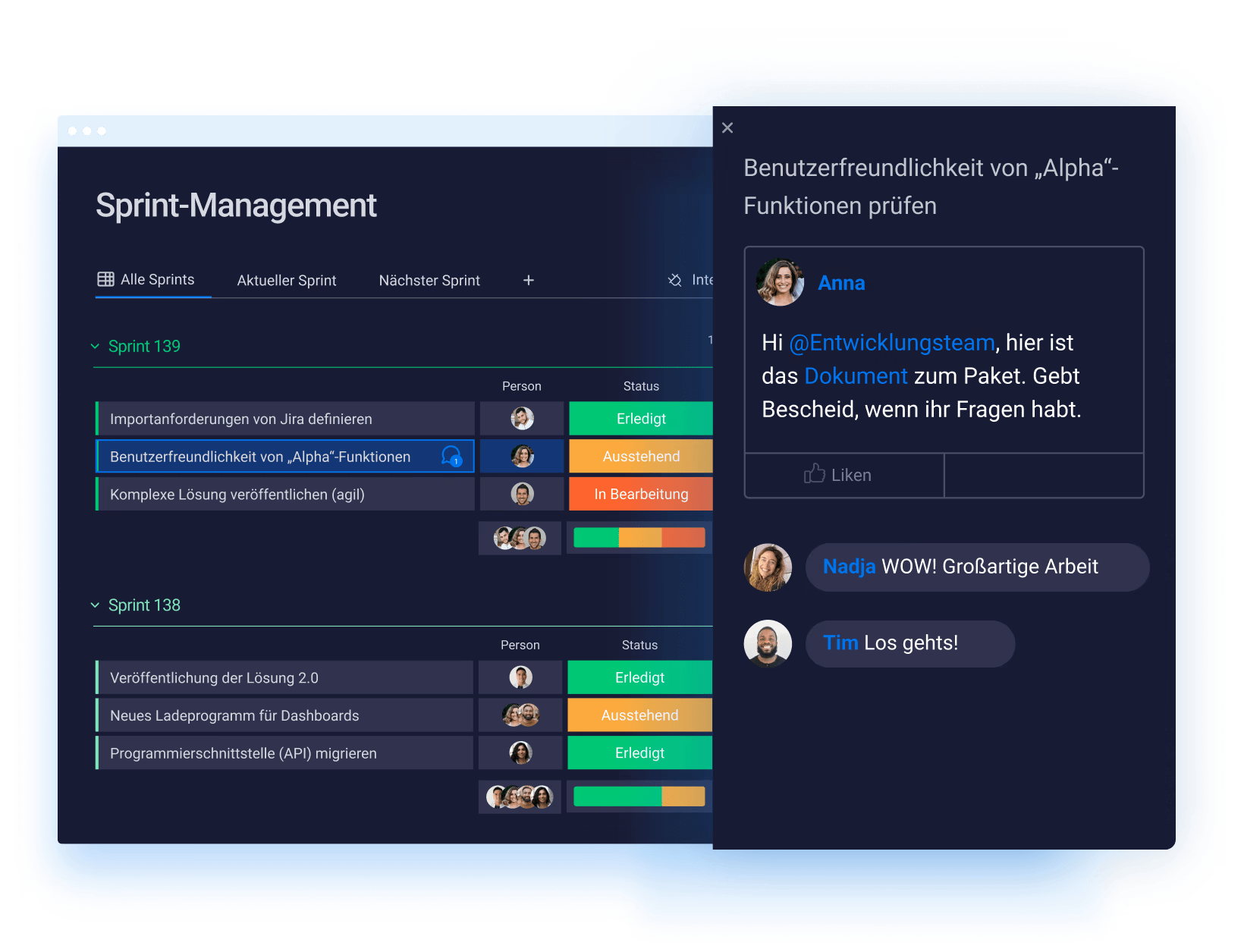
- Moving from static to real-time planning: replace quarterly updates with continuous planning. Real-time roadmaps automatically adjust as work progresses and new information emerges.
- Live collaboration across departments: enable seamless collaboration between engineering, product, and business teams. Product managers can adjust priorities based on technical feedback. Sales teams see accurate delivery timelines.
- Automated updates and notifications: connect your roadmap to development platforms for automatic progress tracking. Configure smart alerts for milestone completion, blocked dependencies, or capacity issues.
Engineering planning with monday dev
Engineering teams face real roadmap planning challenges. Built specifically for technical teams, monday dev is a product roadmap tool that provides flexibility without sacrificing structure.
- Customize workflows and views: create fields for technical specifications, story points, and sprint assignments. Configure processes for Scrum, Kanban, or hybrid teams, and choose from Gantt charts, swimlanes, Kanban boards, or executive dashboards with real-time updates.
- Align technical work with business strategy: use built-in integrations to connect GitHub, GitLab, Bitbucket, and Jira. Sync code commits, pull requests, and deployment status automatically, while tracking OKRs alongside metrics like deployment frequency, lead time, and change failure rate.
- Scale without losing agility: automate progress tracking with two-way sync between roadmaps and development tools. Visualize dependencies and receive automated alerts when blockers emerge.
- Leverage AI-powered planning: analyze historical velocity for realistic capacity allocation and forecast sprint outcomes. Access pre-built templates for roadmap planning, sprint management, and release tracking to get started quickly.
The content in this article is provided for informational purposes only and, to the best of monday.com’s knowledge, the information provided in this article is accurate and up-to-date at the time of publication. That said, monday.com encourages readers to verify all information directly.
Frequently asked questions
How often should engineering roadmaps be updated?
Engineering roadmaps should be reviewed and updated every two to four weeks to reflect development progress and changing priorities. More frequent updates may be necessary during rapid change or when managing complex dependencies.
What is the ideal timeline for an engineering roadmap?
The ideal timeline for an engineering roadmap spans six to 18 months, with detailed planning for the next one to two quarters and high-level strategic planning for longer initiatives. Your specific timeline depends on development cycles, business planning horizons, and your product development process.
How do you handle shifting priorities in engineering roadmaps?
Handling shifting priorities requires clear communication about impacts and trade-offs before making changes. Consider technical dependencies and resource constraints to minimize disruption to ongoing work.
Can one roadmap work for different stakeholder groups?
Yes, one engineering roadmap can serve different groups by providing multiple views. Create executive summaries for leadership, technical details for engineers, and milestone views for product managers.
What is the difference between an engineering roadmap and a project plan?
An engineering roadmap provides strategic direction across multiple initiatives over six to 18 months. A project plan details specific tasks and deliverables for individual projects over weeks or months.
How do you measure engineering roadmap success?
Measure engineering roadmap success through milestone completion rates, stakeholder satisfaction, and business impact of delivered initiatives. Track on-time delivery, technical debt reduction, and system performance improvements.

 Get started