

Teams often launch projects with high energy, only to find progress derailed by misaligned expectations. When one member works late while another assumes a task isn’t urgent, the friction is rarely a personality clash. These disconnects occur because teams operate without explicit agreements on how work actually gets done.
A working agreement template provides the structural foundation to resolve these differences before they impact your results. By co-creating specific commitments for response times and decision rights, teams transform unspoken assumptions into a unified operating manual. This collaborative approach fosters ownership and ensures every stakeholder remains aligned with core objectives.
In this article, you will learn the seven essential components of a successful working agreement, from communication protocols to decision-making frameworks. We also provide a 5-step guide to building your own agreement collaboratively, ensuring your team moves from vague expectations to high-performance execution.
Key takeaways
- Create agreements collaboratively, not top-down: Involve every team member in building the working agreement to ensure buy-in and psychological ownership that actually changes behavior.
- Focus on seven essential components: Cover team purpose, communication protocols, meeting guidelines, decision-making frameworks, work hours, technology usage, and conflict resolution for comprehensive collaboration.
- Make agreements actionable, not abstract: Replace vague terms like “respond quickly” with specific commitments like “respond to internal messages within 24 hours” to eliminate guesswork.
- Build living documents that evolve: Schedule quarterly reviews and update agreements when team composition changes, processes break down, or strategic priorities shift to keep norms relevant.
- Transform static documents into active workflows: Solutions like monday work management embeds agreement components directly into daily work through automated alerts, shared calendars, and project templates that enforce norms naturally.
What is a working agreement template?
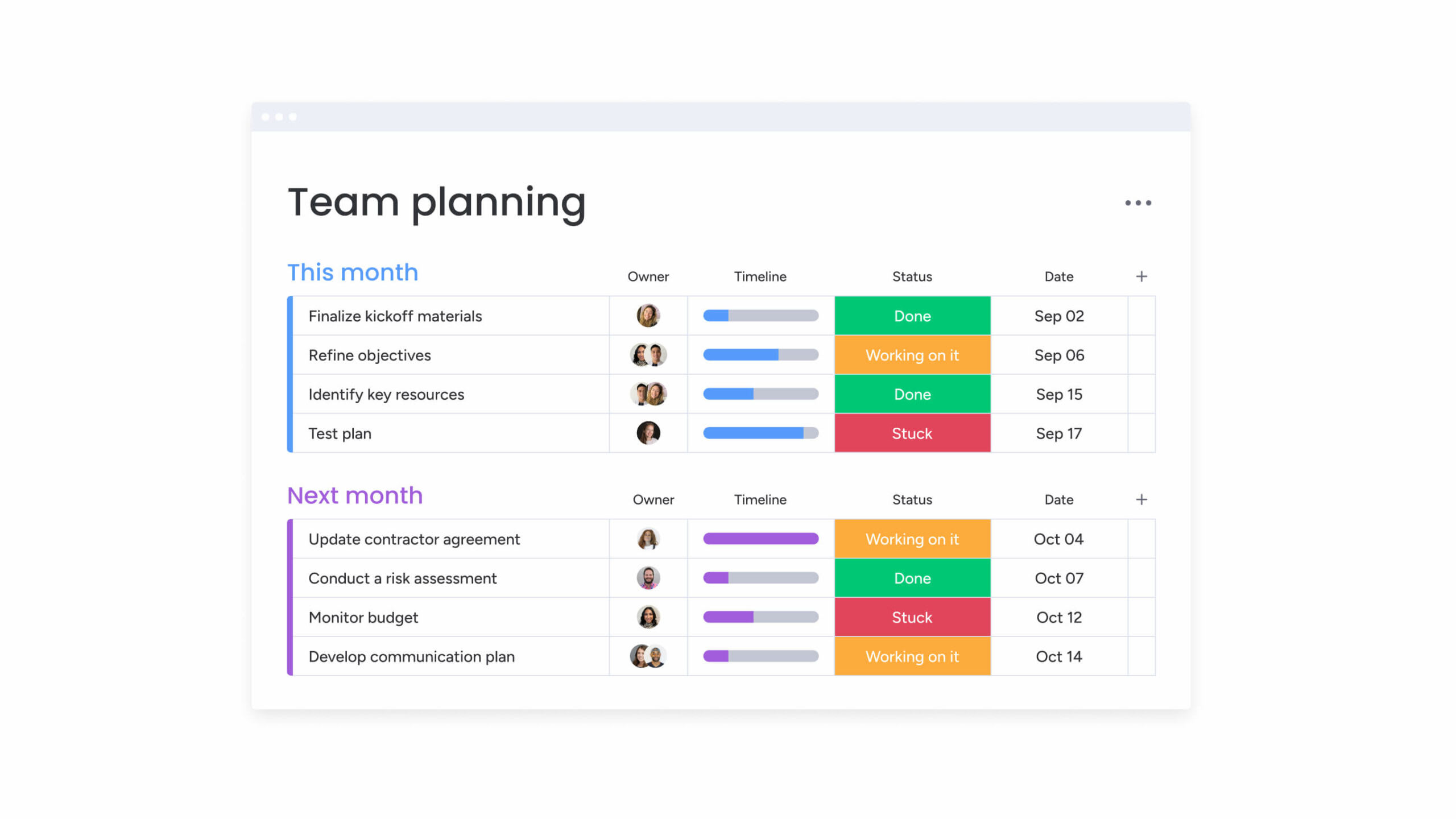
A working agreement template helps teams establish how they’ll collaborate, communicate, and deliver work together. Unlike top-down employee handbooks focused on compliance, working agreements are collaborative documents created by the team, for the team.
They transform unspoken assumptions into explicit expectations, moving from vague ideas like “we respond to messages quickly” to specific commitments like “we respond to internal messages within 24 hours.” customize templates
Working agreements bridge the gap between organizational strategy and daily execution. They address the practical realities of how work actually gets done:
- Decision-making: Who makes decisions.
- Meeting schedules: When meetings happen.
- Communication channels: Which channels to use for different types of communication.
- Conflict handling: How to handle conflicts when they arise.
Working agreements reduce friction before it happens. When everyone knows the rules of engagement, teams spend less energy navigating interpersonal dynamics and more time focused on delivering results — especially critical as 79% of operating-model redesigns that codify collaboration norms and decision rights now meet their objectives and improve performance.
Why every team needs a working agreement template
Complex organizations struggle when expectations aren’t aligned. One person expects immediate Slack responses while another prioritizes deep work. Marketing assumes they have decision rights on campaign messaging while sales believes they should have final say. These mismatches create friction that slows everything down.
A working agreement template provides the structure to surface and resolve these differences before they become problems. The value goes far beyond documentation. It creates infrastructure that accelerates onboarding, prevents conflict, and enables consistency across departments.
Key benefits of using a working agreement template include:
- Faster onboarding: New team members understand communication styles, decision hierarchies, and meeting norms from day one instead of spending weeks decoding unwritten rules — particularly important given that 18% of new hires leave during their probationary period.
- Conflict prevention: Proactively setting norms prevents misunderstandings from escalating into interpersonal grievances.
- Scalable consistency: Templates ensure different departments share a common language around accountability while maintaining their unique workflows.
- Reduced ambiguity: Explicit agreements eliminate guesswork about response times, ownership, and processes.
Hybrid schedules and distributed workforces make these agreements essential. Without them, teams risk fragmentation where different groups operate under conflicting assumptions about how work should happen.
Working agreements bridge the gap between organizational strategy and daily execution.
7 essential components of a team working agreement
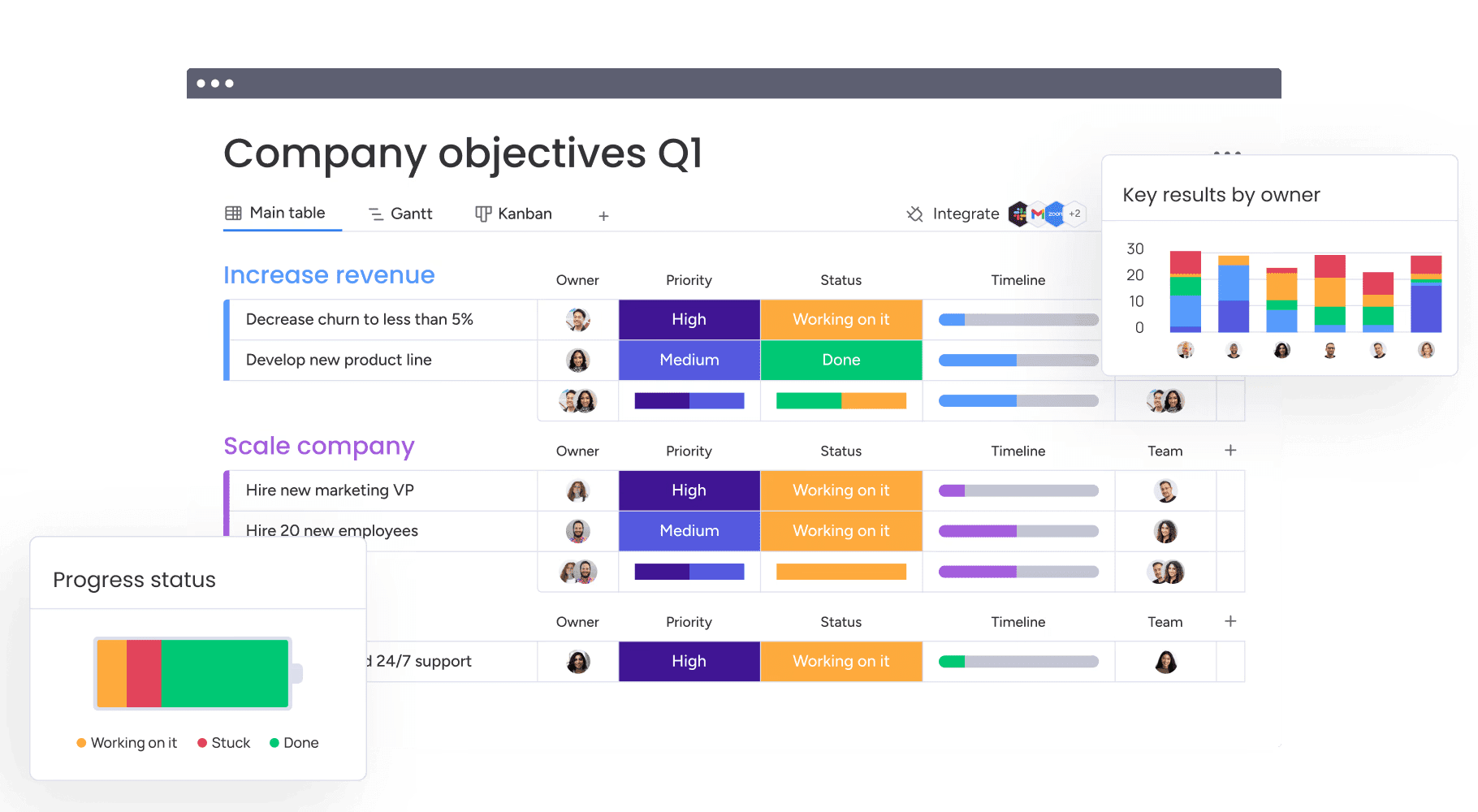
Every team has unique needs, but seven foundational components ensure your working agreement covers the full spectrum of collaboration requirements. These elements work together to support both daily operations and long-term success.
1. Team purpose and shared goals
This section connects individual contributions to broader organizational strategy. Start by documenting your team’s specific mission statement and define what success looks like quarterly and annually. When teams explicitly state why the work matters, decision-making stays aligned with business objectives instead of personal preferences.
Beyond the mission, include the key performance indicators (KPIs) your team collectively impacts. This creates shared accountability and helps everyone understand how their work contributes to measurable outcomes.
2. Communication protocols and response times
Effective communication protocols boost productivity. This section defines when to use each communication channel based on urgency and context. A clear hierarchy keeps important messages from getting lost and cuts down on unnecessary interruptions.
To eliminate confusion, structure your communication protocols around these timeframes:
- Urgent (immediate): Phone calls or texts for critical blockers.
- Synchronous (same day): Instant messaging for quick questions and coordination.
- Asynchronous (24-48 hours): Email or project comments for formal updates and non-urgent requests.
- Repository (reference): Shared drives or work management platforms for permanent documentation.
3. Meeting cadence and guidelines
Well-structured meetings protect productivity and boost morale. Set a rule: every meeting needs a pre-circulated agenda and ends with documented action items and owners. From there, define your standard meeting rhythm — daily stand-ups, weekly tactical reviews, monthly strategy sessions — and set clear expectations for participation.
Additionally, include specific guidelines like camera requirements for remote sessions or device policies for in-person brainstorming. These details seem minor, but they make or break meeting effectiveness.
4. Decision-making framework
When decision-making processes are undefined, teams face bottlenecks and confusion. Different types of decisions require different approaches, and your agreement should specify which model applies when.
| Decision type | Model | Description |
|---|---|---|
| Strategic shifts | Consensus | Entire team must agree before moving forward |
| Technical implementation | Delegation | Subject matter expert decides, team supports |
| Resource allocation | Consultation | Manager decides after gathering team input |
| Crisis response | Autocratic | Lead decides immediately to mitigate risk |
5. Work hours and availability standards
Hybrid and global teams don’t share universal schedules. That’s why you need to define “core collaboration hours” — specific blocks when all team members agree to be available for synchronous work.
Beyond core hours, set up ways to signal availability through status updates and create boundaries for after-hours communication to prevent burnout. This component should also address:
- Time zone differences:How to handle scheduling across regions.
- Vacation coverage: Protocols for maintaining continuity during absences.
- Emergency coordination: Situations that require off-hours availability.
6. Platforms, technology, and AI usage guidelines
Specify which platforms handle which work. For example, all project items might live in your work management platform while documents stay in cloud storage. This prevents shadow IT and keeps data security compliant.
In addition, address AI usage explicitly:
- Permissible AI capabilities: Define which AI solutions and features teams can use.
- Data privacy maintenance: Establish how sensitive information stays protected.
- AI disclosure requirements: Set standards for identifying AI-generated work products.
These guidelines matter more as AI capabilities spread across organizations.
7. Conflict resolution process
Disagreement drives creativity. However, a structured approach to conflict resolution strengthens teams. Outline the escalation path for disputes:
- Direct conversation: Start with one-on-one discussions between involved parties.
- Mediated discussion: Move to facilitated conversation with a team lead if unresolved.
- Formal review: Escalate to leadership intervention when necessary.
Setting up this process in advance creates psychological safety. Team members know there’s a fair mechanism for handling differences, which actually makes them more likely to address issues early.
This section connects individual contributions to broader organizational strategy. Start by documenting your team’s specific mission statement and define what success looks like quarterly and annually. When teams explicitly state why the work matters, decision-making stays aligned with business objectives instead of personal preferences.
5 steps to create your team working agreement
Creating an effective working agreement takes collaborative effort and a structured process. Follow these steps to build an agreement teams actually use and value.
Step 1: schedule a collaborative team workshop
The team needs to co-create the agreement to get buy-in. Schedule a dedicated 2-3 hour workshop with the entire team. For hybrid teams, prioritize a time when everyone can participate without distraction.
Set up a digital whiteboard or collaboration space to capture input. Make it safe for team members to voice frustrations with current workflows. The goal is honest discussion about what’s working and what needs to change.
Step 2: define core team values and principles
Skip generic terms and get specific about behavioral principles. Instead of “transparency,” commit to “we share bad news within 24 hours.” Rather than “respect,” agree that “we close laptops during team discussions.”
These concrete principles become the foundation for all other norms. They guide decisions when situations aren’t explicitly covered in your agreement.
Step 3: establish operating norms
Work through each essential component one by one. For each category, ask what’s working and what’s creating friction. Use voting techniques to reach consensus on new norms.
If the team can’t agree on a specific norm, run a two-week experiment and review results. This keeps momentum going while letting you make data-driven decisions.
Step 4: document roles and accountability
Without ownership, agreements turn into suggestions. Assign specific team members to own different aspects:
- Someone might be the “timekeeper” ensuring meetings end punctually.
- Another serves as “scribe” documenting decisions.
Determine where the agreement will live. Keep it visible and accessible in your primary work management platform, not buried in a shared drive.
Step 5: plan review and update cycles
Working agreements evolve with teams. Schedule quarterly reviews to assess whether agreements still serve their purpose. Establish triggers for immediate review, such as significant team changes or major strategic shifts.
Regular reviews keep agreements from becoming outdated. They keep norms relevant as team needs change.
Team working agreement examples for every work style
Different team structures need different emphasis areas. These examples show how to adapt the approach for specific contexts while keeping core principles intact.
Agile team working agreement template
Agile teams prioritize iteration and velocity. Their agreements focus on ceremony discipline and continuous improvement.
Key components for agile teams:
- Sprint ceremonies: “Daily stand-ups start at 9:15 a.m. sharp. Latecomers contribute to the team coffee fund”.
- Estimation standards: “We use Fibonacci sequence for story pointing. Estimates differing by more than two levels require discussion”.
- Retrospective rules: “What happens in retro stays in retro. Focus on process improvement, not personal blame”.
- Definition of done: “We mark an item complete only after it passes peer review and QA validation.”.
Remote team working agreement sample
Fully distributed teams prioritize connection and async efficiency. Their agreements tackle the unique challenges of working across distances.
Remote team focus areas:
- Async-first communication: “Default to asynchronous communication. Record video updates for complex explanations”.
- Time zone equity: “Rotate meeting times monthly so no single region always accommodates”.
- Daily visibility: “Update status in the work management platform daily to reflect priorities and blockers”.
- Social connection: “Dedicate first five minutes of weekly syncs to non-work conversation”.
Cross-functional team agreement example
Teams spanning multiple departments focus on translation and staying aligned. Their agreements connect different working styles and priorities.
Cross-functional considerations:
- Common language: “Avoid departmental acronyms or define immediately when used”.
- Clear ownership: “Marketing owns messaging strategy, Product owns feature set, Sales owns pricing negotiation”.
- Centralized documentation: “All materials stored in central project board, not departmental silos”.
- Rapid feedback: “Provide feedback on cross-functional deliverables within 48 hours”.
Working agreement best practices for hybrid teams
Hybrid teams face proximity bias: in-office employees inadvertently exclude remote colleagues. A strong hybrid agreement addresses this imbalance to ensure equal participation and access.
Effective hybrid practices create equity between remote and in-office team members:
- One remote, all remote: If one person joins virtually, everyone joins from individual devices, even if sitting in the same room.
- Digital-first documentation: All brainstorming happens digitally, not on physical whiteboards, ensuring remote access.
- Scheduled decision-making: Critical decisions happen during core overlap hours, never during impromptu hallway conversations.
- Audio/visual standards: In-office participants use individual microphones or high-quality conference audio.
These practices level the playing field. They prevent an inner circle of co-located employees from gaining influence simply because they’re physically present.
When and how to update your working agreement
Stagnant agreements signal stagnant teams. Update proactively based on clear triggers instead of waiting for problems to emerge.
Common triggers that signal update needs:
- Team composition changes: New members join or existing members leave.
- Process breakdowns: Missed deadlines or communication failures reveal gaps in current norms.
- Strategic shifts: New project types or priorities require different working approaches.
- Technology changes: New platforms or tools change how work gets done.
During reviews, examine each section one by one. Ask if the team actually follows each norm. If not, decide whether to change behavior to match the agreement or update the agreement to match reality.
The review process should follow your agreed-upon decision-making approach. This reinforces the agreement’s importance and models the behaviors you want to establish.
Operationalize your norms with monday work management
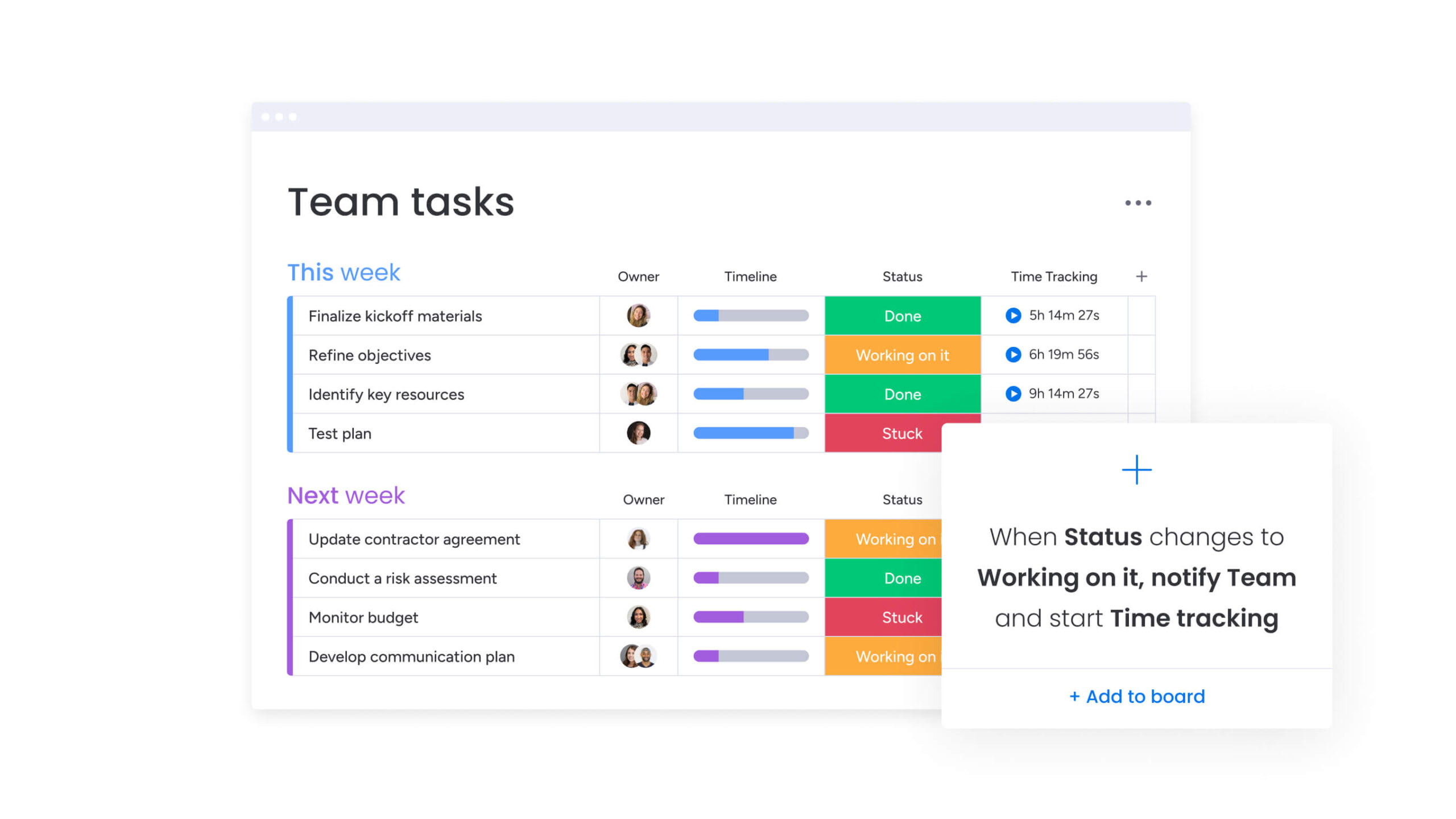
Static documents in shared drives don’t influence daily work, as they get created, filed, and forgotten. monday work management transforms working agreements from passive reference documents into active systems that guide execution every day.
The platform lets teams build working agreements directly into their workflows. Instead of separate documents, agreement components become part of how work actually happens:
- Response time commitments: Trigger automated alerts.
- Meeting cadences: Appear in shared calendars.
- Decision frameworks: Embedded in project request forms.
Aspect Static documents monday work management Agreement creation Manual template copying Structured board templates with pre-built columns Daily integration Separate file in shared drive Embedded directly into active workflows Accountability Manual check-ins Automated notifications and status tracking Updates Requires scheduling meetings Real-time editing with version history Consistency Hard to standardize Templates shared instantly across teams Compliance tracking Honor system Automated workflow adherence monitoring
Key capabilities that operationalize working agreements:
- Template standardization: Build your agreement into a board template that teams can customize while maintaining core structure.
- Automated accountability: Set up automations that enforce response times and escalate when agreements aren’t followed.
- Real-time visibility: Dashboards show agreement compliance, helping leaders spot issues before they impact delivery.
- AI-powered insights: AI blocks analyze collaboration patterns and flag when agreements need updating based on team behavior.
When agreements live where work happens, they influence behavior. Teams reference them naturally because they’re built into daily workflows instead of hidden in forgotten folders.

“monday.com has been a life-changer. It gives us transparency, accountability, and a centralized place to manage projects across the globe".
Kendra Seier | Project Manager
“monday.com is the link that holds our business together — connecting our support office and stores with the visibility to move fast, stay consistent, and understand the impact on revenue.”
Duncan McHugh | Chief Operations OfficerMaximize team impact through explicit alignment
Working agreements shift team dynamics from reactive to proactive. They eliminate the guesswork that slows execution and create the foundation for high-performing teams. The difference between teams that thrive and teams that struggle often comes down to how well they define their collaboration norms.
The most effective agreements aren’t just documents. They’re systems that evolve with your team and integrate into daily workflows. When teams can reference their agreements naturally while getting work done, those norms shape behavior and drive results.
Start with the seven essential components, customize them for team’s unique context, and build agreement directly where the work happens. Your team’s productivity and satisfaction improve when monday work management ensures everyone knows exactly how to work together effectively.
Frequently asked questions
What is the difference between a working agreement and a team charter?
A team charter defines the team's mission, scope, and high-level objectives — the "what" and "why," while working agreement defines the operational norms and daily rules for collaboration — the "how."
How long should a team working agreement be?
The most effective agreements are 2-4 pages long. They need enough detail to provide clear guidance on core operations while remaining concise enough for quick reference without overwhelming readers with dense text.
Who should be involved in creating the working agreement?
Every person expected to follow the agreement must participate in its creation. This includes the core team, manager, and any frequent collaborators embedded in daily workflows. Participation creates psychological ownership and commitment.
What are working agreements in Agile methodology?
In Agile contexts, working agreements are team-generated norms that facilitate self-organization and adherence to Agile principles. They specifically cover sprint ceremonies, definition of done, story point estimation, and retrospective behavior to support iterative delivery.
How often should working agreements be reviewed and updated?
Teams should review agreements quarterly at minimum. Additional reviews should happen immediately following significant team changes, new project phases, or when retrospectives identify process breakdowns that current norms don't address.
Can team agreements include performance expectations?
Working agreements focus on collaboration behaviors like communication and meeting norms, not individual performance metrics. They can establish team-level quality standards like code review protocols or document accuracy requirements without targeting individual output.

 Get started