


In leadership meetings, the term “project management professional” is often used with confidence, but not always clarity. Some view it as a formal title, others as a certification, and many assume it simply means someone who manages timelines and tasks.
In reality, the role has evolved far beyond coordination and reporting.
A Project Management Professional (PMP) represents a globally recognized standard for leading complex initiatives. PMP-certified professionals are trained to manage cross-functional work, control risk at scale, and connect execution directly to business strategy. As organizations adopt AI, automation, and distributed operating models, this role has become even more strategic.
This helpful guide explains what project management professionals actually do in 2026. It breaks down the PMP role, certification requirements, salary expectations, and emerging technology trends shaping the profession, while clarifying how certified professionals differ from general project managers.
Key takeaways
- The PMP role has shifted from coordination to strategic leadership: Certified professionals focus on aligning projects with business objectives, managing risk proactively, and driving measurable organizational value rather than simply delivering tasks on time.
- Standardized frameworks distinguish PMPs from general project managers: The PMI-backed PMBOK framework equips PMPs with consistent methods for governance, scope control, and cross-functional delivery across industries and geographies.
- Technology and AI now shape how PMPs operate day to day: Automation and predictive analytics reduce administrative overhead, enabling PMPs to concentrate on stakeholder alignment, decision-making, and portfolio-level oversight.
- Certification signals both experience and continuous development: Becoming a PMP requires years of hands-on project leadership and ongoing professional education, ensuring skills remain relevant as work environments evolve.
- Work management platforms help PMPs translate frameworks into execution: Solutions like monday work management support portfolio visibility, automated workflows, and real-time insights that allow PMPs to apply best practices consistently at scale.
Understanding the project management professional role
A Project Management Professional (PMP) is a globally recognized certification that validates a project manager’s expertise in leading complex projects and teams. The credential, awarded by the Project Management Institute (PMI), represents more than theoretical knowledge; it demonstrates proven competency in delivering projects that drive business outcomes.
The PMP designation evolved from a process-focused credential to a strategic leadership role. Today’s PMPs lead cross-functional work at enterprise scale, using AI-driven insights and integrated platforms to manage portfolios that would overwhelm traditional approaches.
The official PMP definition and framework
As indicated from above, PMP stands for Project Management Professional. It’s a globally recognized certification that shows you have both the experience and the structure to lead complex projects successfully.
Earning a PMP signals that you understand how modern project delivery works, not just in theory, but in practice. The certification is built around three core areas:
- People: Leading teams, managing conflict, and supporting distributed workforces.
- Process: Implementing methodologies, governance, and project lifecycle management.
- Business environment: Ensuring compliance, delivering value, and supporting organizational change.
Unlike general management degrees, the PMP focuses specifically on frameworks required to initiate, plan, execute, monitor, control, and close projects successfully throughout the project lifecycle. The certification is recognized in over 200 countries, opening doors across industries and a whole host of locations.
The modern evolution of professional project management
The PMP role has transformed significantly in recent years. Once viewed as tactical implementers focused on timelines and budgets, PMPs now act as strategic business leaders who connect project execution to organizational goals.
Modern PMPs are methodology agnostic, managing work across predictive (Waterfall), Agile, and hybrid approaches. They act as internal consultants who connect executive strategy to team execution. Organizations now need leaders who can navigate digital transformation while maintaining project governance.
Technology has fundamentally changed what PMPs can accomplish too. AI-driven risk detection, automated resource allocation, and real-time dashboards transform PMP capabilities from theoretical to actionable.
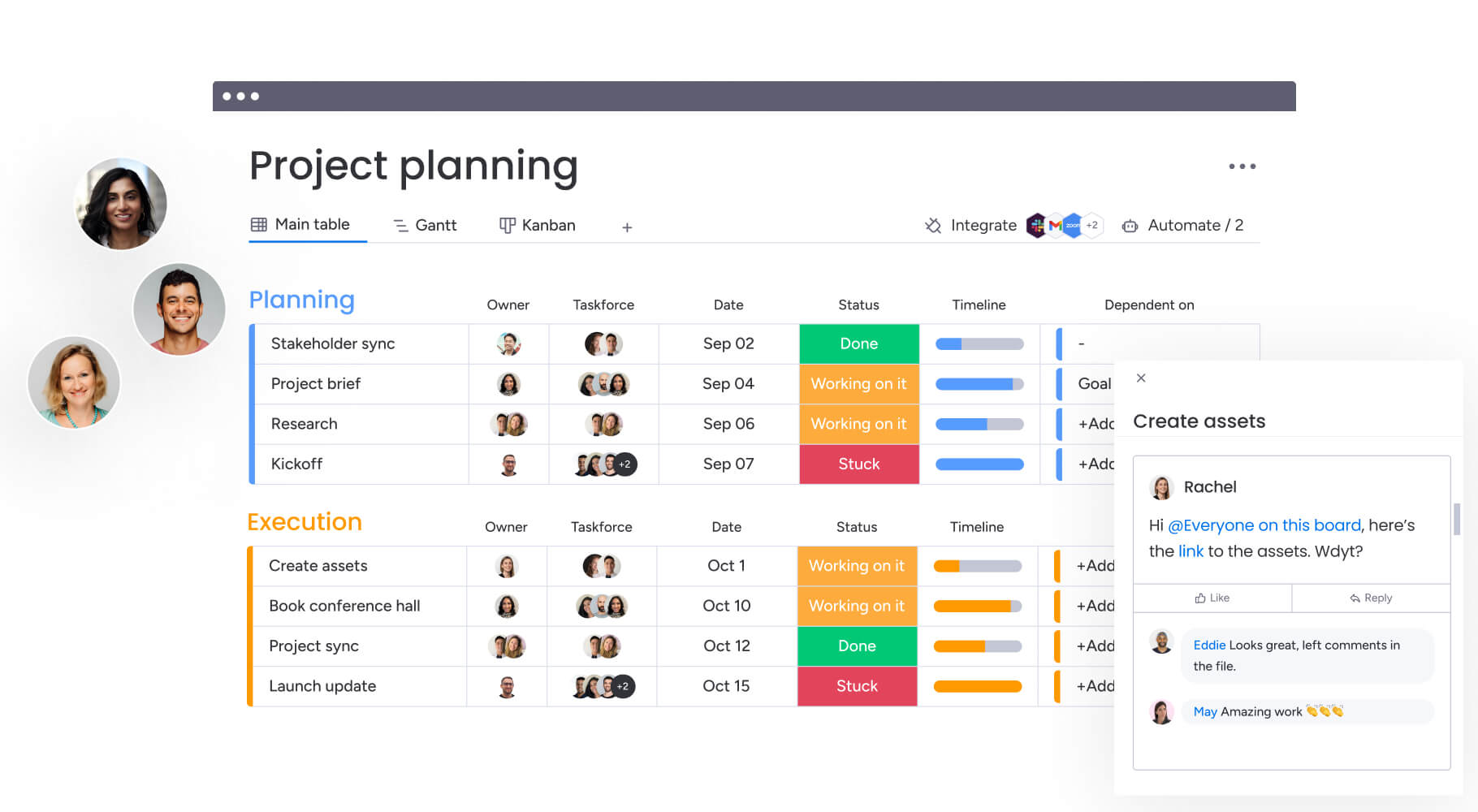
Platforms like monday work management even let PMPs orchestrate complex, cross-departmental work with visibility and automation that traditional approaches can’t match.
How PMPs differ from regular project managers
While anyone can hold the title “project manager,” a PMP brings standardized expertise and strategic focus that set them apart from uncertified managers. These differences are critical when hiring or planning a career path:
| Aspect | Regular project manager | Project Management Professional (PMP) |
|---|---|---|
| Methodology | Often ad-hoc or company-specific | Standardized global framework (PMBOK) |
| Risk approach | Reactive; addresses issues as they arise | Proactive; systematic identification and mitigation |
| Strategic focus | Task and timeline completion | Business value and organizational alignment |
| Scope management | Often struggles with scope creep | Trained in formal change control processes |
| Career mobility | Limited to specific industries or roles | High mobility across industries and leadership tiers |
Standardized knowledge and PMI framework
PMPs operate within the Project Management Body of Knowledge (PMBOK) guide, ensuring they use a common lexicon and standardized processes for risk, quality, and scope management.
This standardization creates consistency across an organization. While uncertified managers might rely on intuition or ad-hoc methods, PMPs use a structured, repeatable approach that stabilizes workflows.
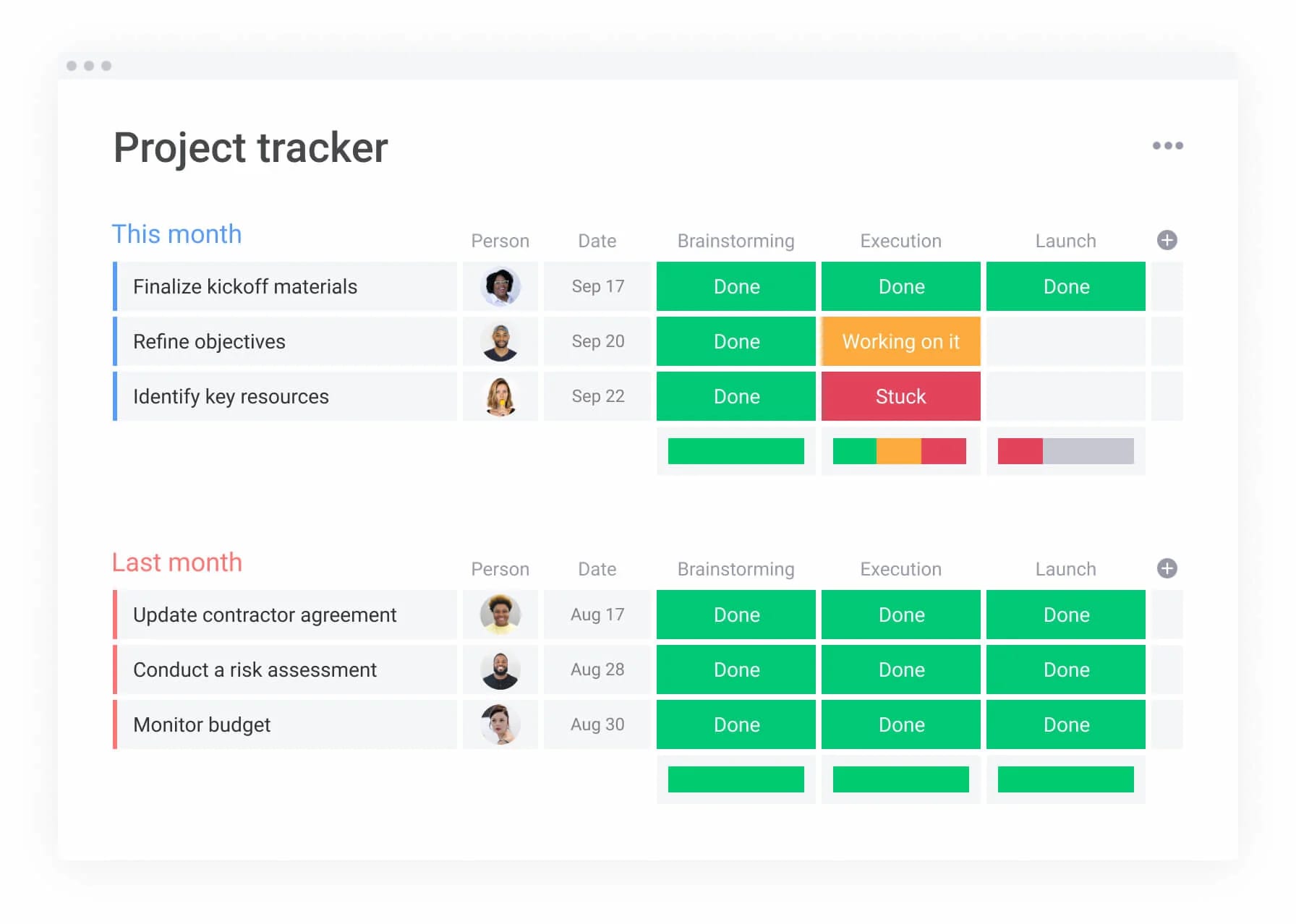
Teams using monday work management can embed these standardized processes directly into their workflows through templates and automations, ensuring PMP best practices scale across the organization.
Strategic business impact focus
Certified professionals connect project outputs to business outcomes. A regular project manager might focus just on completing tasks on time. A PMP evaluates whether the project still delivers value and can recommend pivoting or pausing if strategic alignment drifts.
This strategic perspective becomes even more powerful when supported by real-time data. PMPs using a unified work management platform can access portfolio-level dashboards that show how individual projects contribute to organizational objectives, enabling data-driven decisions about resource allocation and project prioritization.

What do project management professionals do daily?
Being a PMP isn’t about tracking timelines or updating status reports. It’s about translating strategy into execution while keeping teams aligned and risks under control.
On any given day, PMPs move between big-picture planning and tactical problem-solving. They align stakeholders, adjust priorities, manage constraints, and keep work progressing without losing sight of business outcomes. That balance requires structured thinking, clear communication, and the ability to make confident decisions under pressure.
Here’s what that looks like in practice.
Strategic planning and execution orchestration
PMPs translate high-level goals into actionable plans through comprehensive project planning. They map out dependencies and critical paths to prevent bottlenecks before they occur. This means breaking down complex initiatives into manageable workflows and making sure every team member knows their specific contribution.
Strategic planning needs visibility across multiple projects and departments. To achieve this, many organizations use monday work management to give PMPs real-time insights into project health, resource allocation, and timeline progress from centralized dashboards.
Stakeholder alignment and communication
A significant portion of a PMP’s day involves managing expectations. They keep sponsors, team members, and clients aligned on scope and progress. PMPs filter noise and make sure the right people have the right data to make decisions.
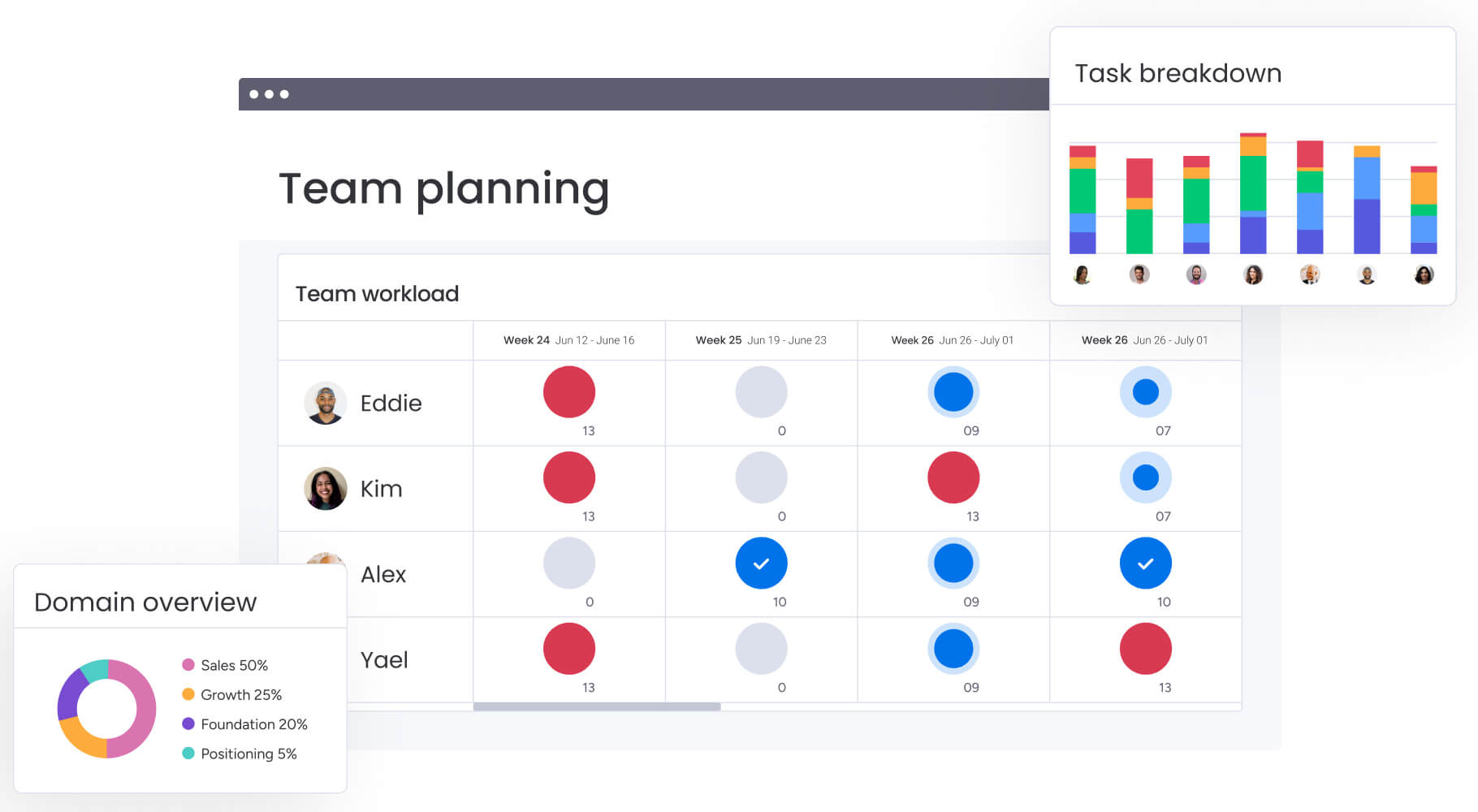
The right work management platform transforms this dynamic. PMPs create customizable dashboards that automatically pull data from across projects:
- Executive visibility: Portfolio health at a glance for leadership decisions.
- Department insights: Real-time team workload views for managers.
- Stakeholder access: Self-service information without waiting for reports.
Proactive risk management
Strong PMPs don’t wait for problems to escalate. They actively scan for risks that could impact timelines, budgets, or scope, then put mitigation plans in place before those risks turn into delays.
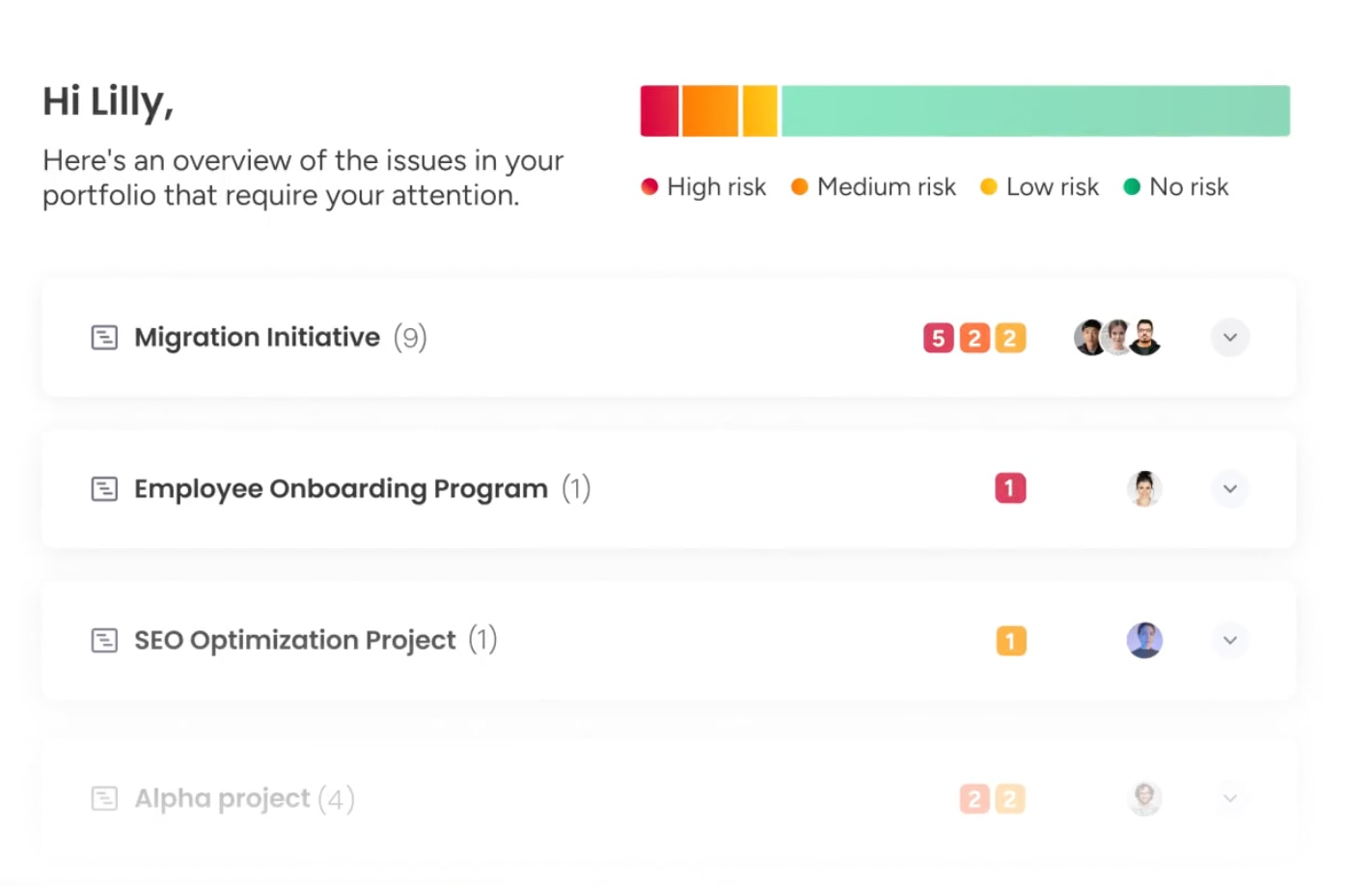
That proactive mindset becomes far more effective with the right visibility. With intelligent solutions like monday work management, AI-Powered Risk Insights automatically scan project boards, surface potential issues by severity, and highlight patterns that signal trouble.
Instead of manually reviewing every update, PMPs can focus their attention where it matters most and intervene early, with data to support their decisions.
Resource optimization across teams
Balancing workloads prevents burnout and ensures projects stay on track. PMPs ensure the right people work on the right activities without overallocation or underutilization. They manage budget allocations and track spending to keep projects financially viable.
The following decisions illustrate typical PMP responsibilities:
- Dependency mapping: Identifying how marketing asset delays impact engineering sprints and adjusting accordingly.
- Change control: Evaluating client feature requests to determine timeline and budget impact before approval.
- Capacity planning: Using data to determine if the current team size can meet milestones or if contractors are needed.
- Conflict resolution: Mediating departmental priority disagreements to keep projects moving forward.
5 Core PMP responsibilities that drive business results
PMPs are measured by outcomes, not activity. Their value comes from turning strategy into coordinated execution and ensuring resources are used where they have the greatest impact.
The responsibilities below show how certified professionals move beyond task coordination and actively drive business results. This is where PMP expertise becomes a strategic advantage, not just a project role.
1. Lead cross-functional work orchestration
PMPs break down silos between departments. They create frameworks that allow marketing, development, sales, and operations to collaborate seamlessly. By establishing handoff points and shared protocols, they reduce the friction that usually slows cross-functional initiatives.
Organizations using monday work management connect these cross-departmental workflows in a single workspace, giving PMPs visibility into how work flows between teams. Connected boards and cross-board automations ensure nothing falls through the cracks when work moves between departments.
2. Enable data-driven project decisions
PMPs move decision-making from intuition to evidence. They set Key Performance Indicators (KPIs) and track metrics like Schedule Variance (SV) and Cost Performance Index (CPI).
This objective data helps leadership make informed choices about resource allocation and portfolio balance. Real-time dashboards on monday work management automatically display live project data for insights on budget, goals, schedules, and resources, eliminating the need for manual report compilation.
3. Align projects with business strategy
Every project must contribute to organizational objectives. PMPs ensure project scope remains tethered to the business case. If the company strategy shifts, the PMP realigns project goals to match, so resources aren’t wasted on obsolete initiatives.
This alignment becomes clear and actionable when projects link to strategic goals within a unified platform. Teams can see exactly how their daily work contributes to company objectives, maintaining focus even as priorities evolve.
4. Manage complex portfolio dependencies
Projects rarely exist in isolation. PMPs manage interdependencies between multiple projects so delays in one initiative don’t silently derail others.
Portfolio management capabilities allow PMPs to see the big picture and detect bottlenecks by pulling data from all projects across different programs into one high-level view. This visibility is essential for organizations running dozens or hundreds of concurrent projects.
5. Champion process improvement
PMPs drive continuous improvement through retrospectives and lessons learned sessions. They figure out what worked, what didn’t, and what needs to change next time. These insights help refine systems and keep them aligned with evolving business goals.
The most effective PMPs also use retrospectives to update standard operating procedures, permanently removing friction from future work. Templates and automation in monday work management help standardize these improvements across teams.
PMP certification requirements and pathway
Becoming a PMP requires a combination of education, experience, and examination. The certification process confirms candidates have both theoretical knowledge and practical expertise.
These requirements below should give you a good sense of how to plan your certification path:
Education and experience prerequisites
Before you can sit for the PMP exam, you need to meet clear eligibility criteria that combine formal education with hands-on project leadership experience.
Your exact requirements depend on your educational background.
Four-year degree pathway:
- Four-year degree.
- 36 months of unique, non-overlapping professional project management experience.
- 35 hours of project management education.
High school diploma/associate degree pathway:
- High school diploma or associate degree.
- 60 months of unique non-overlapping professional project management experience.
- 35 hours of project management education.
Understanding the PMP exam process
The PMP exam comprises 180 questions covering three domains. The 230-minute assessment tests both knowledge and application of project management principles.
Exam domain breakdown:
- People (42%): Leading teams, managing conflict, supporting virtual teams.
- Process (50%): Methodology, governance, project lifecycle management.
- Business environment (8%): Compliance, delivering value, supporting organizational change.
Maintaining your professional credentials
Certification requires ongoing commitment. PMPs must earn 60 Professional Development Units (PDUs) every three years to maintain active status. This keeps professionals current with evolving industry trends, new technologies, and advanced leadership techniques.
The continuous learning requirement matches how the profession evolves. As AI and automation reshape project management, PMPs must adapt their skills to leverage these technologies effectively.

How AI and technology amplify PMP impact
Technology has fundamentally changed how PMPs operate. Where much of the role once centered on manual reporting and coordination, today’s tools automate routine work and surface insights in real time.
That shift gives PMPs more space to focus on what truly drives impact: managing risk proactively, aligning stakeholders, and ensuring projects support broader business strategy.
Predictive analytics for risk management
AI analyzes historical project data to predict potential risks before they materialize. By spotting patterns in completion rates and resource usage, these capabilities alert PMPs to likely delays so they can intervene early.
Portfolio Risk Insights on monday work management scan all project boards, flagging potential risks by severity. PMPs can spot critical issues at a glance without manually combing through project updates.
Automated workflow optimization
Automation handles the routine mechanics of project management. Status updates, recurring item creation, and notification triggers are managed automatically.
This automation frees PMPs to focus on high-value activities. Automations on monday work management save valuable time by handling repetitive work:
- Template deployment: Creating standardized project boards instantly.
- Milestone notifications: Sending approval alerts when phases are complete.
- Status synchronization: Updating stakeholders automatically based on progress.
Real-time portfolio intelligence
Dashboards provide unprecedented visibility. Instead of manually compiling weekly reports, PMPs access live data streams showing the health of every project in the portfolio instantly.
This transparency speeds up decision-making at the executive level. Leaders can see exactly where resources are allocated, which projects are at risk, and how the overall portfolio aligns with strategic objectives.
AI capabilities supporting PMP responsibilities include:
- Smart resource allocation: AI suggests team members for projects based on availability and past performance.
- Automated risk scoring: Algorithms analyze project parameters to assign risk scores and highlight attention areas.
- Sentiment analysis: AI Blocks analyze communication to gauge team morale and identify potential concerns early.
Elevate your project management career with the right platform
As project environments grow more complex, PMPs face persistent challenges balancing strategic alignment with day-to-day execution. Manual reporting, fragmented visibility, and disconnected workflows can limit their ability to manage risk proactively and demonstrate business impact.
Modern and intelligent platforms like monday work management help address these challenges by connecting project frameworks to real execution, giving PMPs the clarity and control they need to operate at scale.
- Centralized portfolio visibility: Real-time dashboards show project health, dependencies, and resource allocation across initiatives.
- Automated workflows: Recurring updates, notifications, and status changes reduce administrative overhead and manual reporting.
- Proactive risk detection: AI-powered insights surface potential issues early, supporting informed and timely intervention.
- Strategic alignment: Projects link directly to business objectives, helping teams understand how daily work drives outcomes.
- Scalable standardization: Templates and automations make it easier to apply PMBOK best practices consistently across teams.
By combining PMP expertise with an integrated work management platform, organizations gain efficiency, alignment, and measurable strategic impact without adding unnecessary complexity.
Frequently asked questions
How long does it take to get PMP certified?
Getting PMP certified typically takes 8 to 12 weeks. This timeline includes completing the required 35 hours of education, submitting your application, and studying for the exam.
Can you become a PMP without a degree?
Yes, you can become a PMP without a degree. Candidates with a high school diploma or associate degree are eligible if they have 60 months of project management experience and complete 35 hours of project management education.
What's the difference between PMP and CAPM certifications?
The difference between PMP and CAPM certifications lies in experience requirements. CAPM (Certified Associate in Project Management) is entry-level, requiring only 23 hours of education and no professional experience. PMP requires significant professional experience and demonstrates higher mastery.
How often do you need to renew PMP certification?
PMP certification must be renewed every three years. Renewal requires earning 60 Professional Development Units (PDUs) through continuing education, giving back to the profession, or practicing as a project manager.
Do all project managers need PMP certification?
Not all project managers need PMP certification, but it's highly recommended for career advancement. The certification is particularly valuable for those seeking higher salaries and roles in large enterprise organizations.
How does monday work management support PMP methodologies?
monday work management supports PMP methodologies through flexible views for Waterfall or Agile projects, robust dependency management for critical path analysis, and customizable dashboards for monitoring PMI framework KPIs. The platform's templates and automations help PMPs standardize PMBOK best practices across their organization.

 Get started