


Leadership becomes truly challenging when the situation stops being clear. Priorities conflict, tradeoffs appear, and the usual playbook no longer fits. In these moments, having more knowledge does not always help. What matters is the ability to think differently, to step back, see the bigger picture, and move forward without needing perfect certainty.
Many development programs focus on adding new skills, yet the biggest shift often comes from expanding how leaders interpret problems in the first place. As responsibilities grow, success depends less on having the right answer and more on understanding how different factors connect, influence each other, and evolve over time.
This post takes a closer look at how leadership thinking develops across stages, what helps that growth happen in real work environments, and how organizations can support leaders as complexity increases. The sections ahead also connect theory with practical application, showing how stronger thinking capacity leads to clearer decisions, better alignment, and more resilient leadership.
Key takeaways
- Vertical development expands leadership capacity, not just skills: It focuses on transforming how leaders think, enabling them to handle ambiguity, complexity, and competing priorities more effectively.
- Four stages define leadership maturity progression: Leaders evolve from Expert to Achiever to Catalyst to Systems thinker, with each stage reflecting a broader perspective and greater ability to integrate complexity.
- Growth requires real workplace conditions, not classroom training: Challenging assignments, exposure to diverse perspectives, and structured reflection are essential to drive meaningful development.
- Embedding development into daily work accelerates impact: Integrating feedback, reflection, and cross-functional collaboration into ongoing responsibilities ensures continuous growth rather than isolated learning moments.
- Work management platforms enable scalable development: Tools like monday work management support transparency, system visibility, and continuous feedback loops, helping organizations build leadership capacity alongside operational performance.
What is vertical development?
Vertical development is about upgrading how you think, not just what you know. It expands your ability to handle complexity, weigh different perspectives, and stay effective when things are unclear. Instead of collecting more skills, you reshape how you interpret challenges and make decisions.
As you grow, your thinking becomes more flexible and layered. You begin to hold opposing ideas at the same time, recognize patterns across systems, and operate without needing a clear playbook. This shift shows up in how you lead, collaborate, and respond to pressure.
Over time, three noticeable mindset shifts begin to take shape:
- From binary to systemic: You stop seeing situations as simply right or wrong, and start recognizing interconnected factors and gray areas.
- From defensive to curious: You move away from protecting your viewpoint, and instead seek out perspectives that challenge your thinking.
- From siloed to holistic: You shift from focusing on your own function to considering what works best for the entire organization.
For example, imagine a missed deadline. An early stage leader may see it as a rule being broken. However, a more developed leader looks deeper, asking what systems, incentives, or constraints led to that outcome.
Vertical development vs horizontal development
To understand where vertical development fits, it helps to compare it with horizontal development. Both matter, but they solve very different problems.
The table below highlights how these two approaches differ:
| Aspect | Horizontal development | Vertical development |
|---|---|---|
| Primary focus | Adding knowledge, skills, and competencies | Expanding mindset to process complexity |
| Metaphor | Adding water to the container | Expanding the size of the container |
| Outcome | Technical expertise and functional proficiency | Adaptability and strategic perspective |
| Timeframe | Short-term acquisition (days to months) | Long-term transformation (years) |
| Use case | Closing technical gaps or learning methodologies | Solving adaptive challenges with no clear answer |
Horizontal development builds your capabilities. Vertical development expands your capacity to use those capabilities in uncertain situations. In practice, you need both working together.
What horizontal development delivers
Horizontal development focuses on helping you perform better within known environments. You gain new skills, sharpen existing ones, and build confidence in execution. As a result, your ability to deliver consistent outcomes improves, especially when expectations are clear.
However, this type of growth does not change how you interpret situations. You still approach problems with the same mental model, just with more capability. That works well until the context becomes unclear or starts shifting.
Here are some common ways horizontal development shows up in practice:
- Technical proficiency: You build specific capabilities, such as advanced data analysis or structured project management methods.
- Functional competence: You improve day to day skills through workshops, such as presentations, negotiation, or compliance updates.
- Industry certification: You earn credentials like PMP or CPA that validate your knowledge in a defined area.
This approach works best when both the problem and the solution are already known. However, once challenges become less defined, skill building alone is not enough, and that is where limits begin to show.
How vertical leadership development transforms thinking
While horizontal growth improves what you can do, vertical development changes how you think. It helps you step back, question assumptions, and interpret situations with more depth. Because of this, you become more effective in uncertain and complex environments.
Instead of relying on a single viewpoint, you begin to consider multiple angles at once. Over time, this shift becomes visible in how you respond to feedback, make decisions, and engage with others.
You will typically notice these three changes as your thinking expands:
- From binary to nuanced: You move beyond right or wrong thinking and start recognizing that multiple perspectives can hold value at the same time.
- From reactive to creative: You stop defending your position and begin using feedback as useful input for improvement.
- From siloed to systemic: You shift your focus from protecting one function to improving how the entire organization works together.
As a result, you handle ambiguity with more confidence and avoid getting stuck when answers are not obvious.
Try monday work managementChoosing the right development approach
Choosing the right approach starts with understanding the gap you are trying to close. Each type of development serves a different purpose, so the context of the challenge matters more than the method itself.
When the issue is skill based, horizontal development is usually the right path. However, when the challenge involves uncertainty or misalignment, a shift in thinking becomes necessary.
Use horizontal development when:
- Skill gaps are clear: Your team lacks specific capabilities needed to execute a defined strategy.
- Processes are stable: The environment is predictable and efficiency is the main goal.
- Solutions are known: The challenge has a clear answer that requires learning and practice.
On the other hand, vertical development becomes essential in more complex situations:
- Change feels difficult: Leaders have the skills but struggle to adapt when conditions shift.
- Collaboration breaks down: Teams remain siloed despite having strong individual capabilities.
- Ambiguity slows decisions: Leaders hesitate when priorities compete or clarity is missing.
In reality, you rarely choose one over the other. The strongest approach combines both, so you build the skills to act and the mindset to navigate complexity at the same time.

Why organizations need vertical development now
The challenge is clear, complexity has grown faster than how leaders are trained to think. Most development models were built for stable environments where outcomes were predictable. That assumption no longer holds true today.
As a result, leaders are expected to handle uncertainty without the mental frameworks to do so. That gap is exactly where vertical development becomes critical, helping you match leadership capability with real world demands.
Complexity requires advanced leadership capacity
Organizations today are dealing with problems that do not have clean answers. Digital change, hybrid work, and rising stakeholder expectations often pull leaders in different directions at once. Because of this, relying on past approaches no longer works.
To handle these realities, leaders need a different kind of growth. Vertical development strengthens how they think, not just what they know, so they can manage tension and make better decisions under pressure.
Before getting into the specifics, here are three capabilities that become essential:
- Managing polarity: Leaders need to balance competing priorities, such as efficiency and innovation, while still moving forward. This means holding two opposing ideas at once without forcing a quick tradeoff.
- Leading through ambiguity: In distributed teams, authority alone is not enough. Leaders must guide through influence, even when direction is unclear and outcomes are uncertain.
- Stakeholder integration: You are often balancing the needs of investors, employees, customers, and communities. Strong leaders learn to align these interests instead of choosing one over another.
Traditional development programs hit limits
Many leadership programs focus on adding skills, yet they overlook how leaders process complexity. That mismatch creates a disconnect between learning and real world application. As a result, training feels useful in theory but fails under pressure.
Because of this, organizations invest heavily in development but see limited change in behavior. The issue is not effort, it is capacity.
Two gaps tend to appear:
- The application gap: A leader may understand emotional intelligence concepts, yet struggle to stay composed in a crisis. Knowledge exists, but the internal capacity to apply it does not.
- Cognitive overload: As complexity increases, leaders try to push harder instead of thinking differently. This often leads to burnout, since effort replaces perspective.
Many leadership programs focus on adding skills, yet they overlook how leaders process complexity. That mismatch creates a disconnect between learning and real world application. As a result, training feels useful in theory but fails under pressure.
Business impact of vertical leadership development
When leaders grow vertically, they handle complexity with more clarity and less friction. This shifts leadership from being a bottleneck to becoming a driver of performance. As a result, teams move faster and adapt more easily.
Organizations that invest in this kind of growth tend to see consistent advantages. These improvements show up across decision making, innovation, and change management.
Here are three key outcomes:
- Decision making speed and quality: Leaders stop waiting for perfect information and start testing ideas earlier. This leads to quicker, more confident decisions in uncertain situations.
- Innovation capacity: When leaders connect different perspectives, new ideas surface more naturally. This creates space for better problem solving and creative thinking.
- Change management success: Leaders manage their own reactions first, which helps teams stay steady during transitions. Because of this, change feels less disruptive and more structured.
Organizations that invest in this kind of growth tend to see consistent advantages. These improvements show up across decision making, innovation, and change management.
The 4 stages of vertical development
Leadership maturity evolves over time, moving from individual expertise to broader systems thinking. Each stage reflects how a leader interprets challenges and interacts with others. Understanding these stages helps you identify where growth is needed.
At the same time, it gives you a clear path for developing stronger, more adaptable leaders.
Stage 1: expert leadership
Expert leaders define their value through knowledge and accuracy. They rely heavily on logic and tend to see their role as providing the right answers. Because of this, they often position themselves as the most informed person in the room.
- Strengths: Strong at solving technical problems and working within defined processes. They bring consistency and high quality output to their role.
- Limitations: They may struggle with collaboration and dismiss input that challenges their expertise. Different viewpoints can feel incorrect rather than simply alternative.
Stage 2: achiever leadership
Achiever leaders shift their focus toward goals and measurable outcomes. They are highly driven and understand how to prioritize effectively within a structured environment. As a result, they often succeed in traditional corporate settings.
- Strengths: Skilled at execution, motivating teams, and delivering results. They know how to navigate systems to achieve targets efficiently.
- Limitations: They can push themselves and others too hard in pursuit of results. At times, they may overlook whether the goals themselves need to change.
Stage 3: catalyst leadership
Catalyst leaders begin to question their own perspective and actively invite others in. They focus less on control and more on enabling people to contribute. Because of this shift, they become more comfortable working through uncertainty.
- Strengths: Strong at building alignment, encouraging innovation, and managing complex relationships. They can hold multiple viewpoints without forcing a single answer.
- Limitations: Their focus on alignment can slow down decisions when speed is required. In fast moving situations, they may hesitate without group input.
Stage 4: systems leadership
Systems leaders see the organization as a connected whole rather than separate parts. They focus on patterns, relationships, and long term impact instead of isolated events. As a result, they lead through context and influence rather than direct control.
- Strengths: Effective at solving complex, long term challenges and shaping how organizations operate. They bring clarity to situations that involve many moving parts.
- Limitations: Their long term focus can sometimes distance them from immediate operational needs. This may create gaps when quick action is required.
Essential conditions for vertical development
Vertical growth rarely comes from formal training alone. Instead, it develops through real work, when the right conditions push leaders to think differently. To make this happen, you need to design an environment where these moments occur naturally and consistently.
Heat experiences that stretch thinking
Growth begins when leaders face situations that disrupt привычные patterns and force them to rethink how they operate. The challenge should feel uncomfortable enough to stretch thinking, yet still manageable so it builds confidence instead of fear. When balanced well, these experiences create meaningful shifts in perspective.
Here are examples of experiences that introduce this kind of pressure:
- Turnaround projects: Leading initiatives that require reversing declining performance while managing uncertainty.
- Cross-cultural mergers: Navigating integration across teams with different values and working styles.
- New market launches: Entering unfamiliar territories where past assumptions no longer apply.
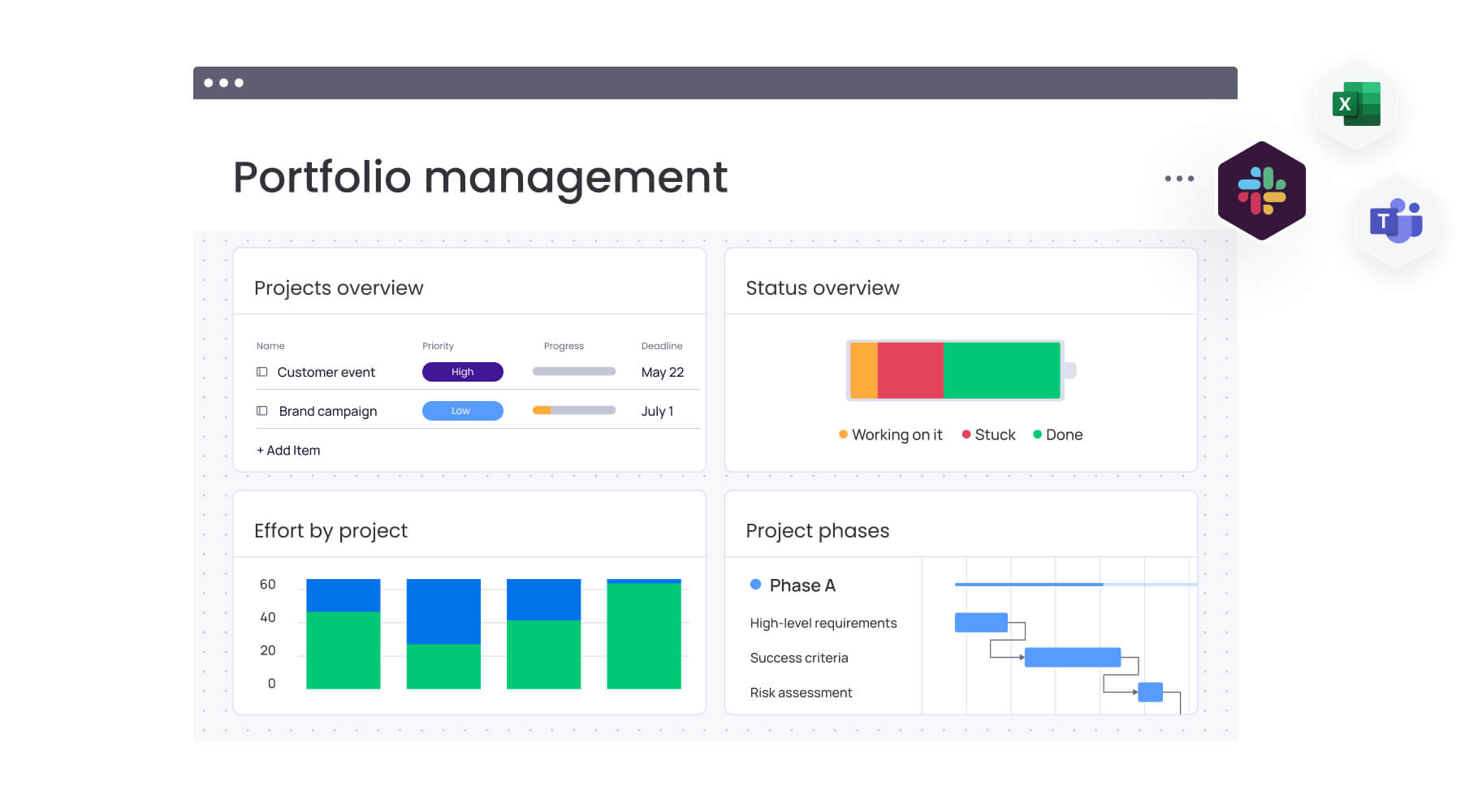
With monday work management, portfolio views highlight project complexity. As a result, you can align high-potential leaders with assignments that push their thinking in the right direction.
Diverse perspectives that challenge assumptions
Even strong leaders can get stuck in their own logic if they are not exposed to different viewpoints. That is why growth often happens when someone has to reconcile their perspective with ideas that do not immediately align. Over time, this builds flexibility in thinking.
To create this kind of environment, you can introduce diversity in a few structured ways:
- Structural diversity: Cross-functional teams bring together sales, engineering, and operations, which naturally forces leaders to balance competing priorities.
- External input: Coaches, mentors, and advisors offer outside perspectives that reveal blind spots.
- Collaborative friction: Healthy debate and differing opinions encourage deeper thinking instead of surface-level agreement.
When these elements are present, leaders begin to question their assumptions instead of reinforcing them.
Reflection that transforms experience into growth
Challenging work alone does not guarantee progress. Without reflection, even meaningful experiences can turn into stress rather than learning. Reflection gives leaders the space to process what happened and adjust how they think moving forward.
To make reflection effective, it needs to be intentional and consistent. You can support this through simple, structured practices:
- Journaling: Writing regularly about challenges helps clarify patterns and insights.
- Guided debriefs: Facilitated discussions extract lessons from real experiences.
- Coaching sessions: One-on-one conversations help connect actions with underlying thinking.
In addition, tracking insights ensures that lessons are not lost. Over time, this creates a clear link between experience and improved decision-making.

6 steps to implement vertical development organization-wide
Implementing vertical development means shifting from isolated coaching efforts to a structured, organization wide approach. Instead of focusing only on skills, you start shaping how leaders think, decide, and respond to complexity.
The steps below help you build that foundation so growth becomes part of everyday work.
Step 1: assess your current leadership development maturity
Before you introduce new initiatives, you need a clear view of where your leaders stand today. This includes both individual capability and the environment shaping their decisions. Without that clarity, it is easy to invest in the wrong areas.
Start by examining how leaders think through challenges. Compare their decision making style with the complexity of your strategy. For example, if your business needs innovation but your culture rewards strict rule following, you are likely holding leaders back.
Use assessments to identify these gaps early. This gives you a baseline and helps you target development where it actually matters.
Step 2: design cross-functional stretch assignments
Development does not happen through more work, it happens through different work. That is why stretch assignments are essential. They create pressure that forces leaders to rethink how they operate.
Focus on projects that naturally push leaders beyond their comfort zone. For example:
- High visibility: Outcomes that matter to senior leadership, which increases accountability and exposure
- Ambiguous authority lines: Situations where leaders must influence without formal control
- Stakeholder negotiation: Scenarios with competing priorities that require balance and judgment
Match each assignment to a leader’s developmental edge. For instance, someone who relies heavily on structure may benefit from leading a loosely defined initiative that requires creativity and flexibility.
Step 3: build systematic feedback mechanisms
Feedback is only useful when it is consistent, relevant, and focused on behavior. One off reviews rarely lead to meaningful change. Instead, you need feedback loops that run continuously and from multiple directions.
To make this work, you should establish a few key practices:
- 360 degree reviews: Regular input from peers, direct reports, and managers to provide a full picture
- Development partners: Peer based coaching relationships where leaders support each other
- Real time feedback: Immediate input during meetings and projects, when it is most useful
In addition, development partners play a key role here. They create a safe space for reflection and help leaders process challenges in real time, which strengthens both accountability and trust.
Step 4: create development measurement systems
If you cannot see progress, it becomes difficult to sustain momentum. That said, traditional metrics like course completion do not tell you much about how leaders are evolving.
Instead, focus on observable behavior. Look for shifts in how leaders communicate, think, and engage with others. For example:
- Language complexity: Moving from simple answers to more nuanced thinking
- Perspective shifts: Using “we” and “system” language instead of “I” focused views
- Question frequency: Asking more questions rather than always providing answers
These indicators may seem subtle at first. However, over time they reveal deeper changes in how leaders process information and approach decisions.
Step 5: enable development through technology
As your organization grows, manual approaches to development become harder to maintain. This is where a structured platform helps bring consistency and visibility to the process.
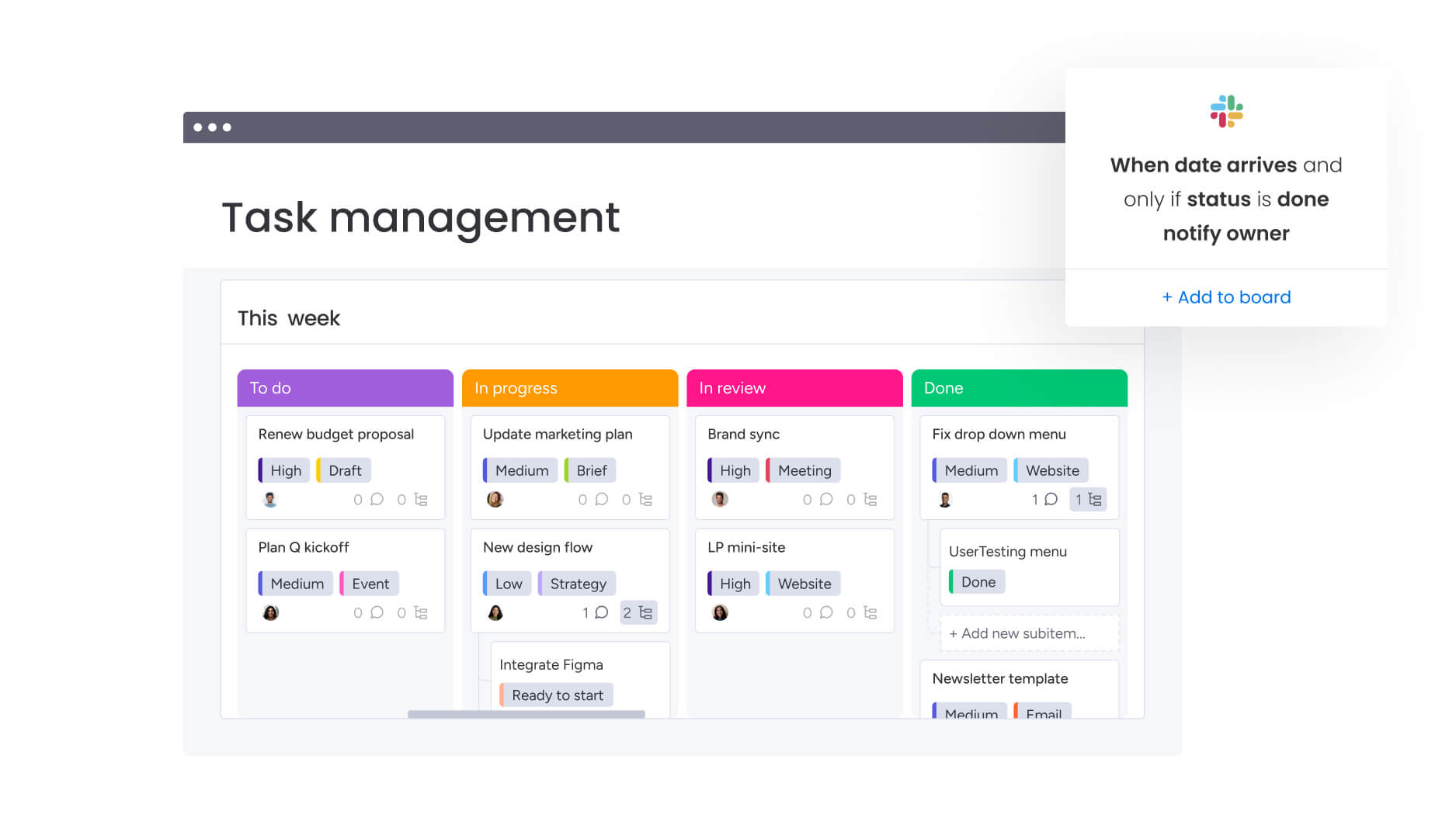
With monday work management, you can connect development directly to daily work. Leaders gain access to shared dashboards, cross functional updates, and real time insights, which naturally encourage broader thinking.
Technology supports development in several ways:
- Portfolio visibility: Dashboards that show how projects connect across teams
- Asynchronous collaboration: Space for thoughtful discussion rather than reactive decisions
- Pattern recognition: Data insights that highlight recurring challenges or inefficiencies
Because of this, leaders begin to see beyond their immediate responsibilities and understand how their decisions affect the larger system.
Step 6: integrate development into daily work
Development works best when it is part of the work itself, not something extra. When learning is embedded into everyday responsibilities, it becomes more consistent and easier to sustain.
Each project should deliver two outcomes. First, the business result. Second, the learning that comes from navigating complexity. This dual focus helps leaders grow while still delivering value.
You can reinforce this by adding simple practices into your workflow. Start meetings with perspective sharing to broaden thinking. Then close projects with reflections on what changed in how people approached problems. Over time, these habits build stronger, more adaptable leaders.
Try monday work management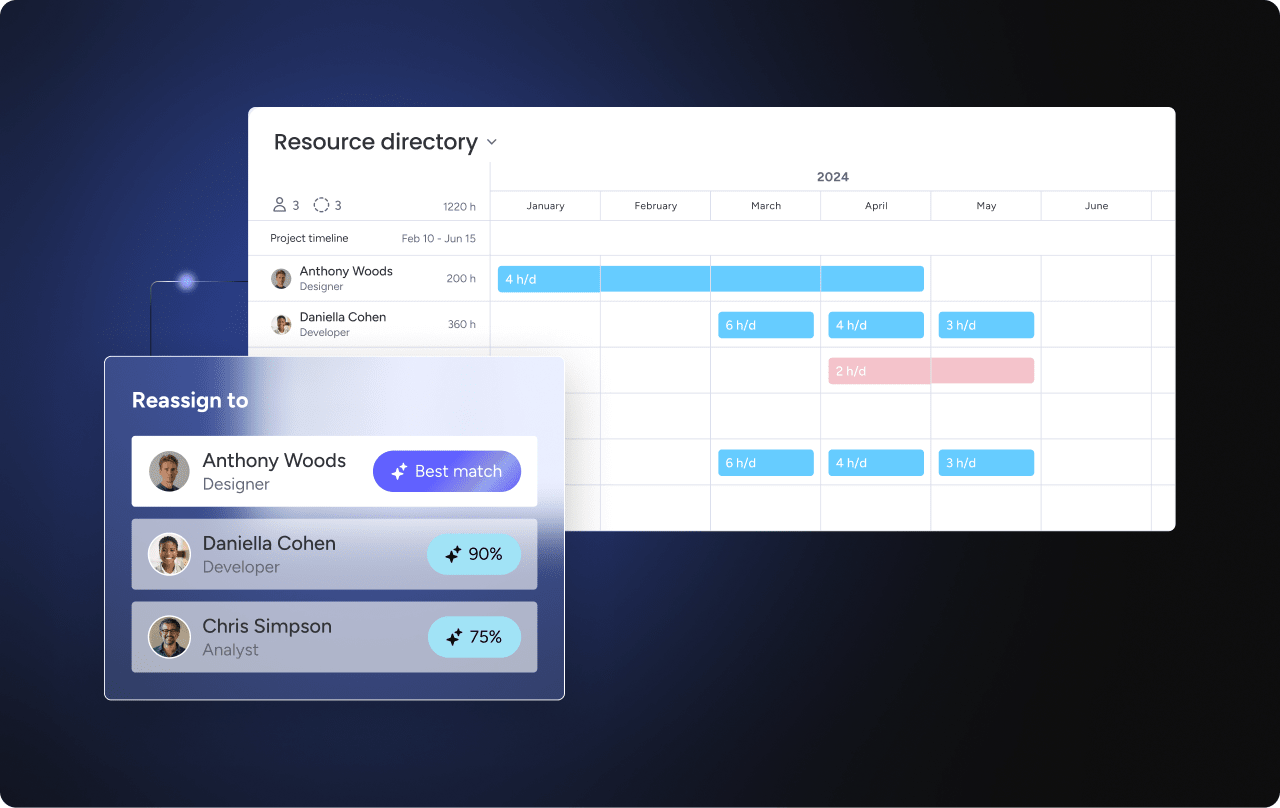
Measuring vertical development progress
Vertical development is not something you can track with simple metrics, yet you can still observe it clearly over time. The early signals tend to appear in how leaders communicate and interact, well before any business outcomes shift. That is why paying attention to behavior matters just as much as performance.
As you watch closely, patterns begin to emerge in everyday conversations and decisions. These subtle changes offer strong clues that a leader is expanding how they think and respond to complexity.
To spot these early signs, focus on the shifts below:
- Language complexity: Leaders start using more conditional phrasing, such as “it depends” or “from this perspective,” instead of relying on rigid or absolute statements. This shows they are beginning to hold multiple viewpoints at once.
- Decreased defensiveness: There is a visible drop in the need to protect their ideas when challenged. Instead of reacting quickly, they pause, reflect, and stay open to different interpretations.
- Scope of concern: Leaders begin to naturally consider broader impact, such as how decisions affect other teams, customers, or long term outcomes. This signals a move beyond narrow, role based thinking.
While observation gives you early insight, structured assessment helps confirm progress. Psychological tools reveal how leaders process information, and behavioral interviews show how they handle real situations. Together, these methods give you a clearer picture of how thinking is evolving.

“monday.com has been a life-changer. It gives us transparency, accountability, and a centralized place to manage projects across the globe".
Kendra Seier | Project Manager
“monday.com is the link that holds our business together — connecting our support office and stores with the visibility to move fast, stay consistent, and understand the impact on revenue.”
Duncan McHugh | Chief Operations OfficerHow AI accelerates vertical development at scale
Developing leaders at scale has always been difficult, especially when growth depends on personalized experiences. AI helps bridge that gap by analyzing patterns across daily work and identifying when and where development should happen.
Instead of relying only on manual observation, you can now use data to guide decisions. This makes development more timely, more relevant, and easier to apply across the organization.
Pattern recognition and assignment matching
AI strengthens how you identify and create growth opportunities. It does this by connecting behavioral signals with the right kind of challenges.
Here is how that plays out in practice:
- Pattern recognition: AI analyzes communication and work patterns to detect when leaders are operating in silos or showing signs of overload. This helps you intervene before it impacts performance.
- Assignment matching: Machine learning aligns leaders with stretch assignments that match both their development needs and the complexity of the project. As a result, growth feels intentional rather than random.
- Readiness alerts: Systems highlight when a leader has outgrown their current scope and is ready for a more demanding experience. This ensures development keeps pace with capability.
AI driven feedback and coaching
Feedback often fails because it feels personal or delayed. AI changes that by offering real time, objective insights that are easier to accept and act on.
At the same time, coaching becomes more accessible. AI powered applications guide reflection through structured dialogue, helping leaders process challenging experiences as they happen. This encourages deeper learning instead of surface level adjustments.
For instance, teams using monday work management rely on Portfolio Risk Insights to scan project activity and flag issues by severity. This kind of immediate visibility trains leaders to recognize patterns early, which strengthens their ability to think in systems rather than isolated tasks.

Transform leadership development with monday work management
Vertical development becomes difficult when leaders are expected to manage complexity without enough visibility, alignment, or structured reflection in their daily work.
The advanced and intuitive monday work management helps close that gap by connecting day to day execution with broader business priorities, giving leaders a clearer view of how decisions, dependencies, and team coordination shape outcomes across the organization.
- Improved cross functional visibility: Shared boards, portfolio views, and connected workflows help leaders understand how work moves across teams, making it easier to spot dependencies, reduce siloed decision making, and keep efforts aligned with larger business goals.
- Stronger prioritization in complex environments: Real time dashboards and workload views give leaders a clearer picture of shifting priorities, project risks, and resource constraints, which supports better judgment when tradeoffs are needed and clarity is limited.
- Greater accountability across teams: Clear ownership, status tracking, and progress updates make responsibilities visible at every stage of execution, helping leaders reinforce follow through without relying on constant manual check ins.
- Better alignment between strategy and execution: By linking goals, projects, and operational progress in one place, the platform helps leaders connect everyday work to strategic objectives, so teams can see how their actions contribute to broader outcomes.
- More consistent reflection and learning: Ongoing updates, feedback loops, and project reviews create natural moments for leaders to assess what is working, where friction is building, and how their approach needs to adapt over time.
Used well, monday work management gives organizations a practical way to build leadership capacity inside the flow of work, helping teams improve coordination, decision quality, and strategic follow through without adding unnecessary complexity.
Try monday work managementFrequently asked questions
How long does vertical development take for leaders?
Vertical development usually takes between two and five years for a leader to move meaningfully from one stage to the next. The pace often depends on how much stretch and support exists in their day to day work.
What's the difference between vertical development and traditional leadership training?
Traditional leadership training helps you build skills and knowledge that improve performance in familiar situations. It strengthens execution, especially when expectations and outcomes are already clear.
Can organizations measure vertical development progress objectively?
Yes, although it requires looking beyond simple metrics. Instead of tracking completed courses, you focus on how leaders think and respond in real situations.
How much does implementing vertical development cost for organizations?
Costs can vary based on how the approach is structured and scaled. In most cases, organizations invest in assessments, coaching, and platforms that connect development to ongoing work.
Is vertical development only beneficial for senior executives?
Not at all, leaders at every level benefit from expanding how they think. In fact, starting earlier in your career helps you build the capacity needed for more complex roles over time.
How does monday work management support organizational vertical development initiatives?
monday work management supports vertical development by making work visible across teams and functions. You can see how projects connect, where risks are building, and how decisions impact other areas.

 Get started