

Picture a typical Tuesday: calendars packed with meetings when someone asks who owns the Q3 product launch — and three people raise their hands. Weeks later, the marketing campaign slips because no one realized development had hit a roadblock. Scenarios like this play out daily, showing why clearly defined project manager roles are critical to business success.
Project managers connect strategy to execution, ensuring teams deliver on time, within budget, and to spec. They translate goals into actionable plans, align cross-functional teams, and balance competing priorities while staying focused on outcomes. The role demands technical expertise, leadership skill, and the agility to adapt when conditions change.
Understanding the daily rhythms and core responsibilities of a project manager helps organizations build stronger execution capabilities. As AI shifts the profession from administrative coordination toward strategic impact, mastering these roles becomes a competitive advantage. The following guide outlines the skills, lifecycles, and specializations that define the modern project management landscape.
Key takeaways
- Master the five core responsibilities that define successful project management: planning scope, leading teams, tracking progress, communicating with stakeholders, and managing risks to deliver projects on time and within budget.
- Focus on strategic business impact, not just process coordination: modern project managers connect daily execution to organizational goals, demonstrating how projects drive revenue, efficiency, and customer satisfaction.
- Develop both technical and leadership skills for maximum effectiveness: combine methodology expertise with emotional intelligence, communication abilities, and business acumen to navigate complex team dynamics and stakeholder relationships.
- Leverage AI and automation to amplify your impact without adding headcount: Portfolio Risk Insights and Digital Workers within monday work management provide continuous monitoring, predictive analytics, and automated workflows that extend management capacity around the clock.
- Follow the structured five-phase project lifecycle for consistent delivery: initiate with clear objectives, plan resources thoroughly, execute with team motivation, monitor progress continuously, and close with documented lessons learned.
What is a project manager?
A project manager is the professional who guides initiatives from concept to completion, ensuring teams deliver on time, within budget, and to specification. They serve as the central connection point between strategy and execution, coordinating people, resources, and processes to achieve specific business outcomes.
With operating-model redesigns now succeeding 79% of the time compared to 51% a decade ago according to McKinsey’s 2025 global survey, project managers do more than track workflows and deadlines; they translate organizational goals into actionable plans, navigate competing priorities, and keep cross-functional teams aligned. That means balancing technical skills with people leadership and knowing when to pivot.
With employment for project management specialists projected to grow by 5.6% through 2034 according to the U.S. Bureau of Labor Statistics, today’s project managers increasingly rely on work management platforms to amplify their impact, gaining real-time visibility into project health, resource allocation, and potential risks that enable faster, more informed decisions across distributed teams and complex workflows.
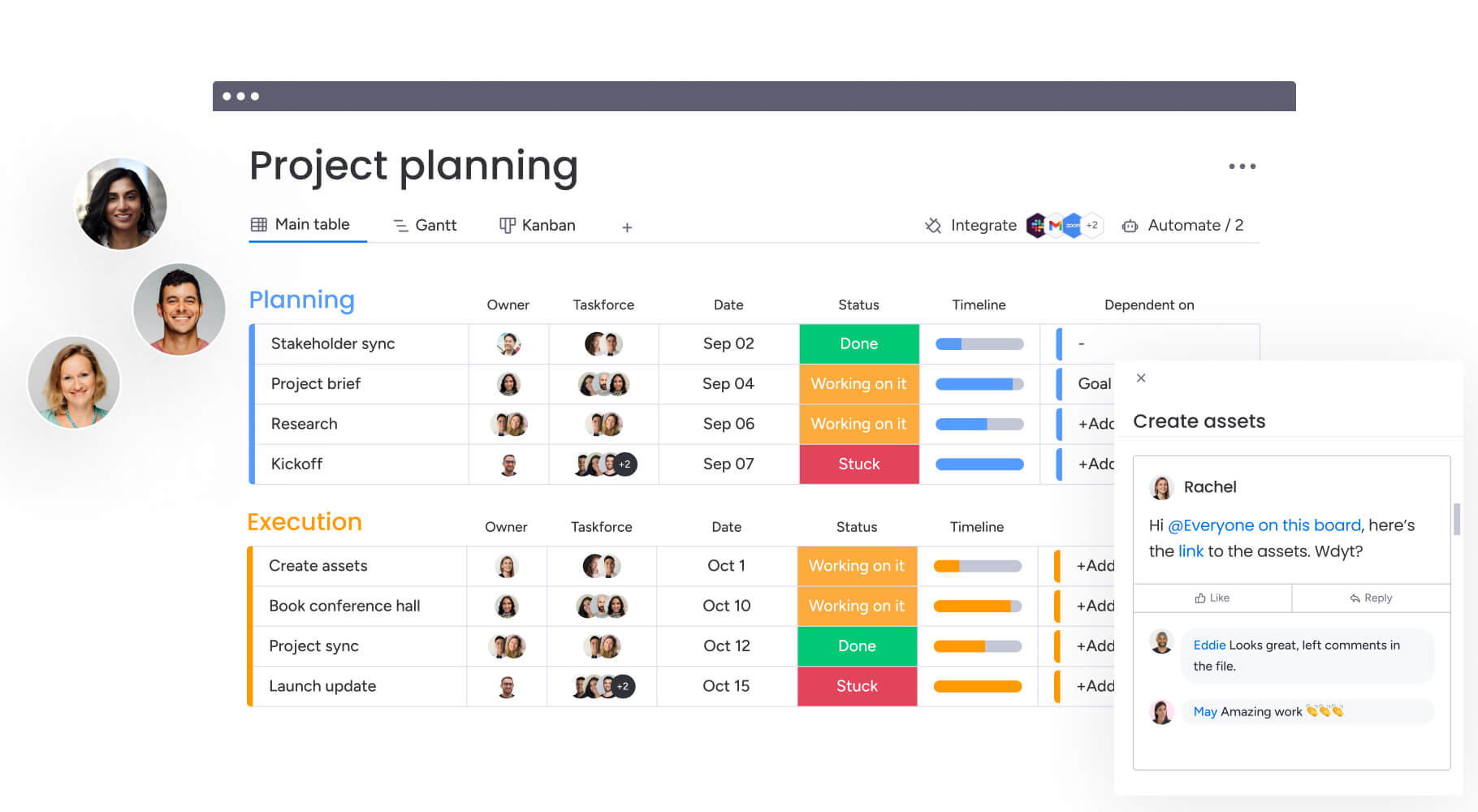
With monday work management, teams see project health, resource allocation, and risks in real time so they can make faster, more informed decisions.
Core project manager responsibilities
Project managers carry five fundamental responsibilities that form the foundation of successful delivery. Knowing these responsibilities helps organizations set defined expectations and gives PMs a benchmark for measuring their own performance.
These duties keep projects on time, on budget, and up to standard while keeping stakeholders happy.
- Planning and defining project scope: this means gathering detailed requirements and setting clear boundaries before work starts. Project managers develop comprehensive timelines, identify dependencies, and create resource plans that prevent scope creep and keep initiatives focused.
- Leading and managing teams: this involves coordinating across departments and skill sets. The project manager motivates team members, resolves conflicts, removes blockers, and ensures everyone understands their specific contribution to project outcomes.
- Tracking progress and performance: this means monitoring project health against your baselines continuously. This includes setting KPIs, analyzing performance data, and making real-time adjustments to keep initiatives on track.
- Communicating with stakeholders: the PM becomes the main info hub. They manage expectations through regular updates, translate technical details for executives, and bridge gaps between different organizational levels.
- Managing risks and changes: this means spotting potential issues early and responding fast when things change. Project managers implement controlled change processes, assess impacts, and adjust plans while maintaining project momentum.
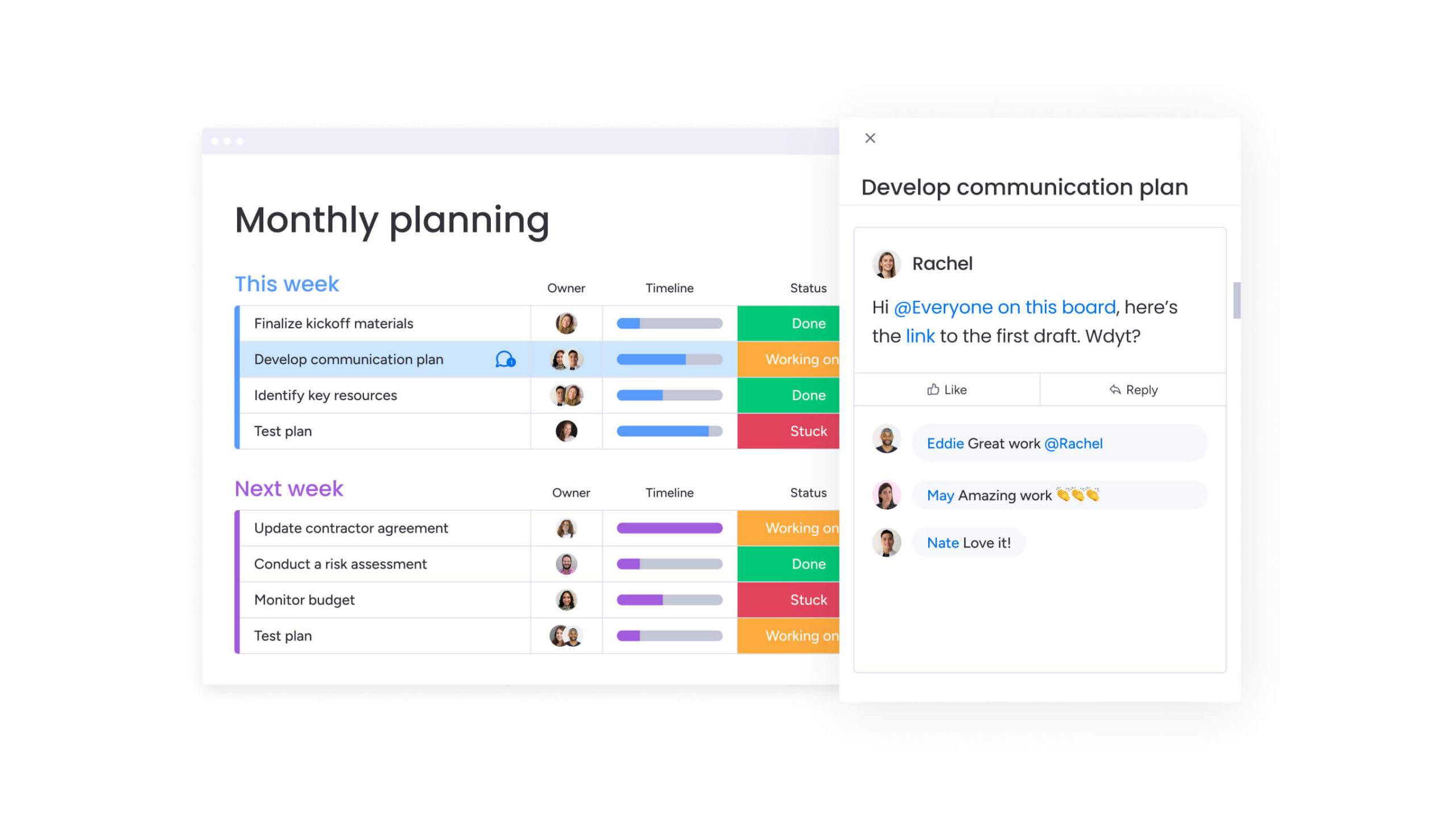
Customizable dashboards and automated notifications within platforms like monday work management make these responsibilities easier to manage. The platform connects daily execution to strategic goals, keeping everyone aligned without constant manual coordination.
5 essential phases throughout the project lifecycle
Successful project managers follow a structured lifecycle approach that ensures consistent delivery and reduces unexpected issues. Each phase builds on the last, creating a framework you can repeat across projects of any size. This approach keeps teams and stakeholders clear on what’s happening while keeping momentum from start to finish.
Phase 1: initiating projects with defined objectives
Start by creating a project charter that outlines success criteria, identifies key stakeholders, and locks in approvals. Project managers establish the business case, define measurable outcomes, and ensure alignment with organizational priorities.
Phase 2: planning resources and timelines
During planning, you build detailed roadmaps. Project managers map dependencies, allocate budgets, assign personnel based on skills and availability, and create the blueprint that guides all subsequent actions.
Phase 3: executing projects and motivating teams
This is where plans become action through daily coordination and leadership. The PM keeps teams engaged, helps them collaborate, and makes sure quality standards are met without losing momentum.
Phase 4: monitoring progress and controlling outcomes
While executing, PMs track performance against baselines, run quality checks, and fix issues as they come up. This constant monitoring keeps projects on track and stops small problems from snowballing.
Phase 5: closing projects and capturing lessons
In the final phase, you deliver the work, get stakeholder sign-off, and document what worked (and what didn’t). Teams capture lessons that make future projects smoother and build org-wide knowledge.
AI helps throughout this entire cycle. In monday work management, Portfolio Risk Insights automatically scans project boards and flags potential issues by severity, helping managers address problems before they impact delivery.
Key project manager skills for modern success
Today’s work environment requires a mix of skills. The best PMs master three skill categories that help them handle technical challenges and lead diverse teams. Together, these skills help PMs adapt when conditions change without losing sight of business goals.
Technical and hard skills
PMs need to know multiple methodologies (Agile, Waterfall, hybrid frameworks) so they can pick the right approach for each project. Essential hard skills include:
- Data analysis: interpreting metrics to make informed decisions.
- Budget management: controlling costs and maximizing resource value.
- Schedule optimization: creating realistic timelines with built-in flexibility.
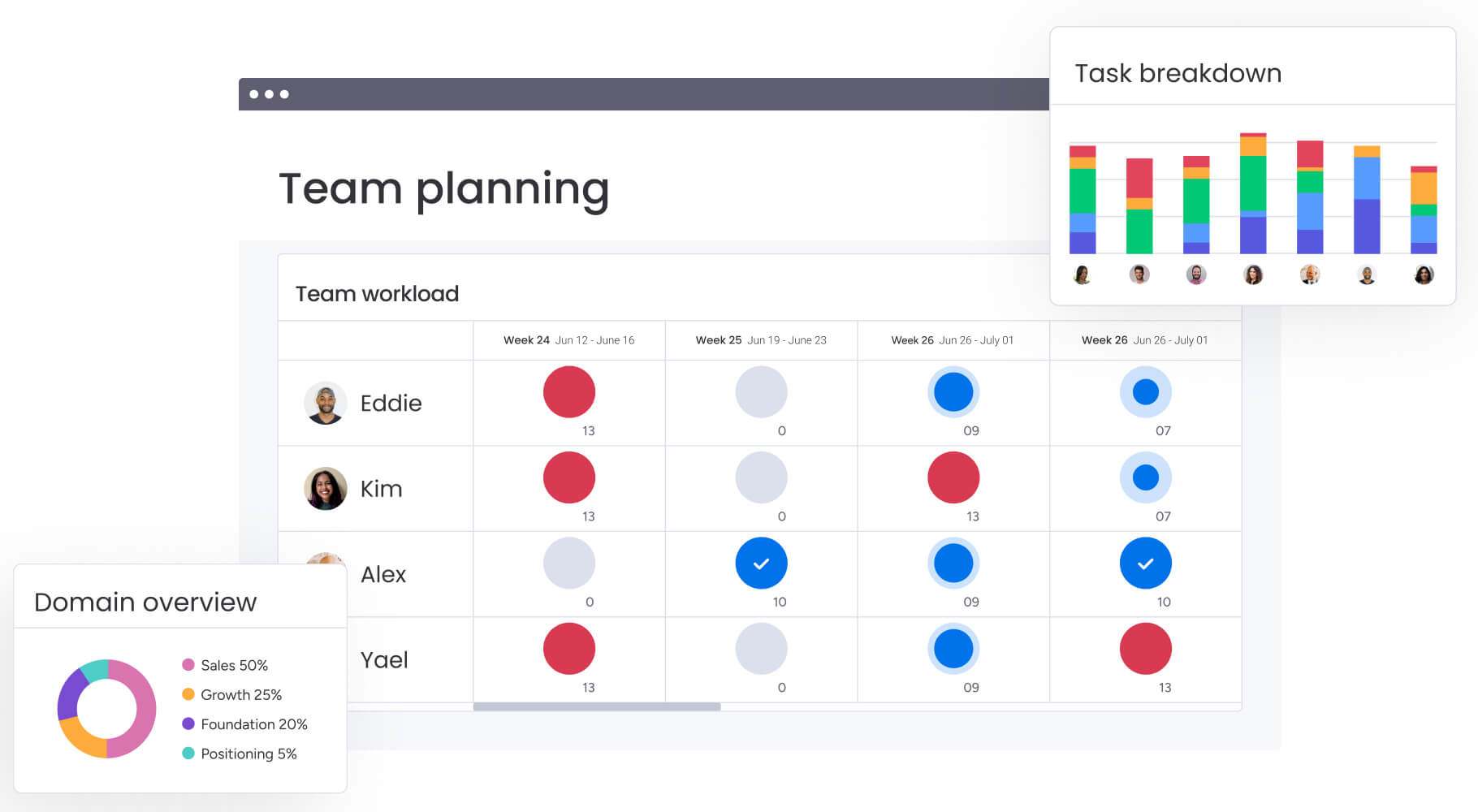
- Platform proficiency: configuring dashboards, automations, and workflows.
Knowing how to use work management platforms is now table stakes. PMs who can build automated workflows and read performance metrics spend less time on admin and more time making strategic calls.
Leadership and communication skills
Soft skills keep teams working well together and stakeholders happy. PMs need to navigate team dynamics, resolve conflicts without drama, and explain complex ideas in plain language. Emotional intelligence helps them understand what motivates their team, spot concerns early, and get different functions working together.
How do you keep distributed teams aligned when everyone works in different locations and time zones? Communication matters even more in hybrid setups where you can’t just walk over to someone’s desk.
Strategic business skills
To connect daily work with company strategy, PMs need business sense. That means understanding change management, spotting what’s driving digital transformation, and finding ways to optimize processes. That means understanding change management, spotting what’s driving digital transformation, and finding ways to optimize processes.
Showing how projects drive revenue, customer satisfaction, or efficiency is what separates coordinators from leaders. Companies now expect PMs to talk about business impact, not just project stats.
7 types of project managers across industries
PM roles have gotten more specialized to handle specific technical needs and industry standards. Each type brings its own expertise but still relies on core PM fundamentals. Knowing these specializations helps companies hire the right people and helps PMs find career paths that fit their interests.
| Type | Primary focus | Key expertise |
|---|---|---|
| IT project manager | Technology implementations and system integrations | Technical requirements, software rollouts, infrastructure scaling |
| Construction project manager | Physical building projects and infrastructure | Safety compliance, contractor coordination, regulatory adherence |
| Marketing project manager | Campaign execution and brand initiatives | Creative team coordination, market deadlines, content workflows |
| Agile project manager | Iterative development cycles | Sprint planning, continuous improvement, team velocity |
| Technical project manager | Engineering and product development | Subject matter expertise, technical decision-making, architecture |
| Digital project manager | Digital transformation and online platforms | Technology adoption, user experience, platform integration |
| Senior project manager | Strategic initiatives and portfolio health | Organizational change, managing other PMs, executive alignment |
Flexible platforms support all these specializations with customizable workflows. Teams using monday work management can tailor boards to each department’s needs while maintaining consistent reporting and organizational visibility.
What do project managers do day-to-day?
Daily work changes based on project phase and company context, but the core rhythm stays the same. Knowing what the day-to-day looks like helps aspiring PMs set realistic expectations and helps companies support them better. These activities show how PMs balance big-picture thinking with getting things done every day.
- Morning planning and priority setting: most days start with checking project dashboards for urgent issues and blockers. PMs check overnight updates, see who’s available, and set priorities that keep teams focused on what matters most.
- Team meetings and collaboration: scheduled time for stand-ups, stakeholder check-ins, and cross-team coordination keeps everyone aligned. PMs run these meetings to uncover blockers, make decisions, and keep info flowing between teams. Good meetings have clear agendas, specific outcomes, and action items everyone can see.
- Progress monitoring and reporting: all day, PMs track what’s done, check performance metrics, and log status changes. They update leadership and adjust plans as new info comes in. Real-time dashboards cut out manual data collection, so managers can focus on analyzing and solving problems.
- Strategic problem-solving: a big chunk of each day goes to handling unexpected issues and managing risks, where PMs dig into issues, come up with solutions, and coordinate responses across teams. Days usually end with prepping for upcoming milestones and thinking through what could go wrong.
Modern work management platforms transform how project managers spend their time by automating routine tasks and providing instant visibility into project status. Instead of manually gathering updates and compiling reports, PMs can redirect their energy toward strategic decision-making, stakeholder relationships, and high-impact problem-solving that drives real business results.
Project manager vs. program manager vs. portfolio manager
These roles work at different org levels, each adding value to how the company executes. Knowing the differences helps companies set up their PM function the right way. Each role needs different skills and focuses on different timelines and stakeholders.
| Aspect | Project manager | Program manager | Portfolio manager |
|---|---|---|---|
| Primary focus | Tactical delivery of specific deliverables | Strategic coordination of related projects | Alignment with long-term business goals |
| Scope | Single project or small set of projects | Multiple related projects (a program) | All projects and programs in organization |
| Timeline | Short-term with defined start/end dates | Mid-term, often continuous | Long-term, ongoing strategic planning |
| Success metric | Quality, time, budget, and scope | ROI and benefit realization | Strategic alignment and value delivery |
| Stakeholders | Project team and direct client | Functional managers and business leads | C-suite executives and board members |
While project managers focus on executing individual projects, program managers coordinate related projects to deliver bigger results and portfolio managers make sure all projects and programs align with company strategy and deliver the most value.

How do AI and digital transformation shape project management?
With 88% of organizations using AI in at least one business function yet only 7% achieving full enterprise scaling, artificial intelligence fundamentally shifts project management from administrative coordination to strategic value delivery, positioning project managers who master AI-powered platforms to lead this transformation rather than be displaced by it.
AI doesn’t replace project managers; it makes them more capable and amplifies what they can do. This shift lets PMs focus on high-impact work while AI handles routine analysis and monitoring.
Portfolio risk insights at scale
AI spots patterns across projects and flags risks before they blow up. Predictive analytics send automated alerts about budget overruns, timeline delays, or resource conflicts. Portfolio Risk Insights provided by monday work management continuously monitors all project boards, flagging issues by severity so managers can prioritize responses effectively.
AI-driven resource optimization
Algorithms optimize team allocation based on skills, availability, and project priorities. This ensures balanced workloads and efficient capacity planning without manual calculation. PMs can confidently put the right people on the right projects because AI has crunched the numbers and suggested the best setup.
Predictive project analytics
AI models forecast project outcomes and recommend corrective actions based on performance trends. Features like AI blocks categorize unstructured data, while Digital Workers provide round-the-clock monitoring. These features help PMs manage complex projects and predict success more accurately.
Moving from reactive to proactive management changes how PMs create value. AI handles routine analysis and alerts, freeing PMs to focus on strategic calls, stakeholder relationships, and leading their teams.
Elevate your project management capabilities
PMs who master both the fundamentals and new tech become strategic partners, not just coordinators. Combining proven methods with AI insights lets PMs deliver more value with less admin work.
Companies get the most value when they give PMs platforms that bring planning, execution, and analysis together in one place. This cuts out tool switching, breaks down data silos, and speeds up decisions across complex projects.
By connecting strategy to execution with smart automation and real-time visibility, monday work management changes how PMs work. The platform lets PMs focus on what counts: leading teams, solving problems, and delivering results that move the company forward.
Elevate your project management with monday work management
Turning PMs from process coordinators into strategic leaders, monday work management gives PMs everything they need to excel, with integrated features that cover every part of the project lifecycle.
See every project in real-time
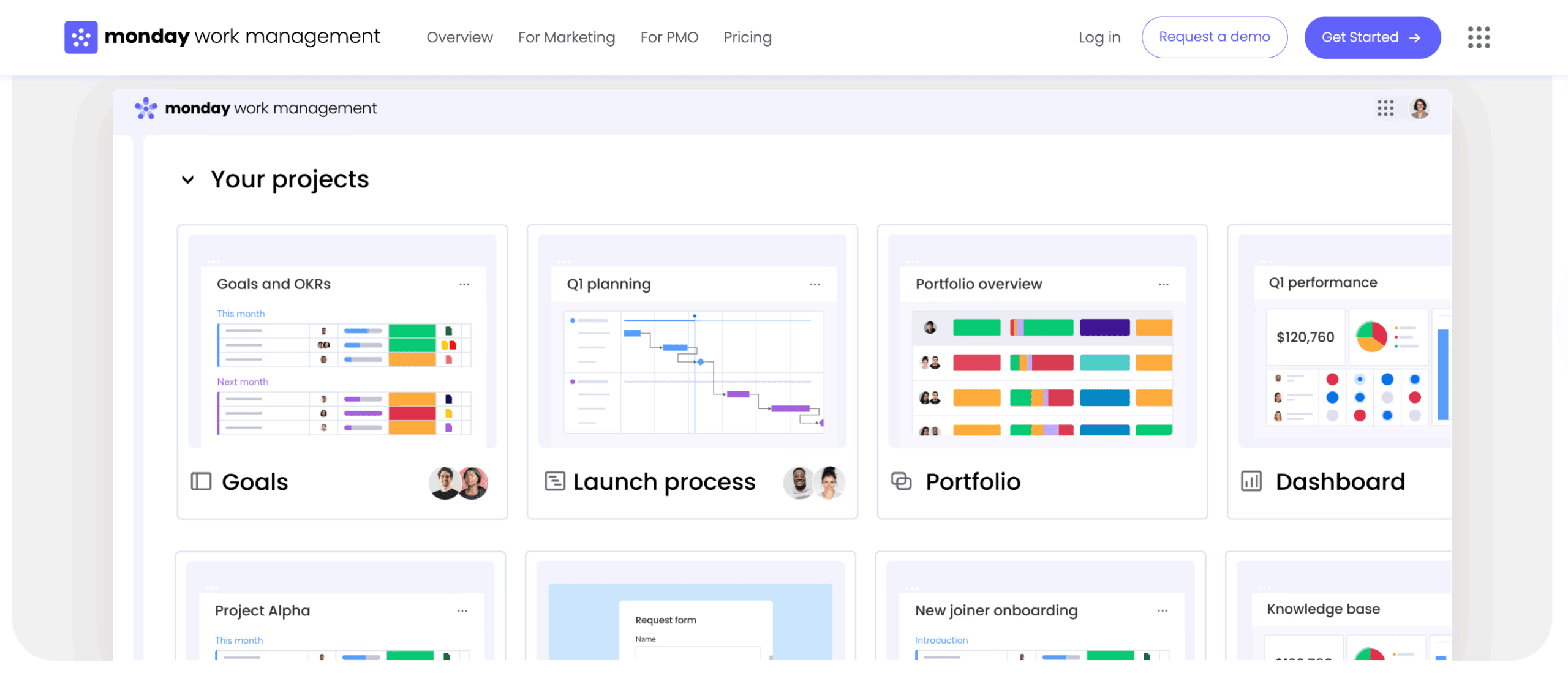
Customizable dashboards and portfolio views instantly show you project health across the org. Features like Gantt charts and workload views show you resource use and bottlenecks at a glance. Project managers can aggregate data from multiple projects into unified views that support informed decision-making.
Automate workflows and reporting
Automation eliminates repetitive administrative tasks that consume valuable time. Status updates, approval workflows, and progress reporting happen automatically based on predefined triggers. AI blocks process information at scale: categorizing requests, summarizing documents, and extracting key insights without manual input.
Scale PM impact without adding headcount
Resource management features and template libraries enable project managers to oversee larger portfolios effectively. Digital Workers like Project Analyzer offer continuous monitoring, extending management capacity around the clock. These AI-powered assistants detect risks, suggest reallocations, and maintain project momentum even outside business hours.
The platform transforms how project managers operate by providing:
- Unified visibility: real-time dashboards replace siloed spreadsheets.
- Intelligent automation: no-code workflows eliminate manual coordination.
- Embedded AI: proactive insights surface risks and opportunities automatically.
- Enterprise scalability: consistent processes scale across departments seamlessly.
- Contextual collaboration: communication happens within workflows, not separate channels.
Frequently asked questions
What are the 5 main responsibilities of a project manager?
The five main responsibilities of a project manager are planning and defining project scope, leading and managing teams, tracking progress and performance, communicating with stakeholders, and managing risks and changes. These core duties ensure projects deliver on time, within budget, and meet quality standards.
What qualifications do you need to become a project manager?
Most project manager roles require a bachelor's degree in business, management, or a related field, combined with relevant work experience in team leadership or coordination. Professional certifications like PMP (Project Management Professional) or CAPM (Certified Associate in Project Management) are often preferred but not always mandatory.
What is the difference between a project manager and a project coordinator?
A project manager leads the overall strategy and execution of projects, making key decisions and managing stakeholder relationships. A project coordinator handles administrative support and logistical coordination under the project manager's direction, focusing on task tracking and documentation.
Can you become a project manager without PMP certification?
Yes, many professionals become successful project managers through demonstrated experience, strong leadership skills, and industry knowledge without PMP certification. While certification can accelerate career growth and open doors to senior roles, practical experience and proven results often carry equal weight.
Which industries have the highest demand for project managers?
High demand for project managers exists in IT, construction, healthcare, finance, and manufacturing sectors where complex initiatives require dedicated coordination. These industries value project managers who can navigate regulatory requirements, manage cross-functional teams, and deliver measurable business outcomes.
How does monday work management support project manager responsibilities?
The platform centralizes planning, tracking, and collaboration through customizable workflows, automated reporting, and AI-powered insights. The platform provides real-time visibility across projects and portfolios while reducing manual coordination through intelligent automation and predictive analytics.

 Get started