

Being a project lead in 2026 means making things happen when complexity gets in the way. You’re juggling shifting priorities, aligning teams that don’t report to you, and making real decisions when trade-offs are unavoidable. One change in product direction affects marketing. A technical blocker impacts launch timing. Leadership wants clarity, and the team needs direction.
This is no longer just a coordination role. A project lead connects business objectives to daily execution. The role involves deciding what moves forward, what gets re-scoped, and how resources are allocated under pressure. Momentum matters, but so does alignment.
This article breaks down what the project lead role actually looks like today. It covers core responsibilities, essential skills, salary expectations, career progression, and how AI is reshaping modern project leadership at scale.
Key takeaways
- The project lead role has shifted from coordination to strategic leadership: Modern project leads connect business goals to execution, make real-time decisions on scope and resources, and guide teams through constant change.
- Cross-functional influence is as critical as formal authority: Successful project leads align stakeholders across departments through clear communication, shared ownership, and strong relationship management.
- AI enables proactive project leadership at scale: Predictive analytics, automated risk detection, and workflow coordination help identify issues early and reduce reliance on reactive problem-solving.
- Scalable leadership depends on repeatable frameworks and visibility: Standardized processes, automation, and centralized dashboards allow project leads to manage multiple initiatives without losing control or quality.
- Work management platforms support portfolio-level oversight: Solutions like monday work management provide integrated visibility, risk insights, and resource tracking that help project leads operate effectively across complex portfolios.
What is a project lead?
A project lead brings cross-functional teams together and ensures the work being delivered actually moves the business forward. It’s not about checking boxes, it’s about connecting strategy to execution and owning the outcome when plans shift.
Project leads don’t just track timelines. They change them. In today’s flexible work environment, 70.1% of schedule-change requests are fully approved when adjustments help people perform better. That means priorities are constantly evolving. A project lead decides what gets moved, what gets delayed, and where resources should go to protect results.
Take a product launch. Marketing wants momentum. Engineering flags quality risks. Sales pushes for deadlines. The project lead makes the call, sometimes delaying a feature to maintain standards, sometimes reallocating effort to remove a blocker.
That’s leadership, not administration.
The role has evolved massively in today: modern project leads coordinate people and technology together, leading collaborative teams across remote and AI-enabled environments rather than relying on rigid top-down control.
Project lead core responsibilities
Project leadership centers on four operational areas that drive work forward daily. These responsibilities separate real leaders from people just shuffling items in a workflow. Each area requires different skills and approaches that contribute to overall project success.
Strategic planning and goal setting
Project leads turn broad business objectives into clear, executable plans. That means defining scope, setting measurable milestones, and making sure every deliverable contributes to real organizational priorities, not just activity.
Modern planning relies on data, not instinct. Realistic timelines come from understanding capacity, dependencies, and past performance. Strategic alignment comes from making goals visible and traceable across teams.
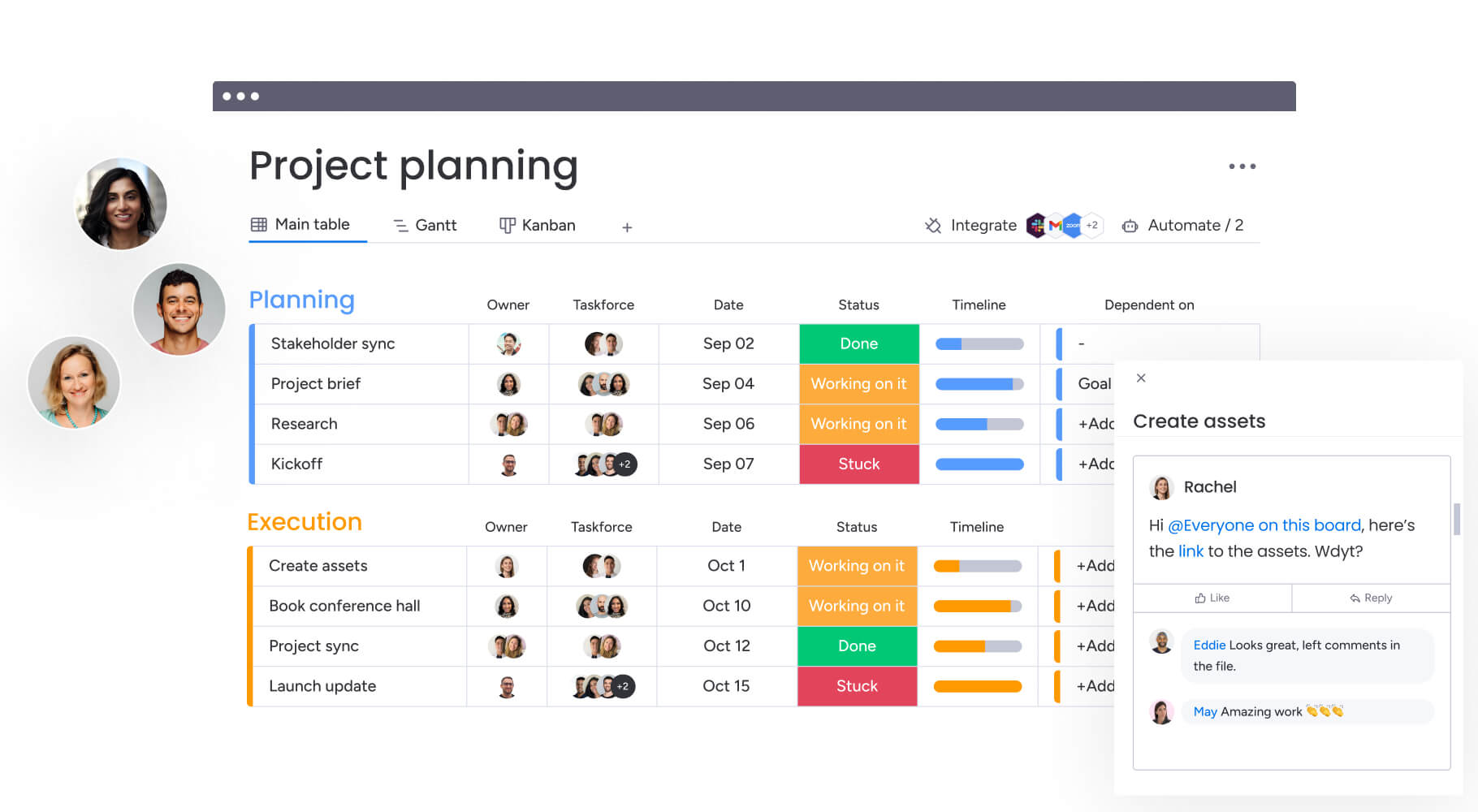
Platforms like monday work management support this by connecting high-level objectives to day-to-day execution. Through OKR frameworks, portfolio views, and linked project boards, project leads can see how individual tasks ladder up to company goals, ensuring strategy doesn’t stay in a slide deck but shows up in the work itself.
Team leadership and coordination
Technology enhances workflows, but project outcomes still depend on people. Project leads facilitate collaboration across departments, resolve conflicts, and maintain momentum. Often, they coordinate teams whose members do not report directly to them but must work together on shared objectives.
Effective coordination includes:
- Clear ownership: Defining who’s responsible for each deliverable.
- Regular touchpoints: Maintaining communication rhythms that keep teams aligned.
- Conflict resolution: Addressing tensions before they impact delivery.
Stakeholder management and communication
Project leads manage the flow of information between internal teams and external stakeholders, including executives, clients, and vendors. Communication strategies differ by audience: executives receive high-level impact summaries, while technical teams receive detailed requirement breakdowns.
This role goes beyond status updates too. Leaders manage expectations, guide decision-making, and show how individual contributions connect to broader objectives.
Risk identification and mitigation
Proactive risk management requires spotting potential issues before they disrupt timelines. Project leads develop contingency plans and adjust in real time when challenges arise, such as scope changes, resource constraints, or technical blockers.
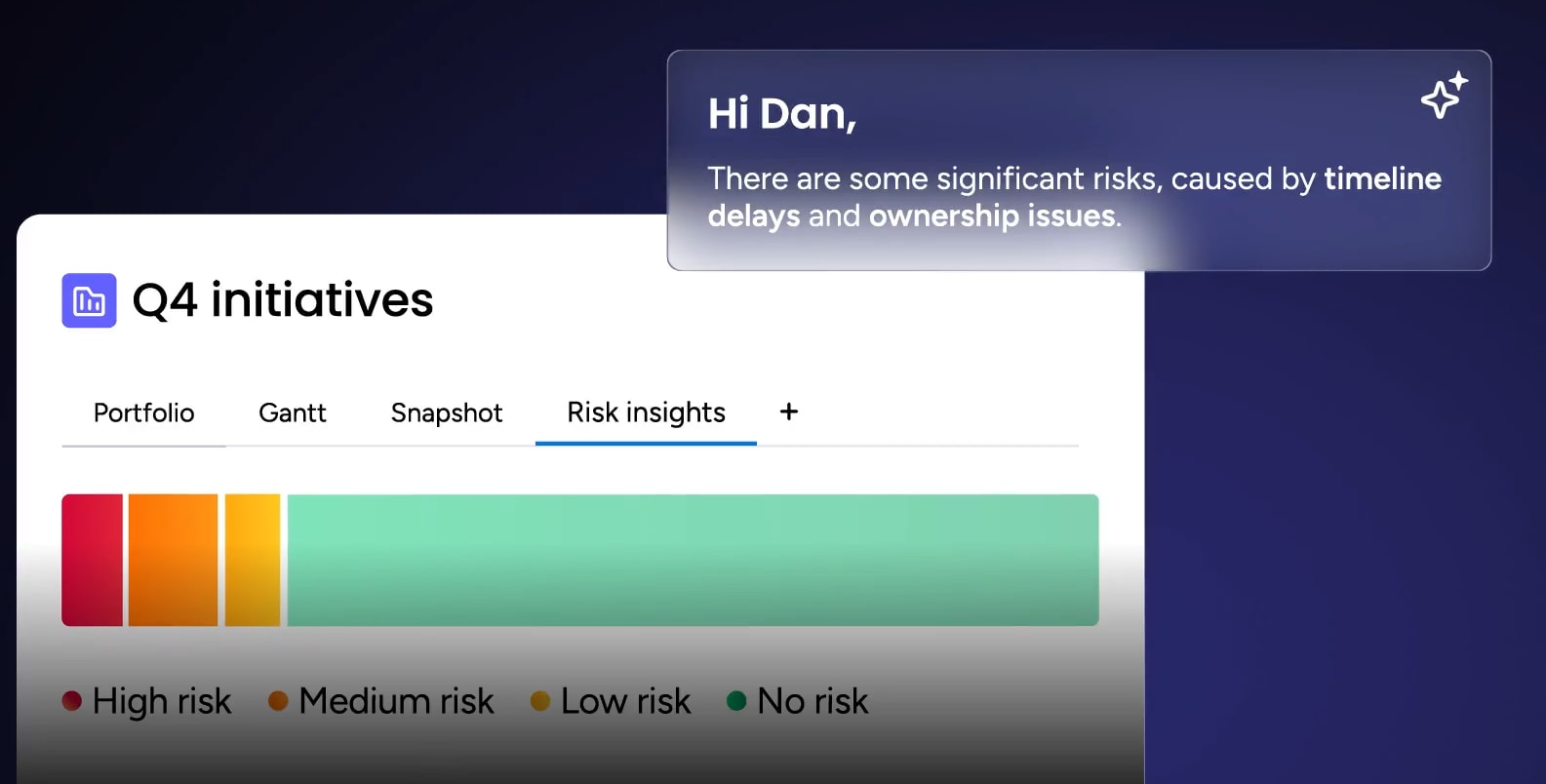
Integrated work management platforms enhance this capability. AI-powered features like Portfolio Risk Insights in monday work management scan project boards to identify risks by severity, allowing leaders to detect anomalies across complex workflows quickly.
Project lead vs project manager: key differences
Project lead and project manager are often used interchangeably, but they are not the same role. The differences go beyond job titles: they show up in decision-making authority, scope of influence, and how each role drives outcomes.
Understanding those distinctions is critical when structuring teams and assigning accountability. The table below breaks down how a project lead differs from a project manager across key areas, from strategic control to career trajectory, so organizations can define expectations clearly and avoid overlap.
| Aspect | Project lead | Project manager |
|---|---|---|
| Decision-making authority | Holds strategic authority to alter scope, direction, and resources | Focuses on execution decisions within pre-defined constraints |
| Scope of influence | Operates cross-functionally, influencing beyond direct reporting lines | Coordinates within specific project teams and methodologies |
| Leadership style | Collaborative and visionary, focuses on "why" | Structured and process-oriented, focuses on "how" |
| Career progression | Advances toward executive roles (Director, VP) | Specializes in methodology expertise or portfolio management |
Organizations often utilize both roles, with project leads setting strategic direction and project managers ensuring process excellence. The distinction becomes especially important as teams scale and complexity increases.
Essential skills for modern project leaders
Excelling as a project lead requires more than experience. It demands a specific set of capabilities that combine technical fluency with leadership instinct.
From managing risk and data to influencing stakeholders and navigating change, the following skills define what separates competent coordinators from high-impact project leaders.
1. Technical project management expertise
Foundational knowledge of methodologies like Agile, Waterfall, and hybrid frameworks remains essential. The skill lies in strategic application, selecting the right method for specific project lifecycle contexts and adapting processes to fit teams rather than forcing teams into rigid frameworks.
2. Emotional intelligence and team leadership
Project leadership requires a blend of technical expertise and interpersonal skills. Leaders with these abilities manage larger initiatives and deliver measurable business impact.
3. Cross-functional communication
Leading distributed and diverse teams demands high emotional intelligence. Project leads recognize early signs of burnout, address personality conflicts, and create environments where team members communicate issues before they escalate.
Key communication practices include:
- Context switching: Adjusting language and detail level for different audiences.
- Visual storytelling: Using dashboards and charts to convey complex information.
- Active listening: Understanding concerns before proposing solutions.
4. Data-driven decision making
Today’s leaders use metrics and analytics to make better calls. Project leads use data to assess project health, resource utilization, and budget burn rates. Data moves conversations from opinions to facts, so you can pivot or reallocate resources faster and with more confidence.
5. AI and automation literacy
Knowing how to use tech to lead better is essential now. That means using AI for automated reports, spotting risks before they hit, and optimizing how work flows. You don’t need to code, just know how to use tools like AI Blocks to cut admin work and organize data fast.
6. Agile and adaptive thinking
Flexibility is essential in rapidly changing environments. Adaptive leaders maintain alignment and stakeholder confidence even when project plans shift, ensuring smooth progress under uncertainty.
7. Business acumen and strategic vision
Finally, project leads must understand revenue models, market positioning, and organizational goals. Deliverables should advance long-term success rather than only completing tasks, ensuring meaningful impact on the business.
How AI revolutionizes project leadership
AI is reshaping project leadership at a practical level. It helps identify risks earlier, automate coordination, forecast outcomes, and monitor performance across multiple initiatives at once.
As projects grow more complex, these capabilities allow project leads to operate with greater visibility and control. The sections below explore how risk detection, automation, predictive analytics, and human-AI collaboration are redefining the role..
AI-powered risk detection and prevention
Modern project leadership depends on seeing risk early, not reacting once deadlines slip. AI strengthens this capability by continuously analyzing project data, spotting patterns that humans would struggle to detect at scale. Sudden increases in task volume can signal scope creep. Shifts in workload trends can point to upcoming bottlenecks.
With monday work management, this intelligence is built directly into the workspace. Portfolio Risk Insights scans connected boards and surfaces risk levels automatically, giving project leads a real-time view of where projects are drifting and why
Automated workflow coordination
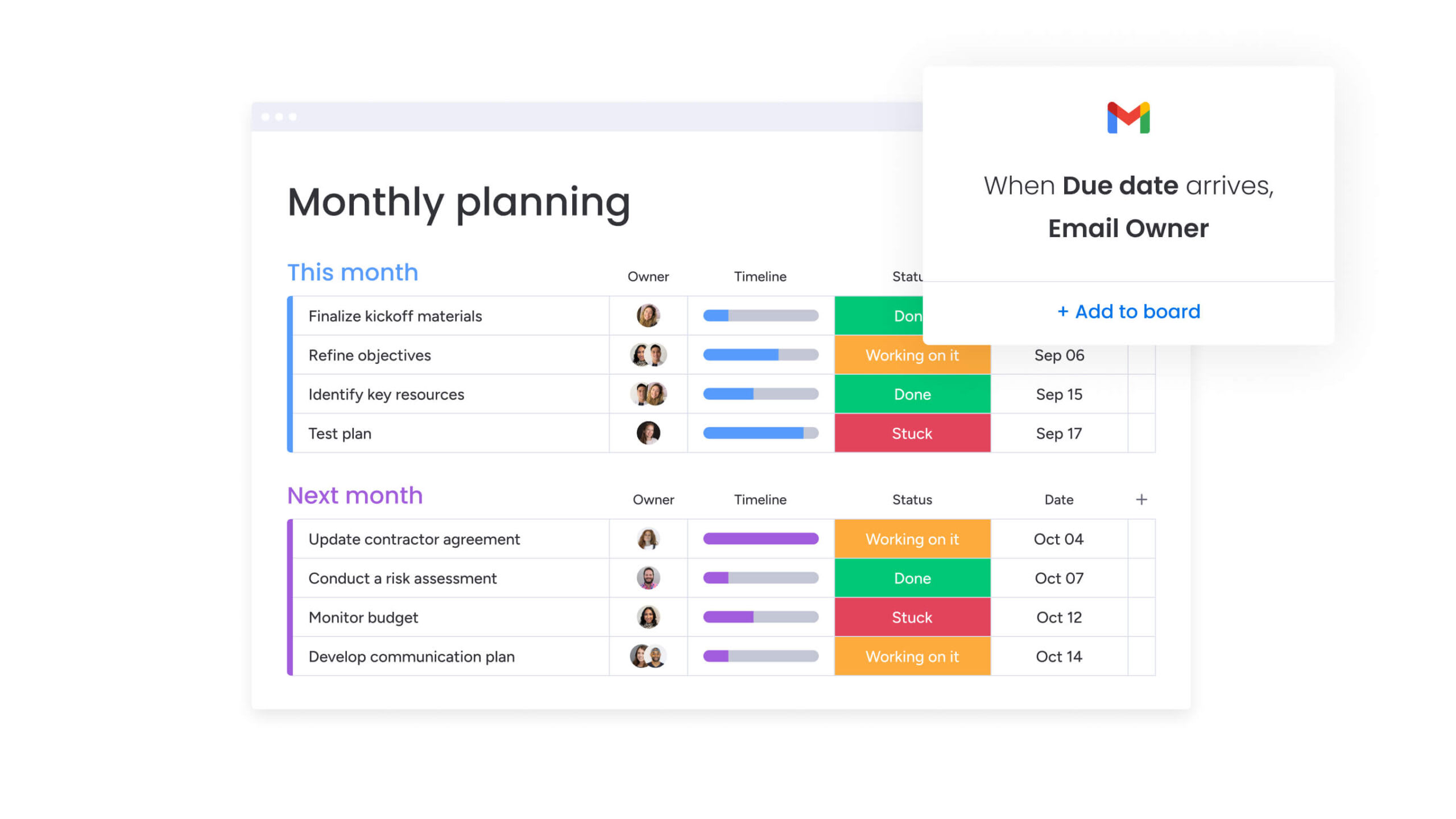
Automation streamlines routine tasks, including status updates, capacity-based assignments, and deadline adjustments for dependent items. Leaders can focus on higher-value work instead of manual coordination.
Benefits of automation include:
- Time savings: Reclaim hours previously spent on manual updates.
- Consistency: Ensure standard processes across all projects.
- Accuracy: Reduce errors in task allocation.
Predictive analytics for project success
AI evaluates historical project data to forecast outcomes. By comparing current progress against thousands of prior projects, predictive analytics help leaders anticipate delays, adjust plans, and maintain transparent communication with stakeholders.
Building human-AI collaborative teams
Modern project leads coordinate both people and AI platforms. They define objectives and parameters while AI executes data-intensive workflows.
Digital workers, such as the Project Analyzer on monday work management, track projects in real time, highlight areas requiring attention, and provide proactive insights, keeping human oversight central to critical decisions.
Strategies to lead projects at scale
Managing extensive portfolios requires specific approaches to maintain quality while using resources efficiently. These strategies outlined below enable organizations to expand operations without losing the personal touch that drives team performance and stakeholder confidence.
1. Build repeatable process frameworks
Standardization enables scale. Project leads create templates and process frameworks adaptable across different projects. This ensures delivery consistency and reduces ramp-up time for new initiatives, as teams already understand workflow structures.
monday work management supports this through customizable templates and automation recipes that standardize crucial work elements while allowing flexibility where needed.
2. Implement smart automation systems
Manual coordination doesn’t scale. Leads identify repetitive touchpoints like status checks, handoffs, and approvals, then implement automation to handle them. This reduces administrative load and ensures every detail is accounted for.
3. Create cross-functional visibility
Breaking down information silos accelerates progress. Scaling strategies involve creating centralized dashboards where stakeholders access relevant project data in real-time. This self-serve visibility reduces status meetings and ensures everyone operates from a single source of truth.
Effective visibility includes:
- Portfolio dashboards: High-level views across all projects.
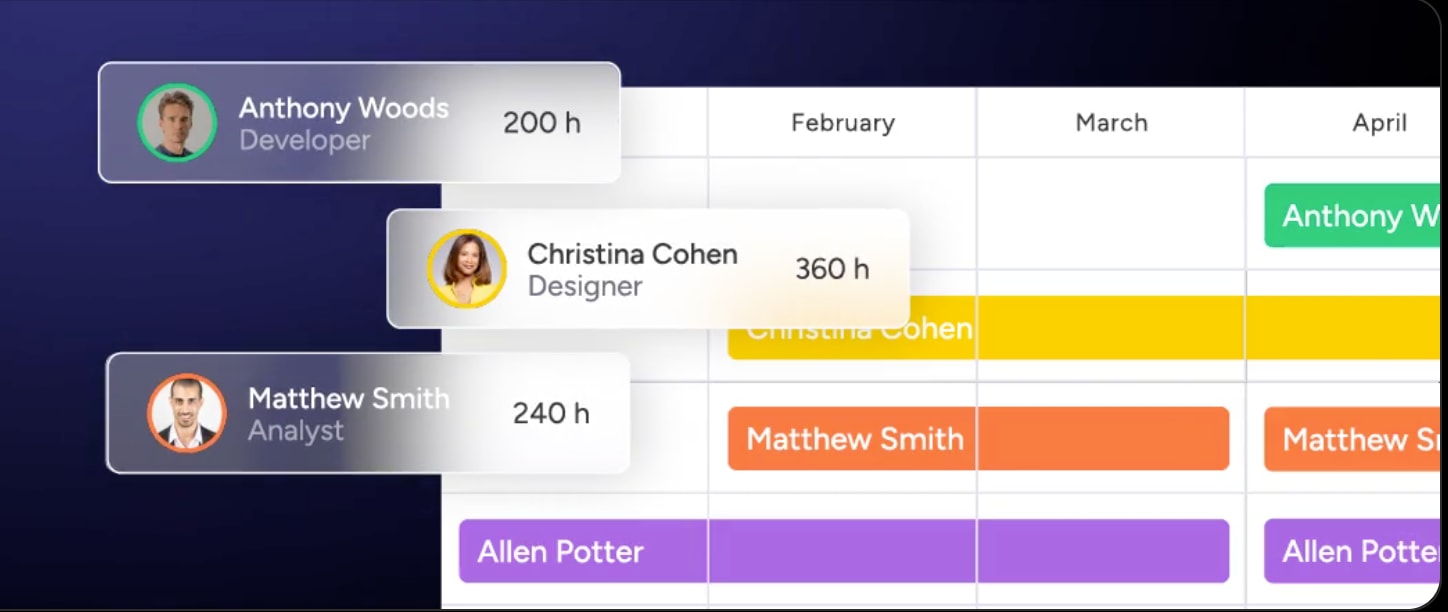
- Team workload views: Resource allocation and capacity tracking.
- Risk indicators: Automated flags for potential issues.
4. Develop scalable team structures
Teams must expand and contract based on project needs. Leads organize communication flows and responsibilities, so adding new members doesn’t create chaos. This involves documentation and role definition, allowing new contributors to plug into workflows immediately.
5. Measure impact beyond delivery
Scale only matters if it drives results. Effective leads track business outcomes like revenue impact, customer satisfaction, and efficiency gains rather than just completion metrics. This ensures that increased work volume translates to increased organizational value.
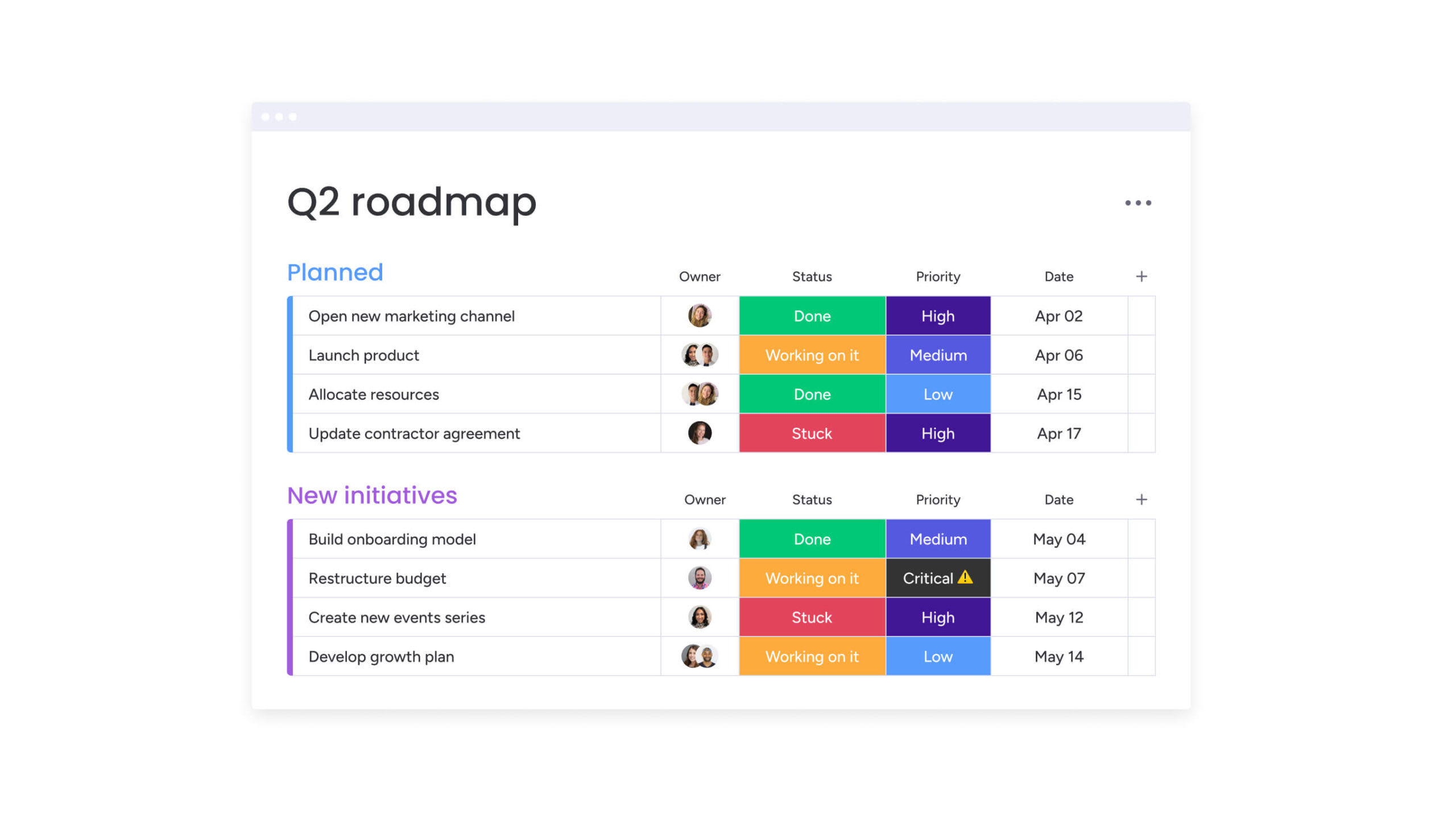
Your project lead career roadmap
Becoming a project lead doesn’t happen by accident, it’s the result of consistently taking ownership, building credibility, and expanding influence beyond a single team or task.
The progression from contributor to strategic leader follows a clear pattern, and understanding that path helps professionals prepare intentionally while giving organizations a framework for developing stronger project leadership talent.
Required experience and qualifications
Most project lead roles require three to five years of relevant experience managing workflows, coordinating teams, and delivering tangible results, similar to project manager requirements. While degrees vary, experience with work management platforms and cross-functional collaboration often matters more than specific academic backgrounds.
Key qualifications include:
- Proven delivery track record: Demonstrated ability to complete complex projects.
- Leadership experience: Even informal team coordination counts.
- Platform proficiency: Familiarity with modern work management systems.
Making the transition to leadership
Moving from individual contributor to lead requires demonstrating ownership. Aspiring leads should volunteer for small initiatives, mentor junior team members, and proactively identify process improvements. Building credibility comes from consistently delivering promises and solving problems without immediate supervision.
Continuous learning and certifications
Certifications demonstrate commitment to the craft. Credentials like PMP (Project Management Professional) or Agile certifications (CSM, PMI-ACP) are widely recognized. However, continuous professional development also involves staying up to date with AI capabilities, data analytics, and change management methodologies.
Advancing to executive roles
High-performing project leads often advance into senior roles such as Director of Operations, VP of Product, or Chief of Staff, where the scope expands beyond individual initiatives to full portfolios and strategic oversight.
At that level, success depends on more than strong execution; it requires a deeper grasp of business economics, cross-functional trade-offs, and the ability to lead other leaders while aligning long-term strategy with operational reality.
Project lead salary and market outlook
Demand for skilled project leads continues to rise as organizations manage digital transformation and more complex hybrid work models. The role carries real responsibility, and compensation reflects that, with competitive packages across industries.
Pay varies by sector. Technology, finance, and healthcare tend to offer the highest salaries, while location still influences earnings. However, remote work is narrowing geographic gaps, giving experienced project leads more flexibility to compete for higher-paying roles regardless of where they live.
Compensation often goes beyond base salary too. Bonuses, performance incentives, and equity are common, especially in tech-driven companies. As AI takes over routine coordination, the value shifts toward leaders who can think strategically, guide teams through uncertainty, and manage stakeholder relationships with confidence.

“monday.com has been a life-changer. It gives us transparency, accountability, and a centralized place to manage projects across the globe".
Kendra Seier | Project Manager
“monday.com is the link that holds our business together — connecting our support office and stores with the visibility to move fast, stay consistent, and understand the impact on revenue.”
Duncan McHugh | Chief Operations OfficerElevate your project leadership impact with monday work management
Project leads in 2026 face the challenge of balancing strategic oversight with day-to-day execution across complex, distributed environments. Managing multiple initiatives, coordinating diverse teams, and anticipating risks without losing sight of organizational goals can stretch even the most experienced leaders.
monday work management helps bridge this gap, turning complexity into clarity and enabling project leads to focus on impact rather than administration.
- Centralized portfolio visibility: Track multiple projects in real time, connecting daily work to strategic objectives.
- Automated risk detection: Identify emerging issues before they disrupt schedules or budgets.
- Streamlined workflow coordination: Reduce manual updates and dependencies through AI-powered automation.
- Cross-functional collaboration: Break down silos by integrating teams and applications in shared digital workspaces.
- Scalable resource management: Balance workloads effectively to prevent bottlenecks and burnout.
By combining visibility, automation, and predictive insights, project leads can manage complex portfolios with confidence, drive alignment across teams, and achieve measurable business outcomes without added complexity.
Frequently asked questions
What does a project lead do on a daily basis?
A project lead spends their day coordinating team activities, communicating with stakeholders, monitoring project progress through data, and resolving blockers to ensure work stays on track.
How is a project lead different from a project manager?
A project lead typically has more strategic authority and cross-functional influence, whereas a project manager often focuses more heavily on process adherence and specific execution details.
What qualifications do you need to become a project lead?
Most roles require 3 to 5 years of project experience, strong communication skills, and familiarity with work management methodologies; certifications like PMP are beneficial but not always mandatory.
Can you be a project lead without formal management authority?
Yes, many project leads drive results through influence and leading without authority, relying on relationship-building and expertise rather than direct reporting lines.
How many projects can one project lead handle effectively?
Capacity depends on complexity, but with the right automation and visibility, a project lead can effectively oversee a portfolio of 5 to 10 active initiatives simultaneously.
How does monday work management support project leadership responsibilities?
monday work management supports leads by centralizing communication, automating routine coordination, providing real-time portfolio visibility, and using AI to detect risks early.

 Get started