


Change used to come in waves. A system upgrade here, a restructuring there, with enough breathing room in between to adjust. Now it arrives constantly, often layered on top of what is already in motion. Teams are expected to adapt quickly while still delivering results, and that pressure quietly builds when changes feel unclear or never fully settle.
This is where organizational change management starts to matter in a real, everyday way. It is not just about rolling out something new, it is about helping people actually move with it. When that piece is missing, even the best plans stall. When it is done well, teams stay steady, adoption happens faster, and change feels far less disruptive.
In the sections that follow, let’s break down how modern organizations handle this shift in 2026. From practical frameworks to smarter use of data and AI, the focus is on building change that sticks, scales, and keeps people aligned as everything around them continues to evolve.
Key takeaways
- Treat change as an ongoing capability: Build organizational change management as a repeatable business capability that helps teams adapt continuously, rather than approaching change as a series of isolated projects.
- Measure success by adoption, not launch: The real test of change is whether employees understand, embrace, and use new systems, processes, or structures in their daily work.
- Reduce change fatigue through smarter prioritization: Managing the full portfolio of active initiatives helps leaders avoid overwhelming teams and focus resources on the changes that matter most.
- Use real time data to improve outcomes: Tracking adoption, utilization, and employee sentiment as change unfolds helps organizations adjust quickly and reinforce what is working.
- Create visibility across every initiative: Platforms such as monday.com can centralize change efforts, automate workflows, and give leaders a clearer view of progress, risks, and follow through.
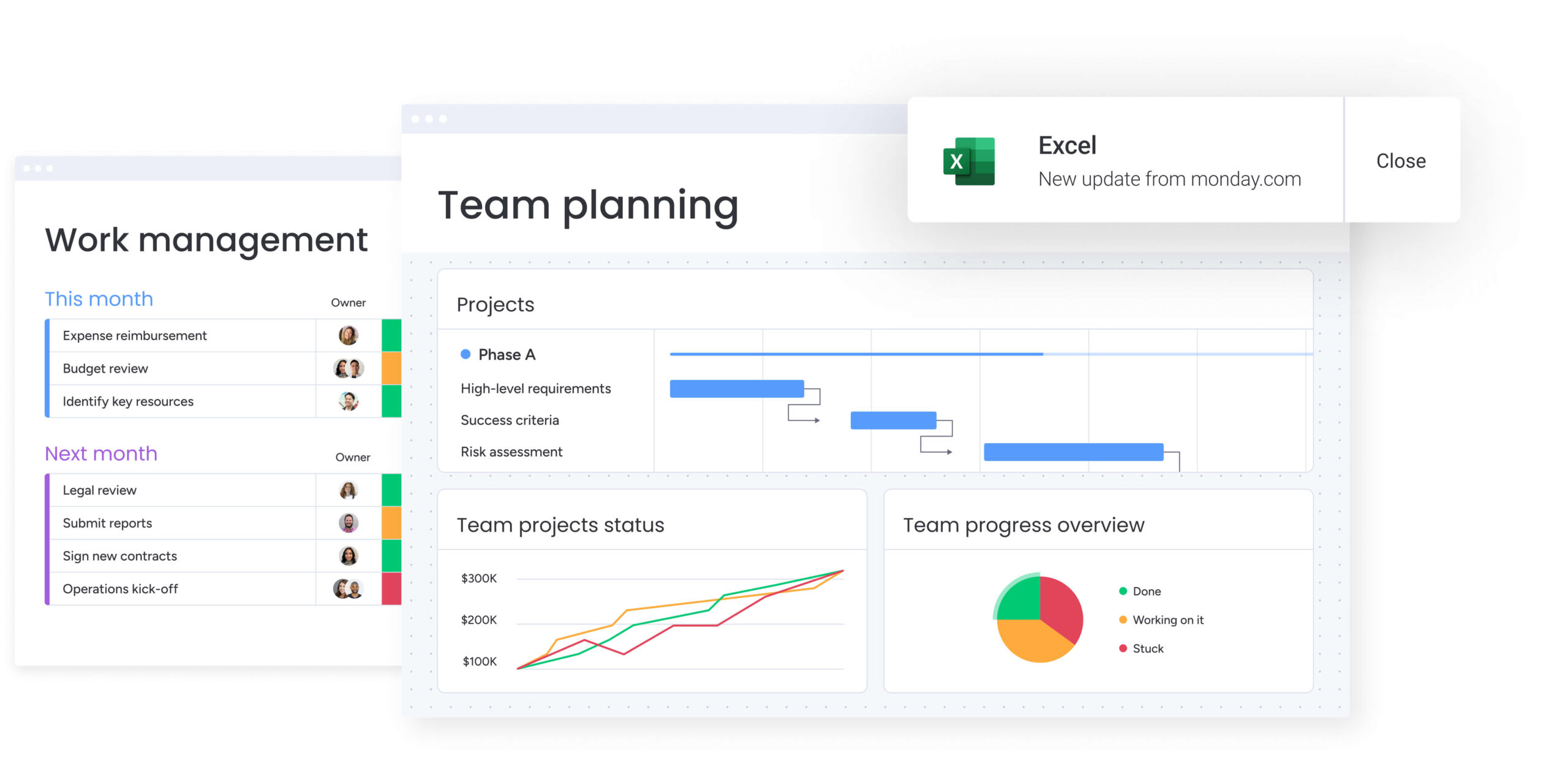
What is organizational change management?
Organizational change management, or OCM, is about helping people adjust when your company makes a shift. It focuses on how employees understand, accept, and actually use new systems, processes, or strategies. Without that human alignment, even the best ideas fail to deliver results.
While project management handles building and launching solutions, OCM ensures those solutions are used properly. For example, a new platform means nothing if teams ignore it. In the same way, a restructure falls apart if people quietly return to old habits.
That is where OCM steps in, it supports people through change so the effort sticks.
Defining OCM for continuous transformation
In the past, change was treated as a one time event. Organizations would prepare for change, implement it, and then settle back into routine. That model no longer works because change now happens constantly and often overlaps.
Today, OCM is more dynamic and data driven. You can track adoption and employee sentiment in real time, which helps leaders adjust direction quickly. Instead of relying on occasional surveys, feedback is built into everyday workflows. As a result, change becomes a shared process rather than a top down directive.
Core components of modern change management
To make change successful, you need a structured approach that focuses on people at every step. Each element plays a specific role in ensuring adoption happens smoothly and consistently.
- Stakeholder analysis: Identify everyone affected by the change, understand their level of influence, and tailor your approach to address their concerns and motivations.
- Communication strategy: Deliver clear and timely messages that explain why the change matters, using channels that people already trust and engage with.
- Training and enablement: Equip employees with the right skills through timely learning, rather than overwhelming them with one time sessions.
- Resistance management: Detect early signs of pushback and address them before they slow down progress or create friction.
- Reinforcement mechanisms: Use recognition, performance metrics, and feedback loops to encourage adoption and correct gaps.
Evolution from episodic programs to ongoing capability
Change is no longer something organizations prepare for once and then move past. In 2026, change happens continuously, often across multiple initiatives at the same time. That shift requires more than improved communication or better documentation, it requires building change readiness directly into everyday workflows.
The difference becomes clear when comparing traditional, project-based approaches with modern, ongoing change capability. Instead of treating change as a temporary disruption, organizations now design systems that help teams adapt consistently and confidently over time.
| Feature | Traditional change management | Modern change capability |
|---|---|---|
| Approach | Episodic, project-based events | Continuous, iterative flow |
| Timeline | Linear (start to finish) | Cyclical and ongoing |
| Tools | Spreadsheets, email, slides | Integrated Work OS, AI analytics |
| Feedback | Retrospective surveys | Real-time sentiment analysis |
| Success metric | "Go-live" completion | Sustained adoption and ROI |
Today, OCM is more dynamic and data driven. You can track adoption and employee sentiment in real time, which helps leaders adjust direction quickly. Instead of relying on occasional surveys, feedback is built into everyday workflows.
Why organizational change management matters more than ever
Organizational change is no longer occasional, it is constant. Market shifts, new technologies, and rising expectations mean you are always adjusting how your business operates. Because of this, how well you manage change directly affects how well you compete.
That is where organizational change management comes in. It connects strategy to execution by helping people understand, adopt, and sustain change. When done right, it becomes a core capability rather than a support function.
Learn more: Organizational strategies
What strong change management actually delivers
When change is handled with structure and intent, the impact shows up across the business. These outcomes are not abstract, they directly affect performance, stability, and growth.
- Risk mitigation: Structured OCM reduces the likelihood of project failure, so you protect investments and avoid unnecessary downtime. As a result, initiatives move forward with fewer surprises.
- Talent retention: Employees who feel guided through change are less overwhelmed and more engaged. Because of this, they are far less likely to leave during periods of uncertainty.
- Strategic agility: Organizations with strong change maturity can adjust direction quickly. Whether you are integrating acquisitions or rolling out new technology, you move with confidence.
- Operational efficiency: Productivity dips are inevitable during transitions. However, OCM helps minimize that impact so teams stay focused and output remains steady.
- Team wellbeing: Balanced workloads and clear communication reduce burnout. At the same time, teams maintain energy and momentum as the organization grows.
- Faster execution: With clear visibility into capacity and demand, you can make quicker decisions. That is why execution becomes more decisive and less reactive.
The true cost of failed transformations
When change management is weak, the consequences go far beyond missed deadlines or budget overruns. Over time, employees begin to disengage, especially when they see initiatives come and go without clear results.
This leads to change fatigue. People grow skeptical and resist new efforts, even when those efforts are necessary. As a result, every future initiative becomes harder to implement.
Operational issues also start to surface. New systems may go live, yet teams rely on workarounds, introduce errors, or slow down processes. In addition, trust in leadership begins to erode, which makes alignment across the organization even more difficult.
Building competitive advantage through change agility
Organizations that handle change well do not treat it as disruption. Instead, they treat it as part of everyday work. This shift in mindset is what creates real agility.
Change agility allows you to respond faster to opportunities and external pressures. For instance, you can bring new products to market sooner or adjust structures when conditions shift. At the same time, adopting technologies like AI becomes less disruptive and more natural.
Because of this, you are not just keeping up, you are moving ahead. While others struggle with internal resistance, your organization is already executing the next step.
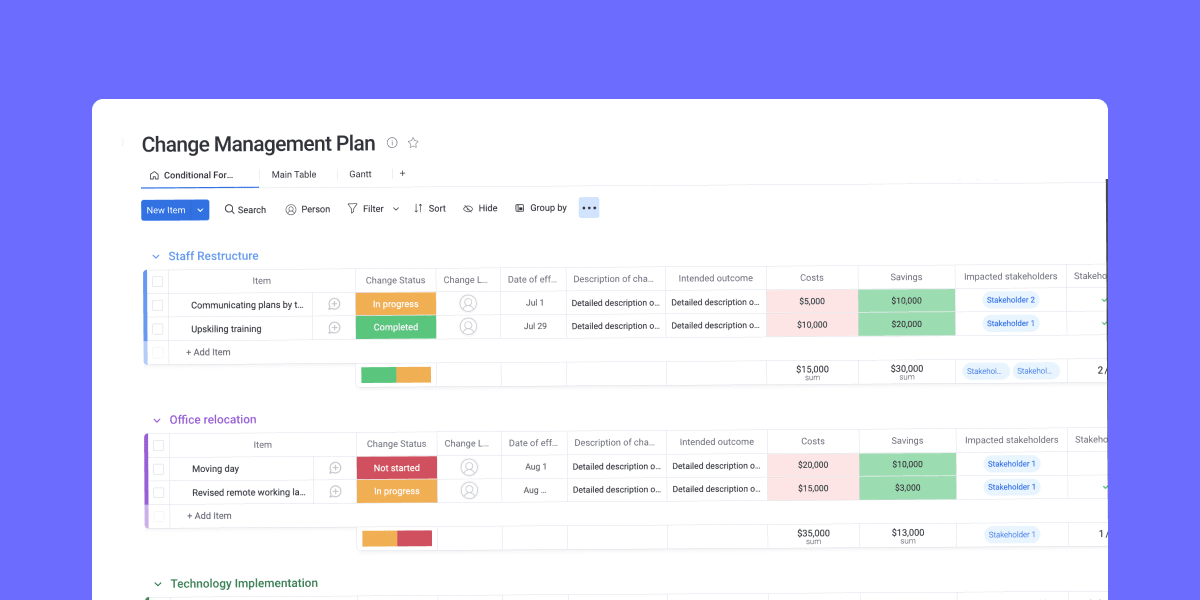
ROI and business impact of effective OCM
The value of OCM is measurable, and it shows up in both speed and outcomes. Research shows that projects with strong change management are six times more likely to meet their objectives.
Adoption happens faster, which means you start seeing returns earlier. Instead of waiting months for teams to adjust, they begin using new systems effectively from the start.
In addition, utilization improves. Even the best solution delivers no value if people avoid using it. OCM ensures teams reach the level of proficiency needed to unlock real business impact.
How OCM differs from project management
Before comparing the two, it helps to understand why both are necessary. While project management focuses on delivering solutions, OCM ensures those solutions are actually used and sustained.
Below is a clear breakdown of how they differ in practice:
| Dimension | Project management | Organizational change management |
|---|---|---|
| Focus | Technical delivery and execution | People adoption and usage |
| Timeline | Finite (start date to end date) | Ongoing (until adoption is sustained) |
| Success measures | On time, on budget, within scope | Adoption rate, utilization, proficiency |
| Stakeholders | Project team and suppliers | Employees, managers, and leaders |
| Primary methods | Gantt charts, resource planning | Communication plans, training, coaching |
Project management delivers the solution itself. For example, a new platform, a restructured team, or an updated process.
OCM, on the other hand, ensures people actually use that solution effectively. That is why success is measured not by launch dates, but by how quickly and confidently teams adopt the change.
Try monday.com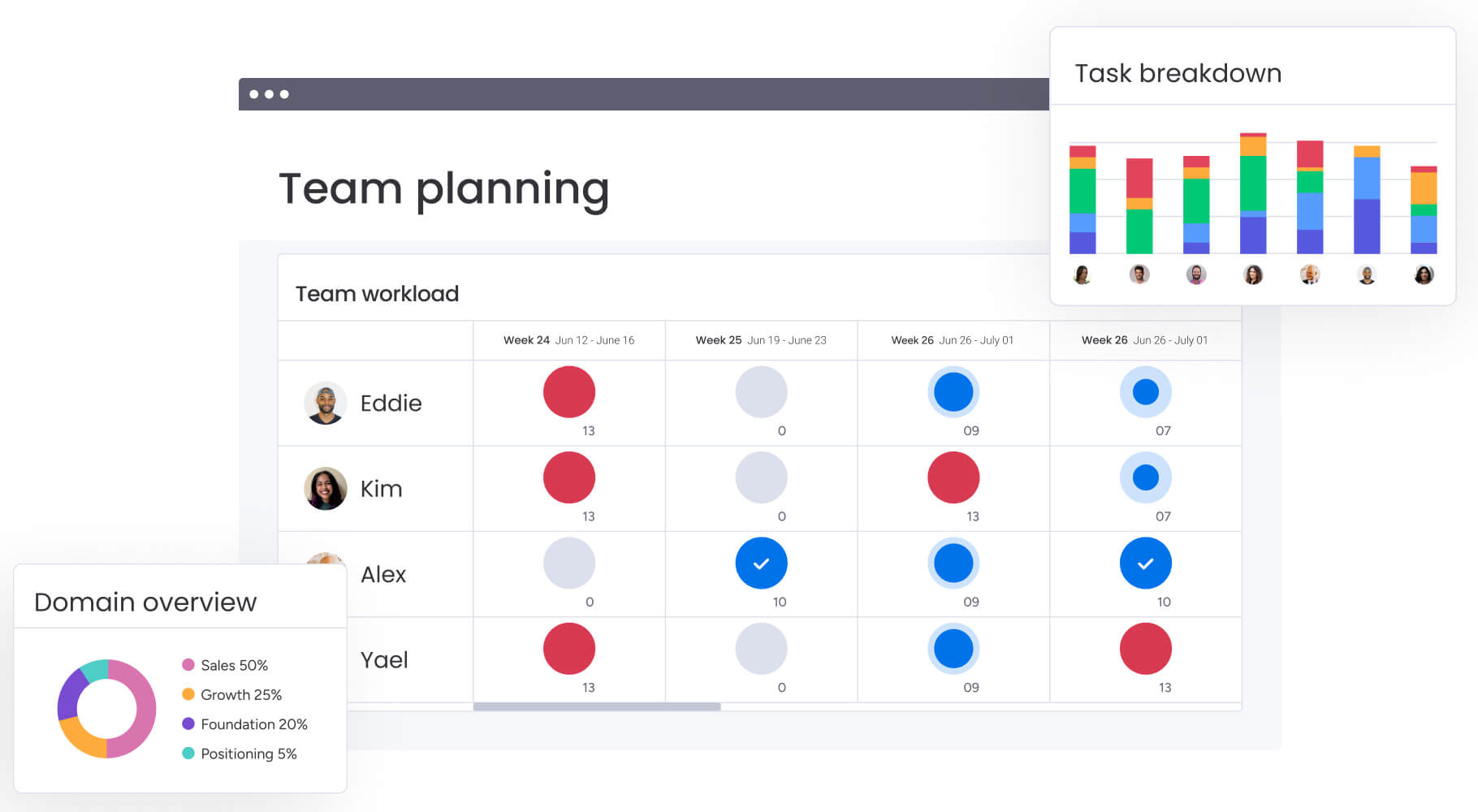
What drives organizational change today?
Organizations today are under constant pressure to adapt, both from outside forces and internal shifts. As a result, sticking with existing ways of working is rarely an option. You need to regularly reassess how your workflows, systems, and teams operate to keep up.
Digital and AI transformation pressures
AI and automation are reshaping how work gets done across every function. This is not just about adding new technology, it often means redefining roles, skills, and processes at a fundamental level.
At the same time, employees may feel uncertain about how these changes affect their jobs. That is why organizations need to balance upskilling with clear communication. Intelligent platforms like monday.com help teams experience AI as support in their workflow, rather than something that replaces them.
Market disruption and competitive forces
Markets are moving faster than ever, with new competitors entering from unexpected places. Customer expectations also shift quickly, which puts pressure on businesses to respond without delay.
Because of this, companies often need to restructure, launch new offerings, or adjust their strategy. OCM plays a key role here by helping teams adapt quickly without creating confusion or resistance.
Regulatory and compliance requirements
Regulations are becoming more complex, especially in areas like data privacy, AI governance, and sustainability. These changes often require immediate action, leaving little room for error.
OCM ensures that these updates are implemented consistently across the organization. It also helps employees understand what is expected of them, reducing risk and improving accountability.
Evolving workforce expectations
Employee expectations have shifted significantly in recent years. People now look for flexibility, meaningful work, and technology that feels intuitive and easy to use.
In addition, hybrid and remote work have changed how teams collaborate. This means organizations must rethink communication, culture, and engagement. OCM helps guide these adjustments so teams stay connected, productive, and aligned.
Intelligent latforms like monday.com help teams experience AI as support in their workflow, rather than something that replaces them.
5 types of organizational change
Understanding the type of change you are dealing with shapes every decision that follows. It helps you choose the right approach, set expectations, and avoid unnecessary friction. Most initiatives fall into five clear categories, each with its own demands and risks.
Strategic and structural changes
These changes reshape how your organization is built and where it is headed. They include mergers, acquisitions, leadership shifts, restructures, or changes in market direction.
Because these shifts affect reporting lines and job stability, they often create uncertainty. That’s why strong executive backing and clear communication are essential, so your team understands both the purpose and the path ahead.
Process and operational changes
Process changes focus on how work gets done day to day. This can include refining workflows, redesigning supply chains, or updating standard procedures to improve efficiency or quality.
Here, success depends on clarity and consistency. Managers play a key role in guiding teams through new routines, so people adopt better ways of working instead of slipping back into old habits.
Technology and digital changes
These changes involve introducing new platforms, systems, or infrastructure. For example, you might move to cloud-based environments, adopt a new CRM, or strengthen cybersecurity practices.
Even though the technology matters, adoption is the real challenge. So, you need to focus on training, support, and showing clear value, so people feel confident using new capabilities in their daily work.
Cultural and behavioral changes
Cultural change focuses on how people think, act, and collaborate. This includes building a more customer-focused mindset, encouraging innovation, or improving inclusion across teams.
Unlike systems or processes, culture cannot be switched overnight. Instead, it grows through consistent leadership behavior, aligned incentives, and steady reinforcement over time.
Continuous transformation initiatives
Some organizations operate in a constant state of change rather than running one-off projects. This includes agile transformations or shifts toward product-led models.
In these cases, change becomes part of everyday work. Teams test ideas, learn quickly, and adapt as they go, which helps build a culture that can handle ongoing shifts without losing momentum.
Try monday.com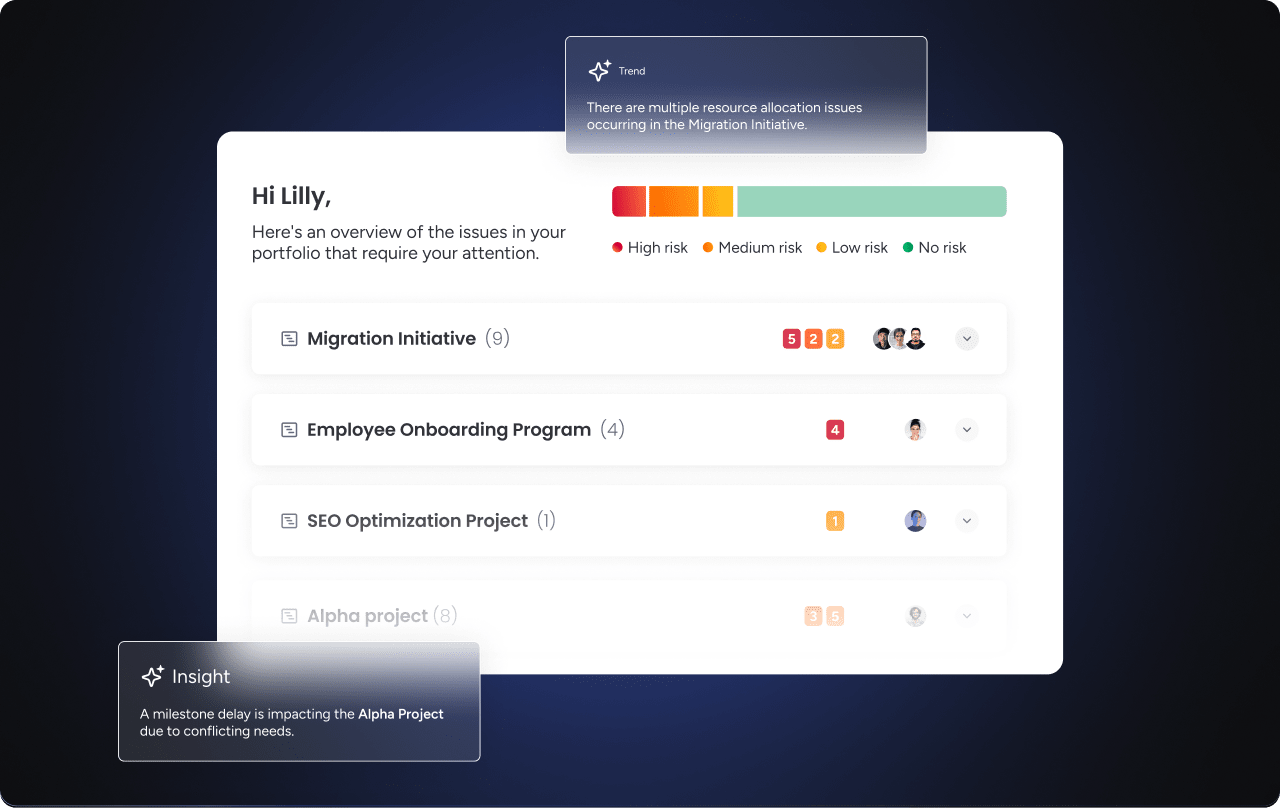
Who owns organizational change management?
Change does not sit with one team alone, but ownership still needs to be clear. When roles are defined, decisions move faster and accountability stays intact. While many people contribute, a few groups carry specific responsibilities.
Before looking at the details, here is how ownership is typically distributed across an organization.
- Executive sponsors: Senior leaders set the direction and give change its authority. They allocate resources, remove major blockers, and stay visibly involved, which directly impacts success rates.
- Change management office (CMO): This group defines how change is managed across the organization. They provide structure, frameworks, and guidance so efforts stay consistent and scalable.
- HR and people operations: HR supports the human side of change, including training, role design, and performance alignment. They help ensure that people are prepared and supported through transitions.
- Department leaders and managers: Managers connect strategy to execution. They guide their teams through daily changes, address concerns early, and play a critical role in reducing resistance.
3 levels of effective change management
For change to work, it needs to happen at multiple levels at the same time. Focusing on only one layer creates gaps that slow progress or weaken results. A strong approach connects individual, project, and organizational efforts.
1. Individual change management
Every change starts with the individual. If people do not adjust their behavior, the organization cannot move forward.
At this level, the focus is on personal experience. You need to address concerns, build skills, and support each person so they can confidently work in new ways.
2. Project and initiative level change
This is where change connects directly to specific initiatives, such as system rollouts or restructures. It runs alongside the project plan rather than sitting outside it.
You create structured plans for communication, training, and leadership alignment. The goal is simple, ensure the initiative delivers real value by driving adoption.
3. Enterprise change capability
At the highest level, change becomes part of how your organization operates. Instead of reacting to shifts, you build the ability to manage them consistently.
This includes standard methods, trained leaders, and careful planning of how much change your teams can handle at once. As a result, you avoid overload and keep progress steady.

Essential OCM frameworks and methodologies
When you are managing change at scale, having a clear structure makes all the difference. Frameworks give you a reliable way to guide people, align teams, and reduce uncertainty. Most organizations do not stick to just one method, instead, they blend approaches to fit their goals and culture.
ADKAR model for individual change
The ADKAR model focuses on what each individual needs to move through change successfully. It breaks the journey into five clear outcomes, awareness, desire, knowledge, ability, and reinforcement. This makes it easier to spot exactly where people are getting stuck.
Because of this, it works especially well when you are dealing with resistance or low adoption. You can quickly identify gaps, then coach individuals in a targeted way instead of guessing what went wrong.
Kotter’s 8 step process
Kotter’s model takes a leadership driven approach, which makes it ideal for large, strategic shifts. It starts by building urgency, then moves into forming a strong coalition and creating a clear vision. From there, the focus shifts to communication, removing barriers, and building momentum.
What makes this model effective is its emphasis on early wins and visible progress. These small victories build confidence, which helps sustain energy as the change effort grows across the organization.
Prosci 3 phase implementation
Prosci organizes change into three practical phases, prepare approach, manage change, and sustain outcomes. Each phase is tied to specific actions, so you always know what needs to happen next. This makes execution more predictable and easier to manage.
In addition, it fits naturally alongside project management practices. You can align communication, training, and sponsorship efforts with project milestones, which keeps everything moving in sync.
Agile change management approaches
Agile change management shifts away from heavy upfront planning and focuses on iteration. Instead of rolling out one large change, you introduce smaller updates in cycles. Then you gather feedback and refine your approach as you go.
This is especially useful in fast moving environments, such as digital product rollouts. Since the end state is not always fixed, this method allows you to adjust based on real user behavior and evolving needs.

7 steps to implement organizational change management
Implementing OCM requires a systematic approach that moves from planning to sustained execution. This framework ensures no critical element is overlooked.
A structured approach helps you move from planning into execution without missing key elements. Each step builds on the previous one, so you create momentum while staying aligned with your goals.
Step 1: assess current state and change readiness
Before you begin, you need a clear picture of where your organization stands. This includes understanding the scale of change, who will be impacted, and how similar efforts have played out in the past.
At the same time, stakeholder analysis helps you identify supporters and potential resistance. This insight allows you to adjust your approach early, rather than reacting later when issues surface.
Step 2: define vision and success metrics
A strong vision gives people a reason to care about the change. It should clearly explain what is changing, why it matters, and what success looks like in practical terms.
Alongside that, you need measurable outcomes. Instead of focusing only on timelines, include adoption rates, usage levels, and business impact so you can track real progress.
Step 3: build your change coalition
Change efforts gain strength when they are supported across different levels of the organization. This step involves bringing together sponsors, leaders, and team level advocates who can influence others.
These individuals help reinforce messaging and model new behaviors. As a result, the change feels more credible and less like a top down directive.
Step 4: create automated communication workflows
Consistent communication keeps everyone aligned, especially during complex initiatives. By using automation, you can deliver the right message at the right moment without relying on manual effort.
With monday.com, you can set up workflows that trigger updates, reminders, and approvals. This ensures stakeholders stay informed without being overwhelmed.
Step 5: design scalable training programs
Training needs to fit into how people actually work. Instead of relying only on formal sessions, you can create flexible learning paths that support different roles and preferences.
For example, short modules and in workflow guidance allow employees to learn as they go. This reduces disruption and helps reinforce learning in real situations.
Step 6: execute with AI powered tracking
As execution begins, visibility becomes critical. AI driven insights help you monitor progress, identify risks, and understand engagement levels in real time.
Within monday.com, Portfolio Risk Insights can flag issues based on severity. This allows you to act early, rather than waiting for problems to grow.
Step 7: monitor adoption and iterate continuously
After launch, the focus shifts to making sure the change sticks. You need to track how people are actually using new processes and where gaps still exist.
Regular feedback and usage data help you refine your approach. Over time, this continuous adjustment ensures the change becomes part of everyday work.
A strong vision gives people a reason to care about the change. It should clearly explain what is changing, why it matters, and what success looks like in practical terms.

Managing multiple changes without change fatigue
When too many initiatives happen at once, people can feel overwhelmed. This is known as change fatigue, and it can quickly reduce engagement and productivity. To avoid this, you need to manage change at a portfolio level, not just project by project.
Here are a few ways to keep things balanced and sustainable:
- Portfolio management: Map all active and planned initiatives on a shared timeline so you can see how they overlap. monday.com brings this into a single view, helping you spot where teams might face too many changes at once.
- Smart prioritization: Not every initiative needs immediate attention. By focusing on the highest value efforts, you protect your team’s capacity and avoid unnecessary strain.
- Resilience building: Help employees adapt by normalizing change as part of daily work. Clear communication and small wins keep motivation steady and reduce the stress that often comes with constant change.
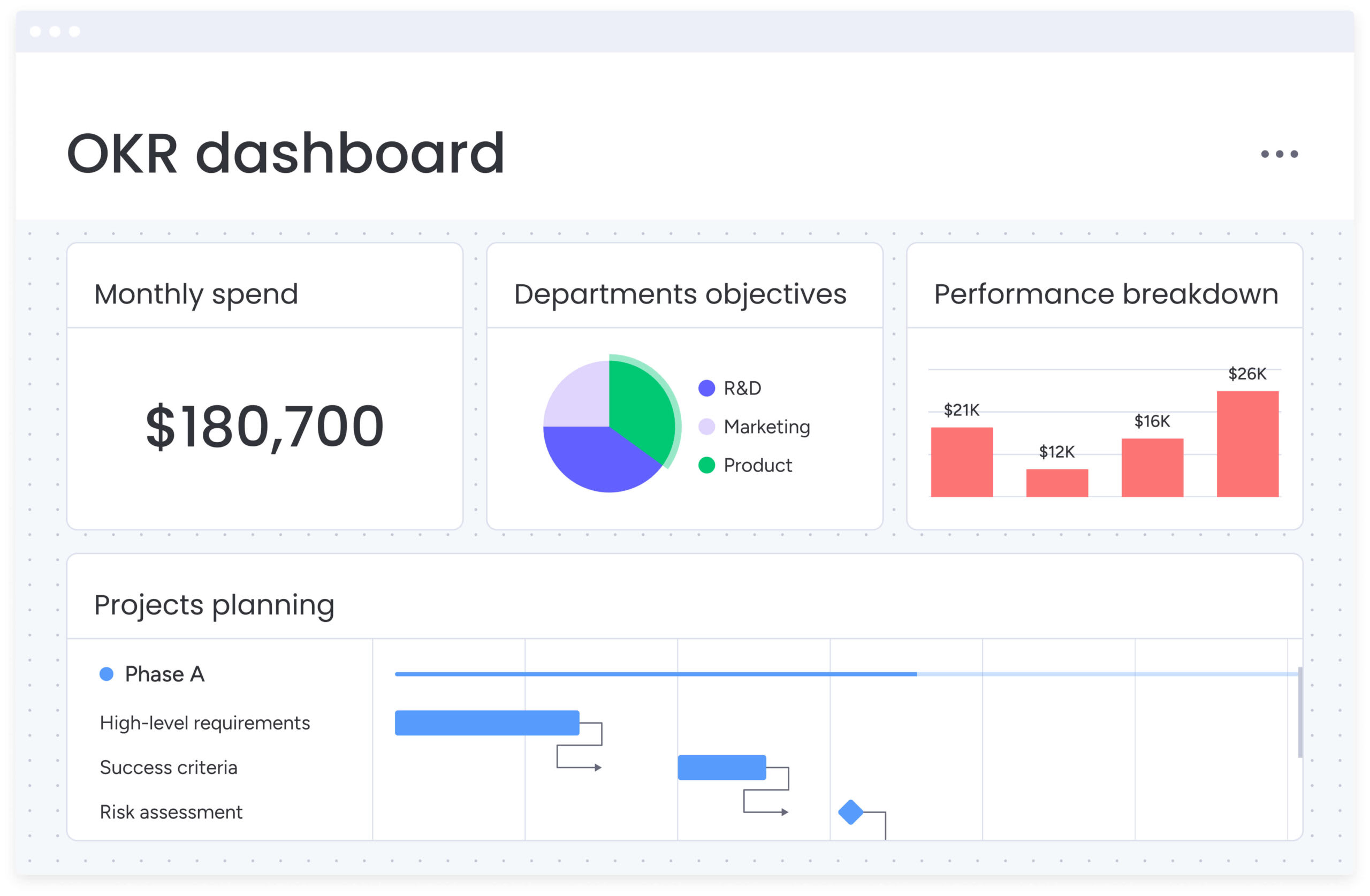
How to measure OCM success in real tim
You cannot improve what you do not measure. Real time tracking gives you visibility into how your change initiative is performing and where adjustments are needed. This allows you to respond quickly instead of waiting until problems grow.
Here are the key metrics that matter most:
- Adoption KPIs: Track how many users are engaging with the new system, completing actions, or finishing training. High adoption shows that awareness and motivation are working.
- Utilization metrics: Measure how deeply people are using the platform, not just whether they log in. This reveals whether users are becoming confident and efficient.
- Sentiment analysis: Use surveys and feedback channels to understand how people feel about the change. Early signs of frustration or resistance help you intervene before issues spread.
With monday.com, dashboards bring all this data together in real time. This gives you a clear, ongoing view of progress instead of relying on delayed reports.
Try monday.com
“monday.com has been a life-changer. It gives us transparency, accountability, and a centralized place to manage projects across the globe".
Kendra Seier | Project Manager
“monday.com is the link that holds our business together — connecting our support office and stores with the visibility to move fast, stay consistent, and understand the impact on revenue.”
Duncan McHugh | Chief Operations OfficerKickstart change management with monday.com
Organizations today are not struggling with a lack of change initiatives, they are struggling with how those initiatives translate into everyday work. Strategy is often clear at the top, but execution becomes fragmented as it moves across teams, tools, and priorities. This creates gaps where progress slows, adoption weakens, and employees feel overwhelmed.
Powerful platforms like monday.com address this by linking high level transformation efforts directly to operational workflows, so change is not something separate from work, but embedded within it.
- Limited visibility across initiatives: Leaders often lack a unified view of all active and planned changes, which makes it difficult to understand dependencies, identify resource conflicts, and anticipate where overlapping initiatives may create bottlenecks or confusion for teams.
- Fragmented communication and alignment: Change communication is frequently scattered across emails, meetings, and messaging tools, which leads to inconsistent messaging, missed updates, and a lack of clarity around what actions employees are expected to take at each stage.
- Unclear prioritization and initiative overload: Without a structured way to evaluate and sequence initiatives, organizations tend to push multiple changes simultaneously, stretching team capacity and increasing the likelihood of disengagement or incomplete adoption.
- Weak accountability and ownership clarity: When roles and responsibilities are not clearly defined within change initiatives, tasks can stall, decisions are delayed, and it becomes difficult to track who is responsible for driving progress at each step.
- Disconnected execution from strategic goals: Teams often focus on completing tasks without understanding how their work contributes to broader business objectives, which reduces motivation and weakens alignment between execution and strategy.
- Delayed insight into adoption and performance: Many organizations rely on lagging indicators such as post implementation reviews or surveys, which limits their ability to detect resistance early, measure real usage, and adjust their approach in time to improve outcomes.
- Manual and inconsistent change processes: Repetitive tasks such as assigning training, sending updates, and tracking progress are often handled manually, increasing administrative effort and creating inconsistencies in how change is delivered across teams.
By centralizing planning, execution, and monitoring, monday.com helps organizations operationalize change as a continuous capability. Teams can see how their work connects to larger initiatives, leaders can track adoption and risk in real time, and organizations can prioritize and adjust with greater precision..
Try monday.comFrequently asked questions
How long does organizational change management take?
The timeline depends on the complexity of the change. Smaller updates may take a few months, while larger transformations can take years. Cultural shifts, in particular, require ongoing reinforcement over time.
What is the difference between change management and organizational development?
Change management focuses on specific transitions and adoption. Organizational development, on the other hand, looks at long term growth, leadership, and culture. One is targeted, while the other is continuous.
Can small businesses benefit from organizational change management?
Yes, small businesses often benefit even more. With fewer resources, they cannot afford failed initiatives. A structured approach helps them navigate growth and change more effectively.
How do you calculate ROI of organizational change management?
ROI compares the cost of the program with benefits such as faster adoption, higher usage, and improved outcomes. Reduced delays and better project success rates also contribute to measurable value.
What are the most common reasons organizational changes fail?
Lack of leadership support, poor communication, and ignoring employee resistance are common causes. In addition, insufficient training and weak tracking systems often lead to failure.
How does monday.com support organizational change management?
The platform connects planning, execution, and tracking in one place. It provides real time visibility, automated workflows, and AI driven insights, helping teams stay aligned and focused throughout the change process.

 Get started