


When a manager schedules a 1-on-1 meeting, many employees immediately wonder if something is wrong. Despite good intentions, these conversations often feel like performance reviews in disguise or awkward check-ins that neither person knows how to navigate effectively.
But 1-on-1 meetings aren’t meant to be stressful interrogations or surface-level status updates. Structure them right, and they become the place where relationships strengthen, careers advance, and teams actually stay in sync. They create space for meaningful dialogue about challenges, aspirations, and removing obstacles that slow down progress.
Below you’ll find what you need to run 1-on-1 that actually works: the different types you’ll encounter, how to build agendas that matter, and the practices that turn conversations into results. You’ll get templates, conversation frameworks, and strategies that turn these sessions into real development opportunities, for you and your team.
Key takeaways
- Schedule consistent weekly or bi-weekly 1-on-1s: Regular meetings build trust, catch problems early, and create dedicated space for individual development and feedback.
- Focus on growth, not just status updates: Use meetings to discuss career goals, skill development, and strategic alignment rather than project reports you can get elsewhere.
- Prepare structured agendas but stay flexible: Share talking points 24 hours ahead while leaving room for employee-driven topics and unexpected conversations.
- Connect meeting outcomes to real work: Link discussion notes directly to project boards with monday work management, automate action item creation, and track development goals alongside daily workflows.
- Document decisions and assign clear next steps: Transform conversations into progress by recording commitments, setting deadlines, and scheduling follow-ups immediately.
What is a 1-on-1 meeting?
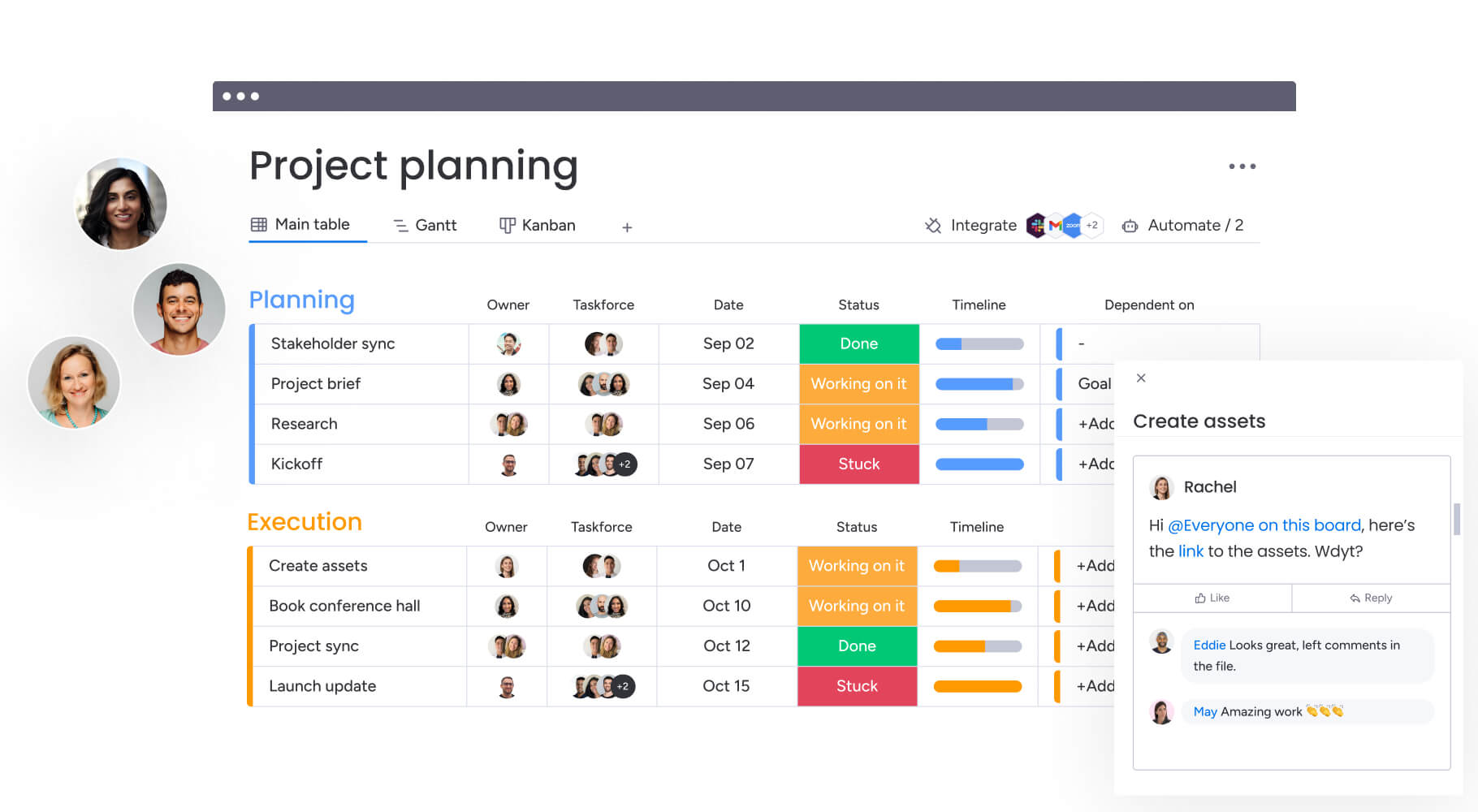
A 1-on-1 meeting is a recurring conversation between a manager and team member, focused on growth, staying aligned, and clearing roadblocks. Unlike status updates or group meetings, these sessions create a dedicated space for two-way dialogue about goals, challenges, and growth opportunities.
What makes them different from other workplace conversations:
- Individual focus: The entire session centers on one person’s experience, development, and contributions.
- Consistent rhythm: Regular scheduling builds trust and ensures important discussions happen.
- Shared ownership: Both manager and employee contribute to the agenda and outcomes.
- Strategic connection: Conversations link daily work to broader organizational objectives.
Regular check-ins that build stronger teams
1-on-1 meetings build stronger teams through regular, real conversations. When team members know they have guaranteed time to voice concerns and share ideas, they’re more engaged and less anxious.
Meet regularly, and the benefits stack up:
- Proactive support: Managers develop deeper understanding of their team’s capabilities and challenges.
- Relationship building: Consistent touchpoints strengthen trust between managers and employees.
- Performance improvement: Early intervention prevents small issues from becoming major problems.
The result is a stronger relationship and teams that perform better under pressure.
1-on-1 meetings vs. group discussions
While both formats serve important purposes, 1-on-1 meetings and group discussions address different organizational needs. The table below breaks down the key differences to help you choose the right approach for each situation.
| Aspect | 1-on-1 meetings | Group discussions |
|---|---|---|
| Primary focus | Individual development and private feedback | Team alignment and collaborative problem-solving |
| Communication style | Confidential and personalized | Open and standardized for the group |
| Key outcomes | Personal growth plans and resolved individual concerns | Team consensus and shared project visibility |
| Frequency | Weekly or bi-weekly recurring | As needed for milestones or daily stand-ups |
Why individual conversations matter more than ever
Remote and hybrid work have changed the nature of casual interactions that once kept workplace relationships alive. With one quarter of all paid workdays now occurring remotely among Americans, structured 1-on-1s become the primary vehicle for maintaining connection and engagement without spontaneous hallway conversations or coffee breaks.
These meetings connect independent work to company culture. They keep distance from turning into disengagement and give people the attention they need to avoid burnout — especially when work gets complicated.
1-on-1 meetings build stronger teams through regular, real conversations. When team members know they have guaranteed time to voice concerns and share ideas, they’re more engaged and less anxious.
Key benefits of 1-on-1 meetings
Consistent 1-on-1 meetings create value at three levels: individual employees, managers, and the organization. Each group gets something different out of them and it all adds up to better business results.
How employees gain growth and direction
For individual contributors, 1-on-1 meetings provide the primary mechanism for professional advancement, especially given that 26% of employees report receiving no feedback over the last twelve months.
These sessions help people navigate complicated work and connect what they do every day to what actually matters.
- Career path visibility: Employees understand advancement opportunities and required skills for progression.
- Skill development focus: Discussions target specific capabilities aligned with role requirements and interests.
- Voice and influence: A dedicated channel allows ideas to be shared privately and thoughtfully with leadership.
- Goal alignment: Regular calibration connects daily work to organizational success.
- Recognition and feedback: Consistent acknowledgment reinforces positive behaviors while timely guidance prevents long-term issues.
How managers build trust and performance
Managers use 1-on-1s as operational levers that increase team output while reducing miscommunication overhead, particularly important since most managers spend minimal time on their reports’ career development. These meetings catch problems before they blow up timelines:
- Early problem detection: Identify blockers and resource constraints before they affect timelines.
- Retention insights: Regular sentiment checks reveal satisfaction levels and flight risks.
- Performance coaching: Continuous feedback replaces anxiety-inducing annual reviews.
- Team dynamics awareness: Individual perspectives provide composite view of team health.
- Leadership skill development: Managers refine listening, empathy, and situational coaching abilities.
How organizations drive alignment and results
At the organizational level, strong 1-on-1 practices help execute strategy and build resilience. These conversations connect leadership strategy with what’s actually happening on the ground:
- Strategic execution: Individual workflows continuously realign with shifting company objectives.
- Knowledge retention: Mentorship conversations capture and transfer institutional knowledge.
- Culture reinforcement: Core values and behavioral expectations are consistently communicated.
- Succession planning: Early identification of high-potential talent enables deliberate development.
- Operational efficiency: Quick resolution of misunderstandings reduces duplicated work.
5 essential types of 1-on-1 meetings
Different situations need different meeting structures. Match the format to what you need, and you’ll get more out of the time. Each type has a different purpose and needs its own approach to work well.
1. Weekly performance check-ins
These 15-30 minute sessions focus on immediate tactical execution and removing blockers. They make sure employees have what they need while giving managers high-level visibility, fostering autonomy and trust
- Frequency: Weekly recurring schedule.
- Duration: 15-30 minutes maximum.
- Focus: Current project status and immediate obstacles.
2. Monthly career development discussions
Longer sessions that shift focus from current work to where someone wants to go. These meetings explore professional goals, skill gaps, and career paths, showing you’re invested in where people want to go.
- Frequency: Monthly or quarterly.
- Duration: 45-60 minutes.
- Focus: Long-term career planning and skill development.
3. Project alignment sessions
Ad-hoc meetings to clarify someone’s role in bigger projects. Unlike general project meetings, these focus on understanding roles, resource needs, and who depends on whom.
- Frequency: As needed for project milestones.
- Duration: 30-45 minutes.
- Focus: Role clarity and project-specific support.
4. New team member onboarding
Frequent check-ins during someone’s first 90 days to help them fit into the culture, set expectations, and build relationships. These meetings help new hires contribute faster through quick feedback and support.
- Frequency: Weekly for first 90 days.
- Duration: 30-45 minutes.
- Focus: Cultural integration and expectation alignment.
5. Cross-functional stakeholder meetings
Regular check-ins between colleagues from different departments working toward the same goals. These break down silos and keep cross-functional work running smoothly.
- Frequency: Bi-weekly or monthly.
- Duration: 30 minutes.
- Focus: Cross-departmental collaboration and alignment.
How to structure productive 1-on-1 meetings
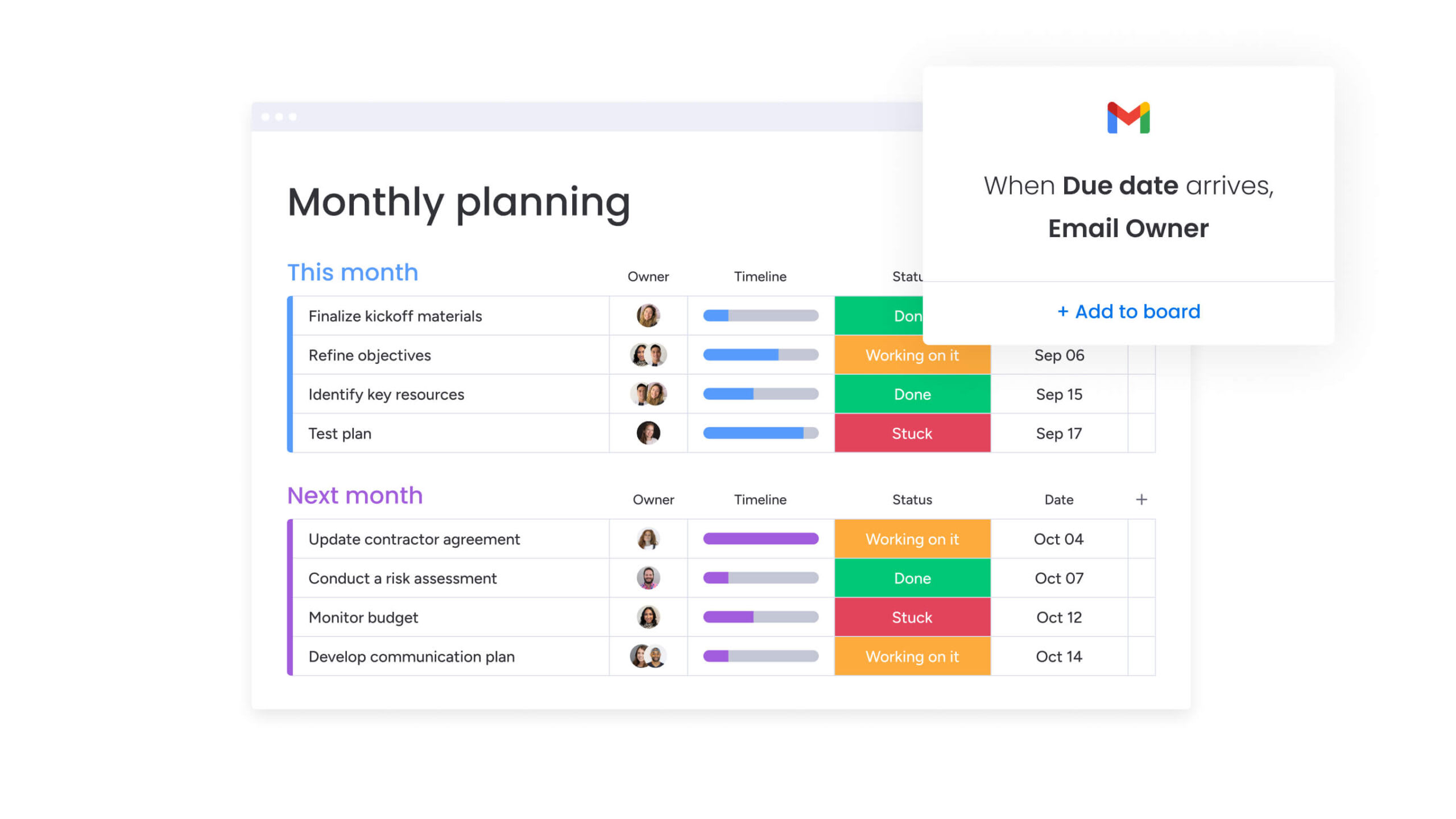
Structure keeps conversations meaningful and prevents meetings from turning into aimless chats. Consistency helps you hit key outcomes while staying flexible for what comes up. These guidelines help you build meeting structures that work in different situations.
Step 1: find the right frequency and duration
How often you meet should depend on someone’s experience and how complex their role is. Different situations need different approaches to get the most out of meetings without burning people out:
- New team members: Weekly 30-45 minute sessions for first 90 days.
- Experienced contributors: Bi-weekly 20-30 minute check-ins.
- Senior team members: Monthly 30-45 minute strategic discussions.
- Project-intensive periods: Weekly 15-20 minute rapid alignments.
- Remote team members: Weekly sessions regardless of seniority.
Step 2: choose between in-person and virtual formats
Whether you meet in person or virtually affects how you build relationships and keep people engaged. Each format has its own benefits worth considering when you plan sessions.
| Consideration | In-person | Virtual |
|---|---|---|
| Relationship building | Stronger emotional rapport through non-verbal cues | Requires intentional engagement strategies |
| Scheduling flexibility | Limited by physical location | Enables connection across time zones |
| Documentation | Manual note-taking can break eye contact | Easy screen sharing and real-time digital notes |
| Focus level | Lower distraction risk | Higher multi-tasking potential |
Step 3: build a flexible yet consistent agenda
A solid agenda reduces anxiety and makes sure you cover everything. This structure adapts to what’s happening now while keeping things productive:
- Opening check-in (5 minutes): Gauge personal and professional well-being.
- Progress review (10-15 minutes): Review current projects focusing on outcomes.
- Challenge discussion (5-10 minutes): Identify obstacles and support needs.
- Development focus (5-10 minutes): Touch on growth goals or coaching feedback.
- Forward planning (5 minutes): Agree on priorities and action items.
8 topics every 1-on-1 meeting should cover
You won’t cover every topic in each meeting, but rotating through these areas keeps your management well-rounded and supportive. These conversation areas set you up for real dialogue that helps individuals and the organization succeed.
1. Current projects and priorities
Focus on why and how, not just status. Instead, agree on priorities, make sure they have what they need, and define what success looks like.
- Project approach: Review methodology and decision-making process.
- Resource allocation: Confirm adequate support and solutions.
- Success metrics: Define measurable outcomes and milestones.
2. Professional growth and learning
Turn vague career goals into real actions. Find mentors, pick training courses, or assign challenging projects that build specific skills.
- Skill assessment: Evaluate current capabilities against role requirements.
- Learning opportunities: Identify training, mentorship, or project assignments.
- Career progression: Map advancement paths and required competencies.
3. Team collaboration and dynamics
Employees see team dynamics from angles you don’t. So talk about how people work together, celebrate what’s working, and spot where communication could improve.
- Working relationships: Assess collaboration effectiveness with colleagues.
- Communication patterns: Identify gaps or friction points.
- Team contributions: Recognize positive interactions and partnerships.
4. Work-life integration
Check if their workload is manageable without getting too personal. After all, you want to make sure work demands don’t overwhelm their personal life and lead to burnout.
- Workload management: Assess current capacity and stress levels.
- Boundary setting: Discuss healthy work-life separation.
- Support needs: Identify resources for managing competing demands.
5. Process optimization ideas
The people doing the work often have the best ideas for improving it. Therefore, make time for ideas that could make work faster or better.
- Workflow improvements: Gather suggestions for process enhancement.
- Tool effectiveness: Evaluate current systems and identify gaps.
- Creative problem-solving: Explore fresh solutions to recurring challenges.
6. Resources and support needs
Check that employees have the hardware, software, access, and budget they need. Then clear away administrative roadblocks before they become problems.
- Technology needs: Assess hardware, software, and access requirements.
- Budget considerations: Review spending authority and resource allocation.
- Administrative support: Identify and resolve bureaucratic obstacles.
7. Two-way feedback exchange
Make it safe to give coaching and get feedback in return. Managers give guidance while employees share what’s working (and what’s not) in how they’re managed.
- Performance coaching: Provide specific, actionable guidance.
- Management feedback: Invite input on leadership effectiveness.
- Communication preferences: Align on feedback delivery and frequency.
8. Strategic goal alignment
Finally, connect what someone does every day to quarterly goals. Show why their role matters and make sure they’re focused on what counts most.
- Objective connection: Link individual work to company goals.
- Priority alignment: Ensure effort focuses on strategic initiatives.
- Impact measurement: Define how individual contributions drive organizational success.
7 proven tips for successful 1-on-1 meetings
These practices turn meetings from calendar filler into something that actually matters. Use them consistently, and meetings become real development opportunities that create results for people and the organization.
1. Prepare your talking points in advance
Prepare your talking points in advance to demonstrate respect for the other person’s time. Review previous notes and current project status before meetings as part of how you plan your week to ensure substantive discussion rather than information gathering.
Preparation checklist includes:
- Review previous meeting notes: Identify follow-up items and progress updates.
- Check project status: Understand current work and potential discussion points.
- Identify key topics: Prioritize most important issues for discussion.
2. Share the agenda before meeting
Collaborative meeting agendas sent 24 hours in advance prevent surprises. Both parties can contribute topics using a meeting agenda template and mentally prepare, leading to more thoughtful exchanges.
Agenda sharing benefits:
- Mental preparation: Allows both parties to think through responses.
- Topic contribution: Enables employee input on discussion priorities.
- Time optimization: Reduces meeting time spent on agenda setting.
3. Start with open questions
Open-ended questions encourage more detailed and insightful answers than yes/no questions. Questions like “What’s on your mind?” or “How are you feeling about current workload?” yield valuable perspectives.
Effective opening questions are:
- General check-in: “What’s been on your mind this week?”.
- Workload assessment: “How are you feeling about your current projects?”.
- Challenge identification: “What obstacles are you facing right now?”.
4. Practice active listening
Give your full attention and reflect back what you hear — it builds trust. Silence notifications, focus on the speaker, and acknowledge what they’re saying before jumping to solutions.
Active listening techniques:
- Remove distractions: Close laptops and silence phones.
- Reflective responses: Paraphrase what you heard before responding.
- Validation: Acknowledge emotions and perspectives before problem-solving.
5. Capture decisions and next steps
Meeting notes and documentation prevent ambiguity. Record key decisions, changes, and commitments immediately through taking better meeting notes to ensure alignment and accountability.
Documentation essentials:
- Decision tracking: Record all agreements and changes.
- Action items: List specific tasks with owners and deadlines.
- Follow-up scheduling: Note items requiring future discussion.
6. Assign action items with owners
Turn conversations into action. To achieve this, end meetings with specific tasks, owners, and deadlines so conversations actually lead somewhere.
Action item requirements:
- Clear ownership: Assign specific individuals to each task.
- Defined deadlines: Set realistic completion dates.
- Success criteria: Establish measurable outcomes.
7. Schedule follow-up check-ins
Keep important issues moving forward. When big topics come up, schedule follow-ups right away to show you’re committed to solving them.
Follow-up strategies:
- Immediate scheduling: Book follow-up meetings during current session.
- Progress milestones: Set interim check-points for complex issues.
- Accountability measures: Establish tracking mechanisms for ongoing items.
Prepare your talking points in advance to demonstrate respect for the other person’s time. Review previous notes and current project status before meetings as part of how you plan your week to ensure substantive discussion rather than information gathering.
1-on-1 meeting templates and agenda examples
Templates give you a starting point for good conversations and keep things consistent. Customize these frameworks for your specific relationships and situations to make meetings work better and cover what matters.
Weekly 1-on-1 meeting template
Meeting duration: 30 minutes
This template works well for regular operational check-ins with established team members:
- Personal check-in: “How are you feeling about work this week?”.
- Project updates: “What wins did you have?” and “Which projects need attention?”.
- Support needs: “Where are you blocked?” and “What resources would help?”.
- Development discussion: “What skill are you focusing on improving?”.
- Next steps: “What are your top three priorities for next week?”.
Career development discussion guide
Meeting duration: 45-60 minutes
Use this framework for quarterly or semi-annual career conversations:
- Aspirations: “Where do you see yourself in two years?”.
- Strengths analysis: “Which recent projects gave you energy?”.
- Gap analysis: “What skills would accelerate your growth?”.
- Action planning: “What specific project or training should we schedule this quarter?”.
Performance review 1-on-1 structure
Meeting duration: 45-60 minutes
This template supports formal performance discussions:
- Goal review: “Let’s examine objectives from the beginning of the quarter”.
- Achievement highlights: “What were your most significant contributions?”.
- Improvement areas: “Where did we miss expectations and what can we learn?”.
- Future goal setting: “What are key objectives for the upcoming period?”.
Remote team check-in framework
Meeting duration: 30 minutes
Tailored for distributed team members needing extra connection:
- Connection: “How are you managing the remote setup?”.
- Visibility: “What work might the team not see?”.
- Communication: “Are you getting enough information from other departments?”.
- Logistics: “Do you have everything needed in your home office?”.
Improve 1-on-1 meetings with monday work management

Organizations using monday work management turn 1-on-1 meetings from isolated conversations into part of how work actually gets done. The platform brings together communication, data, and action items so every conversation creates real impact across teams and departments.
Connect conversations to actual work
monday work management links meeting agendas directly to live project boards. Managers and employees see real-time status updates, KPIs, and progress right in the meeting — no app switching needed.
The platform connects discussions to execution:
- Board integration: Meeting notes attach directly to relevant project items.
- Goal tracking: Individual development plans visualize alongside company OKRs.
- Cross-departmental visibility: Updates from other teams are instantly accessible.
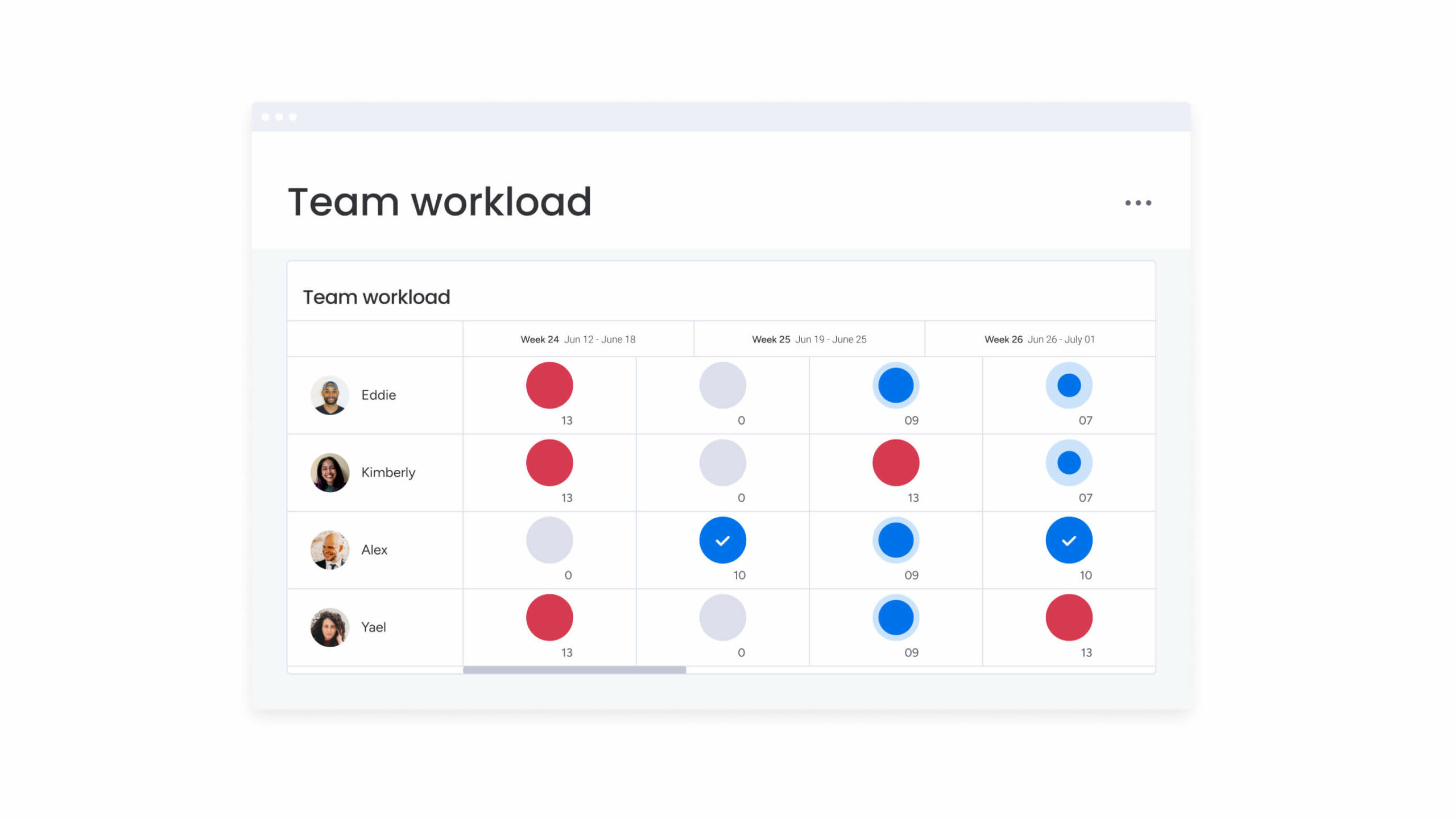
- Progress visualization: Dashboards provide objective basis for performance discussions.
Automate follow-ups and action item creation
The platform’s automation keeps everyone accountable without manual tracking. Every commitment made in meetings becomes tracked work:
- AI blocks for meeting summaries: Automatically condense meeting transcripts into actionable points.
- Automated item creation: Tagged actions in meeting notes generate board entries automatically.
- Reminder systems: Automations trigger notifications for incomplete follow-up items.
- Progress notifications: Managers receive alerts when discussed action items complete.
Track meeting impact with dashboards
Executive dashboards show how healthy management structures are across the organization. Teams get insights traditional approaches can’t deliver.
| Aspect | Traditional approach | monday work management |
|---|---|---|
| Meeting preparation | Manual review of scattered notes | AI-powered insights from integrated project data |
| Action item tracking | Static spreadsheets or disconnected lists | Automated creation linked to live projects |
| Progress visibility | Limited to individual manager knowledge | Organization-wide dashboards and reporting |
| Follow-up consistency | Reliant on manual reminders | Automated workflows and status updates |
| Development tracking | Annual reviews in file cabinets | Continuous goal tracking and skill development |
Scale 1-on-1 programs across your organization
Enterprise organizations use monday work management to bring consistency and quality across departments and locations:
- Template standardization: HR distributes approved templates to all manager workspaces.
- Manager training support: Embedded guides support new managers.
- Organizational reporting: Executives access alignment reports between individual and corporate goals.
- Resource management: Workload views ensure managers have capacity for quality meetings.

“monday.com has been a life-changer. It gives us transparency, accountability, and a centralized place to manage projects across the globe".
Kendra Seier | Project Manager
“monday.com is the link that holds our business together — connecting our support office and stores with the visibility to move fast, stay consistent, and understand the impact on revenue.”
Duncan McHugh | Chief Operations OfficerBuilding a culture of meaningful connection
1-on-1 meetings represent more than scheduled conversations — they create the foundation for organizational trust, individual growth, and strategic execution. When implemented consistently with proper structure and follow-through, these meetings transform workplace relationships and drive measurable business outcomes.
The investment in regular, meaningful dialogue pays dividends through increased retention, improved performance, and stronger team cohesion. Organizations that prioritize individual connection create competitive advantages through engaged, aligned, and empowered employees.
Start implementing these practices immediately to experience the compound benefits of intentional 1-on-1 communication. Your team members will appreciate the dedicated attention, and your organization will benefit from the improved alignment and execution that follows.
Frequently asked questions
What is a 1-on-1 meeting called?
A 1-on-1 meeting goes by several names including 1-to-1, individual check-in, bilateral, or personal development session depending on organizational terminology.
How do you write a 1-on-1 meeting agenda?
Write a 1-on-1 agenda by structuring time for personal check-in, project updates, development goals, and next steps with clear time allocations for each section.
Is a 1-on-1 meeting formal?
1-on-1 meetings range from formal to informal depending on company culture but should maintain consistent structure regarding documentation and action tracking.
How often should managers have 1-on-1 meetings with employees?
Managers should conduct 1-on-1 meetings weekly with new hires or during critical phases and bi-weekly with experienced high-performing employees.
What if my 1-on-1 meeting feels awkward or unproductive?
When meetings feel awkward or unproductive, pivot to open-ended questions, focus on active listening, and collaborate with the employee to redesign the agenda.
How does monday work management enhance 1-on-1 meeting effectiveness?
monday work management enhances effectiveness by integrating meeting notes with project workflows, automating follow-up creation and tracking, and providing leadership visibility into alignment and development progress.

 Get started