


Your marketing team is juggling five campaigns, three product launches, and a rebrand — all while someone asks if you can squeeze in “just one more quick project.” Sound familiar? When every request feels urgent and resources feel stretched thin, marketing leaders face a fundamental challenge: how do you coordinate complex work across teams without burning people out or missing deadlines?
Marketing resource management (MRM) tackles this head-on by giving you one unified system where people, budgets, assets, and timelines all connect across your marketing work. Rather than relying on spreadsheets and endless status meetings, MRM provides the operational backbone that transforms scattered marketing efforts into streamlined execution. Teams gain visibility into who’s working on what, where bottlenecks emerge, and how resources align with strategic priorities.
Let’s look at what marketing resource management will actually look like in 2026 — from the core capabilities that drive real results to AI features that handle coordination busy work, plus practical ways to get started. You’ll discover how organizations use MRM to accelerate campaign development, optimize team capacity, and connect marketing activities to measurable business outcomes.
Key takeaways
- Transform scattered marketing work into unified operations: MRM connects people, budgets, assets, and timelines in one system so teams execute campaigns without constant coordination chaos.
- Gain complete visibility across all marketing activities: see real-time project status, resource allocation, and budget tracking in centralized dashboards that eliminate guesswork and enable faster decisions.
- Optimize resource allocation with AI-powered insights: AI-powered systems analyze team skills, workload, and project requirements to automatically suggest optimal assignments and prevent burnout.
- Accelerate campaign launches through automated workflows: standardized processes and approval automation reduce development time by eliminating manual handoffs and coordination overhead.
- Scale marketing operations without proportional management overhead: MRM provides the infrastructure needed to grow teams and campaigns while maintaining efficiency and preventing resource conflicts.
What is marketing resource management?
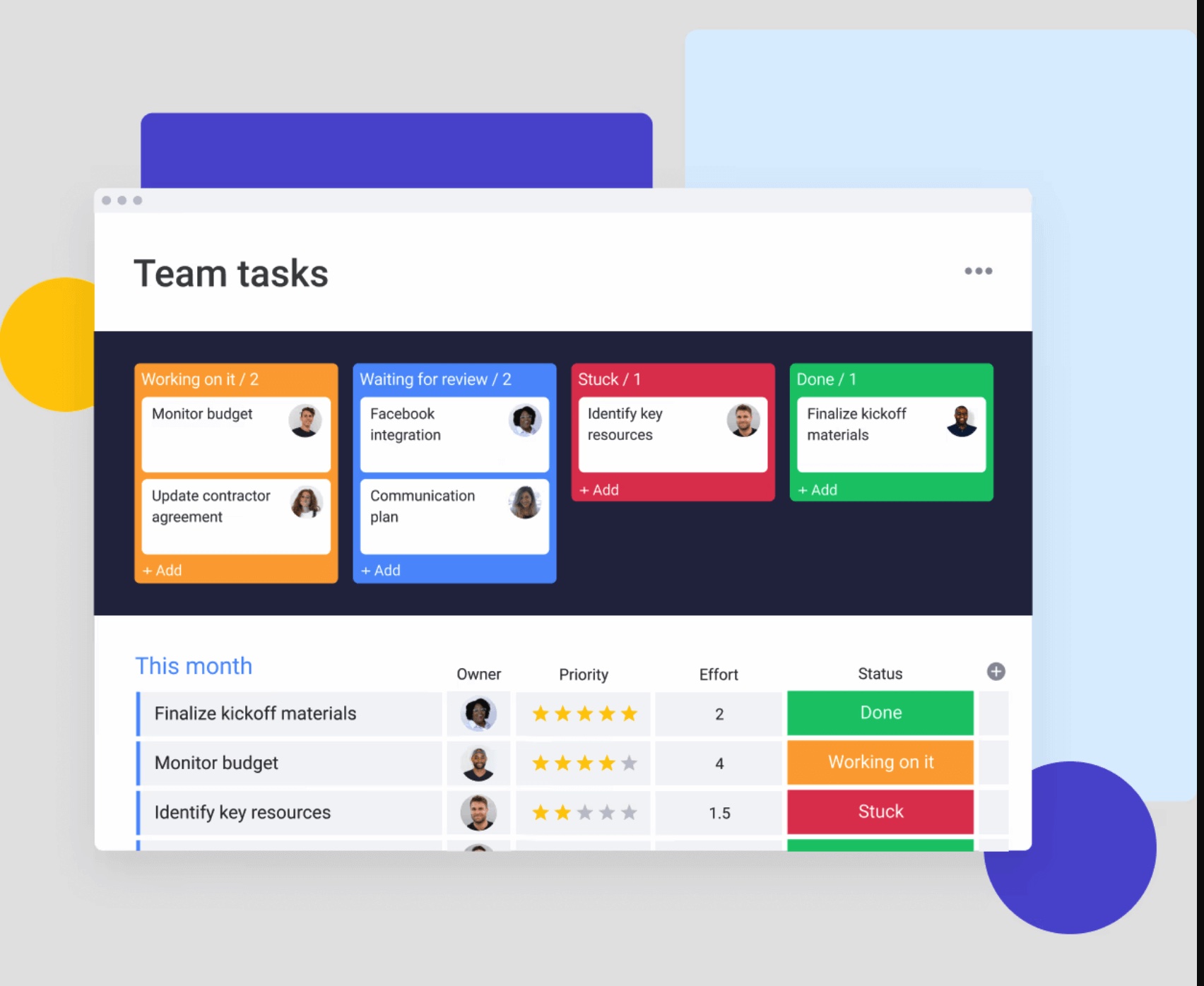
Put simply, MRM brings together all your marketing resources — your people, budgets, assets, time, and tech — in one place so teams can plan, execute, and measure campaigns without the usual chaos. It transforms fragmented marketing workflows into a cohesive, visible, and adaptable system that drives operational efficiency.
MRM delivers three essential functions that transform how your marketing operations run:
- Resource coordination: understanding team capacity, skills, and availability to prevent overallocation while maximizing productivity.
- Demand forecasting: anticipating future workload based on campaign calendars, seasonal trends, and business priorities.
- Performance optimization: continuously improving resource utilization through data-driven insights and workflow refinement.
Get these elements working together, and your team suddenly has the operational backbone to run complex campaigns without the constant fire drills or resource battles. This unified approach gives everyone visibility across all marketing activities, breaking down the walls between your creative, digital, and campaign teams.
How MRM streamlines marketing operations
MRM makes your operations run smoother by giving everyone visibility across all marketing activities — breaking down the walls between your creative, digital, and campaign teams.
Run your marketing through an MRM system and everyone works from the same playbook — no more conflicting project updates, resource double-booking, or timeline confusion. Workflow optimization happens through standardized processes that reduce manual coordination.
Key operational improvements include:
- Automated approval workflows: move creative assets through review cycles without constant email follow-ups.
- Centralized campaign calendars: prevent resource conflicts before they occur.
- Task dependencies: ensure work happens in the right sequence without project managers manually tracking every handoff.
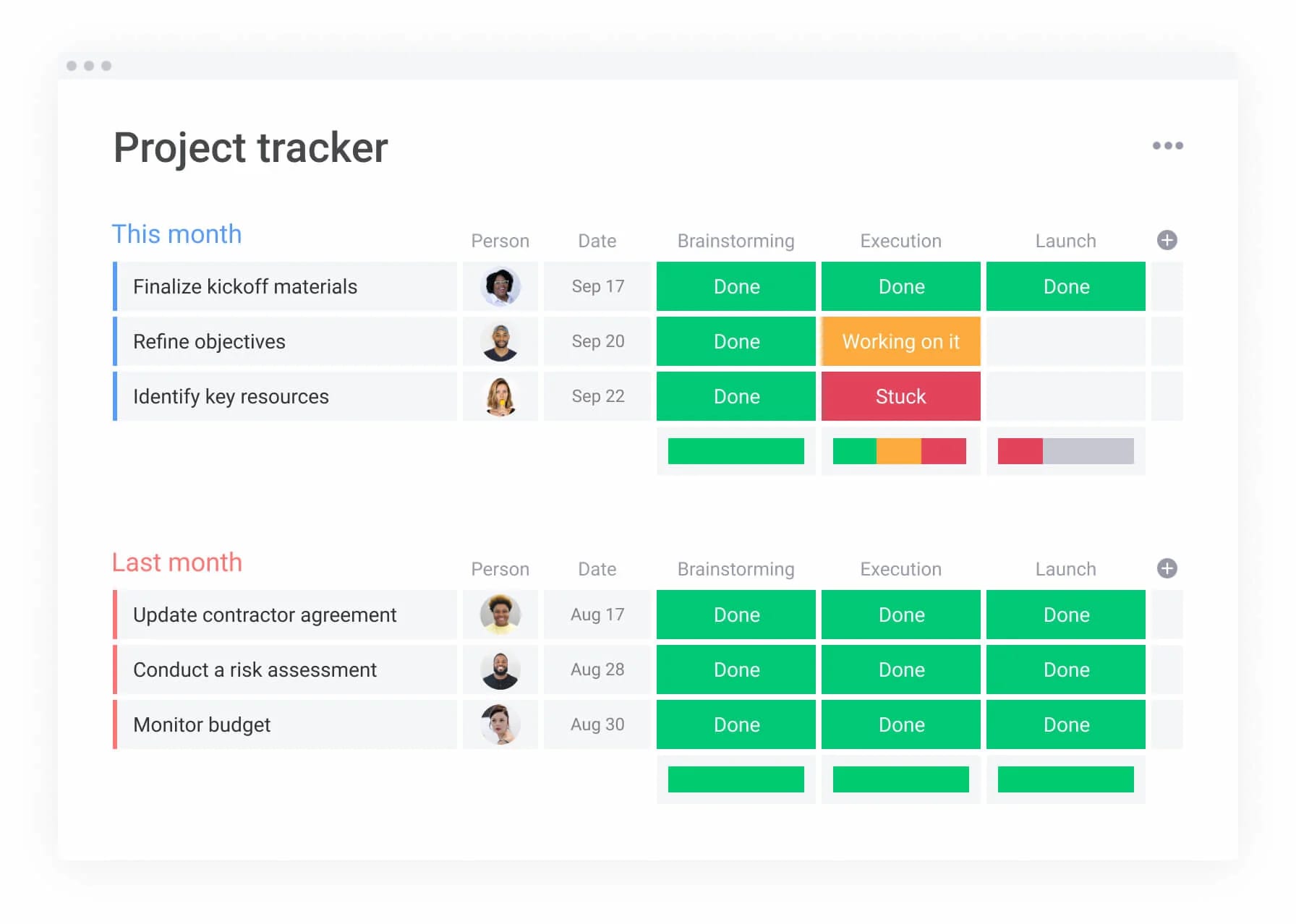
Visual workflows make this coordination possible because they adapt to how your team actually works. Instead of forcing everyone into rigid processes, flexible boards handle everything from campaign launches to content calendars to creative production — all connected in one place.
What does marketing resource management do?
Effective MRM platforms nail five core functions that directly boost your team’s productivity and campaign results. Knowing these functions helps you cut through the sales pitches and find a system that actually solves your specific challenges.
The five essential MRM functions include:
Resource allocation: tracks team capacity, skills, and availability to optimize how people are assigned to projects.
Project coordination: ensures campaign timelines, project dependencies, and milestone tracking keep complex marketing initiatives on schedule.
Asset management: provides centralized storage, version control, and brand compliance features for creative teams.
Performance tracking: delivers real-time dashboards and automated reporting for campaign progress visibility.
Compliance oversight: maintains automated approval workflows, audit trails, and governance controls.
The evolution from manual to AI-powered MRM
MRM has evolved through three major phases, each solving different problems as technology advanced.
Phase one: manual coordination methods
Traditional manual methods relied on spreadsheets, email, and project managers’ institutional knowledge to coordinate work. This approach created bottlenecks, limited scalability, and made real-time visibility impossible as marketing complexity grew.
Phase two: purpose-built MRM software
The second generation introduced centralized planning and standardized workflows. This dramatically improved coordination but still required significant manual input for resource allocation, timeline planning, and performance analysis.
Phase three: AI-powered MRM systems
AI-powered MRM represents a fundamental shift from reactive to proactive resource management. Platforms analyze historical patterns, predict resource needs, automatically suggest optimal team assignments, and identify workflow bottlenecks before they impact delivery.
Core components of marketing resource management systems
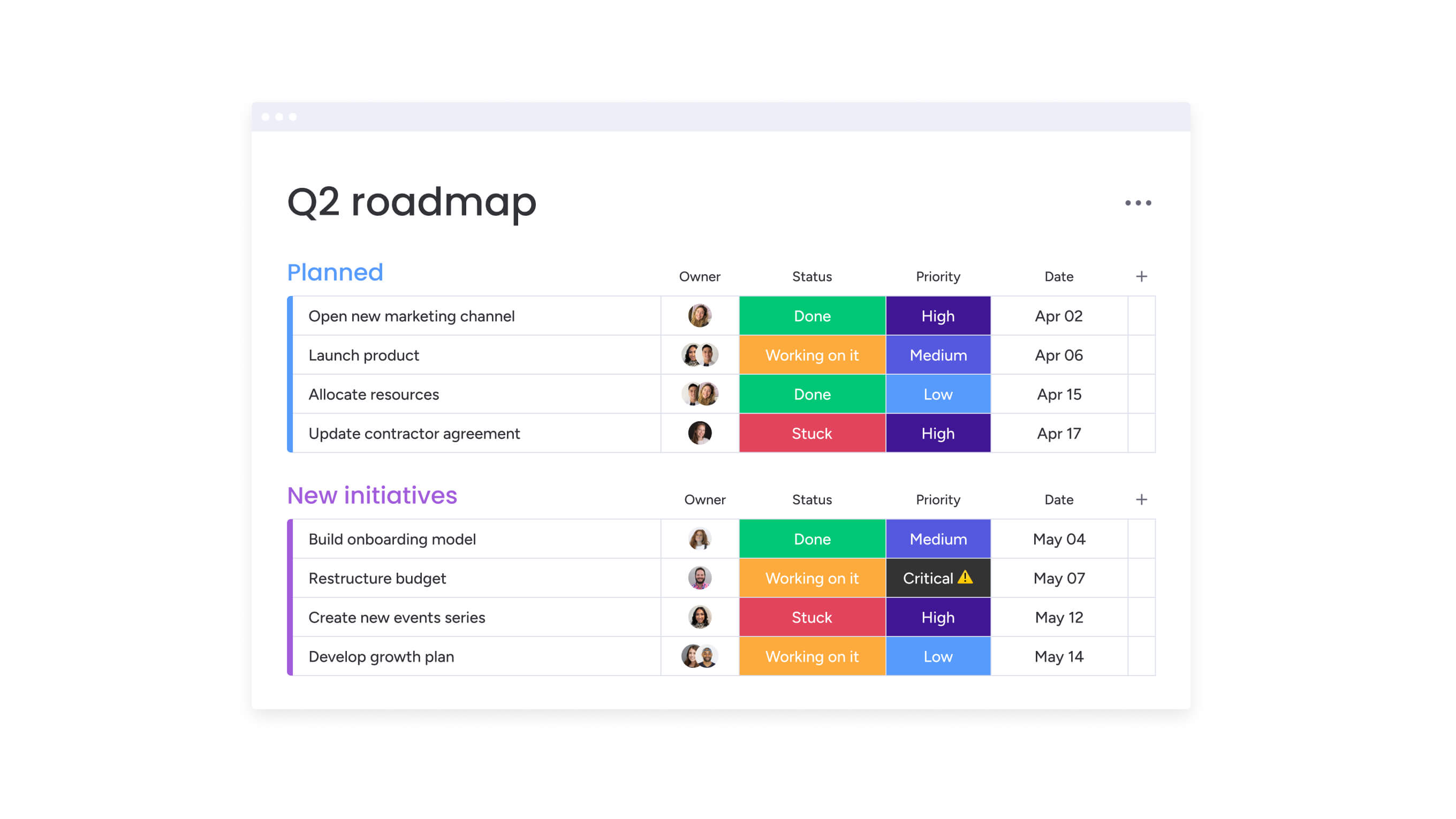
Effective MRM platforms bring multiple capabilities together into one cohesive system. What makes implementation successful? When all these pieces connect seamlessly — letting information flow naturally from planning to execution to analysis without constant manual updates or system-hopping.
Strategic planning and budget allocation
MRM systems facilitate strategic planning through centralized budget tracking, resource forecasting, and capacity planning that connects high-level marketing objectives to tactical execution. Budget allocation features distribute spending across campaigns, channels, and time periods while tracking actual spend against targets in real-time.
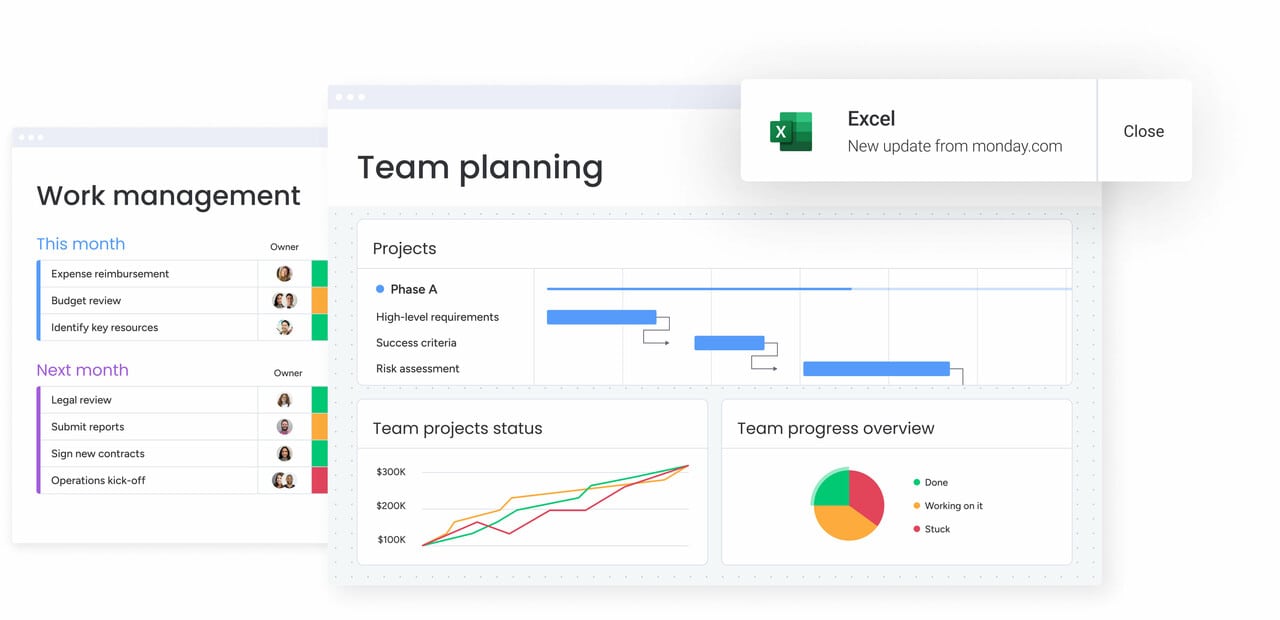
Resource capacity visualization shows team availability across quarters, enabling realistic planning that accounts for actual capacity rather than wishful thinking. When leadership adjusts priorities or budgets shift based on business performance, MRM platforms propagate those changes through campaign plans and resource allocations, maintaining alignment without requiring manual updates across multiple planning documents.
Campaign and project orchestration
Campaign orchestration coordinates complex marketing initiatives across multiple teams, channels, and timelines through integrated project management capabilities. Project timeline management visualizes campaign schedules, task dependencies ensure work happens in the correct sequence, and milestone tracking provides checkpoints for stakeholder alignment.
Cross-functional collaboration features connect creative teams, digital marketers, content producers, and traditional marketing specialists within unified campaign workspaces. This coordination reduces launch delays by making dependencies visible and enabling proactive problem-solving when timeline risks emerge.
Digital asset and content management
Integrated asset management within MRM systems accelerates campaign development through centralized storage, version control, brand compliance enforcement, and asset distribution capabilities. Creative teams can quickly locate existing assets, understand usage rights and brand compliance status, and repurpose content across campaigns without recreating work or risking off-brand materials.
Approval workflows route creative assets through review cycles automatically, maintaining audit trails that document feedback and approvals. Version control prevents teams from accidentally using outdated materials, while metadata and tagging make assets discoverable when teams need them.
Performance analytics and real-time reporting
MRM analytics provide visibility into marketing performance through customizable dashboards, automated reporting, and real-time metrics that span resource utilization, campaign performance, and ROI measurement. These insights enable marketing leaders to identify which campaigns deliver the strongest returns and where operational bottlenecks consistently slow execution.
Resource utilization metrics show how team capacity is allocated across projects, identifying both overallocation risks and opportunities to take on additional work. Campaign performance tracking connects marketing activities to business outcomes, demonstrating marketing’s impact in terms executives understand.
Cross-functional collaboration capabilities
MRM platforms break down silos between marketing, sales, finance, and other departments through shared workspaces, integrated communication, stakeholder visibility features, and approval workflows that involve multiple departments. This cross-functional alignment ensures marketing activities support broader business objectives while maintaining operational efficiency.
Shared workspaces give cross-functional teams unified views of campaign progress, eliminating the status update meetings that typically consume significant time. Communication embedded within project contexts reduces email chains by keeping conversations connected to the work they reference.
7 transformative benefits of marketing resource management
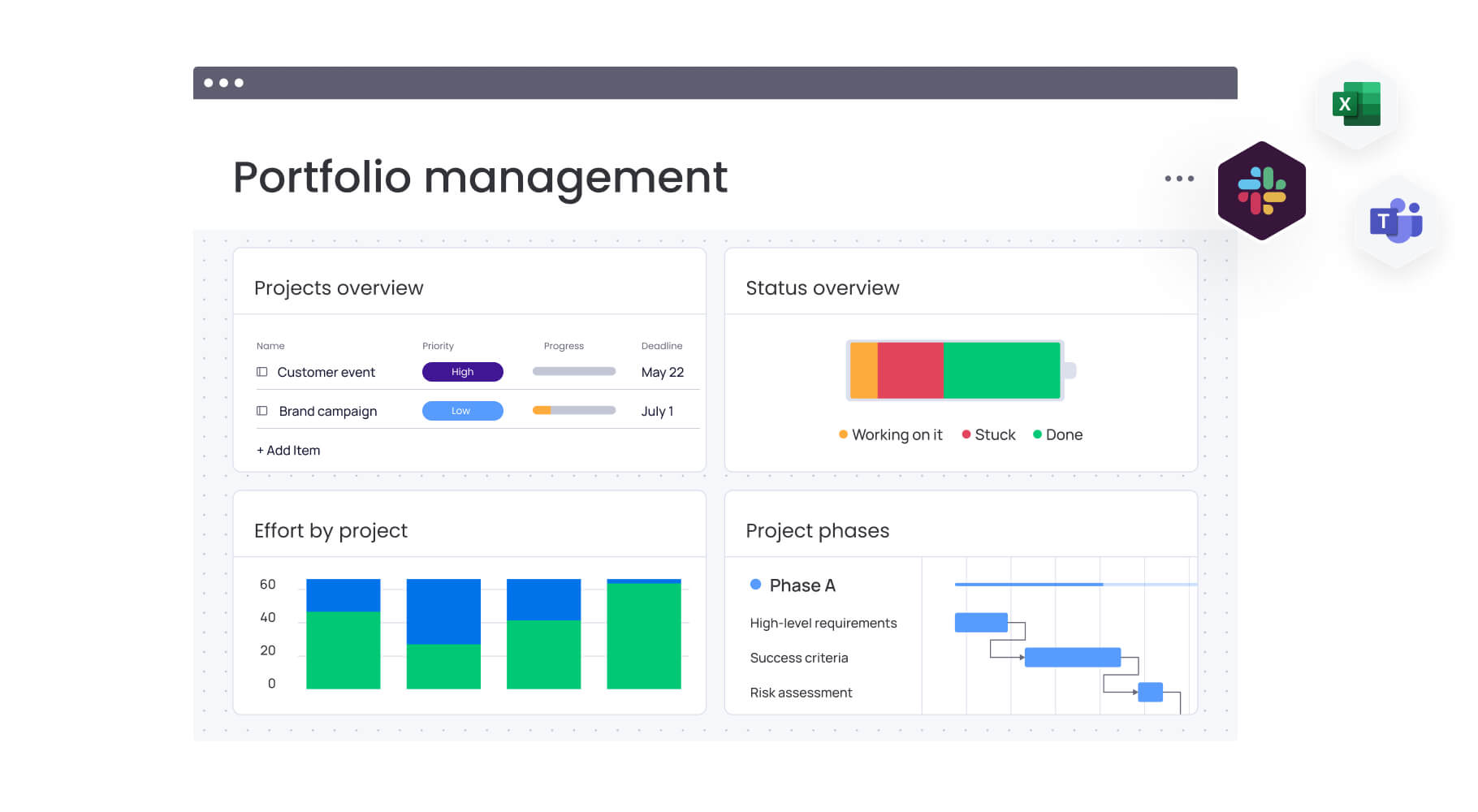
Teams that implement MRM see quick wins in daily operations, plus strategic advantages that only get stronger over time. Marketing leaders report that MRM implementation typically delivers measurable improvements within the first quarter while creating capabilities that enable sustained competitive advantage.
The benefits go beyond marketing efficiency — they transform how teams collaborate, give leaders strategic visibility, and ultimately boost business results.
Let’s explore the seven transformative advantages you can expect.
1. Complete visibility across all marketing activities
MRM gives you real-time visibility into every marketing project, resource, and metric through dashboards that everyone trusts as the definitive source on what’s actually happening. Leadership can instantly understand what campaigns are in flight, where resources are allocated, which projects face timeline risks, and how marketing spend is tracking against budgets.
You can make decisions based on a real-time, complete picture of what’s happening right now. When priorities shift or new opportunities emerge, leaders can quickly assess capacity and make informed decisions about resource reallocation.
2. Optimized resource allocation and capacity planning
MRM enables data-driven resource allocation based on skills, availability, project priorities, and historical performance patterns. Capacity planning features prevent team burnout by visualizing workload distribution and identifying overallocation before it impacts team health or project quality.
Visual workload management helps teams balance resources and quickly adapt to changing priorities. AI-powered resource allocation takes optimization further by analyzing team skills, project requirements, historical performance, and current workload to automatically suggest optimal assignments.
3. Precise budget control with ROI tracking
MRM systems provide granular budget tracking, spend forecasting, and ROI measurement across campaigns, channels, and time periods. Finance teams gain the visibility they need for accurate forecasting, while marketing leaders can make informed decisions about budget allocation based on actual performance data.
This financial visibility demonstrates marketing’s business impact to executives, connecting marketing investments to revenue outcomes, customer acquisition costs, and other key business metrics. Real-time spend tracking prevents budget overruns by alerting teams when spending approaches limits.
4. Accelerated campaign launch and execution
Standardized workflows, automated approvals, and integrated asset management reduce campaign development time by eliminating the coordination overhead and manual handoffs that typically slow marketing execution. Teams launch campaigns faster while maintaining quality and compliance standards because processes are embedded in systems rather than dependent on individual knowledge.
Template-based campaign planning accelerates setup for recurring campaign types, while workflow automation moves work through production and approval cycles without constant manual intervention. Teams save valuable time and get new projects started faster by automating crucial elements of work, including creating templated project boards and sending approval notifications.
5. Seamless cross-team collaboration
MRM platforms facilitate collaboration between internal teams and external agencies through shared workspaces, integrated communication, and project visibility that keeps everyone aligned without excessive meetings or status updates. Teams understand dependencies, deadlines, and how their work connects to broader objectives.
This seamless collaboration reduces coordination overhead — the time marketing managers spend in status meetings, writing update emails, and resolving conflicts between teams. External agencies can access the information they need without constant requests to internal teams.
6. Data-driven insights for smarter decisions
MRM analytics provide actionable insights into resource performance, campaign effectiveness, and operational efficiency that enable continuous improvement and strategic planning based on data rather than assumptions. Marketing leaders can identify which types of campaigns deliver the strongest ROI and which team structures produce the best results.
These insights inform both tactical optimization and strategic planning. Tactical decisions benefit from real-time performance data, while strategic planning benefits from historical analysis of what has worked.
7. Automated compliance and governance
MRM systems enforce brand guidelines, approval processes, and regulatory compliance through automated workflows that maintain governance without sacrificing operational efficiency. Brand compliance checks happen automatically as assets move through production, preventing off-brand materials from reaching customers.
Approval workflows route work through appropriate stakeholders based on project type, budget level, or content sensitivity. Audit trails document decisions, approvals, and changes throughout campaign lifecycles, providing the documentation needed for regulatory compliance or internal reviews.
Who needs marketing resource management software?
While MRM helps teams of all sizes, it becomes a game-changer when your organization has certain characteristics. Here’s how to know if you need MRM now or if you can wait.
Marketing teams juggling multiple campaigns
Organizations running simultaneous campaigns across multiple channels, products, or regions face coordination challenges that manual methods cannot adequately address. Campaign complexity creates dependencies between teams, resource conflicts when multiple initiatives compete for the same specialists, and visibility gaps that prevent leadership from understanding true capacity and priorities.
MRM addresses these challenges through:
- Centralized campaign planning: visualizes all active initiatives in one view.
- Resource allocation: prevents conflicts before they occur.
- Dependency management: ensures work happens in the correct sequence.
How many campaigns can your team realistically manage before coordination breaks down?
Organizations scaling marketing operations
Growing marketing teams face increasing coordination complexity, resource conflicts, and process standardization needs as they add people, expand into new channels, or take on more sophisticated campaigns. The informal coordination methods that work for small teams break down as teams grow beyond 10-15 people.
MRM provides the infrastructure needed to scale marketing operations without proportional increases in management overhead:
- Standardized workflows: ensure consistency as teams grow.
- Centralized planning: prevents resource conflicts that multiply with team size.
- Automated coordination: reduces management time required per team member.
Enterprises managing complex martech ecosystems
Large organizations with multiple marketing technologies need MRM to integrate workflows, data, and processes across their martech stack. Without MRM, teams manually transfer information between systems, maintain duplicate data in multiple platforms, and lack unified visibility into how marketing activities connect across technologies.
MRM serves as a central orchestration layer for complex technology environments, connecting marketing automation platforms, creative software, analytics systems, and other specialized technologies within unified workflows. With a platform like monday work management, teams can integrate with 200+ apps, enabling powerful projects without ever switching tabs.
Companies navigating privacy regulations
Organizations in regulated industries or those handling customer data need MRM for compliance tracking, audit trails, and governance enforcement. Privacy regulations create documentation requirements, approval processes, and compliance checks that manual methods struggle to maintain consistently across all marketing activities.
Automated compliance features within MRM systems reduce regulatory risks by enforcing required approvals, maintaining complete audit trails, and flagging potential compliance issues before materials reach customers.
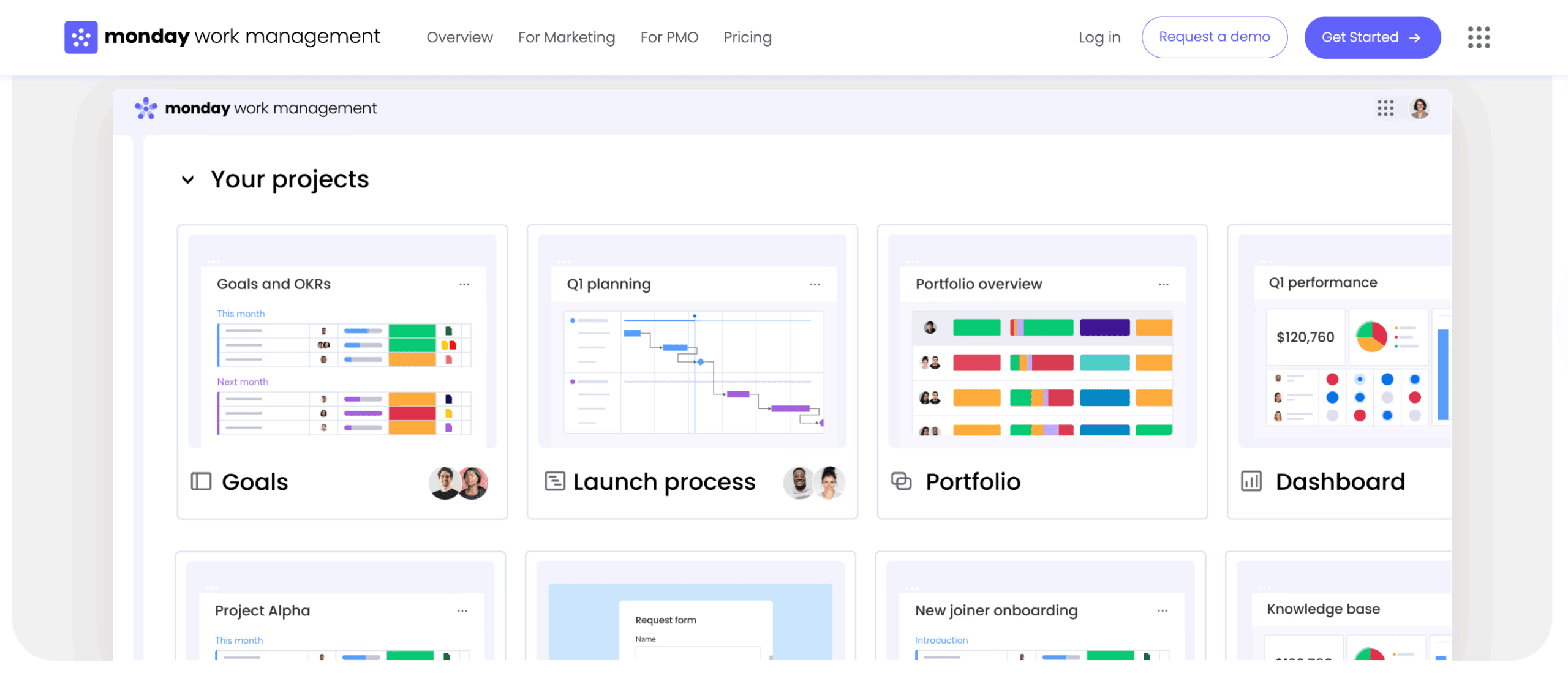
MRM vs other marketing technologies
Marketing teams often confuse MRM with other technologies or wonder how MRM fits within their existing platform stack. Understanding these distinctions helps organizations make informed decisions about which capabilities they need and how different solutions address specific operational challenges.
Marketing resource management vs project management
| Dimension | MRM systems | Project management platforms |
|---|---|---|
| Primary focus | Marketing-specific resource coordination, campaign management, and creative workflows | General project tracking across any industry or function |
| Resource allocation | Skills-based allocation with creative team specializations and campaign-specific capacity planning | Generic resource assignment without marketing-specific considerations |
| Asset management | Integrated creative asset storage, version control, brand compliance, and rights management | Basic file storage without creative-specific features |
| Budget tracking | Campaign-level budget allocation, spend tracking by channel, and marketing ROI measurement | Generic budget tracking without marketing attribution |
| Workflow templates | Pre-built templates for campaign launches, content production, and marketing-specific processes | Generic project templates requiring significant customization |
MRM vs digital asset management (DAM)
| Dimension | MRM systems | DAM systems |
|---|---|---|
| Core purpose | Comprehensive marketing resource coordination including people, budgets, timelines, and assets | Specialized creative asset storage, organization, and distribution |
| Workflow integration | Campaign planning, resource allocation, and project management with integrated asset access | Asset-centric workflows focused on storage, retrieval, and distribution |
| Resource planning | Team capacity planning, budget allocation, and timeline management | Limited or no resource planning capabilities |
| Collaboration scope | Cross-functional collaboration across marketing, creative, and business teams | Collaboration focused on creative asset review and approval |
| Strategic planning | Connects marketing strategy to tactical execution and resource allocation | Focuses on asset organization and accessibility |
MRM software vs work management platforms
| Dimension | Specialized MRM software | Flexible work management platforms |
|---|---|---|
| Customization | Pre-configured for marketing with limited flexibility | Highly customizable to match organization-specific workflows |
| Marketing features | Deep marketing-specific functionality built into core product | Marketing capabilities through templates, integrations, and configuration |
| Implementation | Longer implementation requiring process adaptation | Faster implementation adapting software to existing processes |
| Scalability | Scales within marketing function with limited flexibility | Scales across entire organization with consistent platform |
| Learning curve | Steeper learning curve due to marketing-specific complexity | Intuitive visual interface with shorter time-to-productivity |
Platforms like monday work management bridge this gap by offering marketing-specific templates and workflows within a flexible work management framework. Organizations gain marketing-specific capabilities while maintaining the flexibility to adapt processes as needs evolve.
Essential features of modern MRM software
MRM platforms vary significantly in capabilities, and understanding essential features helps organizations make informed selection decisions. Feature requirements depend on organization size, marketing complexity, and specific operational challenges.
Evaluating MRM platforms requires understanding both fundamental capabilities and advanced features that differentiate solutions in the market.
Core MRM capabilities every platform needs
Fundamental MRM features form the foundation of effective marketing resource management. These capabilities represent the minimum requirements for any platform you evaluate:
- Resource planning: team capacity visualization, skills-based allocation, and workload balancing that prevent overallocation while optimizing utilization.
- Project management: campaign timelines, project dependencies, milestone tracking, and progress visualization that keep complex initiatives on schedule.
- Asset management: centralized storage, version control, brand compliance checks, and asset distribution that accelerate creative production.
- Budget tracking: campaign-level budget allocation, real-time spend tracking, and ROI measurement that demonstrate marketing’s business impact.
- Reporting: customizable dashboards, automated reports, and real-time analytics that provide visibility into resource utilization and campaign performance.
- Collaboration: integrated communication, stakeholder visibility, approval workflows, and cross-functional coordination that reduce meeting overhead.
Integration requirements for your martech stack
When your MRM connects with your existing marketing tech, you stop manually transferring data between systems and start seeing everything in one place. Essential integrations include CRM systems for campaign-to-revenue attribution, marketing automation platforms for campaign execution coordination, creative software for asset workflow integration, and analytics platforms for performance measurement.
Common integration patterns include:
- Bidirectional data sync: maintains consistency across systems.
- Webhook-based automation: triggers actions across platforms.
- Embedded views: surface information from other systems within MRM workflows.
AI and automation capabilities
AI enhances MRM through automated resource allocation, predictive planning, workflow optimization, and intelligent insights that reduce manual work while improving decision-making. AI-powered resource allocation analyzes team skills, project requirements, historical performance, and current workload to automatically suggest optimal assignments.
AI capabilities in monday work management include:
- AI Blocks: categorize and summarize marketing data, automatically categorize campaign requests by type, and extract key information from creative briefs.
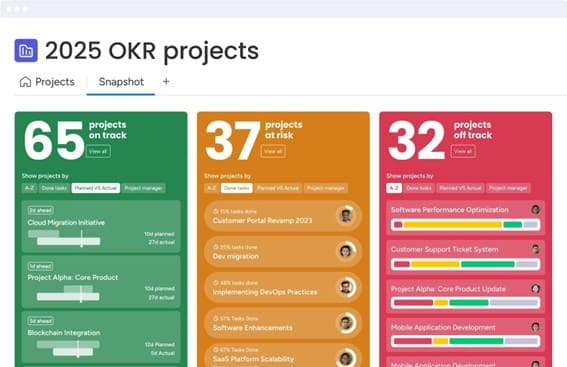
- Portfolio Risk Insights: scan project boards, quickly flagging potential risks by severity, helping teams spot critical issues without manually combing through data.
Scalability for growing organizations
Scalability considerations include user management, workflow complexity, data volume, and integration capabilities that enable platforms to grow with organizations without requiring migrations or major reconfigurations. User management should support growing teams through flexible permissions, role-based access, and department-level organization.
Workflow complexity scalability means platforms can accommodate increasingly sophisticated processes without performance degradation. Data volume scalability ensures platforms maintain performance as organizations accumulate years of campaign history and asset libraries.
How AI revolutionizes marketing resource management
AI is fundamentally shifting what MRM can do — instead of just reacting to resource problems, you can now predict and prevent them before they happen. Organizations implementing AI-powered MRM report significant improvements in resource utilization, timeline accuracy, and operational efficiency.
With AI, your MRM evolves from a fancy coordination tool into a system that actually thinks ahead — spotting resource needs, suggesting smarter decisions, and getting better over time.
Automated resource allocation with AI
AI analyzes team skills, availability, workload, project requirements, and historical performance patterns to automatically suggest optimal resource assignments. These systems consider which team members have the right skills, who has capacity, which combinations have historically delivered strong results, and how to balance workload across the team.
This reduces manual planning time while improving both resource utilization and team satisfaction. Marketing managers spend less time negotiating assignments and more time on strategic work. AI-powered resource allocation considers factors human planners might miss, leading to improved project outcomes.
Predictive analytics for campaign planning
AI analyzes historical campaign data, market trends, resource patterns, and external factors to predict campaign resource needs, timeline risks, and budget requirements before planning begins. Predictive insights enable proactive planning and risk mitigation rather than reactive problem-solving when issues emerge during execution.
Campaign planners can understand likely resource requirements based on campaign type, scope, and complexity, enabling realistic commitments from the start. Timeline risk prediction identifies potential bottlenecks or resource conflicts before they impact delivery.
AI-powered workflow optimization
AI identifies workflow bottlenecks, suggests process improvements, and automates routine work within marketing operations by analyzing how work flows through teams over time. Pattern recognition reveals where work consistently slows, such as approval processes that take longer than expected or handoffs between teams that create delays.
Digital Workers in monday work management provide budget allocation insights, identify spending patterns, and recommend campaign optimization strategies based on performance data. These capabilities reduce the manual analysis and coordination work that typically consumes marketing operations time.
Unified data insights across platforms
AI aggregates data from multiple marketing systems to provide comprehensive insights into resource performance, campaign effectiveness, and operational efficiency. Unified insights connect resource allocation to campaign outcomes, showing which team structures and resource patterns deliver the strongest results.
Cross-platform analysis reveals relationships between activities in different systems. Organizations gain understanding of their marketing operations that transcends what any single system can provide.
5 steps to implement marketing resource management successfully
Getting MRM right takes more than just installing software — you need a plan that balances the technical setup with getting your team on board and changing how people work. Organizations that follow structured implementation approaches achieve faster time-to-value and higher user adoption.
Follow these five steps to implement MRM with less risk and bigger results.
Step 1: audit your current marketing operations
A comprehensive audit of existing marketing processes, platforms, resources, and pain points informs MRM requirements and implementation priorities. Organizations should evaluate current workflows, resource allocation methods, platform usage, collaboration patterns, and performance measurement approaches.
Key audit areas include:
- Current workflows: document how work moves through teams.
- Resource allocation methods: understand existing capacity planning approaches.
- Platform usage: inventory existing marketing technologies and their integration points.
- Collaboration patterns: identify communication bottlenecks and coordination challenges.
- Performance measurement: assess current reporting and analytics capabilities.
This audit reveals the most significant pain points that MRM should address, identifies processes that work well and should be preserved, and establishes baseline metrics for measuring implementation success.
Step 2: define your MRM requirements and goals
Specific MRM objectives, success metrics, and functional requirements based on audit findings create implementation targets and prevent scope creep. Requirements should address different stakeholder groups — marketing managers needing resource planning capabilities, creative teams requiring asset management features, and executives seeking performance visibility.
Success metrics might include:
- Reduced campaign development time: target specific percentage improvements.
- Improved resource utilization rates: define optimal capacity targets.
- Decreased coordination overhead: measure time savings in meetings and status updates.
- Increased marketing ROI: connect resource optimization to business outcomes.
What would success look like for your organization six months after implementation?
Step 3: select the right MRM solution
A structured evaluation framework assesses MRM platforms against defined requirements across functionality, usability, integration capabilities, scalability, and total cost of ownership. Evaluation should include vendor demonstrations, pilot programs with representative user groups, and reference calls with similar organizations.
Evaluation criteria should include:
- Functionality alignment: how well does the platform address your specific requirements?
- Usability: will your teams actually adopt and use the system effectively?
- Integration capabilities: can the platform connect with your existing martech stack?
- Scalability: will the solution grow with your organization?
- Total cost of ownership: consider implementation, training, and ongoing costs.
Stakeholder feedback sessions ensure the selected platform meets needs across different roles. Organizations should prioritize resource management software that addresses their most critical requirements while maintaining flexibility for future needs.
Step 4: design your implementation roadmap
A phased implementation plan minimizes disruption while delivering early wins that build momentum and user adoption. Implementation phases should start with high-value examples that demonstrate benefits quickly, address critical pain points early, build capability progressively, and incorporate feedback loops.
Effective implementation phases include:
- Pilot phase: start with one high-visibility campaign or team.
- Core rollout: expand to primary marketing functions.
- Full deployment: scale across all marketing activities.
- Optimization: refine processes based on usage data.
Teams using monday work management can quickly launch and iterate on processes and projects to meet changing needs for operational efficiency. Change management planning should address training requirements, communication strategies, and stakeholder engagement throughout implementation.
Step 5: measure, learn, and optimize
Post-implementation success requires establishing success metrics, monitoring adoption, and continuously optimizing MRM processes based on actual usage patterns. Organizations should track both adoption metrics and outcome metrics like reduced campaign development time and improved resource utilization.
Key measurement areas include:
- Adoption metrics: user engagement, feature utilization, and system usage patterns.
- Outcome metrics: campaign development time, resource utilization, coordination overhead.
- Business impact: marketing ROI, campaign performance, and operational efficiency.
Regular user feedback sessions identify optimization opportunities and unmet needs that should inform ongoing platform configuration. Continuous optimization transforms MRM from a deployed platform into an evolving capability that improves over time.
Level up your marketing operations with unified resource management
MRM transforms how marketing teams operate — moving you from constantly putting out fires to confidently staying ahead of demands. Organizations implementing MRM gain the visibility, control, and agility needed to execute complex campaigns while maintaining team productivity and budget discipline.
As AI-powered MRM takes over the coordination busywork, your team can finally focus on what humans do best — strategy and creativity. Teams that embrace this transformation position themselves for sustained competitive advantage in an increasingly complex marketing landscape.
Ready to transform your marketing operations? monday work management provides the flexible, AI-powered platform that adapts to your unique workflows while delivering the marketing-specific capabilities your team needs to execute at scale.
The content in this article is provided for informational purposes only and, to the best of monday.com‘s knowledge, the information provided in this article is accurate and up-to-date at the time of publication. That said, monday.com encourages readers to verify all information directly.
Frequently asked questions
What is an MRM platform?
An MRM platform is a centralized software solution that helps marketing teams plan, execute, and optimize their resources, campaigns, and workflows in one integrated system.
What is the difference between CRM and MRM?
CRM focuses on customer relationship management and sales processes, while MRM focuses on internal marketing resource coordination, campaign management, and operational efficiency.
What are examples of MRM in action?
MRM examples include coordinating multi-channel product launch campaigns across creative, digital, and traditional marketing teams, managing creative asset approval workflows, and allocating team resources across simultaneous campaigns based on skills and availability.
Can AI predict marketing resource needs?
AI analyzes historical campaign data, team performance patterns, and project characteristics to predict resource requirements, timeline risks, and optimal allocation strategies for future campaigns.
How much does marketing resource management software cost?
MRM costs vary based on features, user count, and implementation complexity, typically ranging from per-user monthly subscriptions for basic platforms to enterprise licensing models for comprehensive solutions.
Will AI replace marketing resource managers?
AI enhances rather than replaces marketing resource managers by automating routine work and providing data-driven insights, while human expertise remains essential for strategy, creative decisions, and stakeholder management.

 Get started