


Creating great marketing work is challenging enough without assets scattered across shared drives, email threads, and chat messages. Searching for the correct logo version or the latest creative file can turn into a 20-minute treasure hunt, while campaigns stall waiting for approvals lost in inboxes.
Marketing asset management software addresses this by centralizing all creative assets in one organized workspace. These platforms go beyond storage: they connect files to workflows, streamline approvals, and enforce brand consistency automatically. With version control, permission management, and real-time collaboration, scattered files transform into a strategic resource.
This guide reviews 15 marketing asset management platforms for 2026, highlighting strengths, pricing, and ideal use cases to help teams distinguish between true marketing engines and simple file storage solutions. Without further ado, let’s begin!
Key takeaways:
- Marketing asset management software centralizes creative resources: these platforms organize files, streamline workflows, and ensure brand consistency across campaigns.
- AI-powered features enhance efficiency: automated tagging, intelligent search, and digital workers reduce manual effort and accelerate asset discovery.
- Workflow automation and approval management prevent bottlenecks: platforms route assets, track approvals, and update project timelines in real time.
- Integration with existing tools is essential: connecting DAM with project management, CMS, and creative applications reduces context switching and improves team productivity.
- monday work management unifies assets with project execution: it links creative files directly to campaign workflows, timelines, and dashboards for end-to-end visibility.
What is marketing asset management software?
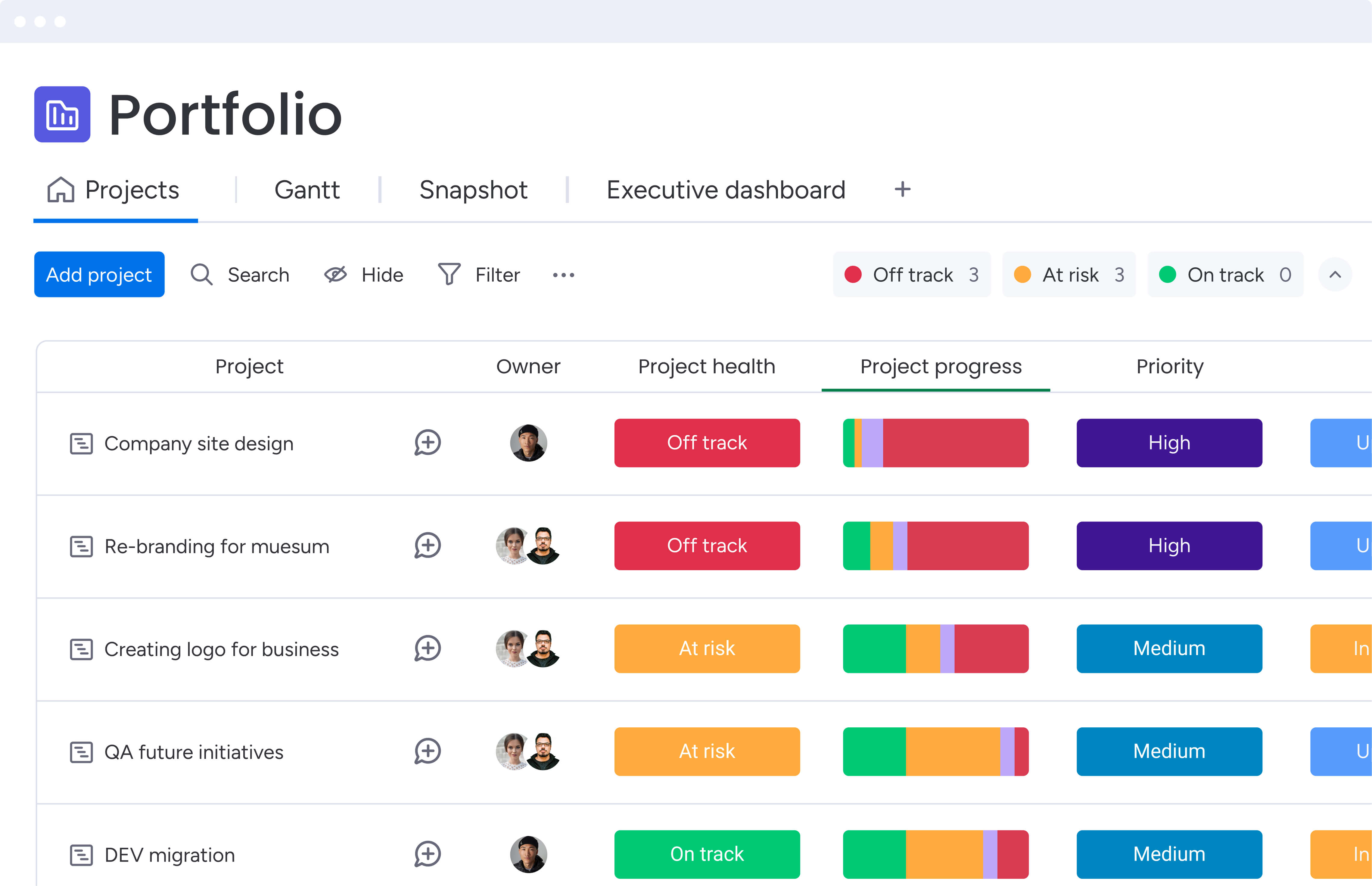
Marketing asset management software centralizes creative resources, moving teams away from scattered drives into a workspace designed for execution. Think of it less as a digital filing cabinet and more as a command center for your brand.
Unlike standard storage solutions, these platforms integrate marketing logic directly into asset management. They manage everything from approval cycles to usage rights, allowing teams to locate approved assets instantly and focus on campaign execution. Brand compliance becomes a built-in standard rather than a question.
This approach connects creative assets to business outcomes, turning files into strategic drivers for organizations through effective asset management.
15 best marketing asset management software platforms
Asset management has evolved beyond basic digital storage. Today’s platforms act as strategic engines, linking creative work to measurable business results while ensuring brand consistency across campaigns. They provide marketing teams with both speed and control.
The following 15 platforms for 2026 showcase the capabilities modern marketing teams need to execute their vision. Some emphasize AI-powered organization, while others embed asset management within broader marketing workflows. All aim to unify creative operations and boost team efficiency.
Mastering asset management provides a competitive advantage. It enables faster campaign launches, smooth cross-functional collaboration, and a more commanding market presence.
1. monday work management: best for unified work and asset management
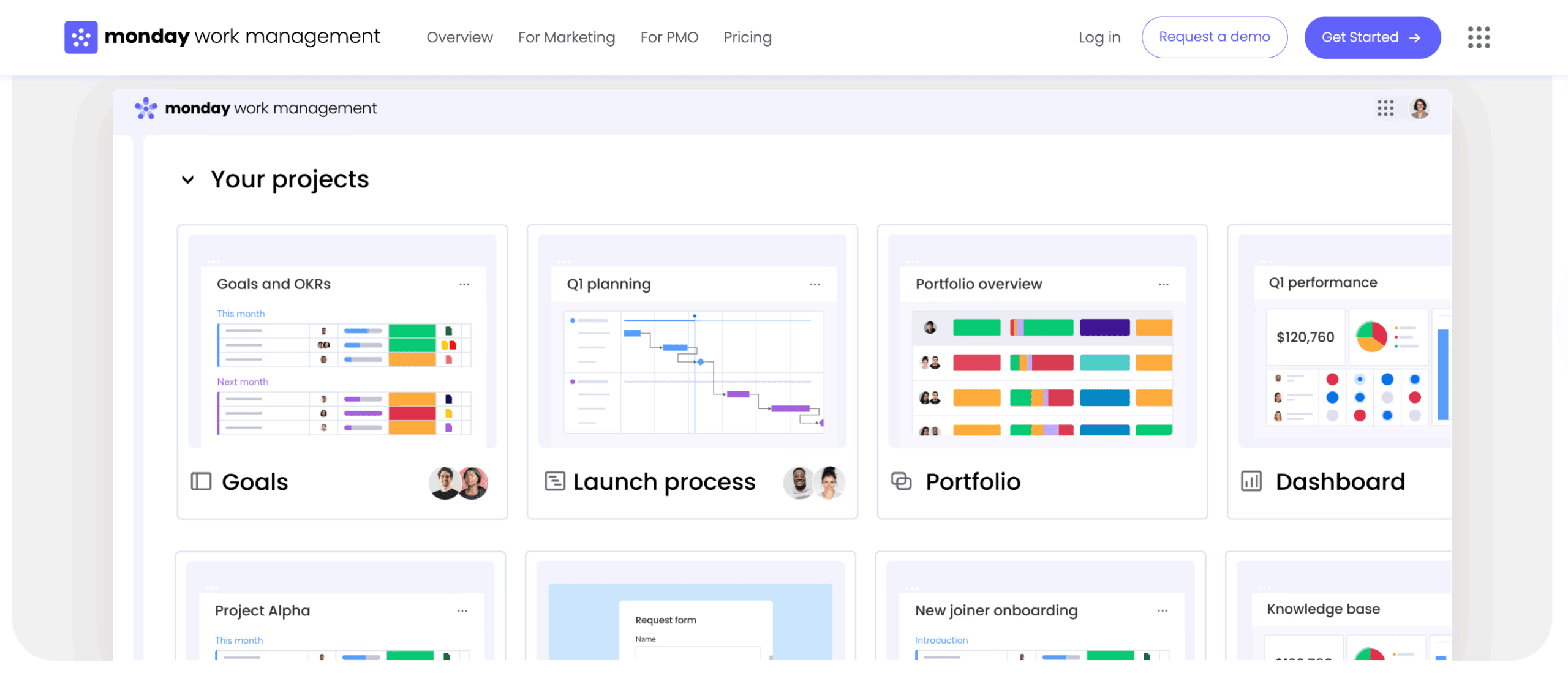
Modern platforms like monday work management link creative files directly to the workflows driving campaigns. Assets remain connected to their owner, timeline, and status, ensuring all stakeholders operate from a single source of truth.
This approach is especially effective for cross-functional teams where creative, marketing ops, and leadership must view the same information. Teams can plan projects, manage approvals, and track progress in one place, keeping everyone aligned and focused.
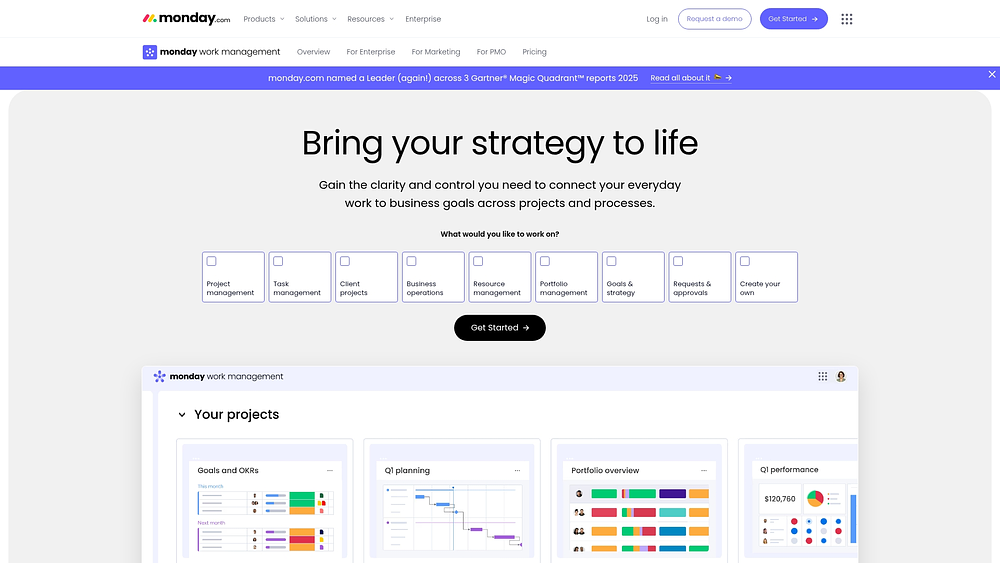
Example:
Teams synchronize asset creation, approval workflows, and campaign distribution within unified project timelines that connect creative deliverables to business outcomes. Marketing ops captures requests through a form, the creative lead assigns ownership and due dates, and stakeholders monitor progress with Timeline, Calendar, Kanban, or Gantt views.
Executives can also track delivery and workload through dashboards, while every item retains its attached files for quick access.
Key features:
- Contextual file management: attach and reference creative files directly on the work item to simplify handoffs.
- Marketer-centric views: visualize schedules with Gantt, manage flow with Kanban, and plan launches with Calendar and Timeline.
- Leadership visibility: roll up campaign status, workload, and metrics into shareable dashboards for informed decision-making.
- Standardized intake: use Forms to capture essential details before work begins.
- Extensive connectivity: link work to Microsoft Teams, Slack, Gmail, Outlook, and Google Drive with integrations and open API support.
Pricing:
- Free: up to two seats with basic file management.
- Basic: $9/seat/month (billed annually) for three or more users.
- Standard: $12/seat/month with 250 automation actions monthly.
- Pro: $19/seat/month with 25,000 automation actions monthly.
- Enterprise: custom pricing with 250,000 automation actions monthly.
Annual billing provides an 18% discount across all paid plans. AI credits are available after trial at $0.01 per credit on annual plans.
Advanced AI features:
AI tools organize creative work into searchable, actionable workflows.
- AI Blocks: categorize incoming requests, summarize long briefs, and translate copy for localization.
- Information extraction: pull data from files including PDFs, documents, and images to populate board fields consistently.
- Digital workforce: a set of digital workers handles tasks automatically, with the Campaign Manager providing insights and recommendations.
Automations:
Automations keep reviews, handoffs, and follow-ups moving through a single channel, ensuring no deadlines are missed.
- Automation center: use templates for approval notifications, reminders, and status-driven handoffs.
- Repeatable execution: create templates so every campaign begins with the same structure, owners, and reporting.
- Smart routing: pair automations with Forms to assign requests to the right team members immediately.
Integrations:
Integrations connect scattered processes into one centralized system.
- Communication: integrate Microsoft Teams and Slack to link conversations with execution.
- Email to item: convert email-driven work into tracked items with Gmail and Outlook.
- Storage access: keep files accessible where teams already store them with Google Drive.
- Stack extension: use the open API and 200+ app integrations to connect your broader stack.
Marketing asset management software features:
monday work management organizes work around campaigns rather than storing assets separately.
- Campaign-centric organization: manage creative work with timelines, dependencies, and ownership.
- Scalable approvals: capture inputs with Forms and automate reviews for efficiency.
- Cross-team reporting: dashboards surface progress, workload, and delivery risks for early intervention.
Why it stands out:
- Unified planning and execution: assets remain connected to the work they support.
- Flexible workflow building: teams can standardize processes with templates and customize views, automations, and reporting.
- Enterprise-ready governance: multi-level permissions control access for internal and external collaborators.
2. Frontify: best for brand consistency and guidelines
Organizations looking for a single brand home often turn to Frontify. The platform blends digital asset management with live guidelines, supporting multi-brand governance. Enterprise teams rely on Frontify to uphold brand standards while allowing local flexibility.
Use case:
Companies managing multiple brands or strict compliance requirements centralize assets while enforcing guidelines through automated checks and templating.
Key features:
- Multi-brand architecture: manage distinct brand identities within one platform while maintaining corporate standards.
- Brand-connected DAM: link assets to living brand guidelines and templates to reduce off-brand usage.
- Advanced governance controls: benefit from automated compliance checks, asset lifecycle management, and approval workflows with audit trails.
Pricing:
- Monthly active user model: contact sales for custom pricing.
- Enterprise features: advanced governance, audit trails, and premium integrations at higher tiers.
- Additional costs: some integrations such as CI HUB and Templafy require separate licensing.
Considerations:
- Quote-based pricing limits immediate cost visibility.
- Advanced features like asset lifecycle management and audit trails are available only in Enterprise plans.
3. Bynder: best for enterprise brand management
Bynder suits large organizations managing extensive libraries across regions. Its metadata system supports complex taxonomies, enabling precise categorization for libraries with hundreds of thousands of files. Regional marketing teams can access localized assets while central governance is maintained.
Use case:
Organizations with complex approval hierarchies, multiple stakeholders, and strict brand governance rely on Bynder to streamline operations.
Key features:
- AI-powered search and automation: natural-language search, image recognition, OCR text-in-image search, and AI Agents for automated enrichment and governance.
- Dynamic asset transformation: generate derivatives on the fly with URL-based crop, resize, compress, and format changes delivered via CDN.
- Enterprise security and compliance: ISO 27001/27018/22301 certifications, HIPAA/PCI-DSS compliance, flexible data residency options, and 99.9% uptime SLA.
Pricing:
- Custom packages: pricing based on users, storage, integrations, and modules.
- Modular approach: core DAM with add-ons such as Asset Workflow, Content Workflow, Studio, Analytics, and CX Omnichannel.
- Free trial: available for evaluating platform fit.
Considerations:
- Custom pricing requires sales engagement, slowing procurement.
- Some advanced capabilities require enablement and may incur additional costs beyond the base package.
4. Aprimo: best marketing operations platform
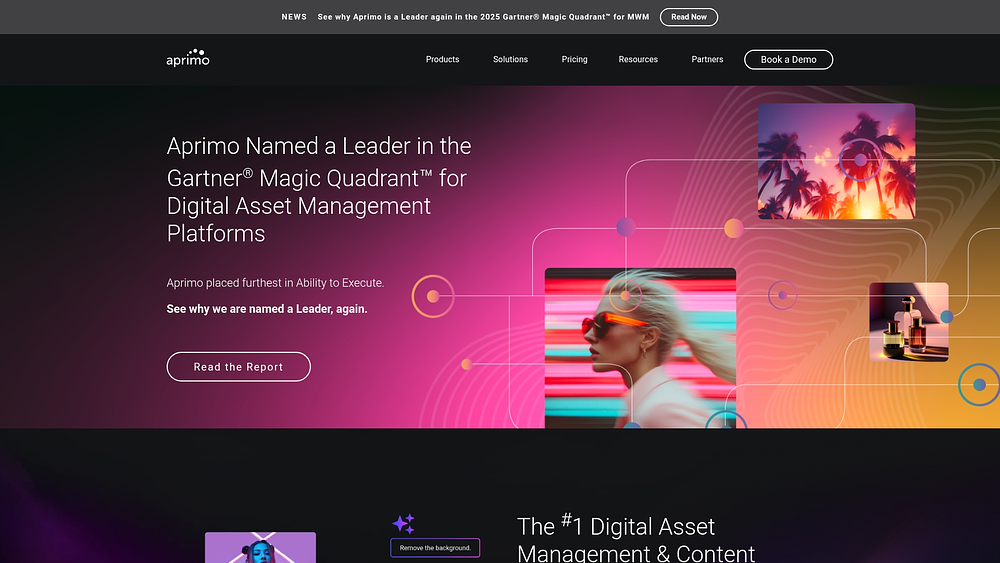
For organizations seeking a content operations engine that spans the entire marketing ecosystem, Aprimo delivers a comprehensive solution. It unifies digital asset management with campaign planning, budget tracking, and performance analytics, positioning itself as a top choice for enterprise marketing operations teams.
With AI-powered workflows and over 80 integrations, Aprimo simplifies the management of complex, multi-platform marketing operations.
Use case:
Aprimo connects asset workflows to broader marketing operations, helping teams understand how content creation costs affect campaign budgets and overall marketing ROI.
Key features:
- AI agents architecture: deploy specialized AI for metadata enrichment, compliance checks, content optimization, and automated transformations across the content lifecycle.
- Modular content methodology: manage content at the atomic “block” level with metadata relationships to enable reuse, personalization, and faster experience assembly.
- Native CDN with public links: allow on-the-fly transformations, SEO-ready URLs, and link-level analytics for seamless omnichannel distribution.
Pricing:
- DAM standard: quote-only pricing based on chosen modules and number of users.
- AI elite add-on: optional enhanced AI features including predictive metadata, smart tagging, and AI content detection.
- Additional modules: personalization, content intelligence, productivity, plan, and spend available as separate quote-based additions.
- Contract terms: typically start at 12 months with customer success management included.
Considerations:
- Configuration complexity and metadata modeling can be demanding for large enterprises, with a noted learning curve.
- No public pricing or self-service trials are available — all purchases require sales-assisted implementation cycles.
5. Storyteq: best for video asset management
Storyteq turns video content into a strategic advantage by combining AI-powered asset discovery with templated video production. The platform helps organizations scale personalized video content across markets and channels. Enterprise teams managing large video libraries benefit from Storyteq’s unified approach, which addresses complex localization needs that traditional asset management platforms struggle with.
Use case:
Storyteq supports global organizations that need to create, manage, and distribute video content at scale across multiple markets, channels, and audience segments.
Key features:
- AI-driven asset intelligence: leverage automatic tagging, object detection, and natural language search across video libraries.
- Automated video generation: create localized content variations rapidly from master templates.
- Multi-format distribution optimization: ensure video assets are properly formatted for each destination platform.
Pricing:
- Custom enterprise pricing: quote-based pricing through sales consultation.
- Implementation costs: typically 10–20% of annual subscription for setup and training.
- Annual contracts: often include 10–20% discounts compared to monthly billing.
Considerations:
- No public pricing transparency requires engaging sales teams for cost evaluation.
- Implementation often involves process redesign and template creation, requiring 10–20 hours per template for large creative catalogs.
6. Air: best digital asset management for creative teams
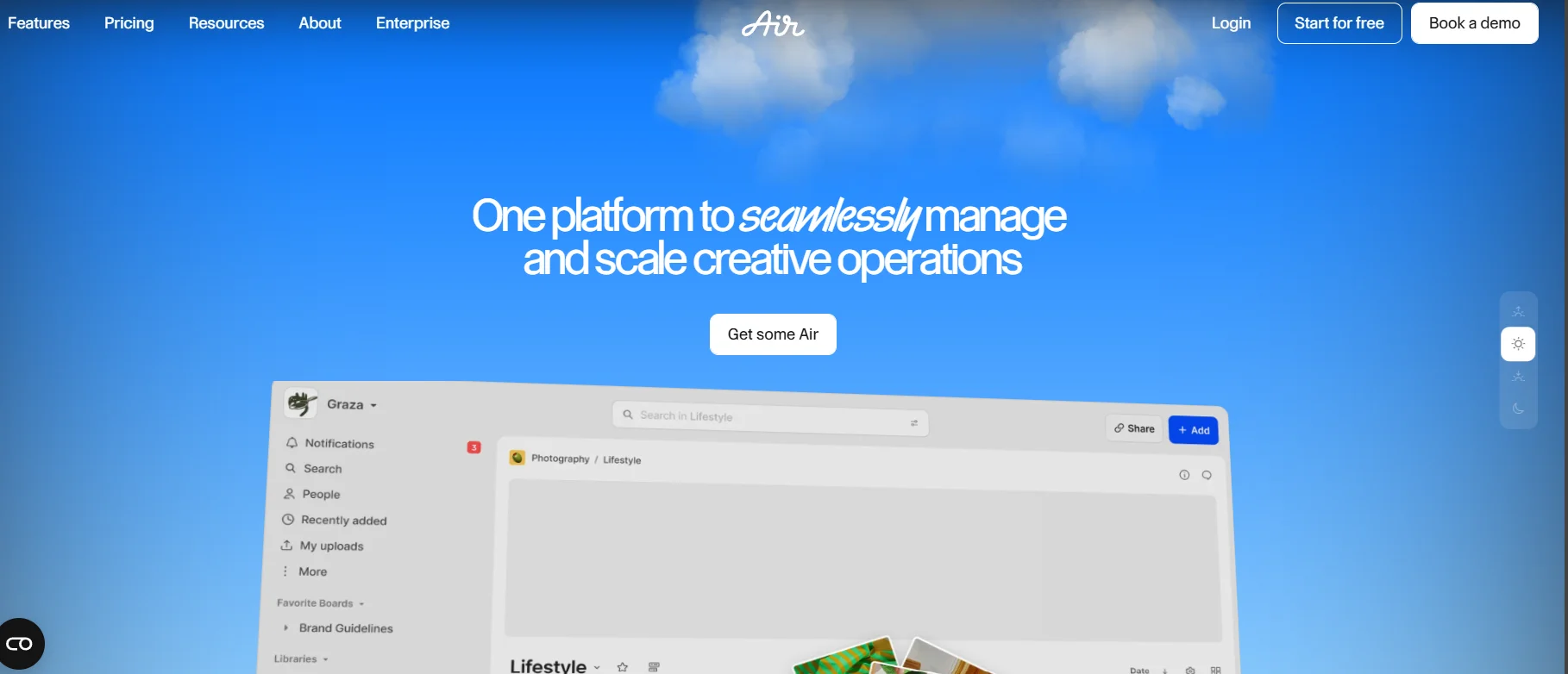
Air streamlines creative operations by merging visual asset organization with collaborative review workflows in one platform. It specializes in board-based asset management and AI-powered content intelligence, making it a strong choice for creative teams moving from basic file storage to dedicated digital asset management. Transparent pricing and rapid deployment remove complexity often associated with enterprise DAM solutions.
Use case:
Air helps creative teams and marketing departments organize, review, and distribute visual assets while maintaining version control and enabling seamless collaboration across internal teams and external stakeholders.
Key features:
- Board-based organization: assets can exist in multiple boards without duplication, providing flexible visual organization that mirrors how creative teams work.
- AI-powered content intelligence: automatic tagging, facial recognition, OCR, video transcription, and AI-generated summaries reduce manual asset curation time.
- Collaborative review workflows: time-stamped video comments, area annotations, and threaded discussions streamline creative feedback and approval processes.
Pricing:
- Free: $0/month (10GB storage, basic collaboration features).
- Creator: $20/month (1TB storage, 1 user, comments and annotations).
- Pro: $600/month (3TB storage, 10 users, share-link permissions, CDN links).
- Business: $1,100/month (5TB storage, 15 users, AI enrichment features).
- Enterprise: custom pricing (libraries with granular access control, SAML SSO, dedicated support).
Considerations:
- Windows desktop application remains in beta, and no native mobile app is currently available.
- Advanced enterprise features like SAML SSO and granular access controls are restricted to the Enterprise tier, which may limit scalability for growing teams.
7. MediaValet: best AI-powered asset organization
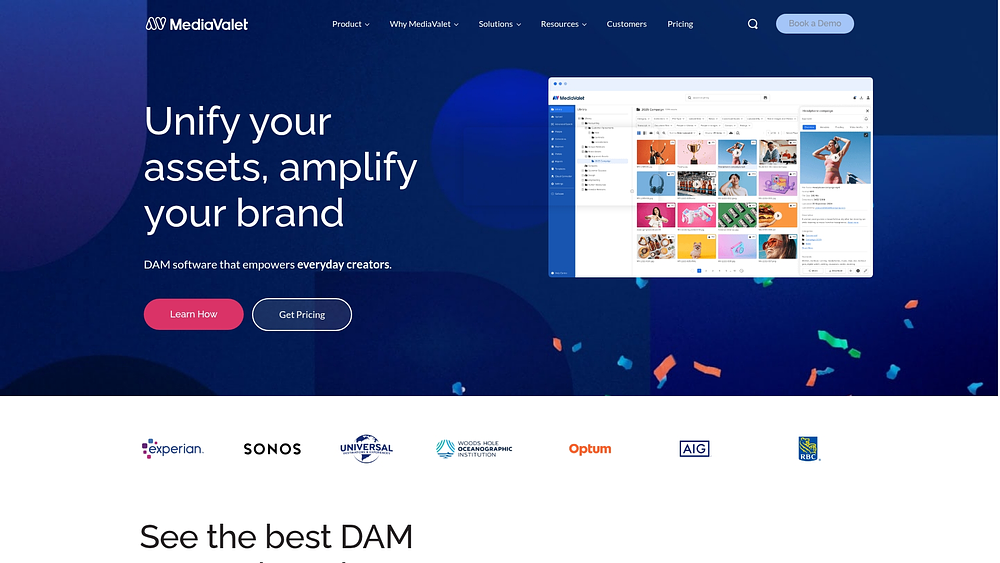
Built on Microsoft Azure, MediaValet provides a cloud-native solution for enterprise teams managing large, complex asset libraries. The platform emphasizes AI-driven automation to reduce manual tagging and organization, making it ideal for organizations with rapidly growing digital collections. Unlimited users and enterprise-grade security enable teams to discover, organize, and distribute brand assets at scale.
Use case:
MediaValet helps enterprises apply AI-powered asset discovery and organization across large, diverse digital libraries while maintaining strict security and compliance standards.
Key features:
- AI-powered asset intelligence: automatically identify objects, people, text, and visual elements within images and videos using computer vision and machine learning.
- Advanced video management: search within long videos by transcript and time-codes, with clip and trim capabilities for 400+ audio and video file types.
- Experience portals and brand centers: distribute curated brand assets with governance controls and templating for consistent brand execution.
Pricing:
- Custom pricing: quote-based depending on platform configuration, storage volume, and integrations.
- Add-on features: face recognition, audio/video intelligence (AVI), experience portals, templating, and proofing available as additional modules.
- Integration fees: some integrations include small annual and setup fees.
- Azure marketplace: available for purchase against Microsoft Azure Consumption Commitment (MACC).
Considerations:
- Cloud-only platform requires internet connectivity for library access with no offline capabilities.
- Advanced AI features like face recognition and AVI are packaged as add-ons, potentially increasing total cost for full functionality.
8. Cloudinary: best for developer-friendly asset management
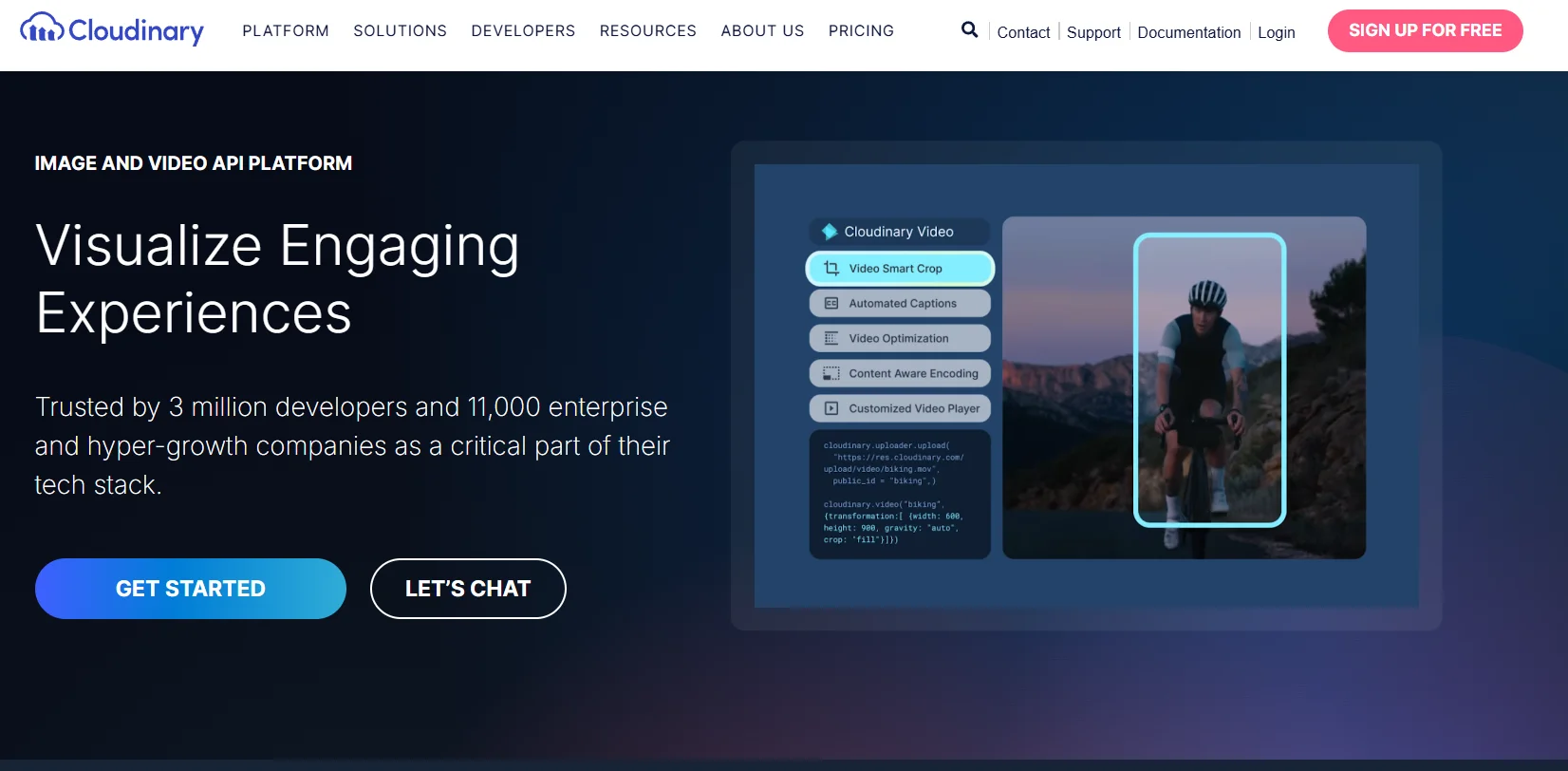
Cloudinary bridges technical teams and marketing workflows with an API-first approach to digital asset management. The platform combines traditional DAM capabilities with dynamic image and video transformation, making it ideal for organizations that need both developer-grade automation and marketer-friendly interfaces.
Over three million developers and 11,000 brands use the platform, recognized as a Visionary in Gartner’s 2025 Magic Quadrant for Digital Asset Management Platforms.
Use case:
Organizations with development resources can use Cloudinary to programmatically manipulate images and videos on-the-fly through URL parameters or API calls.
Key features:
- Dynamic transformations: real-time image and video optimization with content-aware cropping, automatic format selection, and quality adjustment.
- AI-powered automation: auto-tagging, visual search, and content analysis streamline asset organization and discovery.
- Composable architecture: API-first design with 25+ SDKs and extensive integrations for custom digital experiences.
Pricing:
- Free: 25 monthly credits, 3 users, 1 account, 25 GB storage.
- Plus: $89/month (annual billing) or $99/month (monthly billing), 225 credits, 3 users, 2 accounts.
- Advanced: $224/month (annual billing) or $249/month (monthly billing), 600 credits, 5 users, 3 accounts.
- Enterprise: custom pricing with premium DAM features.
- Add-ons: auto-tagging, moderation, and AI processing with separate quotas and billing.
Considerations:
- Advanced DAM features like portals, creative approval, and visual search require premium add-ons, increasing total cost.
- Credit-based pricing can become complex for teams with varying usage across transformations, storage, and bandwidth.
9. Acquia DAM: best marketing asset management for CMS integration
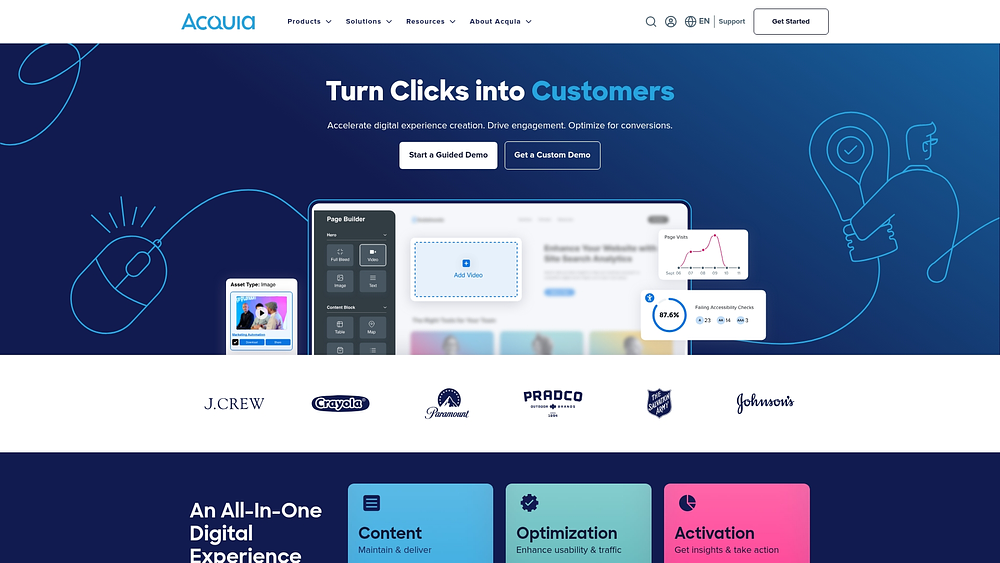
Acquia DAM connects asset management directly to CMS platforms, streamlining publishing workflows. The platform reduces friction between asset storage and content creation, making it ideal for organizations with substantial publishing operations and existing CMS infrastructure.
Use case:
Acquia DAM bridges the gap between digital asset storage and content management systems, allowing content creators to access, select, and insert marketing assets directly within their CMS while maintaining synchronized metadata.
Key features:
- AI-powered metadata extraction: automatically generates tags, descriptions, and alt text across 53 languages, reducing manual work by 90% and accelerating metadata creation.
- Seamless CMS integration: direct asset access within Drupal and other enterprise CMS platforms with synchronized metadata and automated updates.
- Enterprise-grade distribution: unlimited standard portals, unlimited CDN bandwidth through Amazon CloudFront, and multi-region S3 storage for global delivery.
Pricing:
- Workgroup: custom pricing with annual SaaS subscription and implementation services.
- Enterprise: custom pricing with unlimited users, bandwidth, and enhanced security features.
- DAM+PIM: custom pricing combining digital asset management with product information management.
- Additional users and storage: available as add-ons.
- Advanced features: templates, workflow, and portals+ require separate add-on purchases.
Considerations:
- Limited pricing transparency requires sales conversations for cost evaluation.
- Advanced capabilities like natural language search and smart embed codes are marked as “coming soon,” affecting immediate availability.
10. Brandfolder: best for growing marketing teams
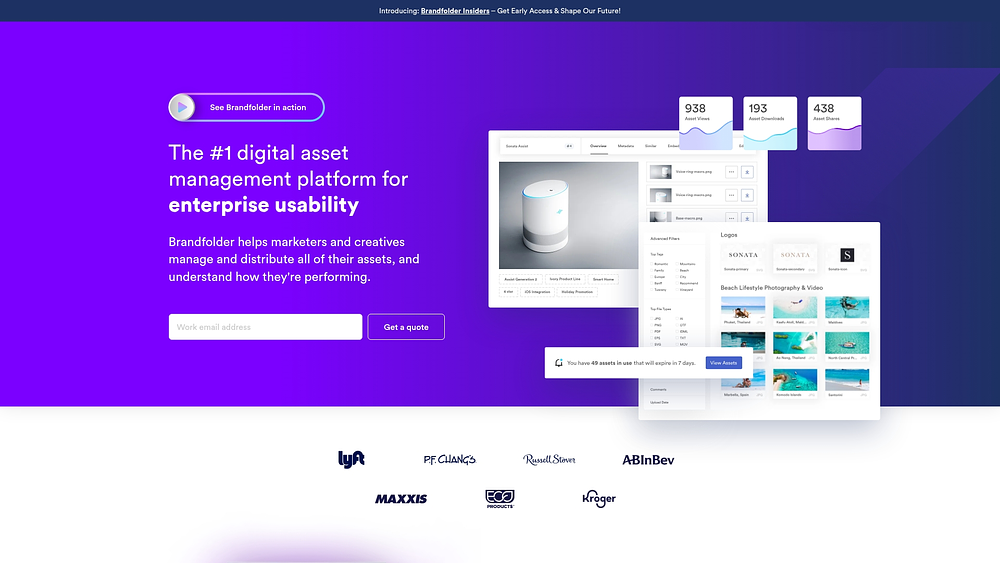
Brandfolder balances enterprise-grade capabilities with a user-friendly design, scaling alongside growing organizations. By combining AI-powered asset intelligence with intuitive organization structures, it provides sophisticated features without extensive technical expertise.
Use case:
Brandfolder helps mid-sized marketing teams manage assets efficiently while growing their operational capabilities, keeping workflows simple and accessible.
Key features:
- AI-driven Brand Intelligence: automatically tags assets, scores content quality, and recognizes video scenes and speech for faster discovery.
- Smart CDN distribution: delivers real-time updates across web properties with on-the-fly transformations and automated propagation.
- Curated Brand Portals: creates controlled stakeholder experiences with role-based access and unlimited guest users for external collaboration.
Pricing:
- Premium: quote-based pricing including analytics, Document Intelligence, SSO, and Video AI capabilities.
- Enterprise: quote-based pricing adding custom automation, granular permissions, and Insights Data Connector.
- Content Automation: available as a separate module through Outfit integration.
- Annual contracts and volume discounts negotiated through sales engagement.
Considerations:
- Occasional AI tagging precision issues and slower upload speeds for large files.
- Quote-only pricing may challenge cost transparency for budget-conscious teams.
11. DemoUp Cliplister: best for e-commerce product syndication
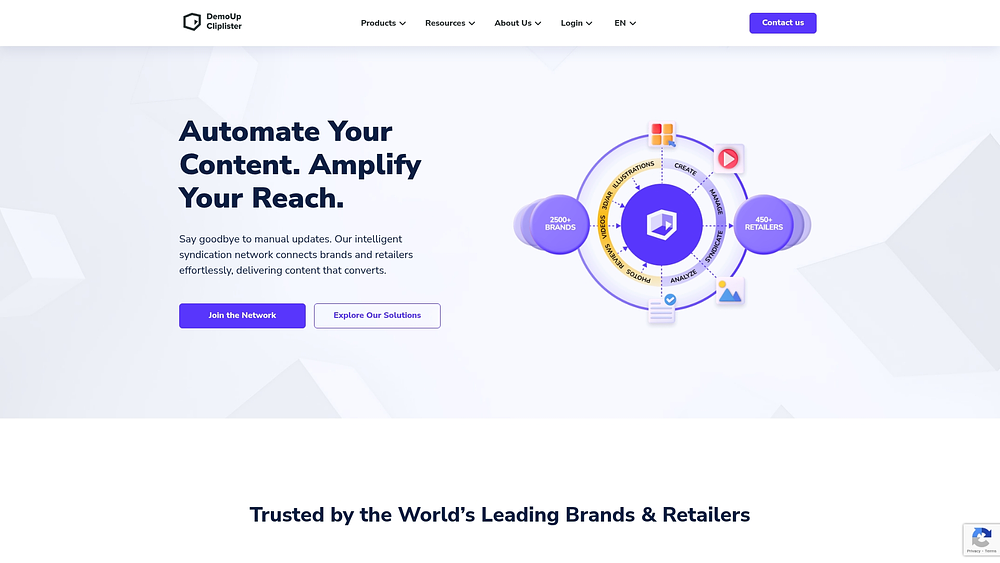
Designed specifically for e-commerce, DemoUp Cliplister combines DAM with an integrated retailer syndication network. It helps brands distribute product content directly to retailer product detail pages across Europe and Latin America, removing the manual content collection process that slows product launches.
 Use case:
E-commerce brands managing extensive product catalogs can syndicate approved assets directly to retailer pages while maintaining brand consistency across multiple channels.
Key features:
- Syndication network: connects with over 2,000 brands and 500 retailers for real-time asset distribution.
- Multi-CDN delivery: uses Amazon, Cloudflare, and Akamai for optimized media performance.
- Compliance modules: ensures videos, images, and 3D/AR content meet European Accessibility Act (EAA) regulations.
Pricing:
- Custom pricing available through demo request.
- Quote-based pricing with modular add-ons for creative editor and accessibility features.
- Contact sales for tailored pricing based on syndication network usage and feature requirements.
Considerations:
- Limited reach outside Europe and Latin America may restrict global syndication.
- Lack of public reviews on platforms like G2 can complicate procurement evaluation.
12. Canto: best for visual asset collaboration
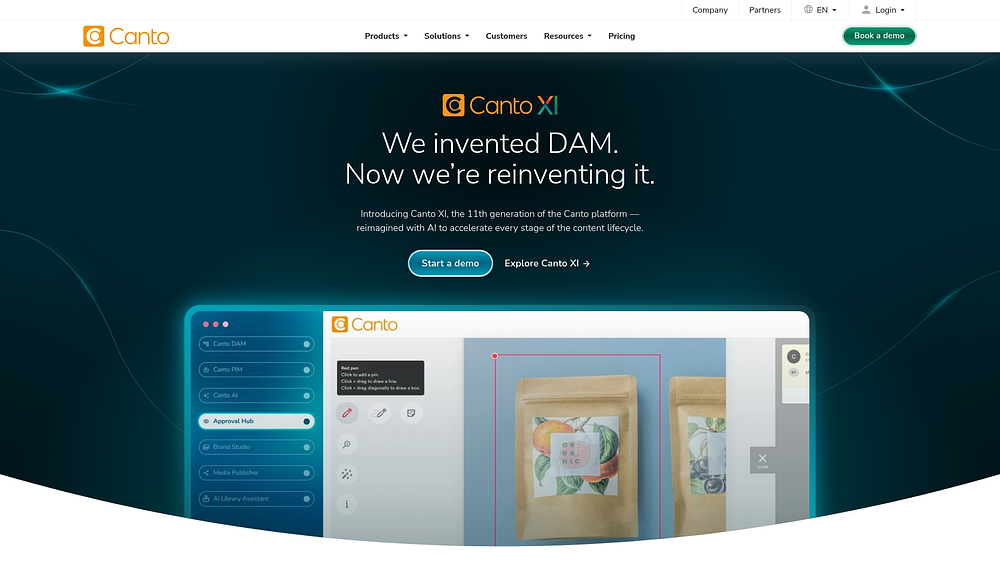
Canto transforms how teams interact with visual content through AI-powered discovery and organization. Its natural-language search and direct-to-channel publishing capabilities make it a top choice for marketing teams managing large visual libraries.
Over 3,400 organizations rely on its DAM capabilities, earning it recognition as a top-ranked DAM provider on G2’s 2025 Best Software list.
Use case:
Canto helps marketing and creative teams streamline visual content workflows, enabling AI-driven discovery and automated distribution across digital channels.
Key features:
- AI Visual Search: finds images and video clips using natural-language prompts, including per-frame video analysis.
- Media Publisher: publishes approved assets directly from DAM to websites and e-commerce platforms with automatic resizing and instant sync.
- Approval Hub: centralizes proofing workflows with visual comparison and collaborative annotation features.
Pricing:
- Core Essentials: quote-based pricing for DAM foundations.
- Enhanced Collaboration: quote-based pricing adding templates, AI organize/search, and brand portals.
- Omni Brand Solution: quote-based pricing combining DAM and PIM capabilities.
- Advanced: quote-based pricing for enterprise integrations, security, and services.
- Free trial: seven-day trial available for all plans.
- Add-ons like AI Visual Search, Brand Studio, Approval Hub, Workflows, and Media Publisher require additional fees.
Considerations:
- Add-on model requires careful assessment to avoid unexpected costs.
- Some users report slower loading times and prefer a desktop client option.
13. Scaleflex: best digital asset management platform for media workflows
Scaleflex supports mid-market and enterprise teams in media-heavy industries with its Visual Experience Platform. It unifies digital asset management, dynamic media optimization, and AI-powered capabilities. MACH-certified architecture and 10 Core DAM accreditation enable complex media workflows with global performance through Reverse-CDN technology.

Use case:
Organizations needing sophisticated media processing, automated optimization, and global distribution benefit from Scaleflex, which combines headless API flexibility with a marketer-friendly interface.
Key features:
- Headless DAM architecture: REST/GraphQL APIs, SDKs, and CLI tools enable flexible integrations while providing a user-friendly Asset Hub interface.
- Dynamic media optimization: on-the-fly transformations with over 150 optimization options, multi-CDN delivery, and automated format selection based on device and connection speed.
- Visual AI integration: automated tagging, content moderation, semantic search, and generative enhancements streamline discovery.
Pricing:
- Developers: contact for pricing (three to five users, up to 50GB storage, basic features).
- Digital teams: contact for pricing including enhanced collaboration, custom roles, and Sharebox/Airbox features.
- Enterprise: contact for pricing with bring-your-own infrastructure, advanced connectors, video transcoding, and dedicated support.
- Sample annual pricing starts at $2,550 for a 12-month Developers plan via AWS Marketplace.
- Contract durations available for 12, 24, or 36 months with potential volume discounts.
Considerations:
- Entry-level Developers package excludes key collaboration features, pushing many teams toward higher-tier plans.
- UI responsiveness and feature discoverability can be challenging for mass uploads according to user feedback.
14. CELUM: best for complex enterprise requirements
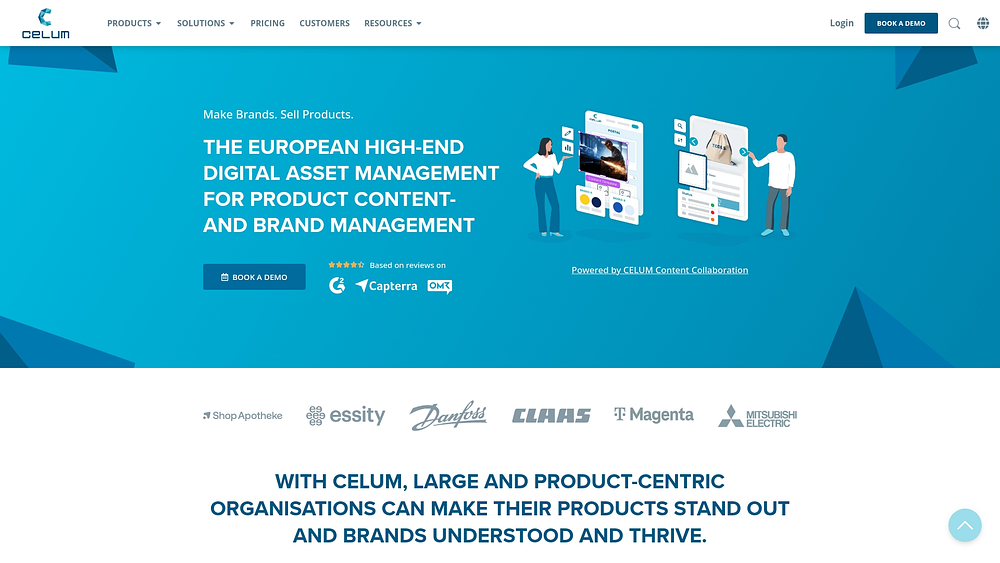
Focused on the content supply chain, CELUM unifies creation, management, and distribution for large organizations. The Austrian-based platform specializes in workflow customization and granular permission controls, making it suitable for enterprises with complex structures and strict governance requirements.
Use case:
downstream distribution through its integrated collaboration, DAM, and portal solutions.
Key features:
- Unified content supply chain: connects CELUM Work (collaboration), CELUM Content (DAM), and CELUM Experience (portals) through a single cloud account with SSO integration.
- Advanced governance controls: granular permissions down to metadata-field level, licensing enforcement, and controlled external sharing via PIN-links and Smart Views.
- Content templates: self-service, on-brand content creation directly from portals with globally managed download and conversion formats.
Pricing:
- Content Collaboration Basic: free for up to two workrooms.
- Enterprise DAM: quote-based pricing (contact sales for details).
- Additional extensions: smart views and brand portal features may incur extra licensing costs.
Pricing page: Contact CELUM for quote
Considerations:
- Users note a learning curve and UI modernization concerns, with higher perceived costs that may challenge smaller organizations.
- Advanced sharing features like Smart Views require separate licensing, increasing total implementation costs.
15. Adobe Experience Manager: best for Adobe ecosystem integration
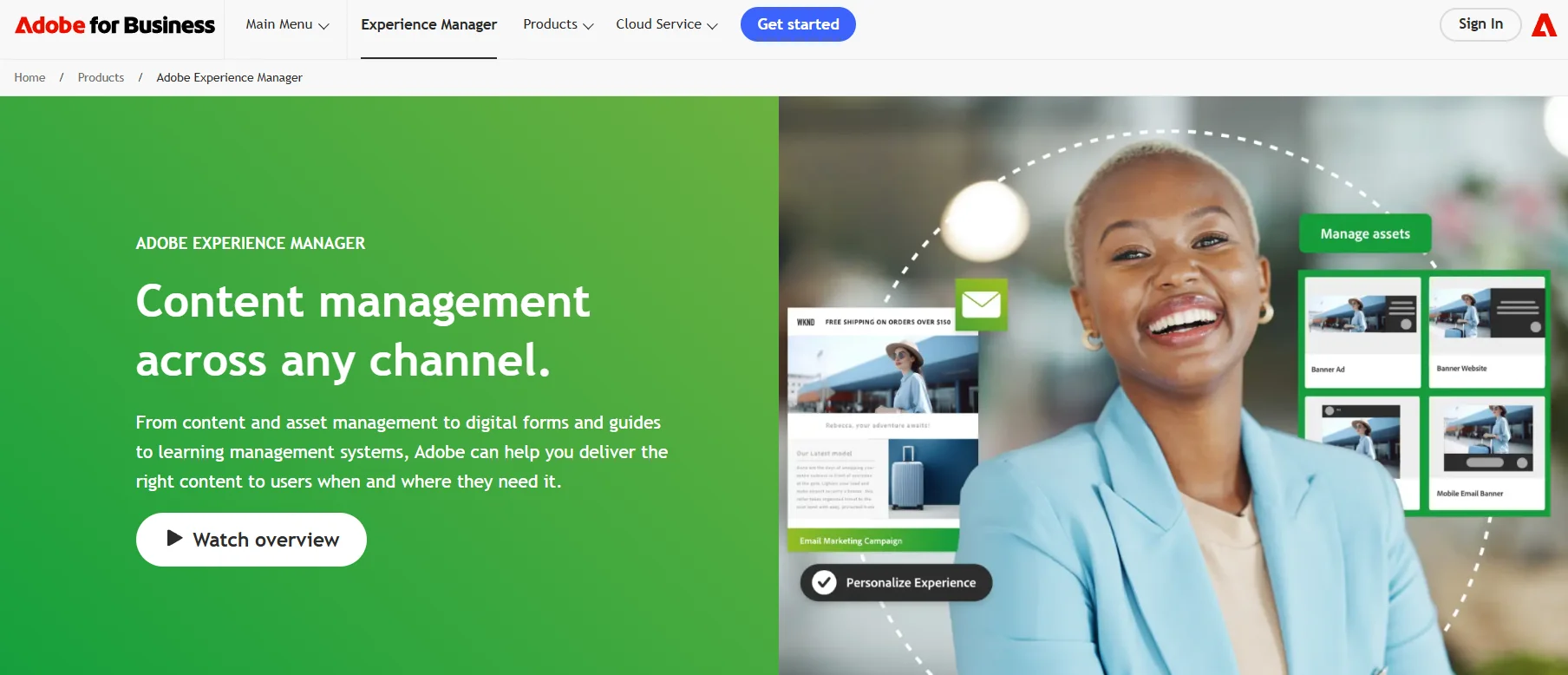
Adobe Experience Manager (AEM) provides seamless integration with Creative Cloud applications, automated asset synchronization, and unified creative-to-marketing workflows. Organizations with significant Creative Cloud investments benefit from workflow efficiencies and version control across Adobe tools.
Use case:
AEM supports enterprises managing hundreds of thousands to millions of assets across IT, creative, and marketing teams, providing enterprise-grade security and native Creative Cloud integration.
Key features:
- Native Creative Cloud integration: Adobe Asset Link brings AEM Assets into Photoshop, Illustrator, InDesign, and XD with full version control and permissions.
- Dynamic Media transformation: on-the-fly asset optimization with smart crop, adaptive streaming, and interactive media delivery at scale.
- Content Hub distribution: self-serve asset portal with Adobe Express integration for on-brand remixing and generative AI capabilities.
Pricing:
- Prime package: quote-based pricing with up to 30 TB storage and 50 Content Hub users.
- Ultimate package: quote-based pricing with unlimited storage and 250 Content Hub users.
- Additional costs: separate Adobe Analytics license required for Asset Insights functionality.
- Add-ons: dynamic media ultimate features, extra Content Hub environments, and Adobe Express entitlements priced separately.
Considerations:
- Brand Portal is in maintenance mode, requiring migration to Content Hub for new distribution features.
- Quote-only enterprise pricing reduces transparency compared to platforms with published rates.
Essential features of a top marketing asset management platform
A strategic marketing asset platform does more than store files. It transforms asset organization into a driver of business impact. Evaluating platforms based on these essentials ensures teams work more efficiently and make faster, smarter decisions.
AI-powered search and auto-tagging
Finding assets should not be a manual task. AI-powered discovery turns search into an intelligent, automated process. Teams can locate the assets they need with contextual searches, freeing creative energy for high-value work.
This technology goes beyond keywords, leveraging machine learning to identify objects, text, and brand elements within files. On monday work management, AI can categorize assets at scale and summarize content automatically. The system adapts to team behavior, improving search accuracy over time.
Workflow automation and approval management
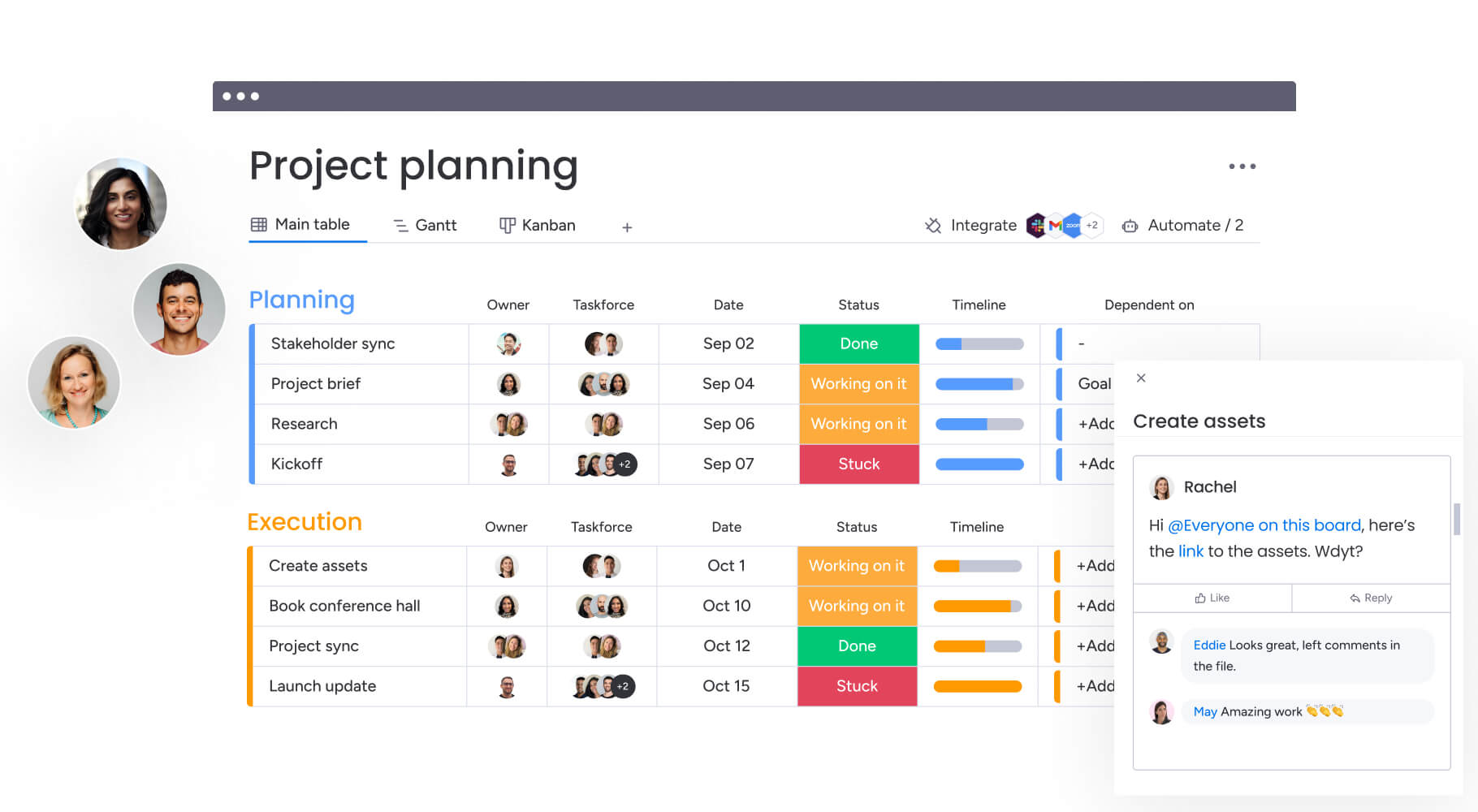
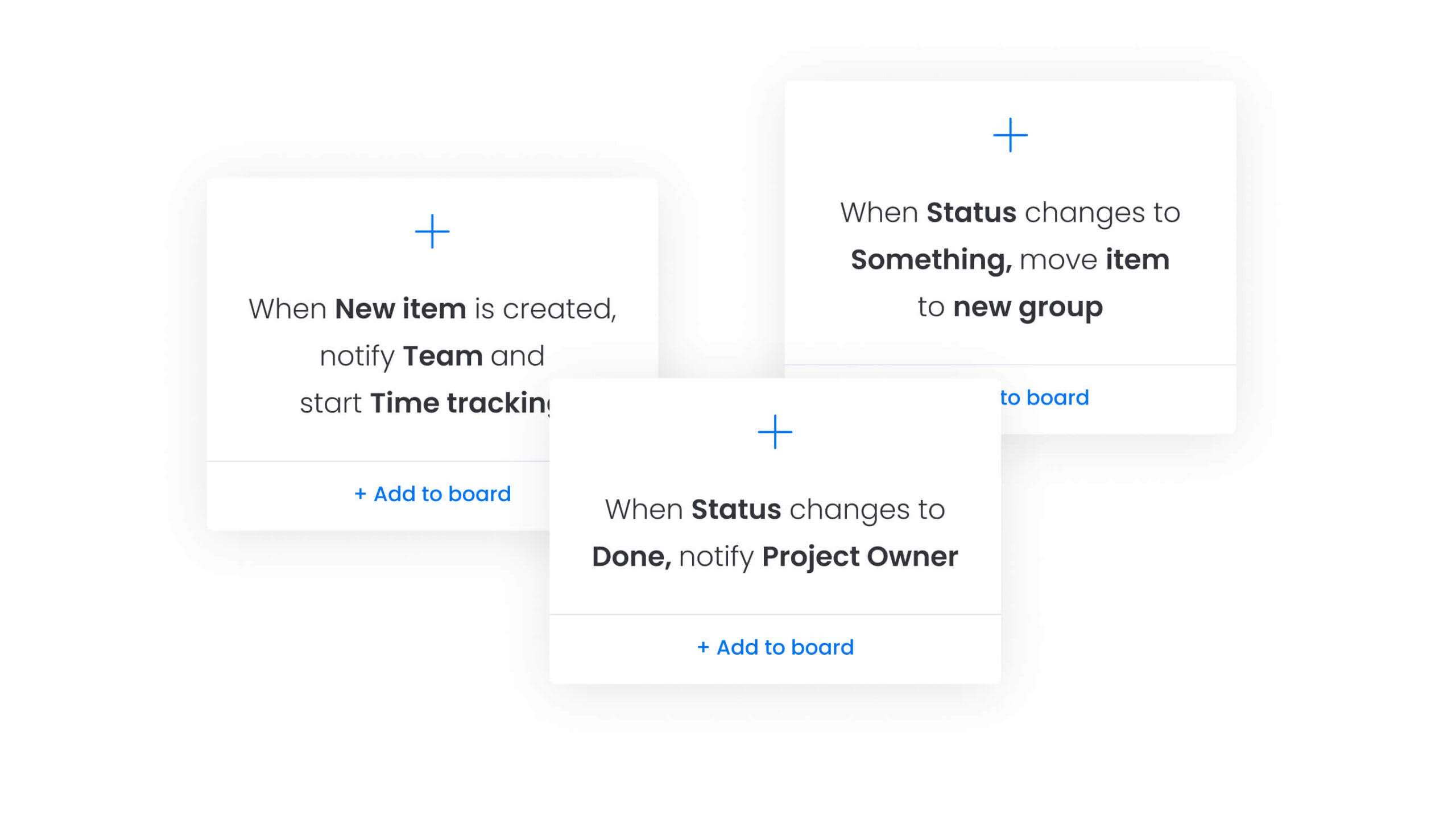
Review bottlenecks meet their match with automated workflows. These systems route assets to the right stakeholders, send reminders, and keep approvals moving forward. Every review process can effectively manage itself, saving significant time.
When connected to broader campaign execution within monday work management, asset progress automatically updates project timelines. Leaders gain a real-time view of creative production and its impact on launch dates, keeping marketing initiatives on track.
Advanced metadata and taxonomy management
The backbone of a well-organized library is metadata and taxonomy, core principles of effective asset management. Custom fields for campaign names, usage rights, and other asset attributes turn a chaotic file collection into a searchable source of truth.
Effective taxonomy supports brand governance. Teams can quickly identify approved, outdated, or guideline-compliant assets, maintaining consistency across distributed teams through structured asset management.
Enterprise-grade security and compliance
Protecting intellectual property requires enterprise-level safeguards. Granular user permissions and role-based access ensure internal teams, partners, and agencies see only what they should.
- Comprehensive audit trails: track every asset interaction, providing documentation for governance and regulatory compliance.
- Data protection: features such as data encryption and single sign-on (SSO) ensure sensitive brand and customer information remains secure.
Seamless integration capabilities
Siloed systems create inefficiency. Seamless integrations connect creative apps, content management systems, and social platforms, eliminating manual file transfers.
A connected platform unifies workflows from creation in Adobe Creative Suite to campaign launch. Extensive integrations and an open API ensure that monday work management becomes a central part of marketing operations rather than an isolated asset repository.
When these features work together, the asset library becomes a proactive part of marketing operations instead of a static storage system.
Try monday work management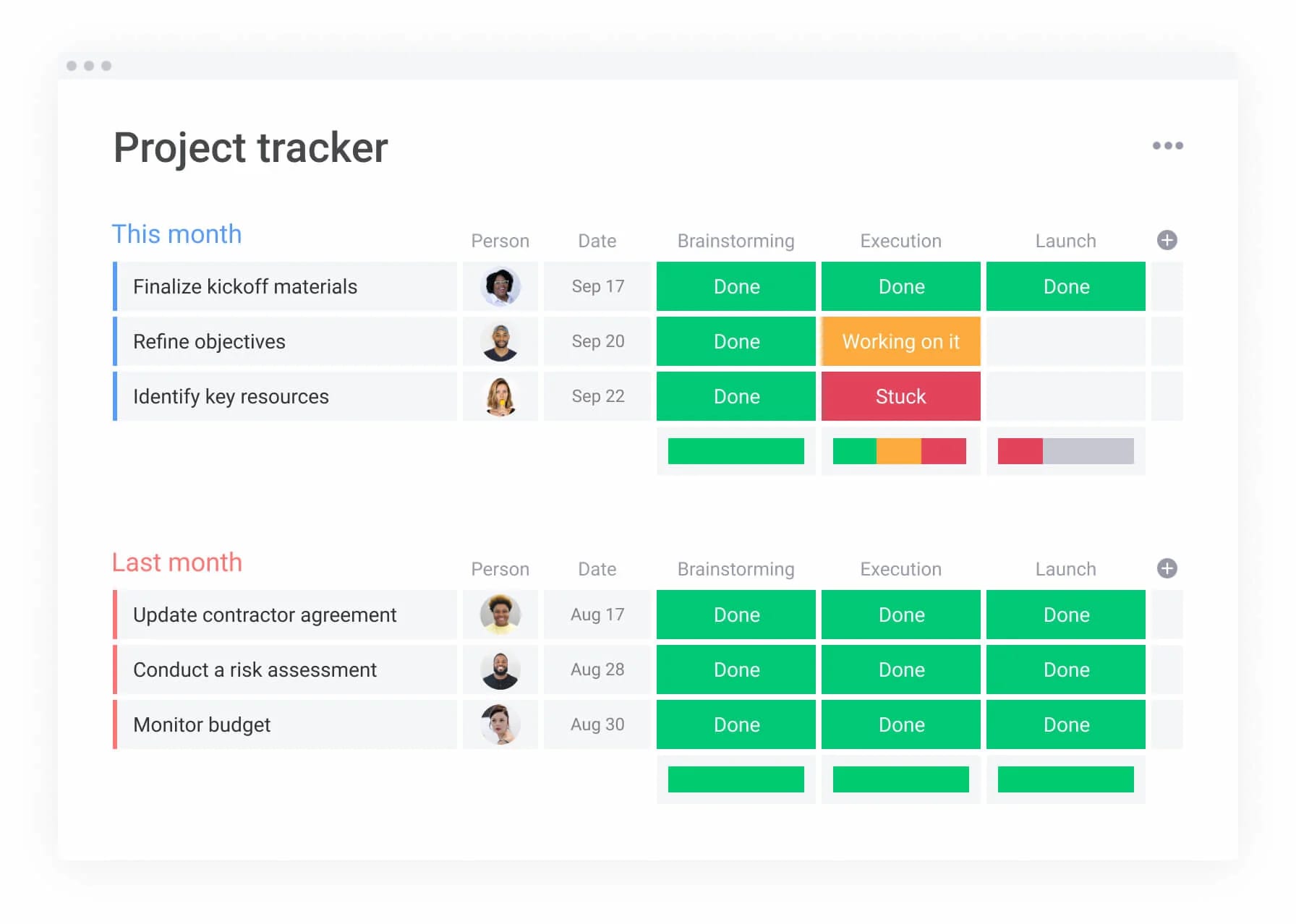
How to choose the right marketing asset management software
Choosing the right platform requires more than a checklist. It is about matching capabilities to real-world team friction. The ideal solution resolves workflow bottlenecks while providing flexibility to scale with future needs.
Ask the right questions about your current processes, integrations, and automation objectives to separate transformative platforms from expensive digital shelves. Use these considerations to guide evaluation.
Pinpoint workflow friction
Identify where processes break down, from searching for a logo to chasing approvals. Understanding these pain points highlights which features deliver immediate value.
Map must-have integrations
A platform should connect seamlessly to your marketing ecosystem. Determine which creative, content, and project management integrations are essential for smooth operations.
Look beyond AI hype
Not all AI delivers real value. Test automation capabilities with your own assets to confirm time savings. The goal is intelligent workflow optimization, not simply auto-tagging. The right platform bridges the gap between where assets reside and where work occurs, giving teams a single source of truth.
Key benefits of marketing asset management software
Beyond organization, these platforms act as strategic growth engines. Seventy-one percent of organizations report positive ROI within six months. Centralized asset management supports marketing operations, enabling teams to work faster, protect the brand, and connect stakeholders.
- Accelerated time-to-market: templates and automated workflows allow campaigns to launch faster, helping teams respond to market trends and competitors with confidence.
- Rock-solid brand consistency: centralized assets and version control ensure logos, colors, and messaging remain on-brand across all channels, maintaining customer trust.
- Smarter cross-team collaboration: unified platforms break silos between creative, marketing, and sales teams, providing visibility into asset status and feedback while reducing scattered communication.
- Transparent performance insights: connecting asset usage to campaign results enables data-driven decisions and demonstrates marketing impact.
These benefits compound over time, turning operational efficiency into a competitive advantage.
Try monday work management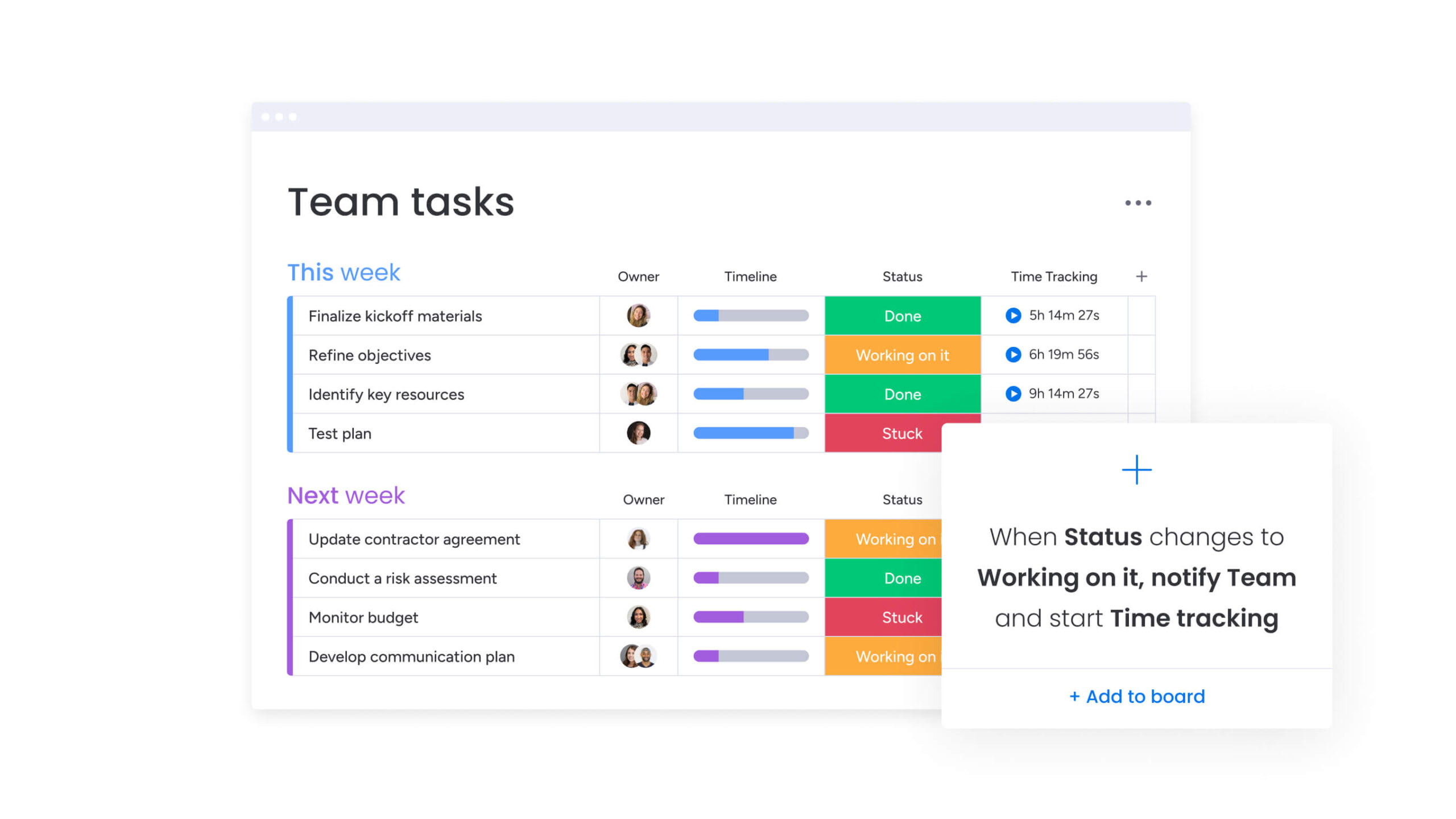
Emerging trends in marketing asset management
The definition of asset management is evolving. The future favors platforms that intelligently connect creative content with the workflows that drive business results. Forward-looking organizations are adopting capabilities that transform assets from static files into dynamic elements of operational strategy.
These trends reflect more than incremental improvements. They indicate a deeper shift in collaboration, AI-driven creativity, and marketing’s connection to the entire organization. Teams that implement these approaches effectively are better positioned to scale, maintaining brand consistency and avoiding creative bottlenecks.
AI-powered digital workers transform asset workflows
Imagine workflows that anticipate needs before they arise. AI-powered digital workers move beyond simple automation to manage complex asset processes. They identify top-performing content for reuse, flag outdated materials, and predict which assets will be needed for upcoming campaigns based on real-time data.
This approach shifts teams from reactive work to strategic optimization. Digital workers analyze usage patterns, suggest content variations for different audiences, and enforce brand compliance automatically. Platforms like monday work management extend team capacity by handling operational tasks, allowing creatives to focus on strategic and innovative work.
Headless architecture enables omnichannel asset delivery
Delivering a consistent brand experience requires headless architecture. This approach separates content creation from its final presentation, maintaining a single source of truth for all brand assets while distributing them seamlessly across websites, mobile apps, social media, and other channels.
An API-first design provides flexibility and scale. Teams can experiment with new channels and personalization strategies, knowing all touchpoints draw from a central, approved library. This ensures assets remain on-brand and optimized for every context, whether adjusting image formats for web or reformatting video for multiple screen sizes.
A mobile-first approach is now essential
Marketing asset workflows must be as mobile as the teams managing them. With nearly half of all asset management activity happening on mobile devices, providing a seamless mobile experience is critical. Teams need to review creative, manage approvals, and access brand guidelines from anywhere.
Strong mobile capabilities improve the speed and efficiency of marketing operations. Teams can maintain momentum and make faster decisions without waiting for stakeholders to return to their computers. For distributed or field-based teams, mobile workflows remove common bottlenecks, keeping projects on schedule.
Unified platforms bridge asset and project management
Assets are part of larger campaigns that require coordination, resource planning, and strategic alignment. Siloed systems create visibility gaps and friction, slowing execution and obscuring the full picture.
A unified platform connects asset creation directly to campaign timelines and strategic goals. Teams gain a single view of how creative production impacts launch dates and how asset performance drives business outcomes. Platforms like monday work management integrate creative workflows with project management in one digital workspace, giving teams the clarity needed to scale efficiently.
Organizations that implement AI-powered workflows, headless delivery, mobile-first approaches, and unified platforms avoid the growing pains of fragmented systems. These strategies support consistent branding, faster decision-making, and streamlined collaboration across teams.
How monday work management transforms marketing asset management
Sick of hunting through drives and switching between platforms? monday work management centralizes your assets and work in one place. Every file links directly to its campaign, project, or goal, ensuring your team always accesses the current, approved version.
This unified approach differs from traditional, standalone systems. See how an integrated platform provides the visibility and control needed to connect creative work to strategic outcomes.
| Capability | monday work management | Traditional asset management |
|---|---|---|
| Core focus | Unified work and asset management | Asset storage and organization |
| Workflow integration | Native connection to projects and campaigns | Requires separate project management platforms |
| AI capabilities | Adaptive digital workers and intelligent automation | Basic auto-tagging and search |
| Collaboration model | Cross-functional work coordination | Asset-centric review processes |
| Strategic visibility | Assets connected to goals and outcomes | Asset usage metrics only |
| Resource planning | Integrated capacity and allocation management | Separate resource management required |
AI blocks automate asset categorization and metadata
Let assets organize themselves: AI blocks on monday work management act as your team’s smartest assistant, handling tedious tagging, sorting, and categorization. This allows your team to focus on creative execution rather than manual file management.
- Intelligent organization: AI analyzes and categorizes assets based on content, file type, and campaign context, adapting to your team’s structure.
- Instant information: key details such as campaign names, product info, and messages are extracted automatically, making every asset instantly searchable.
- Sentiment analysis: AI detects the emotional tone of creative content, helping you find assets that align with campaign goals.
A digital workforce handles marketing asset workflows 24/7
The digital workforce keeps asset workflows moving around the clock. Unlike basic automation, these AI workers understand objectives, anticipate needs, and fine-tune campaigns proactively. They function like team members who never need coffee breaks.
The Campaign Manager digital worker monitors asset usage in real time, flagging materials for refresh and maintaining brand consistency across campaigns. Your team gains a continuous assistant that spots potential issues, identifies performance patterns, and suggests optimizations to improve outcomes.
Native integration eliminates context switching
Context switching reduces productivity. monday work management connects directly to the platforms your creative team uses, eliminating the friction of downloading, uploading, and searching across separate systems.
Integrations with Adobe Creative Suite and Figma allow designers to access and save work without leaving their apps. Connections to social media and content management systems enable direct publishing, ensuring brand consistency. An open API allows seamless connection across your marketing stack.
Real-time dashboards provide asset performance insights
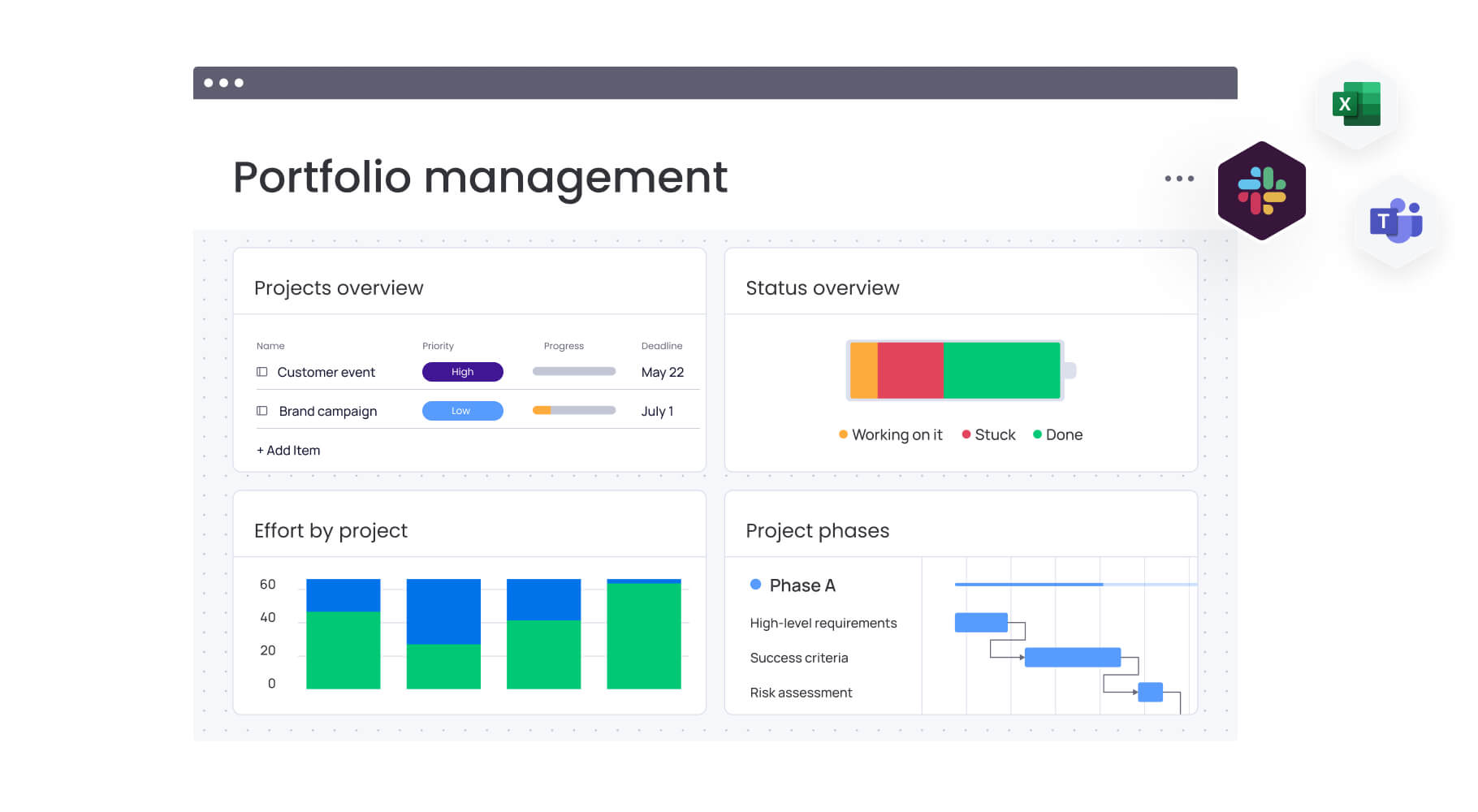
Replace guesswork with clarity: monday work management delivers instant visibility into how assets perform and contribute to business goals. Customizable dashboards turn raw data into actionable insights.
- Measure creative ROI: track which assets generate the most engagement and deliver the strongest returns.
- Optimize workflows: identify where approval bottlenecks slow creative pipelines.
- Connect assets to outcomes: understand how specific materials contribute to campaign success and overall business impact.
This integrated approach transforms your asset library into a dynamic engine for campaign execution rather than a static repository.
Turn your asset library into a growth engine
Asset management is more than file storage: it is a strategic move that ends the search for assets and puts every current file at your fingertips. Creative investments go further, and brand consistency is maintained everywhere.
Teams that succeed today establish one source of truth that ties content to business goals. Campaigns launch faster, and leaders gain insight into what works instead of guessing.
With monday work management, asset workflows connect directly to campaign planning and project coordination. This ensures marketing materials support core business objectives, transforming isolated files into strategic growth drivers.
Try monday work managementFrequently asked questions
What is the difference between marketing asset management and digital asset management?
Marketing asset management focuses on marketing materials and brand assets with features for campaign workflows. Digital asset management (DAM) provides broader storage for any digital file across an organization.
How long does it take to see ROI from marketing asset management software?
Most organizations see a positive ROI within six months by saving time on asset searches, reducing redundant creative work, and automating approvals.
Which marketing asset management platforms integrate with project management platforms?
Modern platforms like monday work management unify asset and project management on a single platform, while other solutions often require third-party tools to connect the two.
How does AI enhance marketing asset management capabilities?
AI automates asset tagging, improves search accuracy, and intelligently categorizes content, reducing the need for manual organization.
What's the typical timeline for implementing marketing asset management software?
Implementation timelines for marketing asset management software typically range from 2 to 8 weeks, depending on asset volume, workflow customization, and integration complexity.
How does monday work management's approach to marketing asset management differ from traditional solutions?
monday work management integrates asset management directly with campaign planning and project coordination on one platform, unlike traditional solutions that function as standalone storage systems.

 Get started