


Marketing teams move fast. Campaigns launch across channels, creative assets multiply, and deadlines rarely slow down. But when logos live in one drive, videos in another, and approvals get buried in email threads, momentum disappears. Time is lost searching for files, recreating assets that already exist, or chasing sign-offs that should have been automatic.
Marketing asset management brings order to that chaos. It replaces scattered folders and reactive file hunting with a structured, connected system where every asset has a clear owner, status, and purpose. Instead of wondering which version is approved, teams see it instantly.
Ahead, you’ll discover what marketing asset management really means in practice, how it differs from basic digital storage, and why it’s essential for modern, high-output teams. You’ll explore the types of assets that require governance, the features that separate true workflow systems from simple file repositories, and how AI accelerates tagging, approvals, and campaign readiness
Key takeaways
- Centralize marketing assets into unified workflows: Reduce time lost searching for files and ensure every asset is accessible, approved, and connected to campaigns.
- Accelerate campaign execution with automation: Streamline approvals, template access, and asset distribution to move from concept to launch faster.
- Maintain brand consistency across teams and regions: Prevent outdated or unapproved materials from being used and ensure all stakeholders work from the same source of truth.
- Leverage AI for intelligent asset management: Automatically categorize, tag, and route assets while predicting optimal usage to improve workflow efficiency.
- Integrate asset management with monday work management: Connect assets, approvals, and project workflows in one clever system to enhance collaboration and track campaign readiness in real time.
What is marketing asset management?
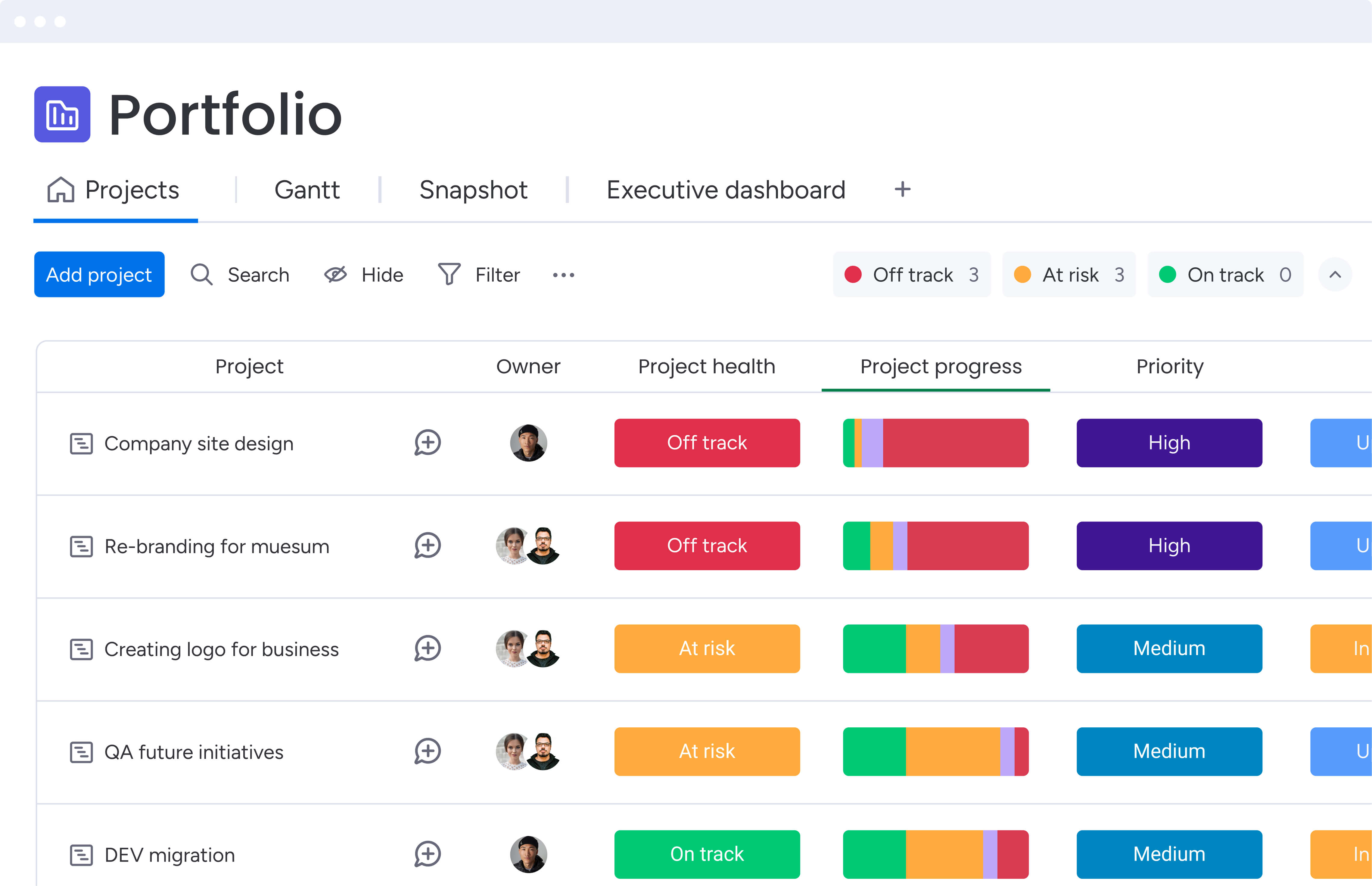
Marketing asset management is the systematic organization, storage, and distribution of all marketing materials across an organization. It creates a structured environment where brand assets, creative files, and campaign materials move seamlessly through workflows, approvals, and distribution channels.
Unlike basic file storage that acts as a passive repository, marketing asset management connects assets directly to campaigns, projects, and performance metrics. For mid-to-large organizations running hundreds of campaigns across departments and regions, this system becomes the operational backbone that ensures every asset is current, approved, and accessible when teams need it.
When teams transition from hunting for files to working within a structured system, campaigns launch faster, brand consistency improves, and frustration decreases. Instead of losing hours searching through email attachments or outdated shared drives, teams gain instant access to approved materials, automated version control, and real-time insight into asset performance.
How marketing asset management differs from digital asset management
Digital Asset Management (DAM) and Marketing Asset Management (MAM) serve completely different purposes that are important to understand. DAM functions as a broad repository for any digital file — from finance documents to engineering specifications — focusing primarily on storage and retrieval.
Marketing asset management goes further. It embeds assets into the marketing workflow, connecting creation, approval, distribution, and measurement in one continuous process. While DAM stores files, MAM orchestrates how those files move through campaign planning, creative reviews, stakeholder approvals, and performance tracking.
This difference really matters because marketers need more than a repository. They need assets that drive action — triggering next steps automatically, finding the right approvers, and linking directly to campaign performance.
Why marketing teams need asset management
Marketing teams are expected to deliver campaigns rapidly while managing more channels and higher expectations for personalization. With 71% of organizations now regularly using generative AI for marketing and sales, the volume and variety of creative outputs flowing through workflows has increased dramatically.
Unfortunately, without structured asset management, this pressure creates operational chaos that affects both productivity and morale.
The operational impact goes beyond inconvenience too. When teams cannot find assets, they recreate them. When versions are untracked, outdated materials reach customers. When approvals stall, campaigns launch late. These inefficiencies can spread across departments, creating significant costs that strain both budgets and teams.
The hidden costs of disorganized assets
Disorganized marketing assets generate quantifiable costs that impact both productivity and revenue. The table below provides a snapshot of just how much disorganization can cost your team:
| Cost category | Impact on operations | Business consequence |
|---|---|---|
| Search time | 2-3 hours weekly per team member searching for files | Lost productivity worth thousands annually |
| Asset recreation | Teams unknowingly recreate existing materials | Wasted creative budget and delayed launches |
| Brand violations | Outdated logos or unapproved messaging reaches market | Brand dilution and potential legal exposure |
| Approval delays | Bottlenecks in review cycles slow campaign velocity | Missed market opportunities and revenue impact |
Look familiar? These wasteful scenarios happen constantly:
- Designers recreating graphics that already exist somewhere.
- Campaigns launching with old brand guidelines.
- Projects stalling while teams hunt for the right file.
Each instance represents preventable operational waste that structured asset management eliminates.
From fragmentation to unified workflows
Most teams start with files spread across personal drives, email chains, Slack threads, and forgotten Google Drives. However, when critical files are trapped with individuals or buried in digital clutter, operations suffer.
Marketing asset management consolidates this sprawl into a unified system where every asset has a designated place, clear ownership, and documented history. Teams shift from reactive file hunting to proactive campaign execution. Self-service access replaces bottlenecks, and version control becomes automatic instead of accidental.
Try monday work managementTypes of marketing assets to manage
Effective asset management begins by understanding the assets actually being managed. Marketing teams produce and maintain diverse content types, each requiring distinct workflows, permissions, and governance.
Internal assets that power campaigns
Internal marketing assets form the foundation of brand consistency and operational efficiency. These materials guide how teams create, review, and deploy customer-facing content:
- Brand foundations: Logo files in all formats, color specifications with exact codes, typography guidelines, voice and tone documentation.
- Creative templates: Email designs, social media layouts, presentation masters, campaign brief structures.
- Production resources: Stock photography libraries, illustration sets, icon systems, raw video footage, audio files.
- Historical materials: Past campaign files, performance reports, competitor analyses, audience research.
- Compliance documents: Usage rights, model releases, font licenses, trademark registrations.
Managing internal assets ensures every new project starts from an approved foundation. Teams work faster with instant access to the right templates, guidelines, and resources.
External assets that engage audiences
Customer-facing assets represent your brand in the marketplace. Their management focuses on distribution control, version tracking, and performance measurement:
- Digital content: Website graphics, social media posts, email visuals, display advertisements, landing page elements.
- Video materials: Product demos, brand videos, webinar recordings, social clips, animation files.
- Print collateral: Brochure designs, business cards, trade show materials, packaging files, direct mail pieces.
- Interactive experiences: Infographics, calculators, assessment tools, downloadable resources.
Each asset type requires specific handling. For example. video files need preserved compression settings, print materials require consistent color profiles, and interactive content needs version dependencies tracked.
Marketing asset management systems handle these details automatically, creating a more efficient workflow for teams.
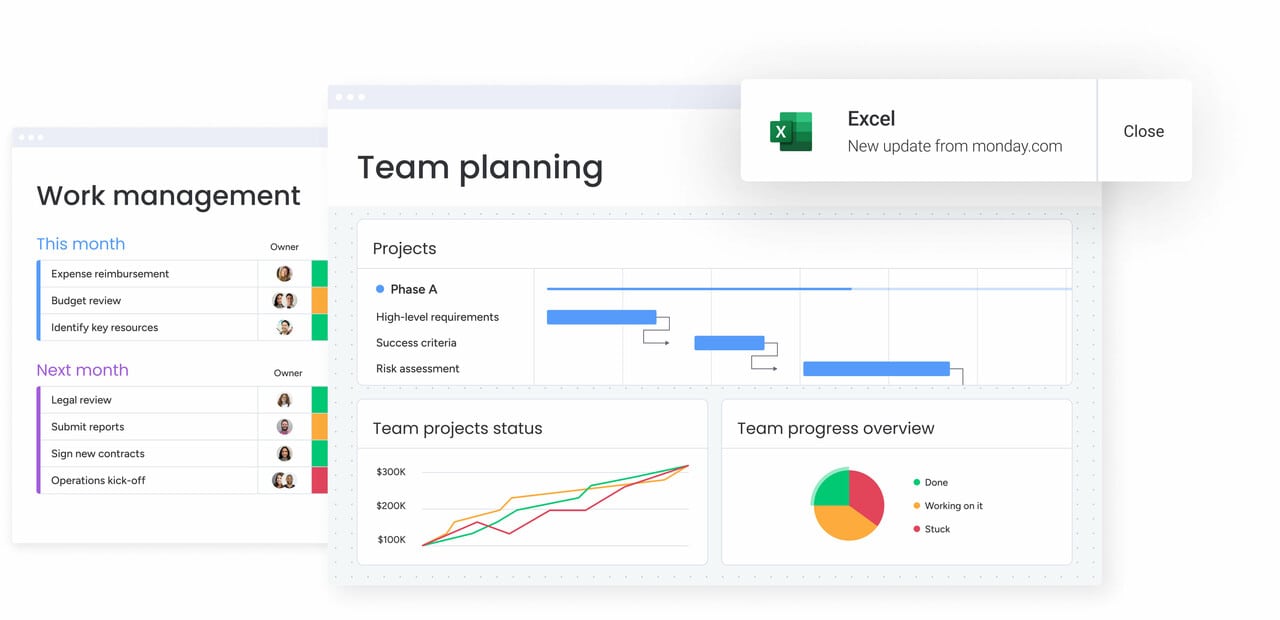
Core benefits of marketing asset management
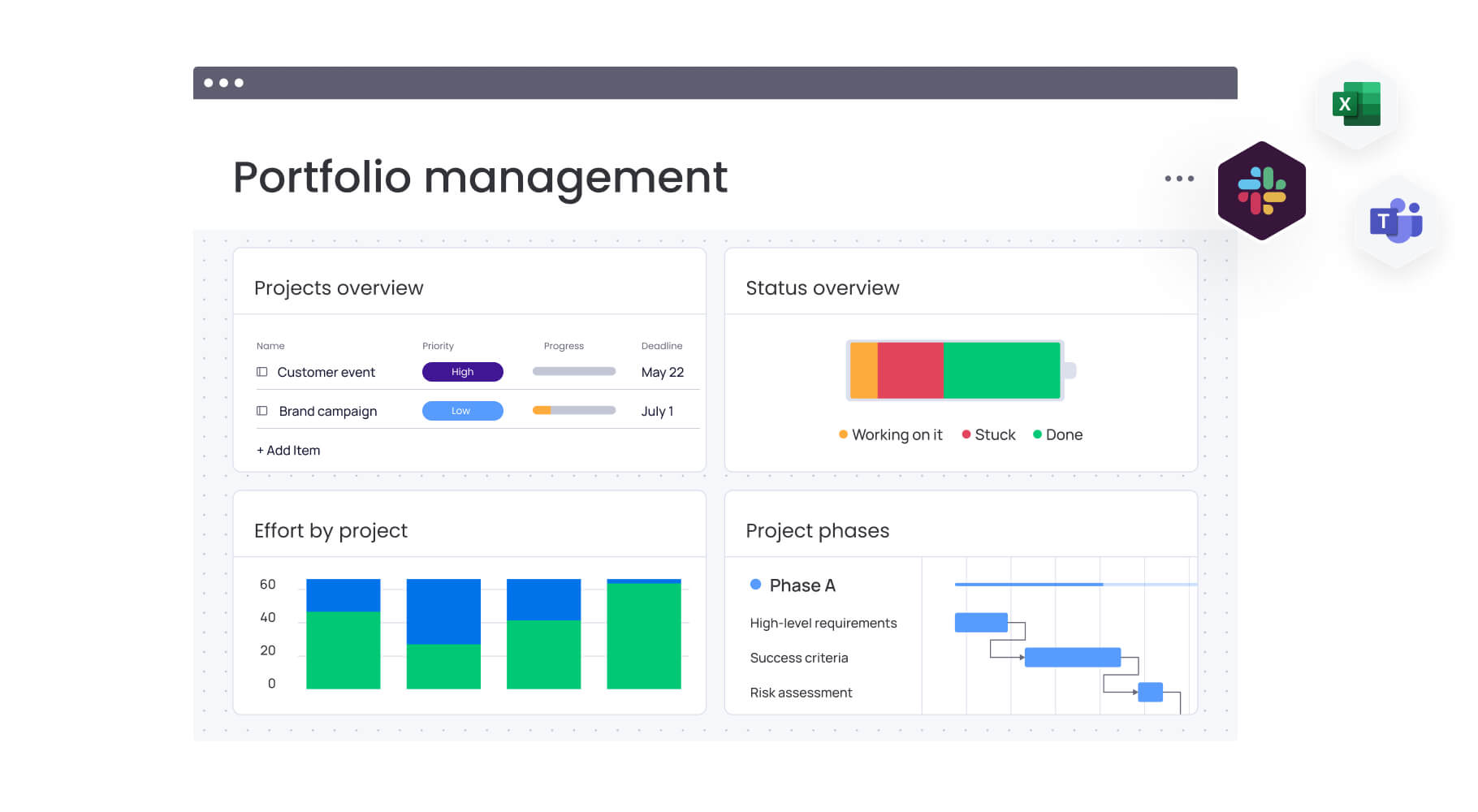
When organizations implement structured marketing asset management, the payoff is immediate and compounds massively over time. As teams scale, the system becomes increasingly valuable — turning previous bottlenecks into competitive advantages.
Accelerate campaign velocity
Speed is critical in marketing. Organized asset libraries and automated workflows reduce campaign timelines from weeks to days. When designers access approved templates instantly, copywriters reference up-to-date messaging, and managers monitor approvals in real time, campaigns progress from concept to launch much faster.
Your team moves faster by removing common speed bumps:
- No more waiting: File transfers happen instantly.
- No more searching: Assets are findable within seconds.
- No more manual routing: Approvals flow automatically.
These efficiency gains multiply across projects, departments, and campaigns.
Maintain brand consistency at scale
Brand consistency becomes more challenging as organizations expand. Multiple teams, regions, and partners need access to current brand materials. Without centralized management, inconsistencies can dilute brand impact and create confusion.
Marketing asset management ensures teams operate from a single source of truth. Version control prevents outdated materials from circulating. Permissions restrict access to approved assets. Audit trails track usage, timing, and location. Governance occurs automatically, maintaining standards without slowing execution.
Enable seamless collaboration
Modern marketing involves internal teams, agencies, freelancers, and vendors. A strong asset management system becomes a central hub where all contributors follow the same playbook — regardless of location.
- On-asset commenting: Consolidate feedback directly on assets.
- Approval workflows: Route materials automatically to stakeholders.
- Controlled partner access: Grant external collaborators secure entry.
This connected approach eliminates email chains, repeated file transfers, and version confusion.
Reduce redundant work
Visibility into existing assets stops endless recreation cycles. Designers avoid rebuilding graphics, copywriters avoid rewriting approved messaging, and marketers adapt global campaigns locally.
- Cross-team visibility: Discover work from other departments before starting new projects.
- Campaign transparency: See what worked previously, what is in production, and future initiatives.
- Reuse and repurpose: Build on existing materials instead of starting from scratch.
Essential features for marketing asset management systems
Storing files is the easy part. The real challenge is keeping creative work moving without breaking brand standards or slowing the team down. A true marketing asset management system does more than organize folders — it actively supports how campaigns are created, reviewed, approved, and distributed.
The difference shows up in the details. The right platform doesn’t just hold assets; it structures them, routes them, protects them, and connects them to the work around them. The features below separate basic file storage from a system that actually powers modern marketing operations.
Intelligent organization and discovery
Modern marketing teams are managing thousands of assets across formats, campaigns, regions, and channels — often simultaneously. That complexity only intensifies as digital commerce accelerates. With U.S. retail e-commerce sales reaching $304.2 billion in Q2 2025, the sheer scale and speed of online distribution mean assets are being created, updated, and deployed faster than ever.
At that volume, basic folder structures simply can’t keep up. Structured marketing asset management demands intelligent organization capabilities that go far beyond shared drives and static hierarchies:
- AI-powered tagging: Automatic categorization based on visual content, text extraction, and metadata.
- Advanced search: Locate assets by color, composition, text, or custom attributes.
- Smart collections: Dynamic folders that gather assets automatically based on rules.
- Relationship mapping: Track connections between assets, campaigns, and projects.
Workflow automation and orchestration
Asset management systems should actively drive processes, transforming manual coordination into systematic execution:
- Approval routing: Automatically send assets through review stages by type, value, or department.
- Status triggers: Update boards, notify stakeholders, and advance workflows when assets change state.
- Batch processing: Apply changes, conversions, or distributions to multiple assets simultaneously.
- Integration workflows: Connect asset events to other systems and processes.
Real-time collaboration tools
Teams need to collaborate on assets without leaving the platform. Built-in collaboration features keep feedback centralized and actionable:
- On-asset commenting: Annotate images, videos, and documents directly.
- Version comparison: View changes between iterations side by side.
- Approval tracking: Monitor who has reviewed, what they noted, and what is pending.
- Activity streams: Follow asset history to understand decisions and context.
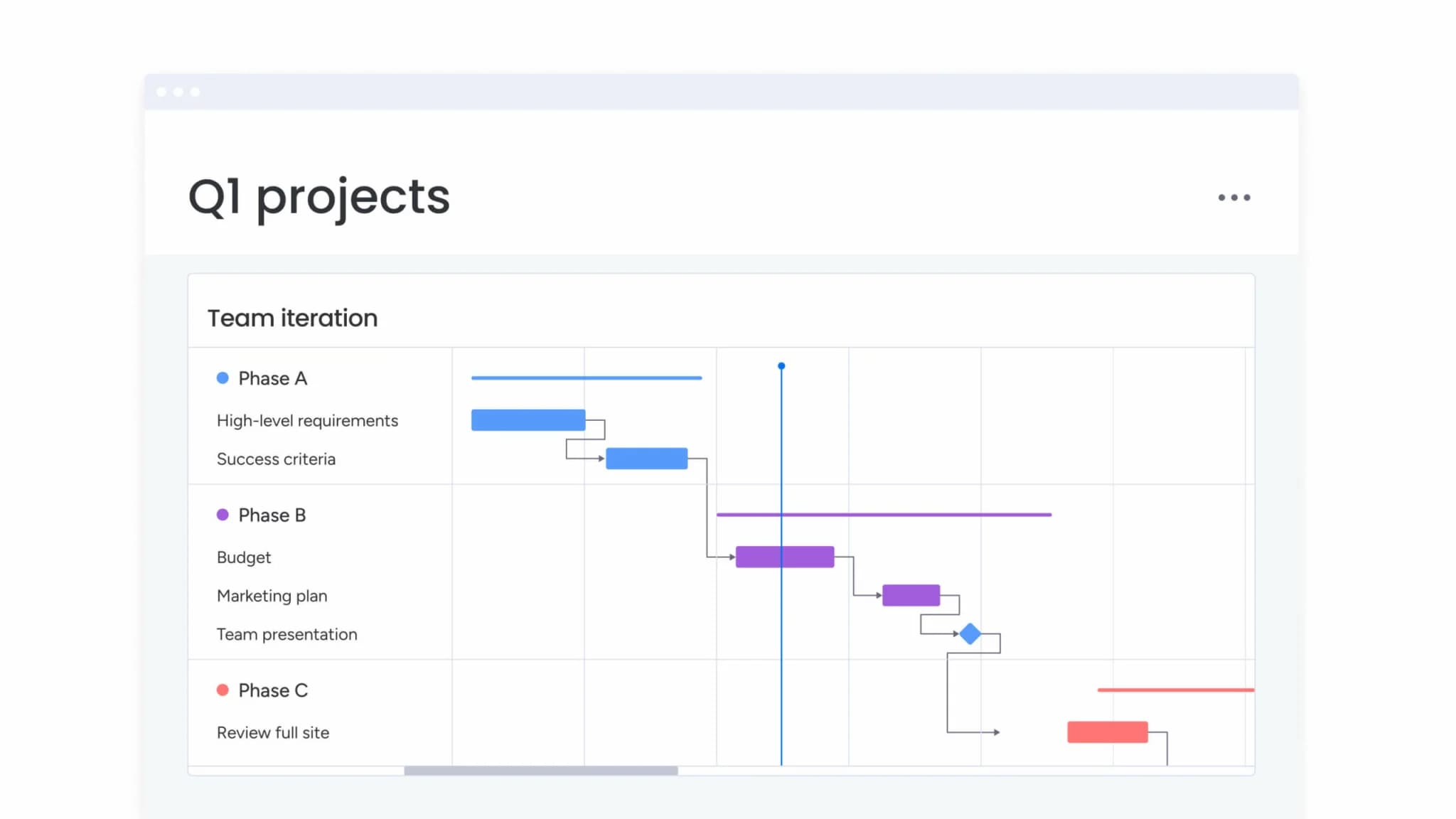
How AI transforms marketing asset workflows
Artificial intelligence moves marketing asset management from reactive administration to proactive optimization. Instead of teams manually organizing, tagging, and routing assets, AI handles these processes automatically while offering strategic insights.
This shift also enables marketing teams to focus on creative strategy rather than administrative tasks.
Automated asset intelligence
AI analyzes incoming assets to extract meaning, context, and relationships. When teams upload new materials, AI categorizes them by type, campaign, brand compliance, and quality. It reads text in images, transcribes video content, and identifies visual elements. This automatic enrichment ensures assets are immediately searchable and well-organized without manual effort.
Beyond organization, AI monitors asset health. It flags outdated materials approaching expiration, identifies potential brand guideline violations, and suggests related assets that may be useful.
Teams using monday work management leverage AI Blocks to categorize content at scale, extract key information from documents, and summarize complex materials into actionable insights.
Predictive optimization
Machine learning analyzes historical performance to forecast which assets will perform well in future campaigns. This predictive approach is valuable, as 71% of organizations using AI in marketing and sales reported revenue gains in 2024. By reviewing past engagement, conversion rates, and contextual factors, AI recommends optimal assets for specific audiences, channels, and objectives.
This capability extends to workflow efficiency. AI identifies approval bottlenecks, suggests resource reallocation based on workload patterns, and predicts project delays before they affect deadlines. These insights allow teams to adjust proactively instead of reacting to problems after they occur.
How to implement marketing asset management successfully
olling out marketing asset management is not just a technical upgrade — it is an operational shift. Without a clear plan, strong stakeholder alignment, and a phased rollout, even the best platform can struggle to gain traction.
A thoughtful, structured approach turns implementation into momentum. When teams understand the goals, workflows are designed intentionally, and governance is clear from the start, adoption feels natural. The result is faster time to value, stronger engagement, and an asset management system that delivers measurable impact from day one.
Step 1: Audit your current asset landscape
Begin by understanding what assets exist, where they reside, and how they are used. A comprehensive assessment reveals the scope of asset management challenges and informs system requirements.
- Document storage locations: Catalog where assets live across platforms.
- Catalog asset types and volumes: Track file formats, campaigns, and usage.
- Identify duplication patterns: Determine which assets are recreated frequently.
- Map workflows and pain points: Track delays in approvals and governance gaps.
These insights shape priorities and success metrics for implementation.
Step 2: Design your ideal workflows
Before configuring technology, map how assets should flow within the organization. Include stakeholders across marketing, creative, legal, and IT to ensure the system meets diverse needs while maintaining control.
- Define lifecycle stages: Track assets from creation to retirement.
- Identify approval requirements and stakeholders: Clarify responsibilities.
- Establish naming conventions and metadata standards: Ensure consistent categorization.
- Document integration needs: Confirm compatibility with other systems.
Stakeholder input ensures coverage of organizational requirements.
Step 3: Choose your implementation approach
Implementation strategies vary based on organizational readiness and risk tolerance. Consider these two primary approaches:
Phased approach:
- Starts with pilot teams.
- Proves value before expanding.
- Allows refinement based on real usage.
- Takes longer to achieve full benefits.
Organization-wide rollout:
- Ensures immediate consistency.
- Requires comprehensive training and support.
- Works well when teams already collaborate closely.
- Delivers faster time-to-value.
Step 4: Configure governance and permissions
Balance security and accessibility. Define role-based permissions that provide appropriate access without compromising control. Establish approval hierarchies to maintain quality without creating bottlenecks.
- Set retention policies: Preserve important materials while limiting sprawl.
- Automate governance: Ensure policies are applied consistently without manual effort.
- Control editing and distribution: Assign multi-level permissions for transparency.
Step 5: Measure and optimize continuously
Implementation does not end at launch. Monitor adoption rates to identify training needs, track search success to improve organization, analyze workflow metrics to remove bottlenecks, and gather user feedback for enhancements.
Regular optimization ensures the asset management system evolves with organizational needs. What works for ten campaigns may not scale to hundreds, so continuous refinement sustains value over time.
Try monday work managementBuild a future-ready marketing operation with monday work management
Marketing asset management should not just organize files — it should power execution. When assets, approvals, and campaigns live in one connected system, marketing teams gain the clarity and speed needed to scale without chaos.
Instead of chasing versions or waiting on scattered feedback, teams operate from a shared source of truth. Workflows move forward automatically. Stakeholders see exactly what is in production, what is approved, and what is ready to launch. As campaign volume increases, operations stay controlled rather than reactive.
monday work management brings this structure to life by connecting assets directly to projects, timelines, and goals.
-
Unified workflows: Assets link to campaign boards, keeping creative, approvals, and execution aligned.
-
Automated governance: Approvals, notifications, and handoffs move forward without manual coordination.
-
Real-time visibility: Dashboards provide instant insight into campaign readiness and asset status across teams.
-
AI-driven efficiency: Categorization, metadata extraction, and smart routing reduce administrative work and keep teams focused on strategy.
The result is a marketing operation that moves faster, collaborates better, and maintains brand consistency at scale.
Try monday work managementFrequently asked questions
What are the 5 P's of asset management?
The 5 P's of asset management are People: stakeholders managing and using assets, Process: workflows governing the asset lifecycle, Performance: metrics measuring asset effectiveness, Platform: technology infrastructure supporting operations, and Policy: governance rules ensuring compliance and consistency.
What are the four main types of marketing assets?
The four main types of marketing assets are brand assets: logos, guidelines, and templates, creative content: images, videos, and graphics, campaign materials: advertisements, social posts, and emails, and supporting resources: research documents, legal files, and performance data.
What's the difference between MAM and DAM systems?
Marketing Asset Management (MAM) focuses on marketing workflows, campaign processes, and creative collaboration, while Digital Asset Management (DAM) provides broader storage and organization for digital content across the organization.
How do you measure marketing asset management ROI?
Marketing asset management ROI is measured through reduced time searching for assets: less time spent locating files, decreased asset recreation costs: avoiding duplicate work, faster campaign launch times: accelerating go-to-market, improved brand consistency metrics: maintaining a unified brand, and reduced compliance violations: avoiding regulatory risks.
How long does marketing asset management implementation take?
Marketing asset management implementation typically takes four to twelve weeks depending on asset volume, workflow complexity, and organizational size, with phased approaches taking longer but reducing risk.
What integrations are essential for marketing asset management?
Essential marketing asset management integrations include creative software: Adobe Creative Cloud and Figma, collaboration platforms: Slack and Microsoft Teams, marketing automation systems, cloud storage services, and analytics platforms: tracking performance metrics effectively.

 Get started