


Most teams have felt it at some point. Plans look solid on paper, deadlines are clear, yet momentum quietly slips. Meetings happen, tasks move, but energy feels flat and effort becomes just enough to get by. That gap between strategy and real execution often comes down to one thing, how connected people feel to the work they are doing.
When work starts to feel routine instead of meaningful, even strong teams lose their edge. Motivation is not fixed, it shifts based on recognition, clarity, and a sense of progress. Small, consistent actions often matter more than big initiatives, especially in fast moving or distributed environments where connection can fade quickly.
Below, this guide shares practical ways to bring that energy back into everyday work. It focuses on ideas that fit real schedules, limited budgets, and modern team setups, helping create an environment where motivation feels natural rather than forced.
Key takeaways
- Engagement is driven by daily experiences, not annual programs: Continuous recognition, feedback, and clear communication have a stronger impact than infrequent surveys or large one time initiatives.
- Managers play a critical role in sustaining engagement: Regular one on ones, structured coaching conversations, and team health check systems directly influence motivation, retention, and performance.
- Small, low cost actions can create immediate momentum: Simple practices like daily win sharing, peer recognition, and short team huddles can quickly improve morale and team connection.
- Connecting work to purpose increases discretionary effort: Employees are more engaged when they understand how their individual contributions impact broader organizational goals and outcomes.
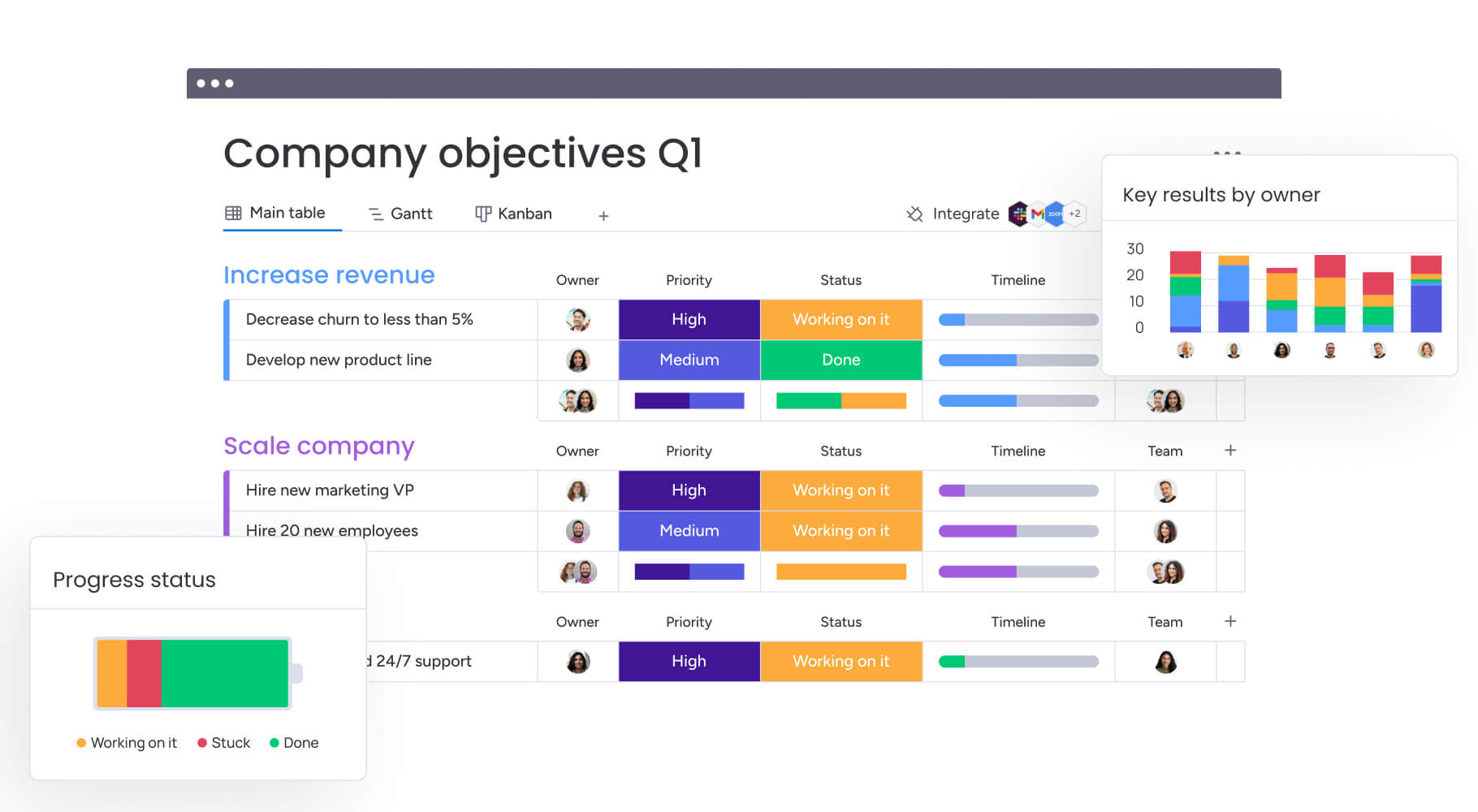
- Technology enables scalable and measurable engagement: Platforms such as monday work management help embed recognition, feedback, and visibility into everyday workflows while linking engagement data to business performance.
What is employee engagement and why does it matter?
Employee engagement reflects how deeply someone connects to their work, their team, and the organization’s goals. It goes beyond attendance or task completion. When people care about what they do, they naturally put in extra effort because the work feels meaningful.
That extra effort is what sets engagement apart: it shows up in how people solve problems, support teammates, and stay focused on outcomes that matter. In other words, engagement turns routine work into intentional contribution.
Employee satisfaction measures how happy someone feels at work, while employee experience looks at day to day interactions. Engagement, however, is about energy and commitment. It captures whether someone is willing to go beyond expectations and take ownership of results.
This difference becomes more important as organizations grow. In larger teams, individual contributions can easily get lost. Yet when engagement is strong, productivity improves, retention increases, and overall performance becomes more consistent.
In fact, healthy organizations even deliver three times the total shareholder return of less-healthy peers, based on McKinsey’s Organizational Health Index analysis. When employees feel connected to the mission and have what they need, customer satisfaction goes up and the business gets stronger.
Understanding modern workplace engagement
Work today looks very different from a few years ago. Being present in an office is no longer a reliable signal of commitment. Instead, engagement now depends on flexibility, trust, and the ability to contribute from anywhere.
Because of this shift, expectations have changed on both sides. 17% of U.S. workers who quit in the past year did so because their working arrangements changed, underscoring flexibility’s direct link to retention.
Three factors now shape engagement in distributed environments:
- Autonomy over oversight: Employees stay engaged when they have control over how they work, as long as goals and expectations are clear. This builds trust and encourages accountability.
- Technology as the connector: Digital workspaces act as the main hub for collaboration. When the experience is smooth and reliable, it becomes easier for teams to stay aligned and connected.
- Generational expectations: Newer employees prioritize purpose, learning, and transparency. They care less about tenure and more about growth and meaningful work.
The real cost of disengagement
Disengagement does not just affect morale, it directly impacts business outcomes. Over time, small signs such as missed deadlines or low participation can turn into larger operational issues.
The table below shows how engaged and disengaged teams differ across key areas:
| Metric | Engaged teams | Disengaged teams | Business impact |
|---|---|---|---|
| Absenteeism | Lower frequency | High frequency | Disrupted workflows and increased burden on peers |
| Turnover | Reduced churn | High churn | Loss of institutional knowledge and high recruitment costs |
| Quality defects | Fewer errors | Frequent errors | Rework cycles that delay time-to-market |
| Productivity | Higher output | Baseline or lower | Slower execution of strategic initiatives |
Moving beyond traditional engagement approaches
Annual engagement surveys no longer reflect how teams actually feel day to day. When decisions rely on outdated feedback, leaders miss what is happening in real time. At the same time, 26% of employees report receiving no feedback at all, and nearly 20% feel dissatisfied, yet only 7% plan to leave. This gap points to a growing risk of quiet disengagement that often goes unnoticed.
That is why engagement needs to be part of everyday work, not a separate HR activity. When listening and recognition are built into workflows, teams stay connected and responsive. As a result, leaders can spot issues early and act before they turn into retention problems.
This shift helps you move from reacting to problems toward shaping a stronger, more resilient culture.
When listening and recognition are built into workflows, teams stay connected and responsive.

15 quick-win employee engagement activities to start this week
Building a strong team doesn’t always require large budgets or complex programs. In many cases, small actions that fit into daily routines create a bigger and more lasting impact. When recognition and connection become part of how work naturally happens, people feel more engaged without extra effort.
At the same time, these ideas are quick to roll out and easy to maintain. You can introduce them within days and start noticing shifts in morale, communication, and collaboration almost immediately.
Below are practical ways to strengthen team connection without disrupting workflows:
1. Daily win celebrations
When people regularly share small wins, it shifts attention toward progress instead of pressure. Create a dedicated space where team members post quick updates about completed tasks or personal milestones. This simple habit builds momentum and keeps energy positive.
2. Instant peer recognition
When recognition is not limited to managers, appreciation becomes more natural and frequent. Set up a shared space where anyone can give quick shout outs tied to real contributions. As a result, teams build stronger trust and feel more supported by each other.
3. 15 minute team huddles
Short check ins help everyone stay aligned without interrupting deep work. Keep the structure simple so conversations stay focused and useful. This rhythm helps reduce confusion and keeps priorities clear.
- Five minutes: Personal updates and quick connection
- Ten minutes: Blockers, priorities, and small wins
4. Open calendar blocks
Making time for informal conversations encourages openness across teams. Block a couple of hours each week as available time for questions, feedback, or casual chats. Because of this, reaching out to leadership feels easier and more natural.
5. Surprise appreciation messages
Unexpected recognition often feels more meaningful than scheduled praise. Set a weekly reminder to send a thoughtful note to a different team member. When you highlight a specific action and its impact, it builds trust and encourages people to speak up more confidently.
6. Quick pulse surveys
Frequent short surveys help you understand how people are feeling in real time. Ask one to three focused questions every couple of weeks and share results quickly. That way, people see that feedback leads to action, not just collection.
7. Virtual coffee roulette
Random pairings give people a chance to connect outside their usual circles. Set up automated matches for short, informal conversations. Over time, this helps teams understand each other better and reduces silos.
8. Skill sharing sessions
Giving employees space to teach others shows that their knowledge matters. Host short sessions on practical or personal topics and keep them easy to join. In addition, recording these sessions builds a growing library of shared knowledge.
9. Walking meetings
Changing the setting can refresh how people think and communicate. Encourage audio only calls where participants walk during discussions. This approach reduces screen fatigue while also supporting more creative conversations.
10. Team playlist creation
Music can create a shared experience without requiring much effort. Start a collaborative playlist and rotate themes each week. It gives teams a simple way to connect on a personal level.
11. Achievement shout outs
Recognizing progress publicly reinforces what success looks like. Share weekly updates that highlight both team and individual contributions. This helps connect everyday work to broader company goals.
12. Lunch and learns
Combining learning with casual interaction makes development feel more engaging. Invite speakers, host demos, or explore industry topics in relaxed sessions. Providing small perks like meal vouchers adds an extra layer of enjoyment.
13. Desk drop surprises
Physical items can make remote teams feel more connected. Send small packages or branded items and align delivery with a team moment. This creates a shared experience even when people are in different locations.
14. Team photo walls
Seeing faces behind names helps teams feel more connected. Create a shared board with photos of hobbies, pets, or workspaces. For hybrid teams, displaying these in office spaces keeps everyone visible.
15. Friday reflection rounds
Ending the week with reflection helps teams reset and refocus. Use a simple format to guide the conversation so everyone can participate. This creates closure for the week and clarity for what comes next.
- Rose: A highlight or success from the week
- Thorn: A challenge or difficulty faced
- Bud: Something to look forward to next week
10 recognition and appreciation strategies that build culture
Creating a strong workplace culture does not come from occasional praise or one off initiatives: it grows when recognition and development are part of how work happens every day. When people feel seen and supported, they stay longer, contribute more, and connect more deeply with their teams.
Recognition works best when it is consistent and tied to real work, not just big wins too. When you build it into daily operations, it becomes something people expect and value.
Here are ten ways you can make appreciation part of how your team operates.
- Automated milestone tracking: Celebrating work anniversaries and project completions shows that consistency and follow through matter. Set triggers so these moments are never missed, even when managers are busy. This keeps recognition steady instead of reactive.
- Peer nomination programs: When employees recognize each other, it highlights contributions leaders might not see. Quarterly nominations for roles like best collaborator bring attention to those who quietly support others. In addition, it builds trust within teams.
- Values based recognition systems: Linking praise to company values gives culture a clear direction. Every shout out tied to a value reinforces what matters most. Over time, this helps teams align their actions with those expectations.
- Customer impact celebrations: People stay motivated when they see how their work affects real outcomes. Sharing customer feedback with the right teams connects effort to impact. That said, it is especially powerful for roles that are not customer facing.
- Team achievement boards: Visibility into shared progress encourages unity instead of competition. Dashboards showing goals, milestones, and contributors keep everyone focused on collective success. As a result, teams feel more connected.
- Personalized reward options: Generic rewards often miss the mark, while personalized ones feel thoughtful. Offering choices like time off, donations, or gift cards shows you understand individual preferences. This makes recognition feel more genuine.
- Cross department kudos: Encouraging recognition across teams reduces silos. When people highlight support from other departments, collaboration improves naturally. In addition, it builds stronger working relationships.
- Manager recognition training: Recognition quality often depends on the manager. Training leaders to give timely and specific praise ensures consistency across teams. Because of this, the employee experience becomes more reliable.
- Public success stories: Sharing how success happens spreads useful practices across the company. Short stories or interviews help others learn what worked and why. This builds shared knowledge over time.
- Recognition analytics dashboards: Tracking who gives and receives recognition reveals patterns you might miss. It helps you identify gaps, such as teams that feel overlooked. Therefore, you can step in early and rebalance engagement.
Professional development ideas that boost retention
People rarely leave when they feel they are growing. Clear opportunities to learn and advance give employees a reason to stay and invest in their work. These ideas below will help you create growth paths that benefit both individuals and the business.
- Internal talent marketplaces: Giving employees access to short term projects opens new opportunities without role changes. It keeps high performers engaged while building new skills. At the same time, teams benefit from fresh perspectives.
- Skill building workshops: Peer led sessions make learning faster and more practical. Employees share real experience, not theory, which makes it easier to apply. Plus, it strengthens internal expertise.
- Mentorship matching programs: Structured mentorship creates clear growth paths. Pairing employees with defined goals helps both sides stay focused. As a result, development becomes intentional instead of random.
- Career pathway visualization: When people see what it takes to move forward, they plan better. Clear documentation reduces uncertainty around promotions. That’s why transparency in growth paths matters.
- Learning budget allocation: Investing in courses or events shows commitment to employee growth. A simple approval process removes friction and encourages usage. In addition, it signals long term support.
- Cross functional projects: Working with other teams expands understanding of the business. Employees see how different functions connect. Because of this, decision making improves.
- Leadership shadow programs: Observing leaders helps employees understand how decisions are made. It removes mystery around leadership roles. After that, discussions deepen that learning.
- Conference attendance support: External events bring new ideas into the company. When employees share takeaways, the whole team benefits. This keeps knowledge flowing.
- Internal certification programs: Recognizing expertise within the company builds credibility. Certifications also motivate employees to deepen their skills. Over time, this creates internal specialists.
- Development goal tracking: Including growth goals in reviews keeps progress visible. It ensures development is not overlooked in favor of performance metrics. Therefore, growth stays part of ongoing conversations.
Team building activities for every work environment
Team building only works when it fits how your team actually works. What works in an office may not translate to remote or hybrid setups. These ideas are grouped to match different environments so participation feels natural.
Virtual team challenges
Remote teams need activities that feel interactive without being forced. These options keep things engaging while allowing flexibility.
- Online escape rooms: Teams solve puzzles together, which naturally improves communication. Everyone contributes in different ways.
- Trivia competitions: Breakout groups encourage collaboration and friendly competition. It also helps teams learn more about each other.
- Virtual scavenger hunts: Participants share items from their homes, which often leads to personal stories. This builds connection quickly.
Hybrid collaboration projects
Hybrid teams need balance so no one feels left out. These ideas ensure equal participation.
- Digital whiteboard brainstorming: Both remote and in office employees can contribute in real time. This keeps input balanced.
- Buddy systems: Pairing remote and office employees helps bridge the gap. It also builds stronger one on one relationships.
- Live streamed events: High quality setups make remote employees feel included. As a result, engagement improves across locations.
In office connection events
When teams share a physical space, simple activities often work best. These focus on building rapport naturally.
- Team lunches: Informal conversations help people connect outside of tasks. This builds trust over time.
- Volunteer days: Working together for a cause strengthens team bonds. It also adds purpose to the experience.
- Creative workshops: Activities like cooking or painting encourage collaboration in a relaxed setting. This sparks new interactions.
Asynchronous team activities
Not everyone can join at the same time, so flexibility matters. These ideas allow participation without scheduling conflicts.
- Question of the week: Open threads encourage sharing without pressure. People respond when it suits them.
- Photo contests: Weekly themes create light engagement. Voting adds a fun element.
- Collaborative storytelling: Each person adds to a shared story, which builds creativity. It also encourages ongoing participation.

Manager-led engagement that drives team performance
Managers play the biggest role in shaping employee experience. However, without structure, engagement becomes inconsistent. These frameworks help managers stay consistent while still keeping interactions personal.
Weekly one on one frameworks
Regular conversations prevent issues from building up. Structuring these meetings keeps them focused and meaningful.
- Ten minutes: Well being and personal check in to understand how the employee is doing.
- Ten minutes: Current blockers and immediate needs to keep work moving smoothly.
- Ten minutes: Career growth discussions to maintain long term focus.
Even if schedules shift, rescheduling these meetings shows employees they matter.
Team health check systems
Understanding team sentiment helps you act early. A simple system makes this easy to track.
- Green: Workload is manageable and stress levels are stable.
- Amber: Pressure is present but still manageable.
- Red: Employee is overwhelmed and needs support.
A red status should always trigger immediate action, whether that is workload adjustment or added support.
Coaching conversation templates
Managers often struggle with difficult conversations. A structured approach makes them more effective.
- Goal: Define what success looks like.
- Reality: Understand the current situation clearly.
- Options: Explore possible approaches.
- Will: Agree on clear next steps.
This approach shifts conversations from instruction to collaboration.
Manager engagement metrics
Tracking manager activity helps identify where support is needed. It also ensures accountability.
- One on one frequency: Measures consistency of employee check ins.
- Team retention rates: Highlights engagement levels within teams.
- Promotion rates: Shows internal growth and development success.

“monday.com has been a life-changer. It gives us transparency, accountability, and a centralized place to manage projects across the globe".
Kendra Seier | Project Manager
“monday.com is the link that holds our business together — connecting our support office and stores with the visibility to move fast, stay consistent, and understand the impact on revenue.”
Duncan McHugh | Chief Operations OfficerSupport lasting engagement with monday work management
Engagement is easier to sustain when it is built into everyday work. When priorities, progress, and contributions are visible, employees feel more connected to what they are doing and why it matters. Instead of relying on separate initiatives, engagement becomes part of how teams plan, collaborate, and deliver results.
monday work management helps make this possible by creating shared clarity across teams. Workflows, dashboards, and automated updates keep everyone aligned, while structured communication makes feedback and recognition more consistent.
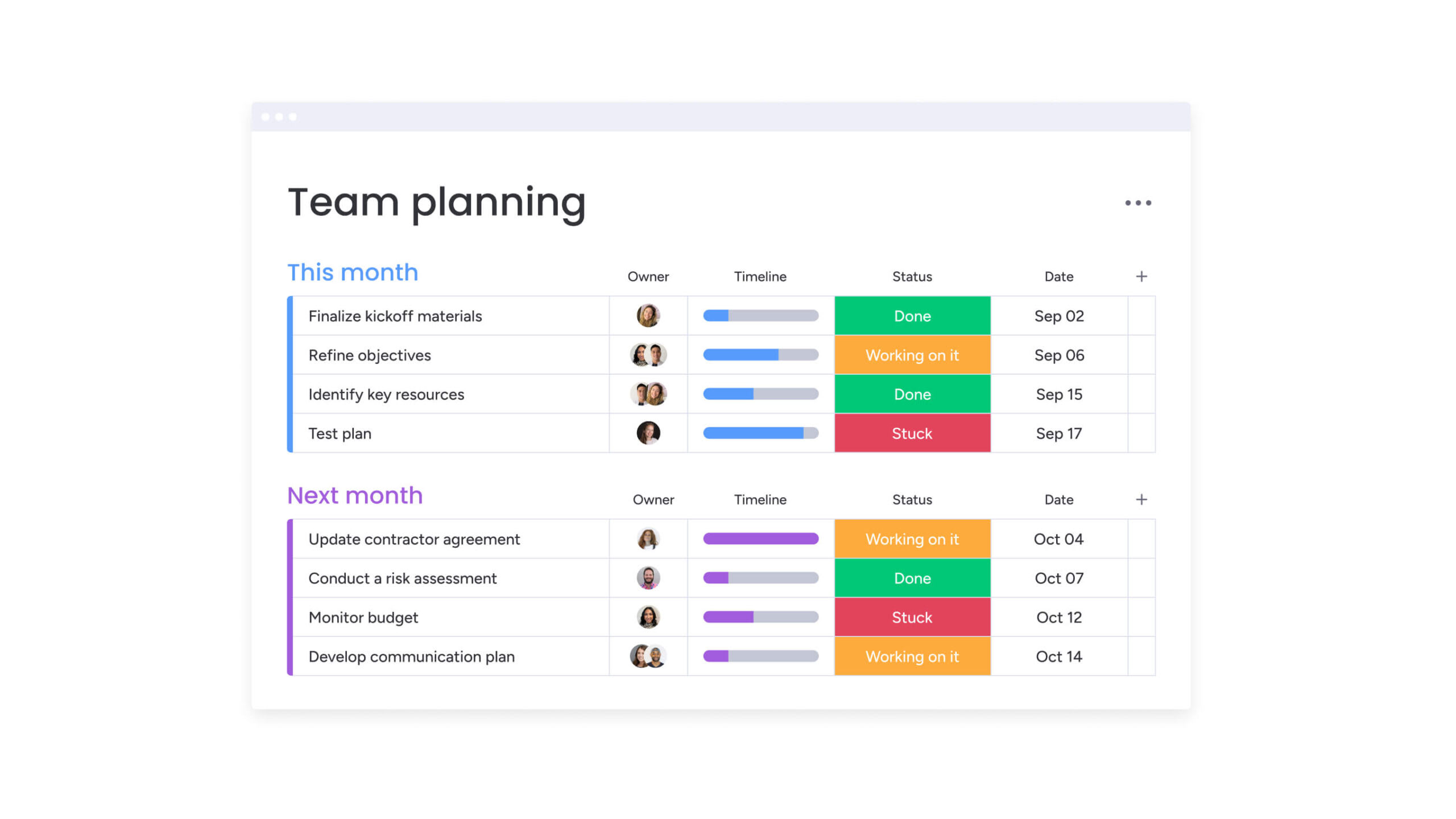
- Shared visibility: Teams can see priorities, progress, and ownership in one place, helping everyone stay focused and aligned.
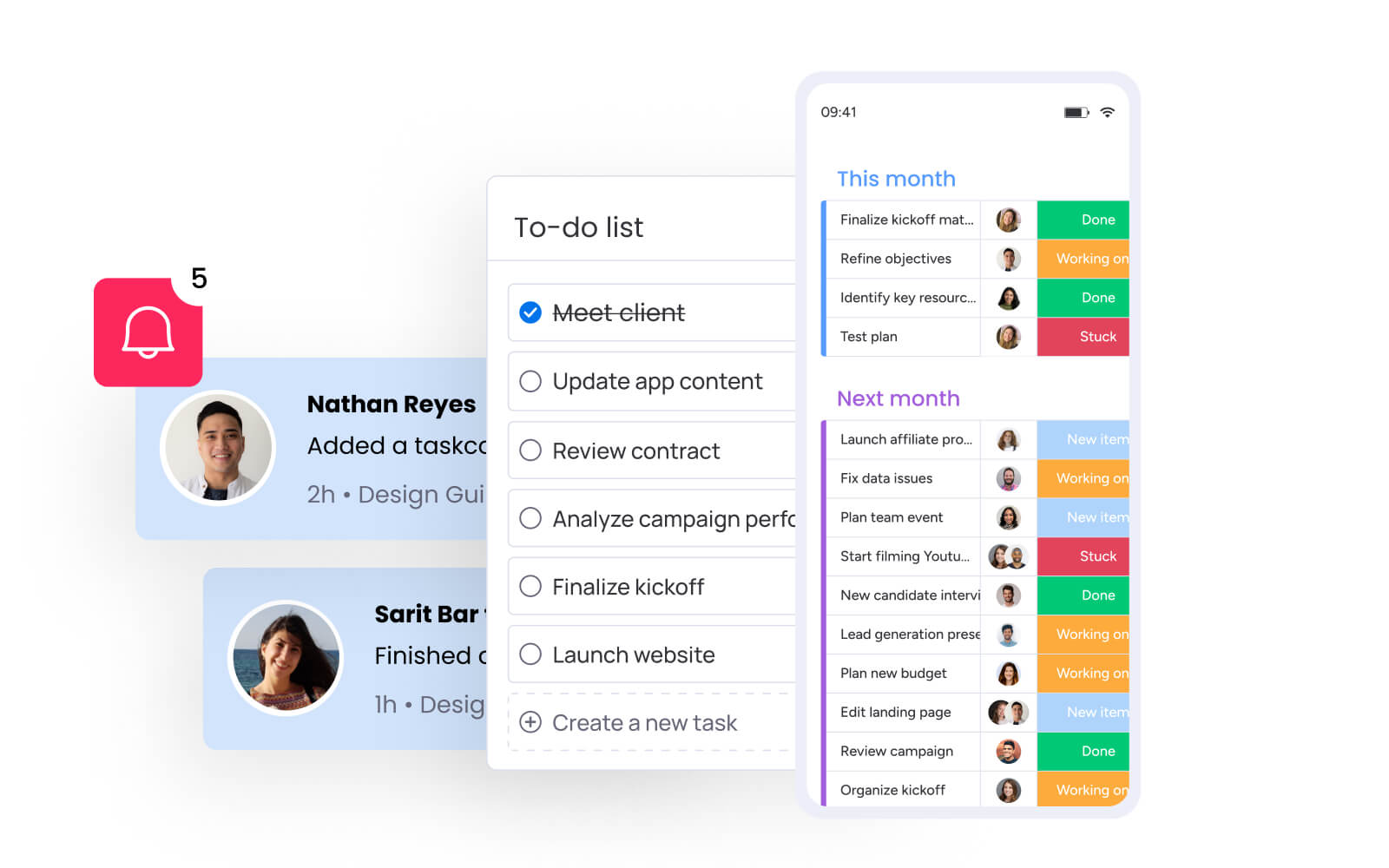
- Consistent recognition: Milestones and updates highlight contributions as work moves forward, reinforcing progress and motivation.
- Clear accountability: Defined owners, timelines, and status updates reduce confusion and help work move without constant follow-ups.
- Balanced workloads: Capacity views help managers spot pressure early and keep work distributed fairly.
- Connected teamwork: Shared boards and updates keep departments aligned, improving collaboration and reducing silos.
- Less manual coordination: Automation handles reminders and status changes, freeing teams to focus on meaningful work.
When engagement is supported by clear structure, teams stay motivated without extra complexity. Work feels more connected, progress stays visible, and consistent performance becomes easier to maintain as teams grow.
Frequently asked questions
How do you measure the success of employee engagement activities?
You can measure success by combining participation rates and sentiment scores with business metrics like retention, promotion frequency, and productivity. When these are tracked together, you get a clearer picture of what is actually working. Dashboards that connect engagement data with operational KPIs make this easier to manage.
What are the most effective employee engagement ideas for remote teams?
Remote teams benefit from activities that do not require everyone to be online at the same time. For example, virtual recognition systems and asynchronous collaboration challenges help build connection. In addition, digital social channels create space for informal interaction, which supports team bonding.
How often should you change employee engagement activities?
It is best to evolve activities gradually based on feedback rather than making constant changes. Core programs like recognition should stay consistent, while newer initiatives can rotate every quarter. This balance keeps things fresh without losing stability.
What employee engagement strategies work with limited budgets?
High impact strategies often rely more on time and attention than budget. For instance, peer recognition programs and regular one on ones can make a strong difference. In addition, skill sharing sessions allow teams to learn from each other without added costs.
How can small businesses implement employee engagement programs?
Small businesses can start with simple, consistent practices that are easy to maintain. Weekly team huddles, peer recognition, and monthly check ins create a strong foundation. Over time, these habits build a culture of engagement without requiring dedicated resources.
Which employee engagement activities show the fastest results?
Activities that focus on immediate feedback and recognition tend to show results quickly. Daily appreciation, quick check ins, and focused team huddles improve morale within weeks. Because of this, they are a good starting point when you need early impact.

 Get started