

Your newest hire just started, and you’re scrambling to figure out what they need to learn first. Meanwhile, compliance training is scattered, teams are missing certification deadlines, and nobody is sure if your leadership development program is actually working.
Most organizations “wing” their training, making it up as they go. However, without structured templates, learning becomes reactive and impossible to measure. This results in wasted time, frustrated employees, and skills gaps that directly impact business performance.
Building frameworks for onboarding and compliance transforms messy programs into organized, repeatable systems. These six ready-to-use templates help you bridge knowledge gaps while showing how a flexible work management platform brings your entire training strategy to life.
Key takeaways
- Transform scattered training efforts into systematic workforce development: Use structured templates to ensure every employee receives consistent, quality training tailored to their specific role and development needs.
- Connect training directly to business results: Align learning objectives with measurable outcomes like productivity gains, error reduction, and strategic goal achievement to justify investment and drive real impact.
- Scale personalized development across your entire organization: Deploy consistent training programs that accommodate different learning styles and experience levels while maintaining unified excellence standards.
- Turn static templates into dynamic workflows: Replace email-based coordination and manual tracking with real-time collaboration and automated progress monitoring using monday work management to scale with growth.
- Build data-driven training programs that continuously improve: Implement automated tracking and visual dashboards to monitor completion rates, assess performance, and calculate ROI for informed decision-making about future training investments.
What is an employee training plan template?

An employee training plan template is your blueprint for designing, running, and tracking learning programs across your team. It turns scattered training into a consistent system you can customize for different roles and departments.
Rather than building plans from scratch or relying on informal mentorship, templates provide a standardized foundation. This structure ensures every team member receives high-quality training precisely tailored to their professional development needs.
The best templates include these core pieces that build complete learning experiences:
- Pre-training assessments: Baseline evaluations that identify knowledge gaps and help customize content for each learner’s starting point.
- Structured learning modules: Logical sequences that guide employees from foundational concepts through advanced applications.
- Milestone checkpoints: Regular evaluation points that verify knowledge retention and practical application throughout the journey.
- Evaluation metrics: Quantitative and qualitative measures that determine training effectiveness and inform continuous improvements.
Organizations using integrated templates with broader workforce management systems transform static documents into connected workflows. Training data flows straight into resource planning, performance reviews, and strategy, creating a single source of truth for workforce development.
Why do employee training plan templates transform team performance?
Training templates turn vague learning goals into performance gains you can actually measure. As a result, companies using standardized frameworks see real improvements in productivity, team alignment, and their ability to scale — all of which impact the bottom line. By formalizing the learning process, templates drive meaningful change across every department.
Accelerate time to productivity
Standardized templates create repeatable pathways for onboarding and skill acquisition. New hires and promoted employees know exactly what’s expected and how to get there.
A standardized approach ensures every new and promoted employee gets up to speed quickly and contributes to business goals faster. This structured pathway provides several key benefits for your organization.
- Removes ambiguity: Employees follow defined curricula rather than waiting for senior team members’ availability.
- Ensures consistency: Critical knowledge transfer happens systematically across all departments.
- Speeds contribution: New team members contribute to organizational goals faster with structured learning sequences.
Align learning with business objectives
Templates connect individual skill-building to company strategy. They link training directly to business metrics like revenue targets, efficiency goals, compliance standards.
Organizations using monday work management link training plans directly to OKRs and strategic initiatives. This helps leadership focus training dollars on critical skill gaps, ensuring every learning initiative directly supports strategic outcomes.
Scale personalized development across teams
Templates let you deliver customized learning to hundreds of employees without sacrificing quality. They work for different learning styles, experience levels, and roles while keeping quality consistent.
How do you maintain consistency while allowing flexibility? Templates support both individual development plans and company-wide initiatives simultaneously. Managers roll out consistent training across distributed teams, so employees in satellite offices get the same quality development as HQ staff.
A standardized approach ensures every new and promoted employee gets up to speed quickly and contributes to business goals faster. This structured pathway provides several key benefits for your organization.
Core components of effective training plan templates
The best training templates share core elements that create complete learning experiences and results you can measure. These pieces turn simple course lists into development frameworks that create real business impact.
| Component | Purpose | Key elements |
|---|---|---|
| Skills gap analysis framework | Establishes baseline measurement | Competency assessments, role requirements, current capability mapping |
| Learning objectives and success metrics | Defines measurable goals | SMART objectives, business KPIs, achievement criteria |
| Blended delivery methods | Accommodates learning preferences | In-person sessions, digital modules, hands-on practice, peer collaboration |
| Progress tracking and feedback systems | Monitors learning journey | Scheduled check-ins, assessment points, course correction opportunities |
Skills gap analysis framework
Skills gap analysis starts with assessing current capabilities against what’s actually needed. This shapes the entire design by ensuring training is precisely targeted to address validated needs.
Learning objectives and success metrics
Learning objectives spell out specific goals tied to business results. There’s a distinct difference between learning objectives (what participants will know) and success metrics (how achievement is measured). Quality templates structure these goals using the SMART framework to ensure accountability.
Blended delivery methods
Blended delivery methods work for different learning styles. The schedule gives flexibility for different learning paces while keeping strict milestones. Teams using monday work management can track different learning modalities within one system, ensuring comprehensive coverage of the 70:20:10 model.
Progress tracking and feedback systems
Progress tracking monitors how people advance and gives ongoing feedback through check-ins, assessments, and chances to adjust. These help managers spot early when learners need extra help or are ready for tougher material.
6 ready-to-use employee training plan templates
Different needs call for different template structures. These six examples cover critical areas of workforce development with proven frameworks you can adapt to your needs.
New employee training plan template
This framework streamlines onboarding by balancing technical skills with cultural assimilation. It ensures consistent integration across all departments, regardless of location.
Key features include:
- Timeline structure: Typically spans 30 to 90 days with weekly milestones that prevent information overload.
- Consistency guarantee: It ensures quality onboarding that improves retention no matter the department or location.
- Integration focus: Balances technical skills with cultural assimilation.
Skills development training template
This template builds existing employee skills in specific technical or soft skill areas. It accommodates different starting proficiency levels with multiple learning pathways from beginner to advanced.
The structure supports both individual development requests and organization-wide initiatives. For instance, when adopting new project management methodologies or software platforms across departments.
Leadership development plan template
This framework builds management and leadership skills at different levels of the organization. It covers foundational leadership skills like conflict resolution and delegation, plus advanced strategic thinking.
Key components include:
- Structured mentoring relationships: Pairing emerging leaders with experienced executives.
- Project-based learning assignments: Real-world application opportunities.
- 360-degree feedback integration: Comprehensive performance evaluation from multiple perspectives.
High-potential individual contributors become capable leaders who shape company strategy.
Compliance training schedule template
Regulatory and policy requirements demand an audit-ready approach. This template manages mandatory certifications and renewal schedules to mitigate legal and operational risk.
It allows for role-based customization, ensuring finance managers and warehouse supervisors receive relevant regulatory training while maintaining centralized records.
Cross-functional training plan template
This template helps teams share knowledge across departments, breaking down silos and making the organization more agile. It structures job shadowing, rotation programs, and inter-departmental workshops.
Benefits include:
- Broader business acumen: Employees gain exposure to various organizational functions.
- Enhanced empathy: Teams build understanding between departments.
- Career preparation: Prepares employees for lateral moves or complex project leadership roles.
Individual development plan (IDP) template
The IDP personalizes career advancement by aligning an employee’s goals with organizational opportunities. It serves as the primary roadmap for career conversations between managers and direct reports, featuring sections for short-term objectives, specific skill gap identification, and long-term professional growth strategies.
Create your employee training plan in 5 strategic steps
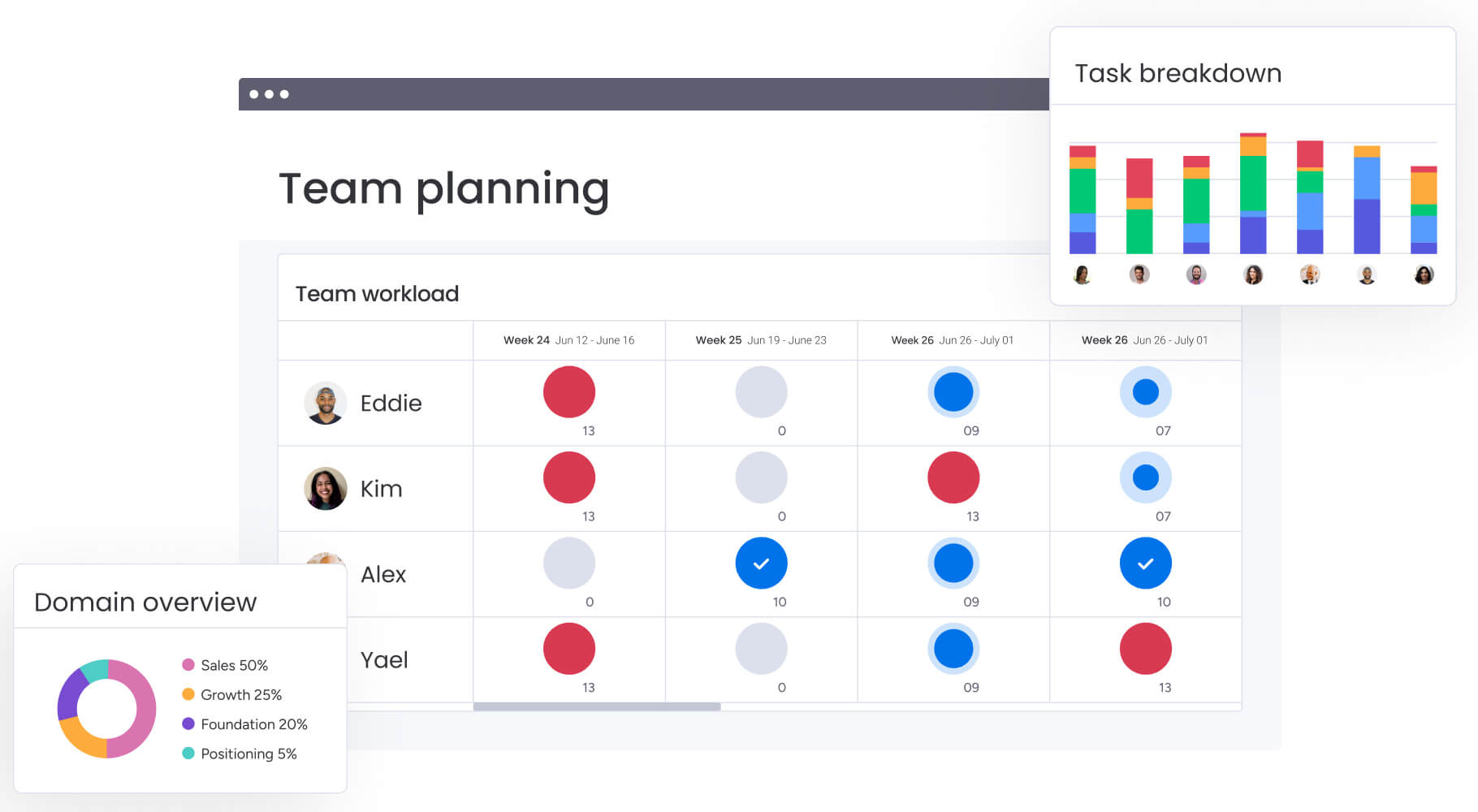
Rolling out training plans needs a methodical approach that moves from analysis to execution. These five steps make sure plans are relevant, achievable, and impactful, shifting your workforce development from reactive to strategic.
Step 1: conduct skills assessment and identify gaps
Start with a thorough evaluation of current team capabilities. Methods for gathering data include:
- Employee surveys: Self-assessments of skills and development interests.
- Performance review analysis: Historical data on strengths and improvement areas.
- Competency evaluations: Structured assessments against role descriptions.
Prioritize training needs based on business impact and urgency. Separate nice-to-have skills from critical operational needs.
Step 2: define training objectives and KPIs
Turn identified gaps into specific, measurable learning objectives. Connect training goals directly to business metrics like error rate reduction or sales conversion increases.
Furthermore, establish clear success criteria and accountability measures. Defining timeline expectations early ensures that both learners and the organization understand exactly what success looks like.
Step 3: select training methods and resources
Choose appropriate delivery methods based on learning objectives, audience preferences, and available resources. Evaluate internal resources (mentors, documentation) versus external solutions (courses, consultants).
Match methods to material:
- Workshops: Ideal for soft skills development and interactive learning.
- Digital modules: Perfect for technical compliance and self-paced learning.
- Hands-on practice: Essential for skill application and retention.
Teams using monday work management can integrate different training methods into unified workflows, tracking everything from workshop attendance to digital course completion.
Step 4: design your training schedule
Next, create realistic timelines that balance learning effectiveness with operational needs. Sequence training modules logically, building in sufficient practice time.
Factor in peak business periods and trainer availability to ensure training complements operational schedules and enhances productivity. Flexible scheduling works for different learning paces without missing deadlines.
Step 5: establish continuous improvement processes
Finally, remember that training plans require regular refinement to remain effective. To achieve this, build feedback loops through post-training surveys and performance re-assessments.
Regular reviews work in learner feedback and adjust training for business strategy or technology changes. This approach makes sure templates improve over time based on real results.
Defining timeline expectations early ensures that both learners and the organization understand exactly what success looks like.
Measure training impact with data-driven insights
Training programs need to show measurable business results to justify the investment and prove they work. Companies need real-time visibility into training across every department to make smart decisions about workforce development.
Implement automated progress tracking
Automated systems track learning progress, freeing up administrators to focus on more strategic tasks. Key metrics tracked include:
- Module completion rates: Percentage of assigned training completed on schedule.
- Assessment scores: Performance on knowledge checks and practical evaluations.
- Time-to-competency: Duration from training start to demonstrated proficiency.
This data helps individual development by flagging struggling employees and showing which curriculum sections need work.
Build real-time training dashboards
Visual reports give immediate insights to different stakeholders. Dashboards show learners their progress, managers their team’s compliance status, and executives the overall L&D ROI.
Key metrics display prominently, including certification expiry dates and budget use. This lets you make proactive decisions before issues hit operations. Teams using monday work management create custom dashboards that show training metrics alongside broader operational data.
Calculate ROI and business outcomes
The ultimate training success measure is business impact. Therefore, track performance improvements, productivity gains, and relevant metrics against baselines from before training.
Link specific improvements to training programs to calculate ROI. This validates the strategic value of L&D programs and guides future training investments.
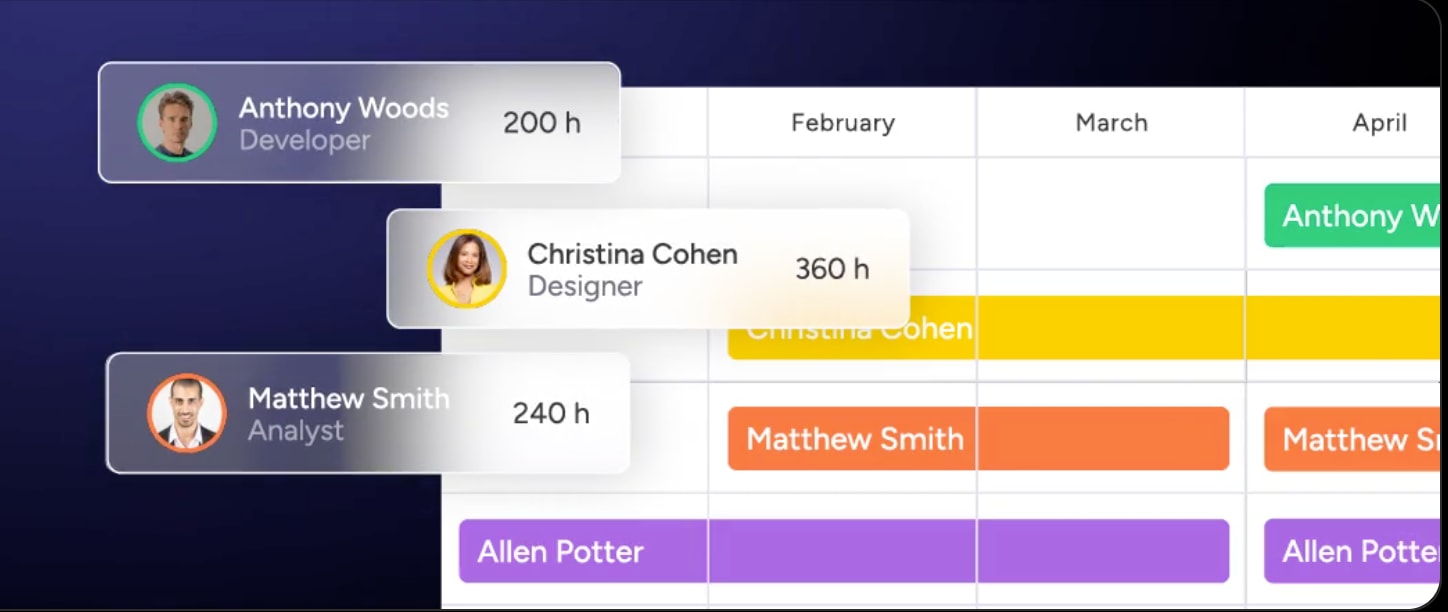
Optimize dynamic training with monday work management
Traditional training templates often sit in local drives as static documents, lacking real-time collaboration or tracking. Isolated plans become live workflows that adapt to your needs and scale as you grow when using monday work management.
| Aspect | Traditional templates | monday work management workflows |
|---|---|---|
| Collaboration | Email-based updates, version control issues | Real-time collaboration with instant notifications |
| Progress tracking | Manual status updates, spreadsheet maintenance | Automated progress tracking with visual dashboards |
| Resource management | Separate scheduling systems, coordination challenges | Integrated workload management and resource allocation |
| Customization | Fixed template structures, limited adaptability | Flexible board configurations adapting to any training need |
| Reporting | Manual report compilation, delayed insights | Real-time dashboards with automated reporting |
| Scalability | Becomes unwieldy with organization growth | Scales across departments and locations |
Project management features for training execution
The platform’s project management features support training execution. Customizable boards let training plans work as interactive boards that track each employee’s development. Custom columns manage skills assessments, progress status, completion dates, and feedback scores in single views.
Built-in automations trigger notifications when training milestones are reached or assessments are due. This makes sure no development opportunity falls through the cracks. Workload features allow training coordinators to balance trainer availability against employee development needs.
AI-powered training management
AI features on monday work management make training plan management more efficient:
- AI blocks: Automatically categorize training requests by urgency or department, summarize complex feedback into actionable insights, and extract relevant details from training materials.
- Digital Workers: Monitor department workloads continuously, generate assignment suggestions aligned to real-time capacity, and shift assignments automatically when the project needs change.
- Smart automation: Route training assignments based on skills and availability, flag at-risk learners before they fall behind, and recommend optimal learning paths.
Efficient integration and migration
The platform connects with existing HR systems, learning management systems, and other apps to create a single source of truth for employee data. Existing templates migrate easily via Excel import or pre-built templates, and the intuitive interface speeds up team adoption.

“monday.com has been a life-changer. It gives us transparency, accountability, and a centralized place to manage projects across the globe".
Kendra Seier | Project Manager
“monday.com is the link that holds our business together — connecting our support office and stores with the visibility to move fast, stay consistent, and understand the impact on revenue.”
Duncan McHugh | Chief Operations OfficerBuild a learning organization that drives business results
Relying on scattered documents leads to frustrated hires, missed certifications, and invisible ROI. While templates provide a necessary foundation, they only truly succeed when moved from static folders into a dynamic environment. Centralizing these resources eliminates version confusion and ensures every team member has immediate access to the latest materials.
Integrating these frameworks into monday work management transforms training from an administrative burden into a strategic engine. Real-time visibility helps leaders identify skill gaps early, while automation ensures no employee’s development is left to chance. This allows managers to monitor progress at a glance and provide support the moment a learner hits a roadblock.
Ultimately, shifting to a digital workflow turns workforce learning into a repeatable, measurable driver of success. By connecting training directly to operational goals, organizations gain a streamlined system that scales as they grow. This evolution ensures your training strategy becomes a competitive advantage that fosters continuous professional excellence.
The content in this article is provided for informational purposes only and, to the best of monday.com‘s knowledge, the information provided in this article is accurate and up-to-date at the time of publication. That said, monday.com encourages readers to verify all information directly.
Frequently asked questions
How long should a typical employee training plan last?
A typical employee training plan duration depends on skill complexity, ranging from 30 to 90 days for onboarding programs to six to twelve months for comprehensive skill development or leadership training programs.
Can you use the same training plan template for different departments?
Core template structures can be standardized across departments, but effective training plans require customization for department-specific skills, compliance requirements, and role responsibilities to ensure relevance and effectiveness.
What's the best way to get employee buy-in for new training plans?
The most effective approach involves communicating how training directly supports career goals and involving employees in the planning process to ensure training addresses their actual development needs.
How often should I update my employee training plan templates?
Employee training plan templates should be reviewed quarterly to reflect changing business needs, incorporate feedback from recent training sessions, and adapt to new industry requirements or organizational priorities.
What's the difference between a training plan and a development plan?
A training plan focuses on specific skill acquisition through structured learning activities, while a development plan encompasses broader career growth including training, mentoring, stretch assignments, and long-term career progression strategies.
How does monday work management help organizations manage training plan templates more effectively?
The platform transforms static training templates into dynamic, collaborative workflows providing real-time progress tracking, automated notifications, and integrated resource management, enabling organizations to scale personalized development across teams while maintaining complete visibility into training outcomes.

 Get started