


Constructive feedback can be one of the most powerful tools a leader has, yet it is also one of the easiest to get wrong. A poorly handled comment can create tension, hesitation, or silence, while the right words at the right moment can unlock confidence, clarity, and real improvement.
Strong teams treat feedback as part of everyday progress, not a difficult event to avoid. When conversations feel balanced, specific, and fair, people become more open to learning and more willing to take ownership of their development. Over time, this creates a more resilient, high-performing environment where expectations are understood and improvement feels achievable.
This practical, confidence-building guide shows how to make feedback feel constructive, natural, and genuinely useful. You will learn simple frameworks for structuring conversations, examples that remove guesswork, and repeatable ways to make feedback part of how your team learns, adapts, and performs at its best.
Key takeaways
- Constructive feedback works best when it is specific and actionable: Strong feedback focuses on observable behavior, explains the impact, and gives clear next steps that make improvement feel possible rather than personal.
- A simple framework makes difficult conversations easier: Using a structure such as Situation, Behavior, Impact helps keep feedback grounded in facts, lowers defensiveness, and keeps the discussion focused on outcomes.
- Frequent feedback is more effective than saving everything for formal reviews: Regular check ins, timely coaching, and smaller course corrections help teams improve faster and prevent issues from building up over time.
- Positive feedback matters just as much as corrective feedback: Recognizing what is working reinforces strong habits, builds confidence, and creates a more open environment for future development conversations.
- Systems help feedback stay consistent as teams grow: Modern solutions such as monday work management can support follow ups, goal tracking, and visibility, making it easier to turn feedback into ongoing performance improvement.
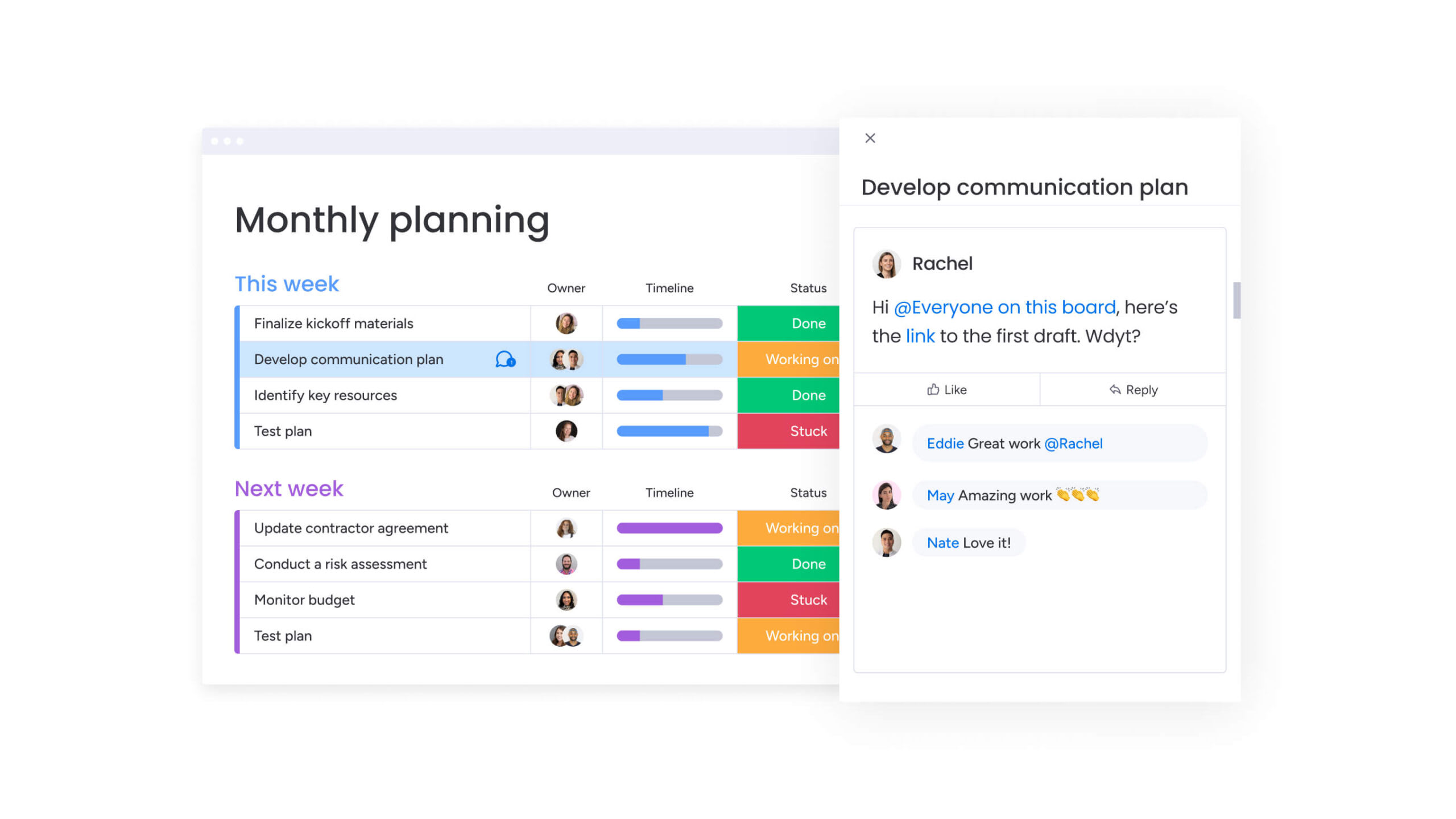
What is constructive feedback and why does every team needs it?
Constructive feedback helps people improve without undermining confidence. It focuses on observable actions, explains the impact, and gives clear direction on what to adjust. When feedback is specific and fair, expectations become easier to understand and progress feels achievable.
Yet 26% of employees say they receive little or no feedback, which slows development and leaves teams guessing what good performance looks like.
The key difference is intention. Constructive feedback supports growth and problem solving, while criticism often feels personal and unhelpful. This distinction shapes how feedback is received and whether it leads to meaningful change.
The table below highlights how constructive feedback compares to criticism, and why the right approach leads to stronger engagement and more consistent performance.
| Feature | Constructive feedback | Criticism |
|---|---|---|
| Focus | Specific behaviors and outcomes | Personality traits or vague issues |
| Intent | Improvement and support | Venting frustration or assigning blame |
| Tone | Objective, calm, collaborative | Emotional, judgmental, superior |
| Outcome | Actionable steps for growth | Defensiveness and disengagement |
When feedback feels safe and helpful, people are more willing to take risks and try new ideas. That openness leads to faster progress, because everyone knows where they stand and what to improve.
The 4 essential elements of effective feedback
Strong feedback is not just about what you say, it is about how you structure it. These four elements make the difference between a conversation that helps and one that gets ignored.
- Specificity: Focus on what someone did, not who they are. Instead of saying someone is ‘unreliable,’ effective feedback cites specific instances where deadlines were missed or communication lapsed. This emphasis on specificity is crucial, as only about one-third of women report receiving specific and actionable feedback to improve work or performance.
- Timeliness: Give feedback close to the moment. When you wait too long, details fade and frustration builds. On the other hand, timely input keeps things relevant and easier to address.
- Actionability: Always include next steps. People should leave the conversation knowing exactly what to do next. Without that, feedback becomes noise instead of guidance.
- Balance: Show the full picture. Highlight strengths alongside areas to improve so the conversation feels fair and grounded. This is not about softening criticism, it is about being complete.

“monday.com has been a life-changer. It gives us transparency, accountability, and a centralized place to manage projects across the globe".
Kendra Seier | Project Manager
“monday.com is the link that holds our business together — connecting our support office and stores with the visibility to move fast, stay consistent, and understand the impact on revenue.”
Duncan McHugh | Chief Operations Officer5 steps for giving constructive feedback
Feedback can feel awkward, yet a clear structure makes it easier for both sides. When you approach it with intention, tough conversations turn into useful ones. The goal is not to criticize, but to guide someone toward better outcomes. With the right flow, you keep things productive and respectful.
Step 1: gather specific examples and observations
Before you say anything, take time to gather real examples. This keeps your feedback grounded in facts instead of assumptions. It also helps you stay focused during the conversation.
Write down key details such as:
- Context: When and where the behavior happened
- Specific action: What exactly was said or done
- Immediate outcome: What happened as a direct result
Stick to observable facts. For instance, say a report was submitted two days late, which delayed delivery. Avoid guessing intent or adding emotional language.
Step 2: choose your timing and setting strategically
Timing shapes how your message is received. Wait until emotions settle, but do not delay so much that the moment loses meaning. A well-timed conversation feels relevant and fair.
Choose a private space with minimal distractions. For remote teams, a video call works better than a long email. This way, tone and intent come across clearly, and misunderstandings are less likely.
Step 3: open with positive intent and context
Start by explaining why you are having the conversation. This helps the other person understand that your goal is improvement, not criticism. It sets a collaborative tone from the beginning.
For example, you might say you want to strengthen future presentations. That small shift shows you are working together toward better results. As a result, defensiveness drops and the discussion becomes more open.
Step 4: address specific behaviors and their impact
To keep things clear, use a simple structure that separates facts from judgment. This helps you stay objective and keeps the conversation constructive.
- Situation: Describe when and where it happened
- Behavior: Explain what you observed
- Impact: Share how it affected the team or outcome
For instance, you can mention a meeting where interruptions prevented a client from sharing key details. Then connect that behavior to the tension it created. This keeps the focus on actions, not the person.
Step 5: develop an action plan together
Every feedback conversation should end with a clear plan. Instead of giving instructions, involve the other person in finding solutions. This builds ownership and makes change more likely.
Set measurable goals and define when you will check progress. In addition, agree on how you will follow up. This turns feedback into an ongoing process, not just a one-time discussion.
When you approach feedback with intent, tough conversations turn into useful ones.
Constructive feedback that actually works
Real conversations are rarely straightforward. You are often balancing honesty with encouragement, so trust stays intact while progress still happens. The examples below show how to handle common situations in a way that feels natural, clear, and useful.
Handling performance issues with clarity and support
When performance slips, your goal is not just to point it out, but to connect behavior to outcomes. At the same time, you want the person to feel supported rather than discouraged. That balance makes the feedback easier to accept and act on.
Missed deadlines
When deadlines are repeatedly missed, be specific about timing and impact. Then, open the door for discussion instead of jumping to conclusions.
“I have noticed the weekly reports came in after the Tuesday deadline for the past three weeks. Because of this, the team cannot prepare properly for Wednesday’s executive meeting. What is getting in the way, and how can we adjust your workflow together?”
This keeps the focus on facts, explains why it matters, and invites shared problem solving.
Quality issues
If work needs redoing, focus on outcomes rather than personal ability. Also, position yourself as someone who can help improve the process.
“The last three feature releases had bugs that QA caught, which delayed the rollout. What kind of support would help improve quality at the start? Would extra testing time or pair programming make a difference?”
This shifts the tone from blame to improvement and shows you are invested in their success.
Productivity concerns
When output drops, use data to guide the conversation. At the same time, show that you value their contribution.
“I looked at the sprint board and noticed fewer completed tasks than your usual pace. Your work is important to the team, so I wanted to check in. Are there blockers or capacity issues we should address?”
This keeps the discussion grounded while still being supportive.
Try monday work managementFeedback that supports growth and progression
Effective feedback should help people see what is possible, not just what needs improvement. When conversations focus on development and next steps, they create direction and motivation, making progress feel realistic and within reach.
Skill development
Start by recognizing strengths, then clearly explain what is holding them back. After that, suggest a path to improve.
“Your technical analysis is strong, though stakeholders struggled to follow today’s presentation. To help your ideas land better, let’s work on simplifying how you present them. Would you be open to an executive communication workshop?”
This keeps the tone encouraging while still being direct.
Career advancement
When someone wants to move up, show them what is missing in practical terms. Then, guide them toward opportunities to build that experience.
“To step into a senior role, you need to show impact beyond your immediate team. Your work is solid, though it stays within your area. Let’s find a cross functional project where you can lead and show broader thinking.”
This gives a clear direction rather than vague advice.
Stretch assignments
If someone is ready for more, frame the challenge as a sign of trust. At the same time, acknowledge that it may feel demanding.
“You have really mastered your current work, so I think you are ready for something bigger. I would like you to lead the Q4 integration project. It will push your project management skills, though I am confident you can handle it.”
This builds motivation while setting expectations.
Giving feedback effectively in remote settings
Feedback needs to be even clearer when conversations happen through screens. Without in-person cues, tone and structure play a bigger role in how messages are understood, making thoughtful delivery essential for keeping feedback constructive and supportive.
Written feedback
When leaving comments on documents, be specific and invite follow up. That way, the conversation does not end with the document.
“I added comments to a few sections. The analysis is strong, though the conclusion needs to connect more clearly to our Q3 goals. Take a look and let’s schedule time to go over any questions.”
This keeps communication open and focused.
Video conversations
For sensitive topics, face to face interaction, even virtually, helps avoid misinterpretation. It also shows that the conversation matters.
“I set up this video call because I wanted to go over client feedback together. It is easier to discuss this properly when we can talk it through in real time.”
This signals care and intention.
Recorded walkthroughs
When working across time zones, recorded feedback can add clarity. It also allows the other person to review it at their own pace.
“I recorded this walkthrough so you can see exactly what I am referring to. The user flow feels a bit disjointed here. Watch it when you have time and share your thoughts on improving it.”
This keeps feedback practical and accessible.
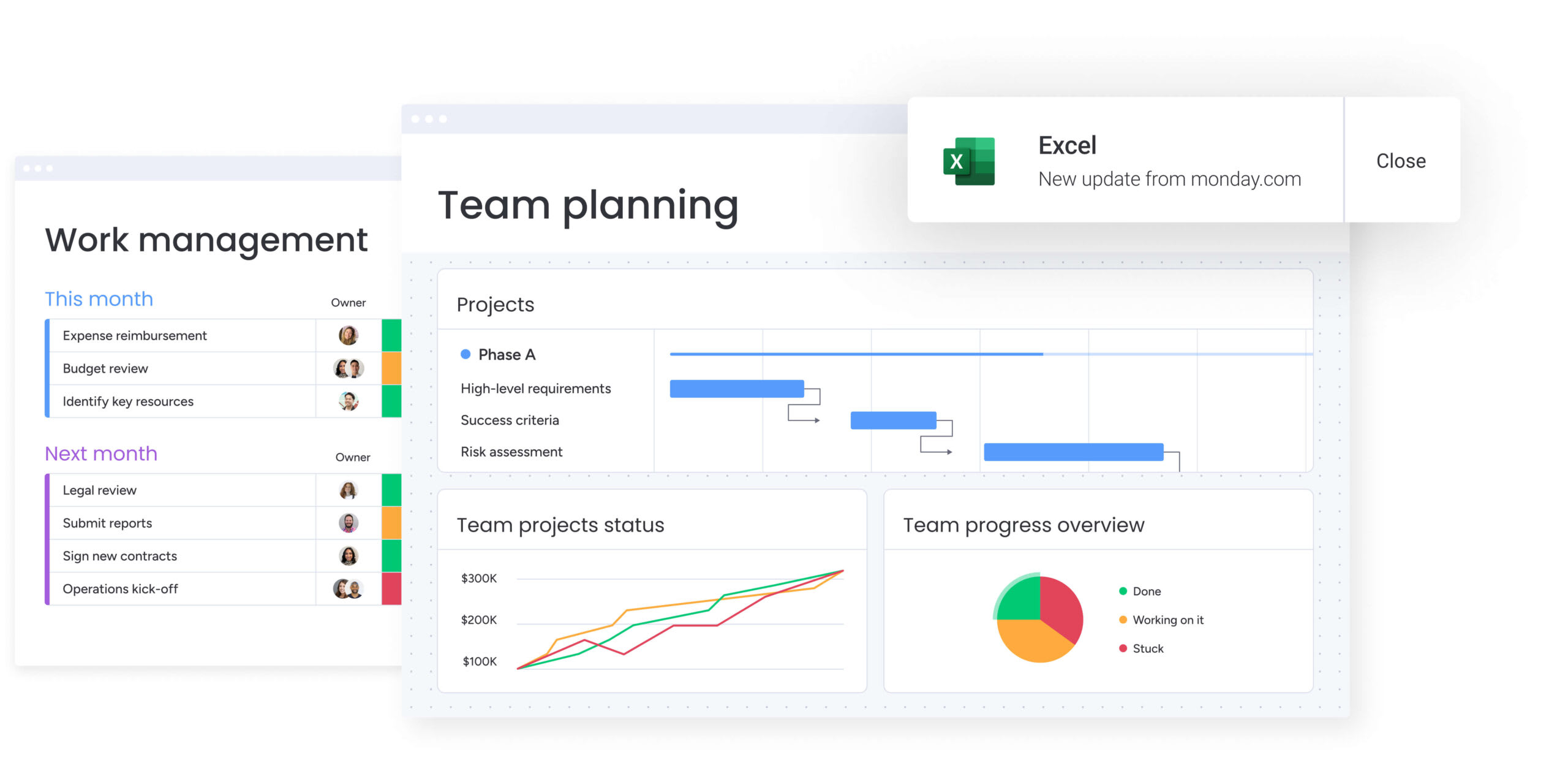
Reinforcing what is working well
Constructive feedback is not only about correcting course, it also strengthens the behaviors that already contribute to good results. Calling out what is effective gives people clarity on what to continue, helping build confidence and consistency across the team.
Reinforcing strong behavior
Call out the exact action that made a difference. This helps the behavior become repeatable.
“The way you handled that client call stood out. When you acknowledged their frustration first, the entire tone shifted. Keep using that empathy driven approach.”
This makes the praise meaningful.
Encouraging initiative
When someone takes ownership, recognize it clearly. Then, encourage them to keep doing it.
“I noticed you updated the documentation without being asked. That kind of ownership saves time for everyone. Please keep spotting those gaps and acting on them.”
This builds confidence and accountability.
Highlighting impact
Tie individual work to broader outcomes. This helps people see the value of their effort.
“Your vendor negotiation reduced costs by fifteen percent. Because of that, we can reinvest in team initiatives. That was a smart and strategic move.”
This connects effort to results.
Try monday work managementHow to manage difficult conversations with care
Some feedback conversations feel more sensitive, especially when performance, behavior, or team dynamics are involved. In these moments, clarity and respect matter equally, helping you address the issue directly while maintaining trust and keeping the discussion focused on improvement.
Interpersonal conflict
Focus on how behavior affects the team, not just the individual.
“Several teammates mentioned that your tone in code reviews feels dismissive. Your technical feedback is strong, though the delivery can discourage collaboration. Let’s work on sharing your insights in a way that supports the team.”
This keeps the message balanced.
Disengagement
When someone appears checked out, stick to observable behavior and explain its impact.
“In our last three meetings, I noticed you were on your phone and did not contribute. This can come across as disengaged from team goals. I need you fully present so we can solve challenges together.”
This is clear without being personal.
Ongoing performance issues
If previous conversations have not worked, it is important to escalate while staying professional.
“We have discussed the error rate in your data entry twice, though it has not improved. This is now affecting billing accuracy. We need to move to a formal improvement plan to correct this.”
This sets clear expectations and next steps.
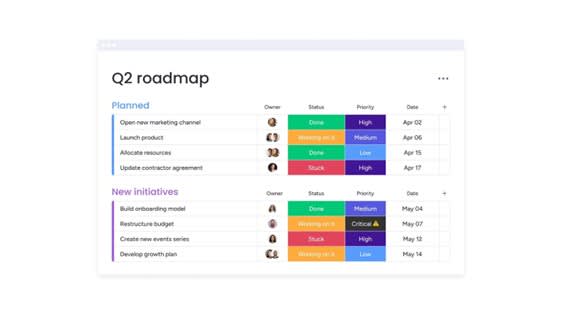
Delivering feedback at the right moment
Timing plays a bigger role than most people expect. If you wait too long, key details fade and the message loses impact. At the same time, if you speak too quickly, emotions can get in the way and the conversation may not land well.
Essentially want to act close enough to the moment that everything is still clear. However, you also need to give enough space for reactions to settle. That balance makes feedback easier to hear and act on.
In urgent cases, such as safety risks or major wins, you should respond right away. On the other hand, deeper conversations like career growth deserve a planned setting where both sides can focus. Meanwhile, quick check ins during daily work help you catch small issues before they grow.
Finding the right moment for feedback conversations
Not every situation calls for the same timing. The way you deliver feedback should match the situation, otherwise even good input can feel misplaced.
Here are three common timing approaches you can use in your day to day work:
- Immediate feedback situations: Address safety issues, critical errors, or major achievements in real time. Acting quickly keeps the message relevant and prevents problems from spreading.
- Scheduled feedback opportunities: Save complex topics like performance reviews or career discussions for one on one meetings. This gives both of you time to prepare and talk without distractions.
- Spontaneous feedback moments: Use quick check ins when something comes up during the day. These short conversations help you handle small concerns early and keep things on track.
Building psychological safety before giving feedback
Feedback works best when people feel safe hearing it. Without that trust, even well meant comments can feel like criticism instead of support.
You can build this by being open about your own mistakes and asking for feedback yourself. That said, consistency matters just as much as intent. When people see that feedback is about growth, not judgment, they are more willing to engage.
Also, make a clear distinction between a person and their work. When positive feedback happens more often than negative, it creates balance and keeps conversations grounded.
Matching your feedback approach to different personalities
People process feedback in different ways, so your delivery should adjust accordingly. A one size approach rarely works, even if the message itself is valid.
Here are a few ways to tailor your style:
- For introverted team members: Share context in writing before the conversation. This gives them time to think and makes one on one discussions more productive.
- For extroverted team members: Keep the conversation interactive. They often think out loud and benefit from real time discussion and idea exchange.
- For detail oriented thinkers: Bring clear examples, dates, and data. Vague feedback can feel unreliable and reduce trust.
- For big picture thinkers: Focus on impact and direction. Help them see how their actions connect to larger goals and outcomes.

Main heading: Creating feedback systems that drive real results
One off conversations are not enough to drive real change. You need a structure that keeps feedback consistent and easy to act on.
This means setting regular check ins, gathering input from different perspectives, and keeping track of progress over time. When feedback becomes part of everyday work, it feels normal instead of forced.
The strongest teams treat feedback as ongoing support, not something reserved for problems: that shift makes improvement steady rather than reactive.
Shifting from annual reviews to continuous feedback
Annual reviews often come too late to be useful. By the time feedback is shared, the moment to fix or improve has already passed.
Instead, regular conversations allow you to address issues as they happen. As a result, formal reviews become summaries of what has already been discussed, not surprises.
This approach keeps momentum steady and helps everyone stay aligned throughout the year.
The 6 components of effective feedback systems
To make feedback consistent, you need a structure that supports it. The points below show what a strong setup looks like in practice:
- Regular feedback cycles: Set a steady rhythm with weekly one on ones and quarterly reviews. This keeps conversations predictable and ongoing.
- Multiple feedback sources: Collect input from peers, managers, and cross functional partners. This gives a fuller picture of performance.
- Documentation and tracking: Keep records of conversations, goals, and progress. This helps you follow through and stay accountable.
- Training and development: Teach both managers and employees how to give and receive feedback. This improves quality on both sides.
- Recognition and accountability: Connect feedback to rewards and hold leaders responsible for consistent delivery.
- Continuous improvement: Review how your feedback process is working and adjust it based on real input.
Automating feedback workflows without losing personal touch
Technology helps you stay organized, though it should not replace real conversations. It can handle reminders, scheduling, and tracking so you can focus on the discussion itself.
With monday work management, you can set up structured one on ones that pull in recent updates and open items. Because of this, you spend less time preparing and more time having meaningful conversations.
Additionally, automated reminders ensure that follow ups do not get missed. That said, the value still comes from how you show up in the conversation.
Measuring and tracking your feedback impact
Feedback effectiveness must be measured like any other business process to ensure investment generates real returns. Tracking feedback also allows organizations to confirm which initiatives drive improvement versus those that only check compliance boxes.
5 metrics that prove your feedback works
Organizations must treat feedback effectiveness as a measurable business process. Tracking the right metrics helps leaders confirm that their feedback culture drives measurable improvement and business value. This systematic approach is particularly important given that there’s a 20-point perception gap between employees and HR professionals on whether feedback is actually being delivered.
These key indicators demonstrate feedback system effectiveness and guide continuous improvement efforts:
- Employee engagement scores: Track correlation between teams reporting frequent feedback and overall engagement satisfaction scores.
- Performance improvement rates: Measure time for employees to advance from “developing” to “proficient” in specific skills after intervention.
- Retention and turnover patterns: Analyze exit interview data to see if “lack of feedback” or “lack of development” are cited as leaving reasons.
- Goal completion rates: Monitor percentage of development goals achieved within agreed timeframes.
- Feedback participation rates: Track feedback exchange volume including manager review completion and peer recognition channel utilization.
Tracking behavior change after constructive feedback
Monitoring progress requires both quantitative and qualitative data. Quantitative measures include performance metrics like error rate drops or sales figure rises following feedback intervention.
Qualitative indicators involve behavioral observations. Managers should document instances where employees apply feedback in real situations. Self-assessments provide insight into self-awareness and confidence by asking “How do you feel you’ve improved in X area?”
Linking feedback quality to team performance
Feedback should lead to change, so you need a way to track its impact. Without that, it is hard to know what is working and what needs adjustment.
Below is a simple way to think about key metrics and how often to review them:
This table outlines how to measure feedback effectiveness across your team.
| Metric | Measurement method | Frequency | Success indicators |
|---|---|---|---|
| Engagement | Survey scores, participation rates | Quarterly | Increasing eNPS scores, higher survey participation |
| Performance | Goal achievement, skill assessments | Monthly | Consistent improvement, higher goal completion % |
| Retention | Turnover rates, exit interview data | Quarterly | Reduced voluntary turnover, positive exit feedback |
Tracking these areas helps you connect feedback to real outcomes. Over time, you can adjust your approach based on what actually drives improvement.
Try monday work managementHow to scale constructive feedback across your organization
Scaling feedback beyond individual manager-employee relationships requires systematic approaches that work across departments, time zones, and organizational levels. Enterprise feedback systems must balance consistency with flexibility, ensuring every team member receives development support regardless of their role or location.
Building a feedback-first culture at every level
Scaling feedback starts with how leaders behave day to day. When leaders openly ask for input and share what they are improving, it signals that feedback is safe and expected. This shifts feedback from something formal into something people naturally do.
At the same time, you need to clearly position feedback as part of how your company works, not just an HR requirement. People are more likely to engage when they see how it connects to growth, promotions, and recognition. As a result, participation becomes voluntary rather than forced.
You will know it is working when employees start asking for feedback on their own. Peer recognition becomes more frequent, and development conversations happen without being scheduled. That is when feedback moves from process to habit.
Cross-department feedback workflows that break down silos
Work rarely stays within one team, yet feedback often does. That disconnect creates blind spots, especially in shared projects where collaboration matters most. To fix this, you need clear ways for teams to exchange input across departments.
For example, project retrospectives should include everyone involved, not just direct team members. This helps surface insights that would otherwise be missed. In addition, shared workflows make feedback visible and easier to act on.
When feedback is tied directly to the work itself, it reaches the right people at the right time. As a result, collaboration improves and teams stay aligned even across different functions.
Enterprise feedback strategies that scale
To make feedback consistent across teams, you need structure without making it rigid. These approaches help create that balance:
- Leadership alignment: Make sure managers use the same language and approach when giving feedback, so employees get a consistent experience across teams.
- Training standardization: Create shared training so everyone understands what good feedback looks like, whether they work in engineering, sales, or operations.
- System integration: Connect feedback to everyday work events, such as completing tasks or milestones, so it becomes part of the workflow.
- Cultural reinforcement: Highlight teams that actively exchange feedback, so others see the value and follow their lead.
Each of these steps builds consistency, while still allowing teams to adapt based on their needs.
Using AI to surface feedback patterns and predict needs
AI helps you move beyond one off conversations by identifying patterns across teams. It can highlight where collaboration is breaking down or where teams may need additional support. That insight allows you to act before small issues grow.
It also helps managers refine how they communicate. For instance, AI can flag unclear or biased language and suggest more objective phrasing. This improves the quality of feedback without adding extra effort.
Because of this, leaders can focus their time where it matters most. Instead of guessing where to step in, they can rely on real signals from across the organization.
Transform feedback into systematic performance improvement
Keeping feedback consistent across teams is not just about better conversations, it is about building a system that supports follow through. When feedback lives outside daily work, it often gets lost, delayed, or forgotten. That is where structure and visibility start to matter.
monday work management helps you connect feedback directly to the work your team is already doing. This makes it easier to track progress, align on priorities, and ensure that every conversation leads to clear next steps.
- Disconnected feedback and work: Feedback often sits in notes or messages, making it hard to link insights to actual tasks and outcomes.
- Lack of follow up: Without clear ownership and reminders, action items from feedback conversations can easily fall through.
- Limited visibility across teams: Managers and leaders struggle to see how feedback impacts performance across different teams and projects.
- Unclear priorities for improvement: Teams may receive feedback, though they lack clarity on what to act on first and how it connects to goals.
- Inconsistent processes at scale: As teams grow, feedback becomes uneven without shared structures and standardized workflows.
By bringing feedback into structured workflows, teams gain better alignment, clearer accountability, and a more consistent way to improve performance: this leads to stronger execution and more meaningful progress without adding unnecessary complexity.
Try monday work managementFrequently asked questions
What are the 3 key components of constructive feedback?
The three key components are specificity, actionability, and timeliness. You should focus on clear examples, provide practical next steps, and deliver feedback close to when the situation occurs.
How do you give constructive feedback to defensive employees?
Start by acknowledging their perspective and keep the focus on behaviors instead of personal traits. Then, work together on solutions rather than giving one sided direction.
What's the difference between positive and constructive feedback?
Positive feedback reinforces what is working well. On the other hand, constructive feedback focuses on areas that can improve and grow.
How often should you give constructive feedback?
You should give feedback regularly as situations come up. Waiting for formal reviews often reduces its impact.
Is written constructive feedback as effective as verbal feedback?
Written feedback helps document key points and allows careful wording. Verbal feedback, however, supports real time discussion. Using both together usually works best.
What should you do when constructive feedback doesn't work?
Revisit how you delivered the message, offer more support, and clarify expectations. If there is still no progress, it may be necessary to introduce clear consequences.

 Get started