


Change management and project management often appear similar, yet they address different needs within an organization. Project management sets the structure for planning, coordinating, and delivering work. Change management on the other hand ensures the people involved are prepared, supported, and ready to adopt new ways of working.
Treating these disciplines separately limits their impact. When combined, teams deliver solutions that not only meet technical requirements but also gain lasting acceptance across the organization.
This article breaks down the key differences, highlights where the two approaches naturally overlap, and shows how integrated workflows lead to stronger outcomes.
It also includes practical examples and guidance on managing both disciplines together to improve clarity, communication, and long-term success.
Let’s begin!
Key takeaways
-
Different focus areas: change management concentrates on people, while project management prioritizes planning, delivery, and measurable outputs.
-
Shared goals: both disciplines rely on structured communication, clear roles, and defined outcomes to support successful organizational shifts.
-
Integration benefits: aligning project tasks with change activities increases adoption rates, reduces resistance, and leads to stronger long-term outcomes.
-
Practical applications: common scenarios such as technology rollouts, reorganizations, and crisis response require a blend of both approaches.
-
monday work management advantage: project and change processes can be brought together in one place, with centralized communication, automated workflows, and clear visibility for every stakeholder.
What is change management?
Change management is the structured approach an organization uses to help people adjust to new processes, technologies, or ways of working. It focuses on preparing individuals and teams for what’s coming, supporting them during the transition, and ensuring the change becomes part of everyday operations.
Effective change management looks beyond the technical rollout and considers how people experience the shift. This involves understanding concerns, aligning expectations, and giving teams the resources needed to work confidently after the change takes effect.
Key components include:
-
Clear communication: keeping stakeholders informed about what is changing and why.
-
Readiness planning: identifying how the change may influence roles, workloads, or daily routines.
-
Training support: giving teams the guidance and skills required to work effectively after the transition.
-
Feedback loops: gathering input throughout the process to adjust plans and address concerns.
These activities help organizations reduce disruption and build long-term adoption as they move through periods of transition.
What is project management?
Project management is the practice of organizing work so a defined goal is delivered on time, within scope, and with the right level of quality. It gives teams a clear structure for turning an idea into a finished outcome by breaking work into steps, coordinating people, and tracking progress along the way.
A strong project management process keeps everyone aligned on what needs to happen and when. It also creates space to handle risks, adjust plans when priorities shift, and keep stakeholders informed throughout the project lifecycle.
Core elements include:
-
Planning the work: outlining goals, tasks, timelines, and resources at the start of the project.
-
Coordinating teams: assigning responsibilities and making sure everyone has the information needed to move forward.
-
Tracking progress: monitoring timelines, budget, and scope to keep the project on course.
-
Managing risks: identifying potential issues early and putting solutions in place before they slow down progress.
Change management vs project management: a side-by-side comparison
While both disciplines aim for successful outcomes, their focus and methods differ significantly. Project management is about the technical side of change, while change management is about the people side of change.
The table below helps break things down more clearly:
| Aspect | Change management | Project management |
|---|---|---|
| Focus | The people side of change: adoption, engagement, and communication | The technical side of change: tasks, timelines, budget, and scope |
| Goals | Ensure smooth transitions, minimize resistance, and maximize employee adoption | Deliver a specific outcome on time, within budget, and to the required quality |
| Metrics | Adoption rates, employee satisfaction surveys, training completion, and feedback analysis | On-time delivery, budget adherence, scope completion (ROI) |
| Key activities | Communication planning, stakeholder engagement, training, and resistance management | Task management, resource allocation, risk management, and scheduling |
| Key roles | Change manager, communications specialist, trainer | Project manager, program manager, PMO |
Combine change management and project management to drive stronger results
Integrating both disciplines creates a smoother path from planning to adoption. A project may deliver the right features or processes, but lasting success depends on whether people understand the change, feel prepared for it, and can confidently use whatever has been introduced.
When change management and project management work in isolation, teams often see strong technical delivery with weak adoption or strong communication with unclear execution.
Bringing the two approaches together fills these gaps and creates a more predictable outcome. It also gives stakeholders a clearer picture of what the change involves, how it will affect daily work, and what support will be available throughout the transition.
Key advantages of integrating both include:
-
Aligned expectations: project timelines sync with communication, training, and readiness planning so no group is caught off guard.
-
Stronger adoption: people receive the context and support needed to embrace new processes or tools, reducing resistance and uncertainty.
-
Better risk visibility: potential issues related to workload, mindset, or skills surface earlier, allowing teams to adjust before momentum is lost.
-
More cohesive decision-making: leadership can evaluate technical progress and people-focused feedback together, leading to better-informed choices.
-
Sustained outcomes: completed projects maintain long-term impact because teams fully understand and commit to the new way of working.
How to build a combined plan that supports both change and project activities
A unified plan brings structure to the technical side of a project while guiding the people involved through the transition. It helps teams understand how milestones, communication, training, and feedback connect, creating a clearer path from initial planning to full adoption.
A combined plan typically includes a few core elements that work alongside the standard project phases:
-
Defined outcomes: clarifies both the project goal and the desired behavioral or process changes expected once the work is complete.
-
Shared milestones: links project deliverables with communication touchpoints, readiness checks, and training activities so each group moves forward together.
-
Stakeholder alignment: identifies who needs to be involved, how decisions will be made, and where collaboration between roles is essential.
-
Change readiness activities: incorporates tasks such as feedback collection, skills assessments, or role impact reviews that support smoother adoption.
-
Measurement criteria: defines how success will be tracked on both sides, blending traditional project metrics with indicators of adoption and confidence.
This structure helps organizations execute efficiently while ensuring teams feel supported throughout the transition, making it easier for the change to take hold and deliver lasting value.
How AI supports modern change and project management
AI is fast becoming a valuable companion for both disciplines by simplifying work that often takes the most time. It can analyze large amounts of information, spot patterns, and turn unstructured content into clear insights that support better decisions.
For project teams, AI can suggest task breakdowns, outline potential timelines, or highlight risks based on historical data. This shortens early planning phases and helps teams focus on strategy instead of administrative work.
For change managers, AI can summarize feedback, surface common concerns, and indicate where additional communication or training may be needed. These insights make people-focused planning more responsive and more accurate.
Platforms like monday work management increasingly include AI capabilities that combine these benefits in one workspace, helping teams coordinate technical delivery with people-centered support as changes unfold.
Manage any type of change or project successfully with monday work management
A unified workspace makes it easier to guide both the technical and people-focused sides of a change. monday work management brings planning, communication, and tracking into one place so teams can move through transitions with clarity and consistency.
Plan and track every stage of the project
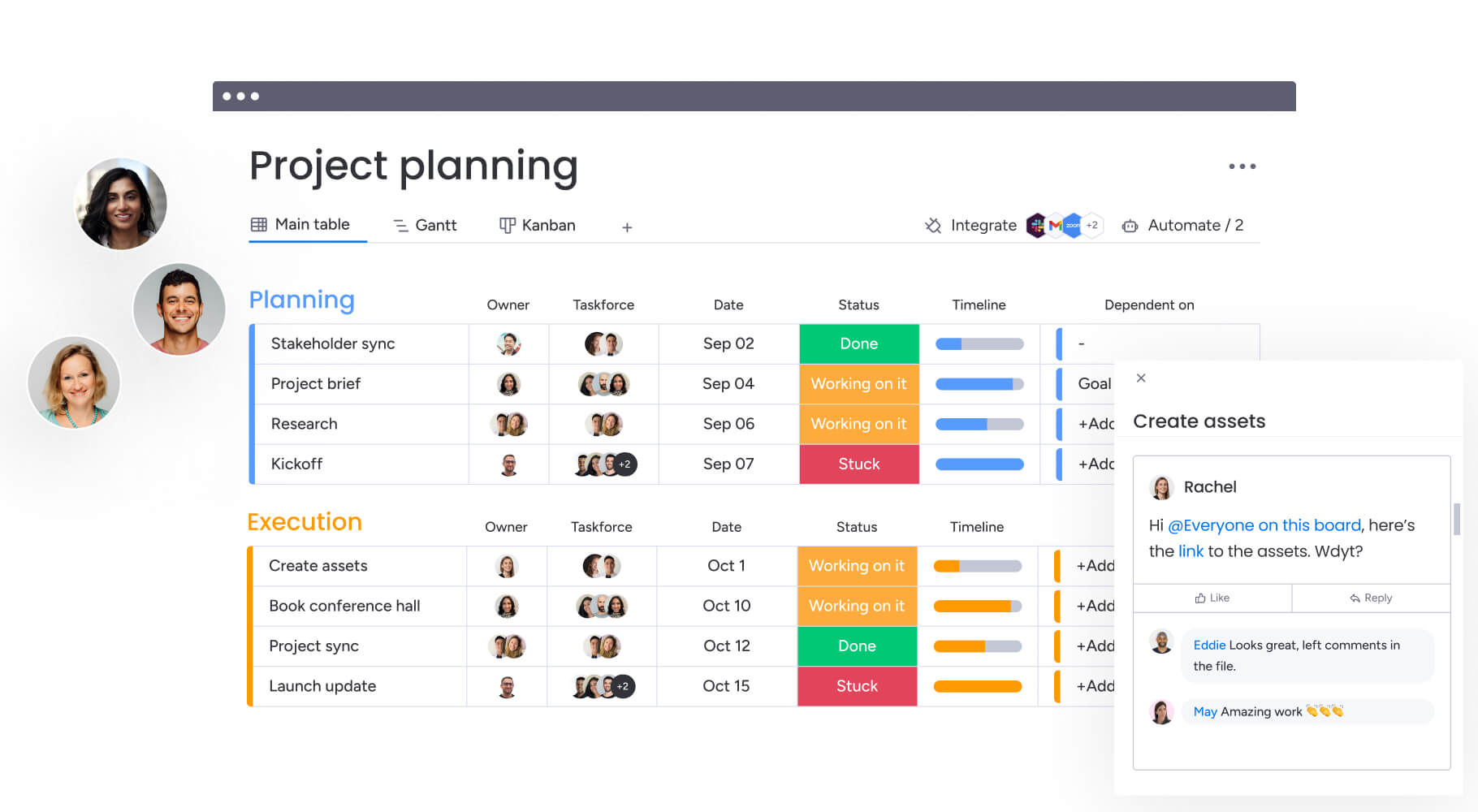
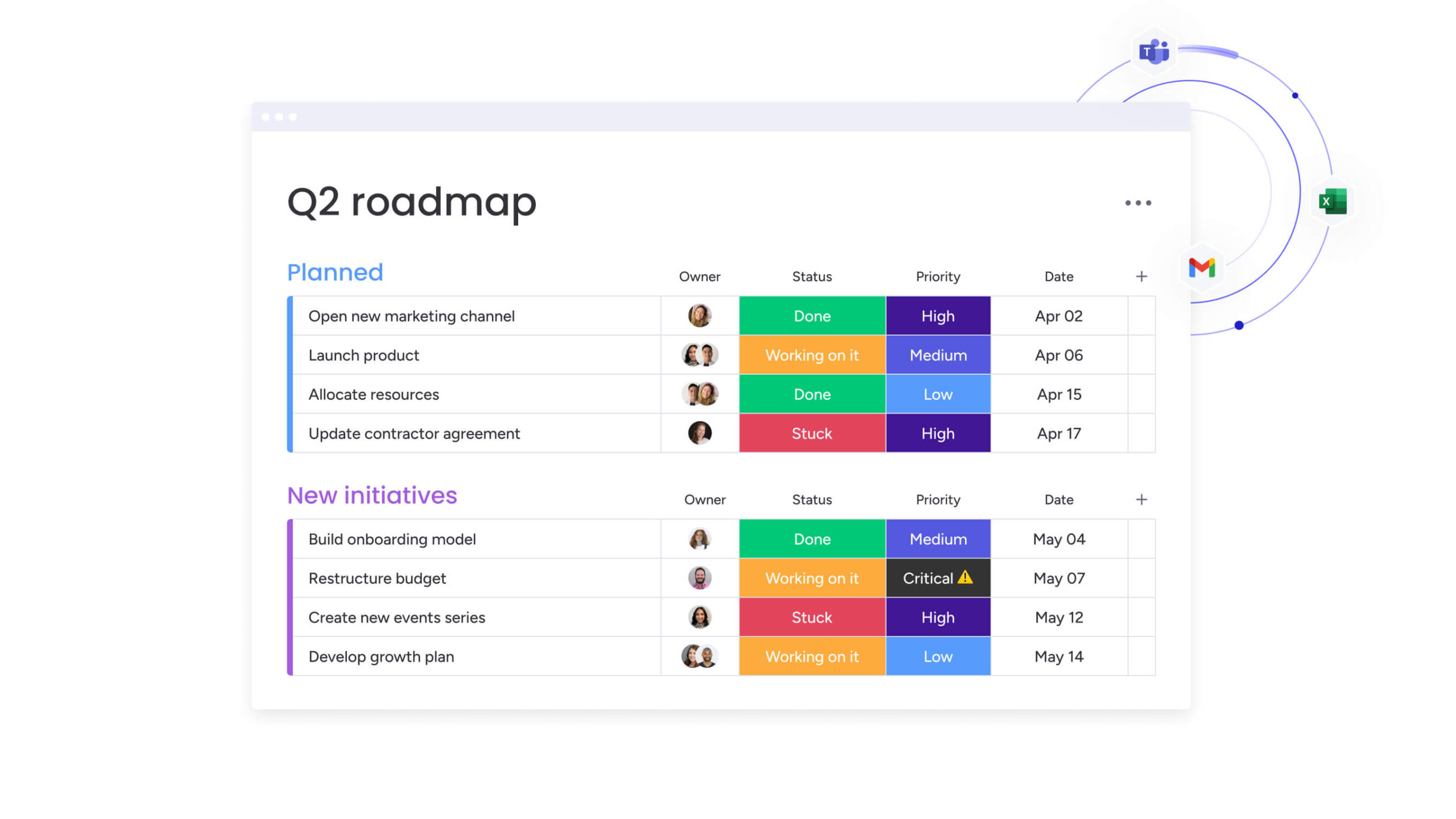
Customizable boards give teams a clear structure for mapping timelines, assigning responsibilities, and monitoring milestones. Views such as Gantt, Timeline, and Kanban provide multiple ways to understand progress, identify delays, and adjust plans before issues grow.
Coordinate change activities alongside project work
Change-focused tasks can sit directly within the same workflow. Communication schedules, training activities, readiness checks, and feedback collection can be organized and updated in one location. This keeps teams aligned on what is happening, when it is happening, and who needs support.
Keep information flowing automatically
Automations help teams stay up to date without extra effort. Stakeholders can be notified when milestones shift, when training is assigned, or when feedback requires attention. This ensures nothing is missed as the project and change process move forward.
See technical progress and adoption in one view
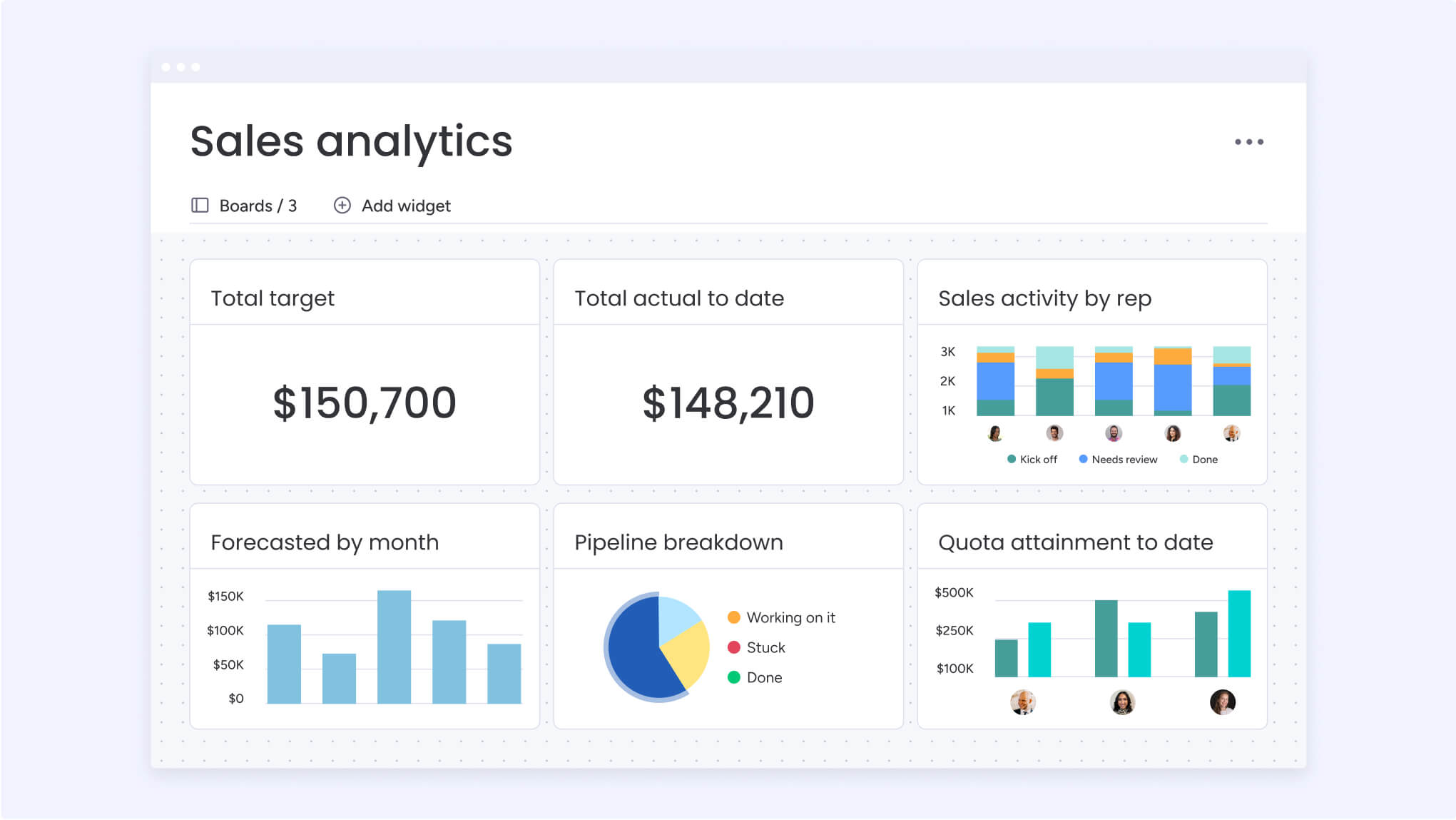
Dashboards bring together project metrics, change indicators, and team feedback for a single, high-level perspective. Leaders can track progress on both fronts, evaluate readiness, and make informed decisions throughout the transition.
Frequently asked questions
Is change management part of PMO?
Sometimes. In many organizations, project change management (changes within a project's scope) falls under the Project Management Office (PMO). However, broader organizational change management might be handled by HR or a dedicated change management team. The structure often depends on the company's size and the scale of the change.
What is another word for change management?
Change management is sometimes called implementation management, change enablement, or adoption management. While the terms may vary, they all refer to the process of helping people adapt to new ways of working.
What are the three types of change management?
The three main types of organizational change are:
- Developmental: Improving on existing processes, skills, and methods.
- Transitional: Replacing an old process or system with a completely new one.
- Transformational: Fundamentally altering the company's culture, strategy, and operations, where the future state is not fully known at the start.
Can a project manager also be a change manager?
Yes, especially in smaller organizations or on smaller projects, a project manager may take on change management responsibilities. However, for large-scale projects, it's often more effective to have dedicated roles, as the skill sets are different. A project manager's strength is in process, while a change manager's is in people and communication.
What are the key skills for a change manager vs. a project manager?
A change manager excels in communication, empathy, and coaching to guide people through transitions. A project manager needs strong organizational, planning, and resource management skills to keep the project on track. Both need excellent leadership and stakeholder management abilities.
How do you measure the success of change management vs. project management?
Project management success is typically measured with quantitative metrics like on-time delivery, budget adherence, and scope completion. Change management success is measured by user adoption rates, employee proficiency with new systems, satisfaction surveys, and a reduction in resistance or support tickets.
What comes first, change management or project management?
Ideally, they start together. Change management activities should be integrated into the project plan from the very beginning. As soon as a project is initiated, change management planning should begin to assess stakeholder impact and develop a communication strategy. They should run in parallel throughout the project lifecycle.
 Get started