

Projects often fail because stakeholders aren’t building the same thing in their heads. Marketing expects an integrated CRM, while IT delivers a siloed database. This disconnect isn’t due to poor effort, but because requirements were never clearly aligned from the start.
That is exactly where a business requirements document (BRD) helps. It turns assumptions into decisions and provides one shared definition of success before any technical work begins.
The following sections explore how 2026 requirements must shift from static documentation to predictive intelligence. By establishing firm baselines and leveraging automated insights, you can transform the BRD into a strategic advantage that drives business value and eliminates manual documentation.
Key takeaways
- Create alignment before building anything: A well-structured BRD prevents costly misalignments by getting all departments to agree on project goals and scope before technical work begins.
- Transform static documents into dynamic workflows: The modern platform, like monday work management, turns requirements into collaborative workspaces with real-time tracking, automated approvals, and AI-powered risk detection for faster project delivery.
- Include ten essential components for complete coverage: Every BRD needs an executive summary, business goals, project scope, detailed requirements, stakeholder mapping, success metrics, timeline, risk analysis, budget, and compliance requirements.
- Distinguish between business, functional, and technical requirements: Business requirements define what and why, functional requirements explain user behaviors, and technical specs detail system implementation, each serves different audiences and project phases.
- Follow a systematic 6-step writing process: Conduct stakeholder discovery, define SMART objectives, map current and future states, document requirements with acceptance criteria, validate through reviews, and implement formal approval workflows.
What is a business requirements document?
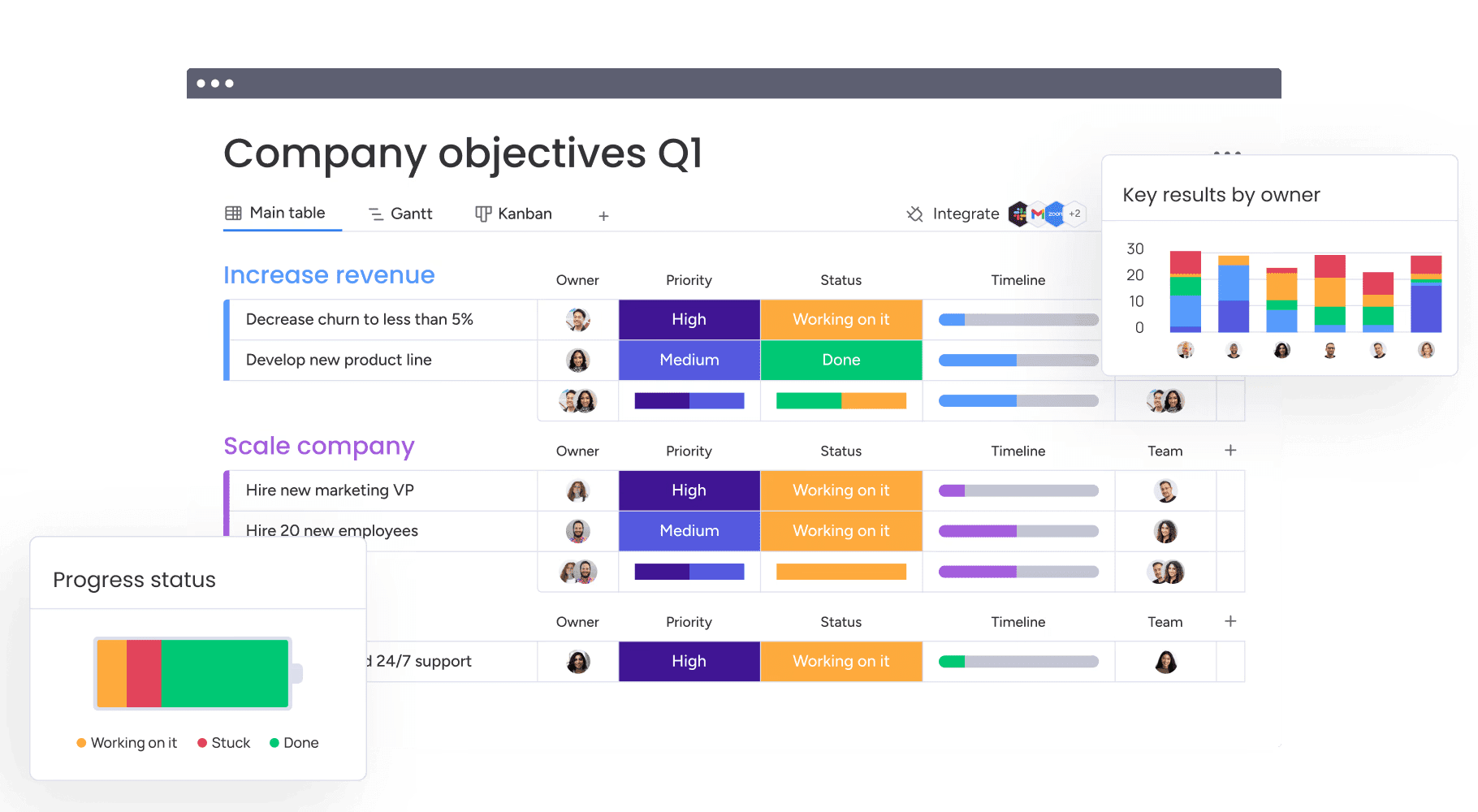
A business requirements document (BRD) defines what a business needs from a project or system to hit its goals. It documents stakeholder needs, project scope, success criteria, and constraints, giving teams a clear roadmap for delivery.
A BRD acts as the contract between business stakeholders and delivery teams, ensuring everyone understands the “what” and “why” before technical implementation begins. Unlike casual project briefs, a BRD gives you a foundation for making decisions, allocating resources, and measuring success.
Understanding BRD purpose in project success
When marketing expects a fully integrated CRM but IT builds a standalone database, it’s because nobody documented the requirements. A well-structured BRD prevents these costly misalignments by establishing boundaries and expectations from the start, critical given that only 8.5% of megaprojects meet cost and schedule targets.
The BRD becomes the document every department references when questions come up about project direction. finance, operations, HR, and IT all work from the same document, enabling a unified approach that protects timelines and budgets.
Core elements that define effective BRDs
To be effective, a BRD must contain a few non-negotiable elements. These components work together to create a comprehensive guide that connects business goals to project execution.
- Business objectives: Connect the project to strategic goals and organizational priorities.
- Stakeholder needs: Document specific requirements from those who will use or be affected by the solution.
- Success criteria: Define metrics to evaluate outcomes and determine project completion.
- Constraints: Identify budgetary, timeline, and regulatory boundaries for the team.
How BRDs differ from technical documentation?
A BRD speaks directly to stakeholders and executives, clearly focusing on the problem that needs solving and the outcome everyone wants to achieve. Technical documentation, on the other hand, explains how that outcome will be delivered, covering things like system architecture, code details, and database structures.
Keeping this difference clear helps teams work more smoothly and avoid unnecessary confusion during execution.
By using a central work management platform, organizations can easily organize their requirements and steadily track how they move from business ideas into real technical solutions, while making sure the right people always see the right information.
A BRD acts as the contract between business stakeholders and delivery teams, ensuring everyone understands the “what” and “why” before technical implementation begins. Unlike casual project briefs, a BRD gives you a foundation for making decisions, allocating resources, and measuring success.
8 critical benefits of business requirements documents
Creating a comprehensive BRD requires upfront investment, but the return in project efficiency and measurable outcomes makes it worthwhile. Organizations that prioritize thorough requirements documentation before launching major projects consistently see better results.
Successful organizations invest in structured requirements documentation for these reasons:
- Preventing scope creep and project overruns: Documented requirements set a baseline for project scope. New requests get evaluated against the original agreement to determine if they require formal change orders — essential protection given that average cost overruns reach about 80% across major projects.
- Aligning cross-functional teams on objectives: A BRD forces marketing, IT, operations, and finance to agree on shared goals before work begins, which helps break down siloed priorities.
- Creating accountability and ownership: The BRD assigns specific responsibilities for every requirement. Stakeholders know who owns each deliverable and who makes the decisions.
- Enabling data-driven resource planning: Detailed requirements allow project managers to estimate time, budget, and personnel needs accurately rather than guessing at capacity through effective resource planning.
- Mitigating operational and strategic risks: The requirement gathering process uncovers potential pitfalls early when they’re cheapest to fix.
- Securing stakeholder buy-in and confidence: A thorough BRD shows executives and investors the project is well-planned and viable, speeding up budget approvals.
- Enhancing quality assurance and testing: Acceptance criteria within a BRD provide the roadmap for quality assurance teams to validate outputs against business needs — particularly important as less than one in five organizations track well-defined KPIs for their solutions, despite KPI tracking being most correlated with realizing impact.
- Ensuring regulatory and compliance readiness: For industries like finance and healthcare, the BRD creates an audit trail showing you identified compliance controls from day one.
10 essential components every BRD template must include
While organizations adapt formats to fit their culture, skipping critical components creates real risk. These essential elements ensure you cover everything and set your project up for success. Each of them plays a specific role in keeping teams aligned and preventing project failure.
| Component | Purpose | Key question answered |
|---|---|---|
| Executive summary | High-level overview for leadership | What is this project about? |
| Business goals | Strategic alignment | Why are you doing this? |
| Project scope | Boundaries and exclusions | What's included and excluded? |
| Detailed requirements | Functional and non-functional needs | What must the solution do? |
| Stakeholder mapping | Roles and responsibilities | Who decides and contributes? |
| Success metrics | Acceptance criteria | How do you know you're done? |
| Timeline | Milestones and dependencies | When will things happen? |
| Risk analysis | Threats and mitigation | What could go wrong? |
| Budget | Cost-benefit analysis | What will it cost and return? |
| Compliance requirements | Regulatory adherence | What rules must you follow? |
Key component details for effective documentation
Each component does real work in your BRD — it’s not just filler. When you understand what each piece actually accomplishes, you create a document that eliminates guesswork and keeps everyone moving in the same direction.
- Executive summary: Allows leaders to grasp the project’s essence quickly.
- Business goals: Connect the project to organizational strategy with measurable targets.
- Project scope: Explicitly lists out-of-scope items to prevent feature creep.
- Detailed requirements: Break down into functional (what the system does) and non-functional (how it performs) categories.
- Stakeholder mapping: Identifies affected parties and defines roles using frameworks like RACI.
- Success metrics: Establish exact conditions for completion, including quantitative KPIs and qualitative targets.
Business requirements vs functional requirements vs technical specs
Understanding the difference between document types prevents communication breakdowns. Each one serves a different purpose and audience throughout the project. The table below shows when to use each document type:
| Document type | Focus | Audience | Key questions | Example |
|---|---|---|---|---|
| Business requirements (BRD) | What and why | Business stakeholders, executives | What business problem needs solving? | "Reduce customer service response time by 50%" |
| Functional requirements (FRD) | How (user perspective) | Product managers, UX designers | How should the solution behave? | "System sends automated email within 2 minutes" |
| Technical requirements (TRD) | How (system perspective) | Developers, architects | How will it be built? | "Use REST API with 99.9% uptime SLA" |
When to use business requirements documents
Strategic planning begins with the business requirements document (BRD). These documents belong in the earliest project phases, where they drive strategic initiatives, secure funding, and align stakeholders. Teams utilize BRDs to secure formal approval and ensure the proposed solution directly solves the core business problem before any detailed planning begins.
Understanding functional requirements documents
Once the business need is defined, functional requirements translate those high-level goals into specific system behaviors. They serve as the bridge between business strategy and technical execution by describing the exact inputs, outputs, and processes users will experience.
Technical requirements documentation purpose
Following the functional design, technical requirements documentation provides the guide for actual implementation work. Written by and for engineering teams, these specs detail the software architecture, database design, and integration protocols required to deliver on the functional requirements.
Choosing the right document framework
Ultimately, the complexity of the project dictates the structure. Simple internal projects may combine these elements into a single document, while complex enterprise initiatives require distinct documents for different approval layers. The choice depends entirely on the project phase, the target audience, and the overall technical complexity.
How to write a business requirements document in 6 steps
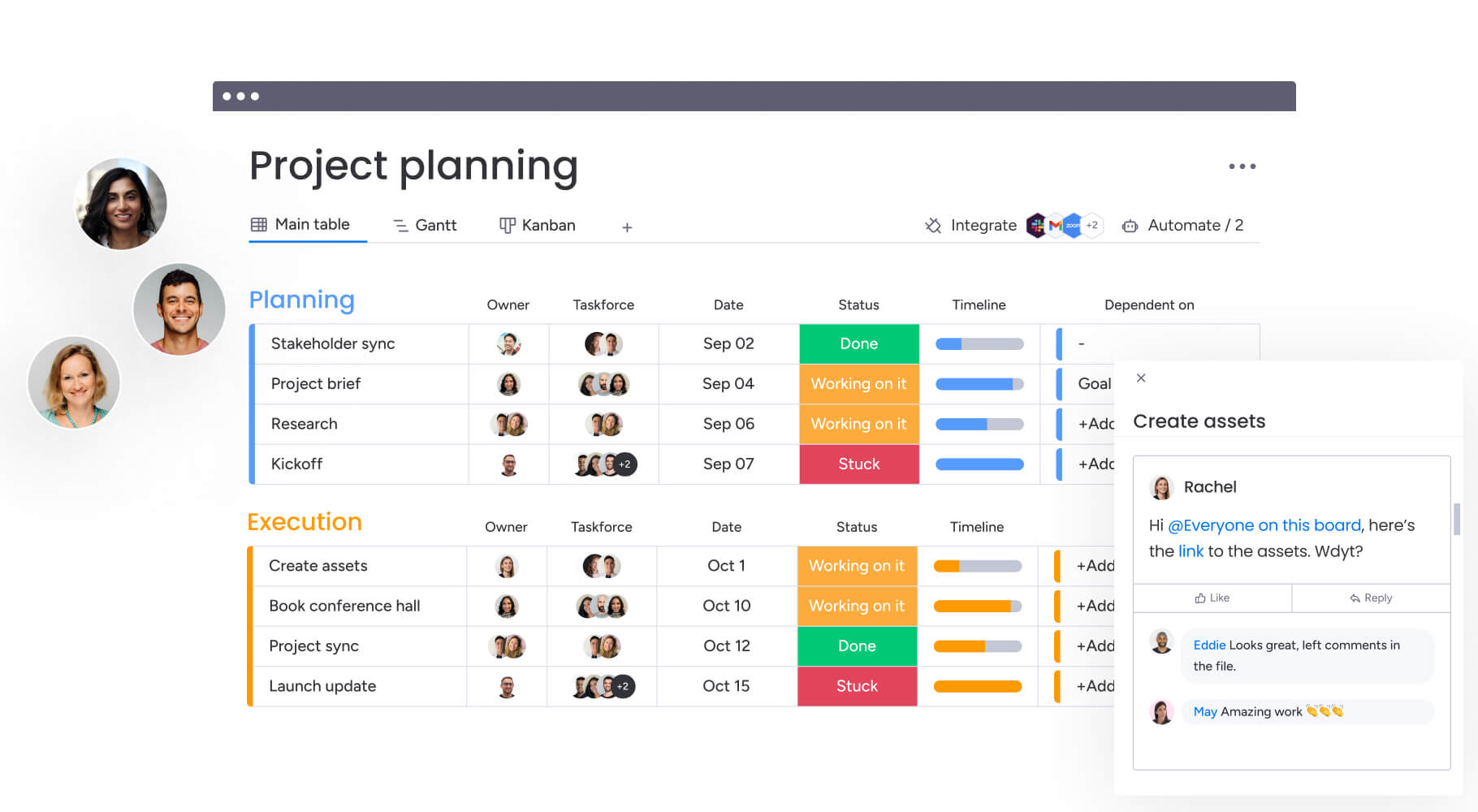
Writing a BRD follows a clear process that reduces the risk of missing critical requirements. This structured approach ensures you cover everything and keep stakeholders aligned. Following these steps sets your project up for success.
Step 1: conduct stakeholder discovery sessions
Start by identifying all relevant stakeholders and running structured interviews. Effective discovery digs beneath surface requests to uncover root business needs. Document conflicting priorities by recording the conversations.
Using a collaborative work management platform, teams can capture interview notes in shared documents and immediately connect them to requirement items, tracking everything from the start.
Step 2: define SMART business objectives
Transform vague goals into specific targets. “Improve efficiency” becomes “Reduce invoice processing time from four days to four hours by Q3.” This precision gives delivery teams concrete targets.
Step 3: map current state and future vision
Document existing processes to highlight inefficiencies and gaps. The future state vision shows the desired outcome, helping teams identify exactly what needs to change.
Step 4: document requirements with acceptance criteria
Next, write requirements unambiguously. Each requirement includes acceptance criteria that define how it’ll be tested and validated, preventing subjective interpretations during quality assurance.
Step 5: validate requirements through stakeholder review
Draft documents go through rigorous review cycles. Stakeholders validate you’ve captured their needs accurately. Conflicts between departments get resolved before the document moves to approval.
Step 6: implement formal approval workflows
Sign-off represents commitment, not formality. Formal approval workflows ensure decision-makers explicitly agree to scope and requirements, setting a baseline for change control.
The right platform can automate approval notifications and reminders, ensuring nothing gets missed while keeping an audit trail of all decisions.
Using a collaborative work management platform, teams can capture interview notes in shared documents and immediately connect them to requirement items, tracking everything from the start.
Business requirements document templates and examples
Starting with proven templates speeds up documentation while ensuring solid structure. Different industries and project types need specific adaptations based on regulatory requirements and operational needs. Templates provide consistency across projects while allowing customization.
These templates help teams avoid missing critical sections and make sure all stakeholders understand the document structure:
- Standard BRD template for cross-industry use: Provides balanced structure covering strategy, scope, and execution without excessive technical detail.
- Software development BRD example: Emphasizes user experience standards, system integration points, and data migration needs specific to technology projects.
- Healthcare compliance BRD template: Includes dedicated sections for HIPAA compliance, patient data privacy, and audit trail specifications.
- Financial services requirements template: Adapted for risk management and reporting, emphasizing SOX compliance, data security, and fraud detection capabilities.
- E-commerce platform BRD sample: Focuses on customer journey, payment gateway integration, inventory management, and mobile responsiveness.
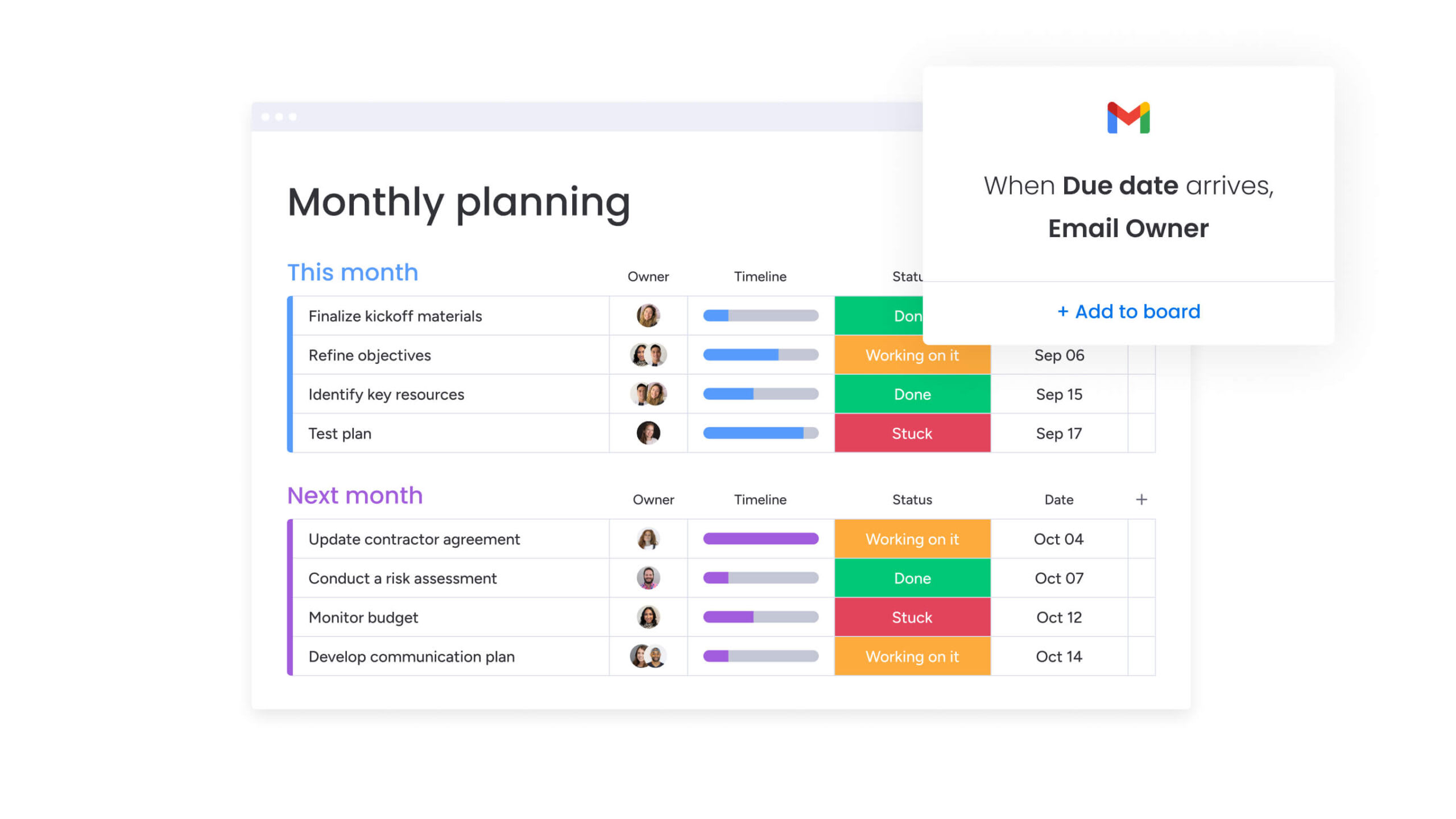
4 types of business requirements to capture
Complete BRDs capture four distinct requirement categories. Each requires different documentation and validation approaches to cover the complete solution. Understanding these categories helps teams organize requirements in a clear system.
1. Functional requirements for business processes
These describe what the business needs the solution to do, focusing on operations and workflows:
- Operational needs: “System must generate monthly financial reports by the 5th business day”.
- Process requirements: “Platform must process customer orders within 24 hours”.
- User interactions: “Interface must support bulk data uploads”.
2. Non-functional performance requirements
These define quality attributes of the system:
- Performance standards: “Support 1,000 concurrent users with instant response times”.
- Reliability metrics: “Uptime must exceed 99.9%”.
- Accessibility requirements: “Interface must comply with WCAG 2.1 standards”.
3. Technical integration requirements
These detail necessary system connections without dictating code:
- Data exchange: “Must integrate with existing ERP via API”.
- Authentication: “Must support Single Sign-On (SSO)”.
- Compatibility: “Must work with legacy database formats”.
4. Operational and maintenance requirements
These cover long-term sustainability:
- Support needs: Training materials and help desk requirements.
- Maintenance schedules: System update and backup procedures.
- Business continuity: Disaster recovery and failover plans.
Using AI to transform requirements management
AI enhances human judgment in requirements management by handling data analysis and pattern recognition, freeing business analysts to focus on strategy and stakeholder relationships. Modern AI capabilities change how teams discover, analyze, and manage requirements throughout the project.
AI-powered requirements discovery and analysis
AI analyzes stakeholder interview transcripts, legacy documentation, and industry benchmarks to suggest requirements teams might overlook. It recognizes patterns in large datasets to identify implicit needs stakeholders don’t articulate.
For example, AI assistants can extract key information from meeting notes, categorize requirements by priority, and summarize complex documents into actionable next steps.
Automated risk detection across requirements
Algorithms analyze relationships between requirements to identify dependencies and conflicts. AI flags when a requirement in one section conflicts with a constraint in another, preventing costly rework.
Intelligent prioritization and resource allocation
AI models rank requirements based on estimated business impact, implementation complexity, and available resources. This data-backed prioritization ensures highest-value features get built first.
Predictive impact assessment for changes
When scope changes occur, AI models the downstream effects on timeline, budget, and other requirements. Stakeholders can make smart decisions based on accurate impact data.
Best practices for managing BRDs in distributed teams
Traditional document-based approaches break down when teams operate across time zones and borders. These practices tackle the unique challenges of distributed collaboration. Effective distributed requirements management needs deliberate processes and the right technology.
Building collaborative requirements workflows
Effective teams use platforms that enable asynchronous collaboration. Structured review cycles allow stakeholders to review and comment on their own schedule, keeping projects moving without requiring simultaneous meetings.
Real-time version control and change tracking
Cloud-based requirements management platforms track every edit, comment, and status change in real time. Everyone works from the most current version, eliminating confusion about which document is the right one.
Stakeholder engagement across time zones
Inclusive participation needs strategies beyond live meetings. Asynchronous video walkthroughs and annotated documents allow stakeholders in different regions to provide detailed feedback without late-night conference calls.
Digital approval processes that scale
Automated approval workflows prevent bottlenecks. Digital systems route approvals to the right person and trigger reminders, keeping the sign-off process fluid without waiting for physical signatures or email replies.
The right platform provides these collaboration features specifically designed for global teams, with integrations to Microsoft Teams, Slack, and other communication platforms.
Improve your BRD process with monday work management

Moving beyond static documents and email chains allows teams to create fluid, transparent workflows. monday work management transforms the BRD into a collaborative workspace where requirements become real work. This shift from static documentation to live requirement tracking changes how teams manage project scope and delivery.
From static documents to dynamic requirements tracking
Requirements exist as individual items with assigned owners, real-time status updates, and validation tracking through requirements management software. This gives you immediate visibility into which requirements are drafted, under review, or approved.
Visual workflows that connect requirements to delivery
Gantt charts and timeline views visualize dependencies, helping teams understand how delays in one requirement impact the critical path and resource allocation. Dashboard views aggregate data, giving executives a high-level view of requirement progress across the portfolio.
AI-enhanced risk management for complex projects
Portfolio Risk Insights automatically scan requirement boards to identify potential risks, bottlenecks, and resource conflicts. AI-powered categorization organizes requirements by priority or business impact, while automated alerts notify stakeholders when requirements fall behind schedule.
Automated stakeholder updates and approvals
Automation recipes handle the administrative burden of requirements management. The system triggers notifications when requirements need review, sends status updates to stakeholders, and routes approvals through proper channels automatically.
| Traditional approach | monday work management approach | Business impact |
|---|---|---|
| Static Word documents | Dynamic, collaborative boards | Real-time visibility and instant updates |
| Email-based reviews | Structured approval workflows | Faster decision-making and audit trails |
| Manual status tracking | Automated progress monitoring | Reduced administrative overhead |
| Siloed management | Cross-project portfolio views | Improved resource allocation and alignment |
| Reactive risk identification | AI-powered proactive alerts | Earlier problem resolution and less rework |

“monday.com has been a life-changer. It gives us transparency, accountability, and a centralized place to manage projects across the globe".
Kendra Seier | Project Manager
“monday.com is the link that holds our business together — connecting our support office and stores with the visibility to move fast, stay consistent, and understand the impact on revenue.”
Duncan McHugh | Chief Operations OfficerTurning requirements into project results
Effective business requirements documentation transforms project outcomes by fostering deep alignment, accountability, and clarity among all stakeholders. Organizations that invest in a structured BRD process consistently experience fewer scope changes, faster approval cycles, and significantly higher success rates.
The shift from static, isolated documents to dynamic requirements management represents the future of high-velocity project delivery. By adopting this modern approach, teams gain the real-time visibility, automated workflows, and AI-powered insights necessary to neutralize issues before they impact timelines or budgets.
Now is the time to start building requirements that bridge the gap between high-level strategy and daily execution. Use monday work management to provide the collaborative workspace where abstract requirements become actionable work, ensuring that every project delivers the precise business value your stakeholders expect.
Frequently asked questions
What is the difference between a BRD and an FRD?
The difference between a BRD and an FRD is that a business requirements document (BRD) focuses on what the business needs and why, while a functional requirements document (FRD) details how the solution should behave from a user perspective.
What should a business requirements document contain?
A business requirements document should contain an executive summary, business objectives, project scope, detailed requirements, stakeholder responsibilities, success metrics, timeline, risk analysis, budget information, and compliance requirements.
What is an example of a business requirement?
A business requirement example would be "reduce customer service response time from 24 hours to two hours to improve customer satisfaction scores," which defines the need, includes measurable criteria, and explains business value.
What are the 4 types of business requirements?
The four types of business requirements are functional requirements (what the solution must do), non-functional requirements (performance and quality standards), technical integration requirements (system connectivity needs), and operational requirements (ongoing support and maintenance needs).
How is a business analyst requirement document written?
A business analyst writes requirements documents by conducting stakeholder interviews, analyzing current processes, defining objectives with acceptance criteria, and validating requirements through structured review cycles.
Who owns the business requirements document?
The business requirements document is typically owned by a business analyst, project manager, or product owner who serves as the liaison between business stakeholders and delivery teams.

 Get started