


Retail marketing heads managing 50-100+ person teams face a reality that spreadsheets and status meetings can’t solve. Coordinating campaigns across regions, balancing creative and acquisition teams, and proving ROI to leadership requires more than good intentions. When work spans multiple channels, departments, and timelines, the gap between strategy and execution becomes the difference between hitting targets and missing opportunities.
Top retail marketers have ditched their spreadsheet chaos for a single platform where they can actually see their team’s bandwidth, track campaign milestones, and connect daily work to big-picture goals. This frees up hours previously spent in status meetings or hunting through email chains. With everything in one place, you can shift resources where they’re needed, spot potential delays before they derail campaigns, and show your C-suite exactly how marketing drives business results.
Let’s look at what actually sets high-performing retail marketing teams apart from those still drowning in disconnected tools and missed deadlines. We’ll explore the essential capabilities that define the best resource management software for retail marketing operations, and examine real-world results from organizations like Officeworks and FARFETCH.
Key takeaways
Managing marketing resources across 50-100+ person teams requires more than spreadsheets and status meetings. Retail marketing heads face unique challenges: coordinating campaigns across regions, balancing creative and acquisition teams, and proving ROI to leadership — all while maintaining brand consistency and meeting aggressive timelines.
The most successful retail marketing organizations have moved beyond disconnected tools to unified resource management platforms that provide real-time visibility, automated workflows, and strategic alignment. Here’s what sets the leaders apart from those still struggling with fragmented execution:
- Centralized visibility: see workload capacity, campaign progress, and team priorities in one place.
- Operational efficiency: standardize processes with templates and automation that eliminate manual coordination.
- Strategic alignment: connect marketing activities to company OKRs and track ROI in real time.
- Cross-functional collaboration: break down silos between creative, content, acquisition, and operations teams.
- Proactive capacity planning: identify resource bottlenecks before they delay campaigns.
- Data-driven decisions: track campaign ROI, CAC, and team productivity metrics that matter to executives.
Results that speak for themselves
Officeworks: transformed their operations completely with monday.com.
- Replaced 635+ working spreadsheets.
- Eliminated 10,000+ emails: through centralized marketing operations
FARFETCH: achieved remarkable results coordinating marketing campaigns across 400 people from 40 different teams:
- 6x ROI: on their platform investment.
- $118K monthly savings: in operational costs.
- Switched to one centralized platform: for their growing global organization.
Genpact: their global marketing department experienced transformative improvements:
- 40% improvement: in cross-team collaboration.
- Complete elimination: of spreadsheets from their workflow.
- End-to-end transformation: of campaign planning and execution.
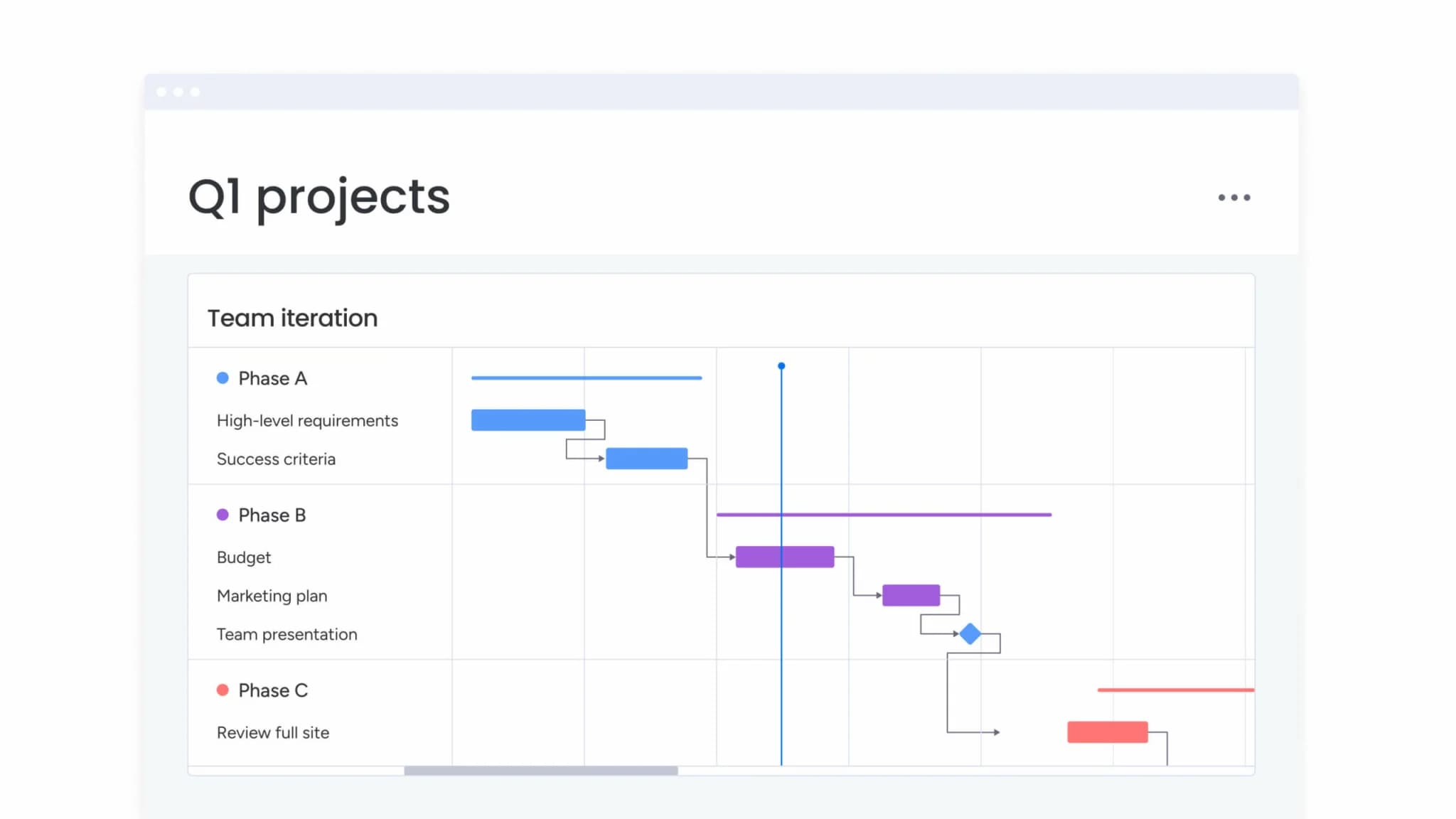
What makes heads of marketing choose monday.com for retail marketing resource management?
Heads of marketing in retail face a fundamental challenge: managing large-scale marketing operations across disconnected teams, channels, and regions while maintaining alignment with company-level OKRs. monday.com solves this by providing centralized visibility and operational efficiency for teams of 50-100+ people executing multi-channel strategies.
For retail marketing leaders managing teams across content, creative, acquisition, events, and operations, monday.com eliminates the silos that scatter marketing impact.
The platform connects campaign planning, execution, and performance tracking in one workspace, creating real-time visibility into team priorities, workload capacity, and campaign ROI.
Core pain points addressed:
- Disconnected execution: across multiple teams and channels.
- Inefficient processes: that waste time and resources.
- Poor resource utilization: leading to bottlenecks and delays.
The intelligent solution also delivers what retail marketing heads need most: driving growth and brand awareness through multi-channel strategies while ensuring effective use of budget and team resources.
Marketing leaders can track campaign ROI, CAC, MQL-to-Customer rates, budget adherence, team productivity, and time-to-launch metrics from unified dashboards that provide data-driven insights for executive reporting.
Proven results speak for themselves:
- VML: 7,000 hours saved per account monthly with 2x faster delivery.
- Canva: 3x increase in creative output.
- These results demonstrate why the platform has become the choice for marketing leaders who need to deliver initiatives on time with well-defined priorities across large-scale teams.
Resource management capabilities
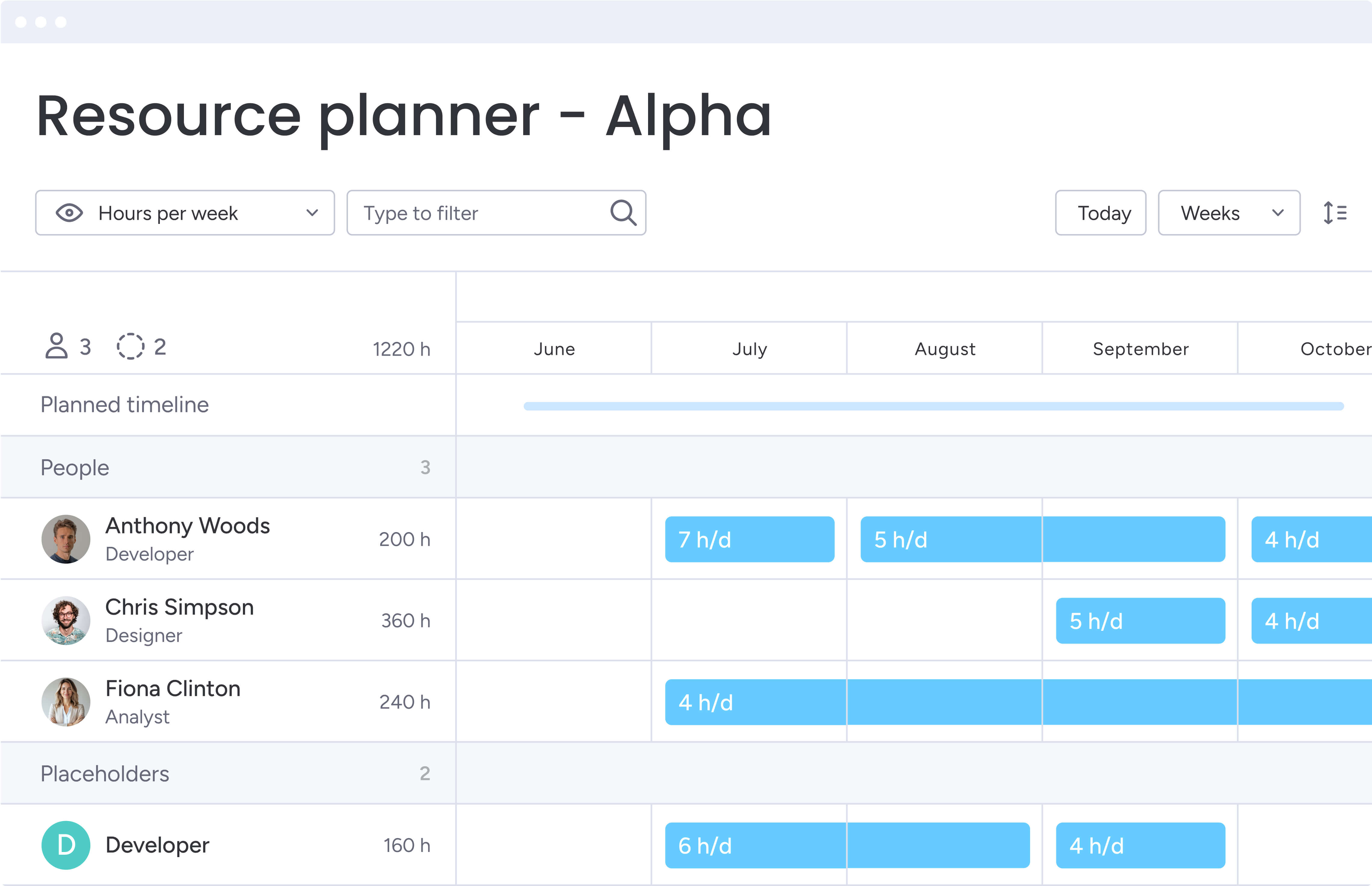
Resource management software in monday.com provides retail marketing heads with real-time visibility into workload capacity across entire teams. The platform transforms how marketing leaders allocate resources, prevent bottlenecks, and optimize team performance through visual, intuitive tools designed for complex marketing operations.
Workload View features:
- Visual capacity display: see each team member’s scheduled hours, available capacity, and task assignments.
- Drag-and-drop reallocation: redistribute work between team members instantly.
- Color-coded warnings: identify over-allocation, under-utilization, or perfect balance at a glance.
- Flexible time views: plan by day, week, or month for both short-term campaigns and long-term strategic initiatives.
For heads of marketing managing large teams across content, creative, acquisition, events, and operations, this visibility transforms resource planning. Instead of discovering bottlenecks when campaigns are already delayed, you can proactively identify capacity constraints during planning phases. The platform automatically calculates total allocated hours versus available capacity, flagging over-allocation with color-coded warnings.
Real-world impact at Officeworks:
- Balanced workloads: across retail marketing operations.
- Performance metrics: help managers avoid burnout across stores and departments.
- Visual calendar: displays upcoming launches for better resource allocation.
- Forward planning capabilities: address resource utilization challenges during peak seasonal periods.
Campaign management excellence
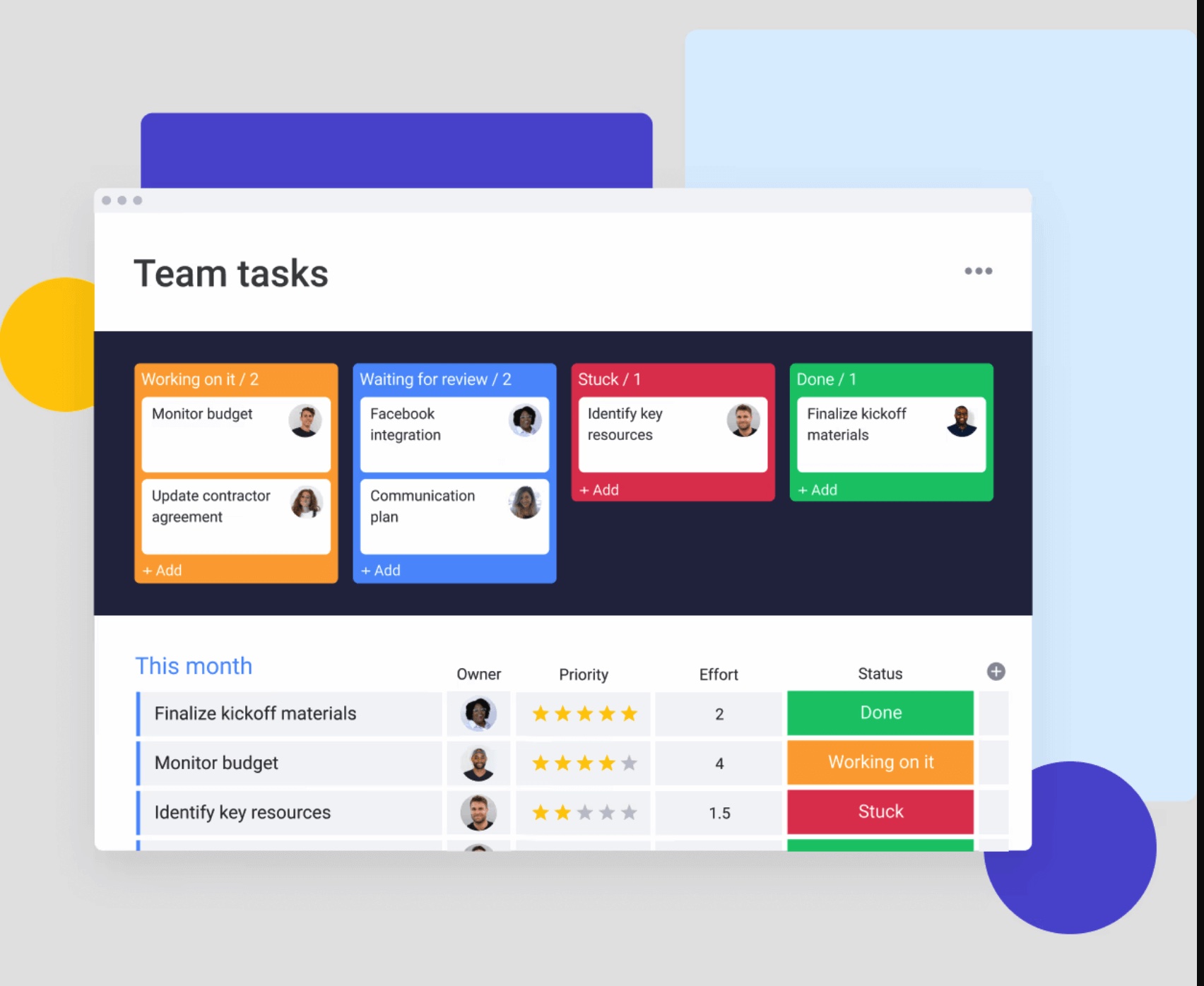
Campaign management in monday.com enables retail marketing leaders to plan, launch, and optimize integrated campaigns with complete visibility from brief to delivery.
The easy-to-use platform provides comprehensive tools that ensure every detail is tracked and managed when coordinating campaigns across multiple channels, regions, and teams.
Unified campaign boards connect strategy to execution:
- High-level campaign goals: linked to specific tasks, deadlines, and team assignments.
- Single source of truth: where creative briefs, asset approvals, channel-specific tactics, and performance metrics live together.
- Calendar views and timeline tracking: provide complete visibility across all campaign elements.
- Performance insights: enable real-time optimization and strategic adjustments.
If you’re juggling campaigns across social, email, in-store, and digital ads, these features ensure nothing falls through the cracks. With 71% of consumers expecting personalized interactions and 76% becoming frustrated when they don’t happen, coordinated campaign management becomes essential for meeting customer expectations.
FARFETCH’s global success:
- 400 people from 40 different teams: coordinated seamlessly.
- Master content calendar: houses all key dates and milestones.
- Automated notifications and dependencies: ensure everyone knows what they need to produce and when.
- Common workflows: help teams work together more effectively across global operations.
Dashboards and reporting insights
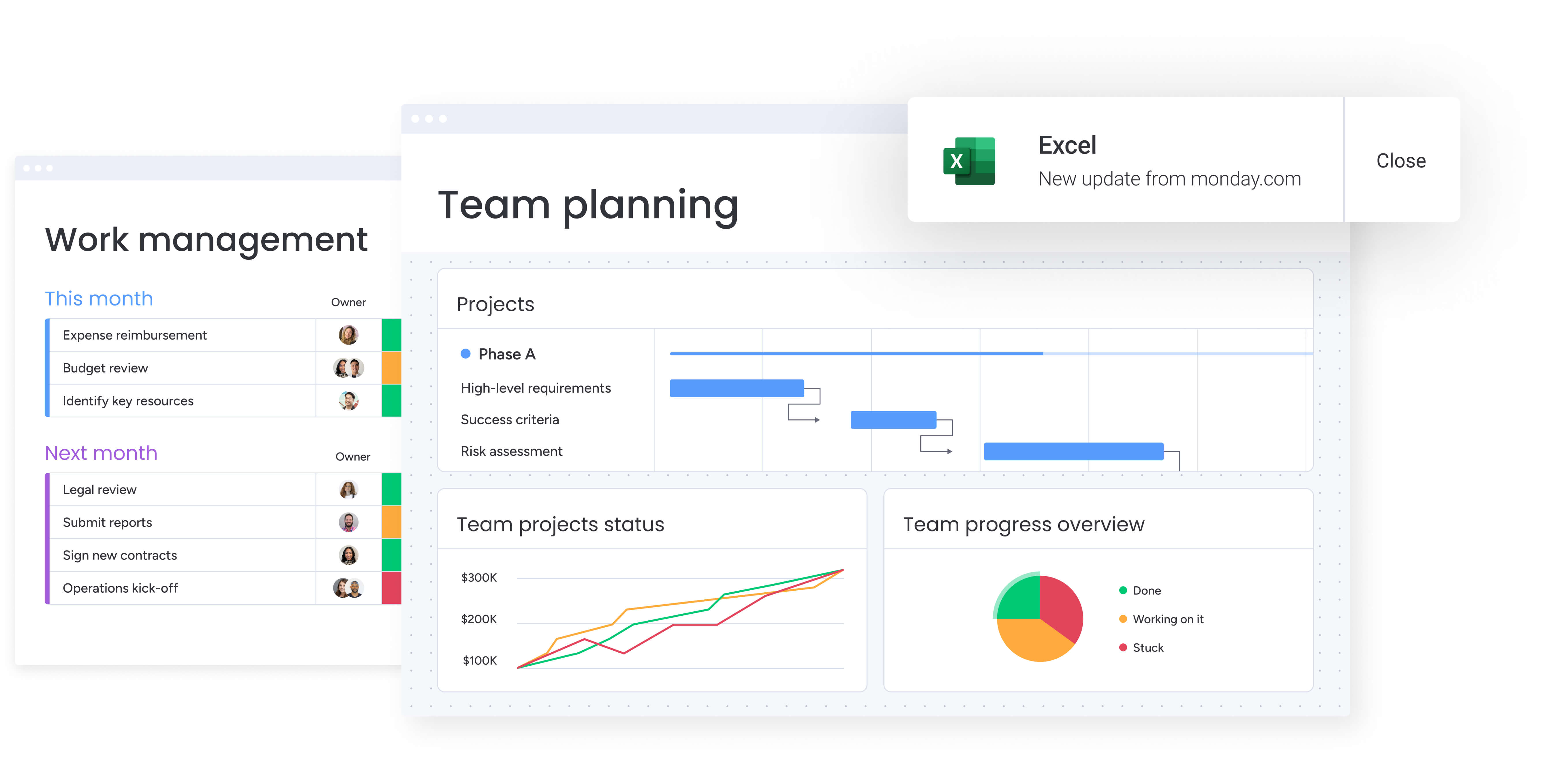
Custom dashboards give you instant answers to your most pressing questions: which campaigns are driving sales? Where are we overspending? Is my team at capacity? Are we actually moving the needle on company goals? Your dashboards automatically translate raw data into visuals that tell the story of your marketing impact, keeping reports ready for leadership meetings at all times.
Pre-built dashboard widgets include:
- Campaign performance metrics: for ROI tracking.
- Resource utilization indicators: for capacity planning.
- Budget tracking tools: for financial oversight.
- Timeline adherence monitoring: for delivery assurance.
Marketing leaders can also create custom dashboards that surface specific KPIs most relevant to their retail marketing organization and executive stakeholders. This transforms scattered data into compelling visual narratives for leadership meetings.
Key dashboard capabilities for retail marketing:
- Executive-facing dashboards: show campaign ROI, CAC, MQL-to-Customer rates, and budget adherence.
- Operational dashboards: track team productivity, time-to-launch, and on-time delivery rates.
- Automatic updates: metrics refresh as work progresses, eliminating manual data collection.
- Drill-down capabilities: investigate specific issues without leaving the dashboard.
Genpact’s data-driven approach:
- Campaign timeline visibility: identifies bottlenecks before they impact delivery.
- Target dates vs. actual timeframes: tracked in separate columns.
- Trend analysis: enables proactive optimization rather than reactive firefighting.
- Real-time insights support strategic decision-making across global marketing operations.
Automation for operational efficiency
Automation capabilities eliminate repetitive manual tasks that drain retail marketing teams’ time and create opportunities for error. The platform offers 200+ pre-built automation recipes that trigger actions based on status changes, date arrivals, or custom conditions — no coding required.
Marketing heads can automate task assignments, status updates, notifications, deadline reminders, and cross-board connections to ensure work flows smoothly without constant manual intervention.
Common automation examples for retail marketing:
- Creative brief approval: automatically assign tasks to designers and set deadlines based on launch dates.
- Campaign launch: trigger performance tracking workflows and schedule post-campaign analysis.
- Asset review cycles: notify stakeholders when assets are ready for review.
- Resource allocation: reassign tasks when team members reach capacity limits.
For retail marketing heads managing standardized processes across large teams, automations ensure operational efficiency and consistency. This standardization eliminates duplicative processes and lack of ownership clarity that plague disconnected marketing organizations.
FARFETCH’s automation success:
- Complex digital and creative processes: streamlined through automation recipes.
- Campaign brief submissions: trigger automated notifications to specific team members.
- Request management: provides visibility into status and turnaround time.
- Workflow efficiency: enables teams to focus on strategic work rather than administrative tasks.
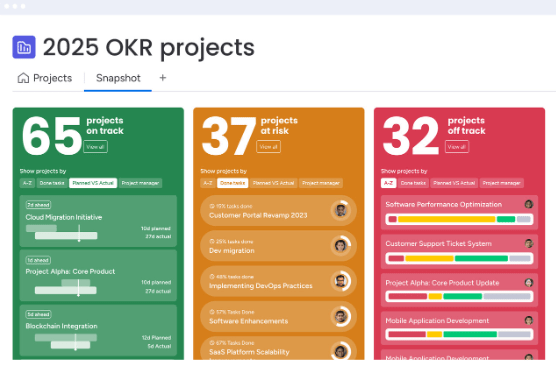
Goals and OKRs alignment
Goals and OKRs functionality enables retail marketing heads to align marketing strategy with company goals while tracking progress toward strategic objectives. The platform creates a direct connection between daily marketing activities and measurable business outcomes, ensuring every initiative contributes to organizational success.
Strategic alignment capabilities:
- Multi-level goal creation: company-level, department-level, and team-level goals.
- Campaign connection: link specific campaigns, projects, and tasks to strategic objectives.
- Automatic progress tracking: updates in real-time as connected work items are completed.
- Strategic visibility: real-time insights into alignment between activities and outcomes.
As the marketing leader accountable for growth numbers and brand metrics, you’ll finally close the gap between your big-picture strategy and what your team actually executes day-to-day.
Strategic alignment benefits:
- Transparency: shows which marketing activities drive strategic outcomes.
- Prioritization: identifies initiatives that may need to be deprioritized or optimized.
- Executive visibility: leadership views goal progress without requiring detailed status reports.
- Team clarity: marketing teams understand how daily work contributes to company success.
Country Road Group’s continuous improvement:
- Real-time insights: into resourcing and workload across each fashion brand.
- Operational execution: connected to strategic goals.
- Post-project reflection exercises: analyze successes and identify improvement areas.
- Strategic alignment increases over time through continuous optimization.
Integration ecosystem
Integration capabilities connect your marketing technology stack into a unified ecosystem, eliminating data silos and context switching that reduce productivity. The platform offers 200+ native integrations with essential marketing tools, plus an open API for custom connections to retail-specific systems.
Native integrations include:
- Communication tools: Slack, Microsoft Teams for seamless collaboration.
- Creative platforms: Adobe Creative Cloud for asset management.
- CRM systems: Salesforce, HubSpot for sales alignment.
- E-commerce platforms: Shopify for direct sales tracking.
- Productivity suites: Google Workspace for document collaboration.
An open API enables custom integrations with retail-specific systems like POS platforms, inventory management systems, and e-commerce platforms. These integrations ensure monday.com serves as the central nervous system for marketing operations without requiring teams to abandon familiar tools.
Integration benefits for retail marketing teams:
- Creative workflows: continue using Adobe Creative Cloud while asset approvals and version tracking happen in monday.com.
- Sales alignment: Salesforce data flows into campaign planning boards for better coordination.
- E-commerce tracking: connect Shopify data to track how marketing campaigns impact online sales in real time.
- Communication: Slack and Teams integrations keep conversations connected to work context.
Officeworks’ integration success:
- Retail-specific systems: connected through custom integrations.
- All-in-one solution: for project management, communications, and digital asset repository.
- Customized workflows: address unique operational requirements.
- Unified ecosystem: eliminates tool fragmentation across marketing operations.
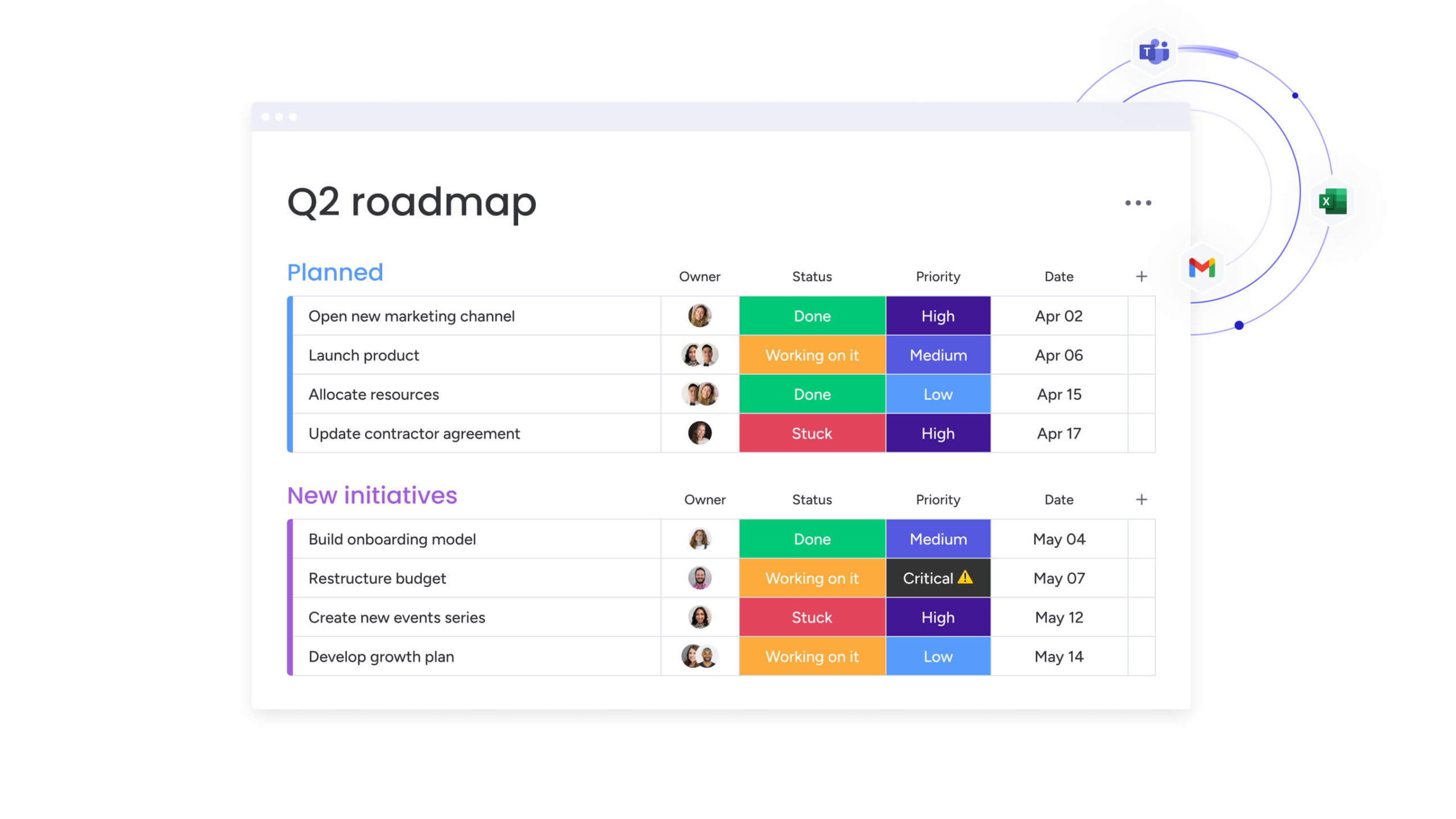
How retail marketing heads benefit from monday.com
What makes retail marketing leaders switch to monday.com? Here’s what they tell us about the real-world impact on their teams: these benefits span immediate operational improvements to long-term strategic advantages.
Time savings deliver immediate impact:
- Officeworks: eliminated 10,000+ emails by centralizing communications.
- FARFETCH: saves 3,500 hours per month across marketing operations.
- Project coordinators: save one full day per week previously lost to manual administration.
- Strategic focus: teams spend time on marketing activities rather than coordination overhead.
Cost efficiency provides measurable ROI:
- FARFETCH: achieves 6x ROI and saves $118,000 per month coordinating marketing campaigns.
- Country Road Group: 25% increase in efficiency while managing 150+ projects simultaneously.
- Operational savings: eliminate wasted effort on duplicative processes and reduce additional headcount needs.
- Campaign optimization: prevent costly delays through better capacity planning.
Compliance and accuracy improvements:
- Approval workflows: ensure marketing materials meet brand guidelines and regulatory requirements.
- Audit trails: provide complete visibility into decision-making processes.
- Standardized templates: maintain consistency across campaigns and regions.
- Version control: teams always work from current creative assets and campaign briefs.
Productivity enhancements across teams:
- Genpact: 40% improvement in cross-team collaboration and 25% decrease in email exchanges.
- Clear visibility: teams understand priorities, deadlines, and dependencies.
- Focused execution: marketing teams concentrate on campaign execution rather than coordination.
- Streamlined processes: elimination of 635+ working spreadsheets at Officeworks.
Output quality improvements:
- Canva: achieved 3x creative output through better resource allocation.
- VML: delivers work 2x faster with 7,000 hours saved per account monthly.
- Adequate time allocation: creative teams receive proper time for quality work.
- Review cycle optimization: proper approval processes prevent rushed execution.
Visibility and tracking advantages:
- Risk identification: leaders spot potential issues early in campaign cycles.
- Data-driven decisions: resource allocation based on real-time insights.
- Executive reporting: confident impact reporting to stakeholders.
- Real-time dashboards: leadership sees what they need at a glance while identifying issues early.
6 steps to manage retail marketing resources effectively with monday.com
Ready to transform how your marketing team works? Start with these six steps — we’ll take you from basic setup to advanced optimization that will make your team wonder how they ever managed without it.
Step 1: centralize all marketing work in unified boards
Begin by creating boards for each major marketing function to establish monday.com as your single source of truth. This foundational step eliminates the scattered information that creates inefficiencies and missed opportunities in retail marketing operations.
Create dedicated boards for:
- Campaign management: track multi-channel campaigns from brief to completion.
- Content production: manage editorial calendars, blog posts, and social media content.
- Creative requests: handle design briefs, asset creation, and approval workflows.
- Event planning: coordinate trade shows, product launches, and promotional events.
- Resource allocation: monitor team capacity and project assignments.
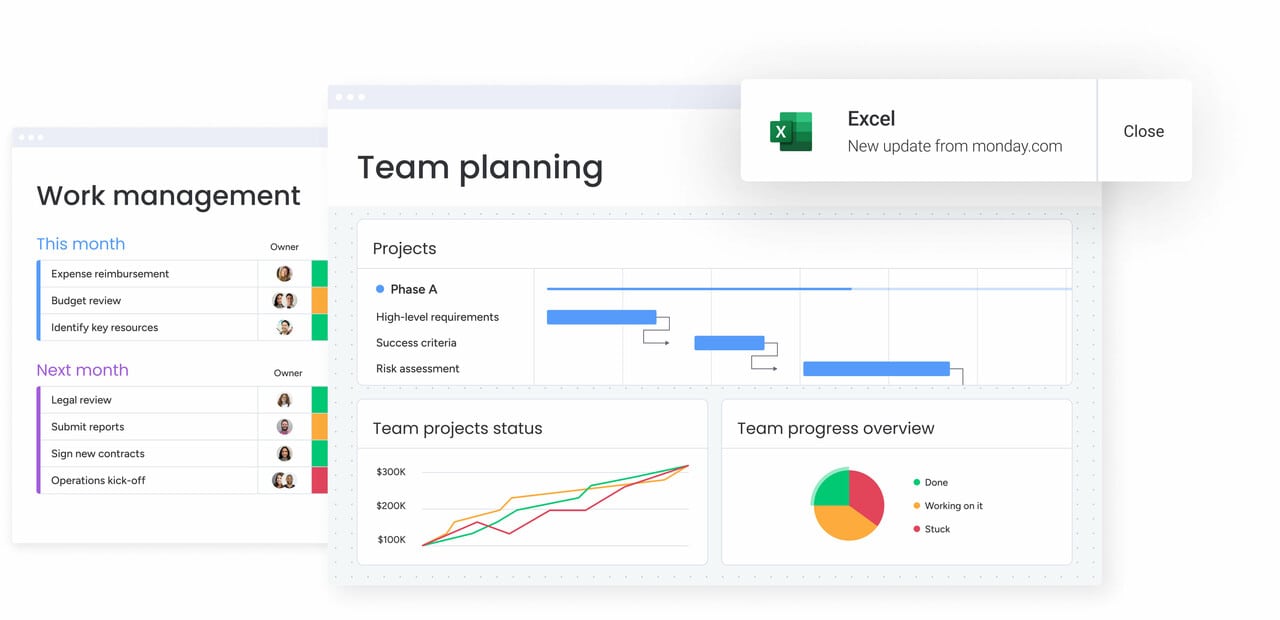
Import existing projects from spreadsheets, emails, and disconnected tools into these boards. Structure boards with columns capturing critical information for retail marketing: campaign type, channel, region, budget, timeline, assigned team members, and status.
This centralization immediately improves visibility and eliminates time wasted searching for information across multiple systems.
Step 2: map team capacity and workload across all resources
Use Workload View to create a comprehensive picture of your team’s capacity and current commitments. For a 50-100+ person marketing team, this visibility becomes essential for strategic resource allocation and preventing bottlenecks before they impact campaign delivery.
Capacity mapping process:
- Input available capacity: based on working hours and existing commitments for each team member.
- Organize by function: group resources by content, creative, acquisition, events, and operations.
- Create resource directory: capture skills, expertise, and availability for strategic planning.
- Set realistic limits: account for non-project work like meetings and administrative tasks (typically 70-80% of total hours).
This capacity mapping provides the foundation for strategic resource allocation decisions and helps identify when additional contractors or temporary staff may be needed during peak periods.
Step 3: connect campaigns to strategic goals and OKRs
Create company-level and department-level goals in monday.com that reflect your retail marketing objectives. This strategic alignment ensures every marketing activity connects to measurable business outcomes and enables you to demonstrate marketing’s contribution to executive leadership.
Goal alignment process:
- Define strategic objectives: customer acquisition targets, brand awareness metrics, revenue contribution goals, or market share objectives.
- Create goal hierarchy: company-level goals cascade to department and team-level objectives.
- Link campaigns: connect each campaign board and major initiative to relevant goals.
- Track progress: monitor how marketing activities contribute to strategic outcomes in real-time.
This strategic alignment enables you to prioritize resources toward high-impact work and make data-driven decisions about which initiatives deserve the most attention and resources.
Step 4: automate workflows for standardized processes
Identify repetitive processes in retail marketing operations and build automation recipes that eliminate manual work while ensuring consistent execution across your large team. This standardization reduces errors and frees time for strategic activities.
Common automation opportunities:
- Creative brief approvals: automatically assign tasks to designers and set deadlines based on launch dates.
- Asset review cycles: notify stakeholders when assets are ready for review and track approval status.
- Campaign launch workflows: trigger performance tracking and schedule post-campaign analysis.
- Resource allocation: reassign tasks when team members reach capacity limits.
Set up automations that assign tasks when statuses change, send notifications when deadlines approach, create subtasks when campaigns are approved, and update stakeholders when milestones are reached.
Step 5: build dashboards for real-time performance visibility
Create role-specific dashboards that surface metrics most relevant to different stakeholders in your retail marketing organization. These dashboards transform scattered data into actionable insights that drive better decisions and more effective resource allocation.
Dashboard types to create:
- Executive dashboard: campaign ROI, budget adherence, and strategic goal progress for leadership meetings.
- Operational dashboards: resource utilization, timeline adherence, and workload balance for team leads.
- Campaign-specific dashboards: performance metrics, creative asset status, and cross-functional dependencies for project managers.
Develop dashboards that automatically update as work progresses, eliminating manual data collection and ensuring stakeholders always have access to current information for decision-making.
Step 6: integrate retail-specific tools and systems
Connect monday.com with your existing marketing technology stack and retail-specific systems to create a unified ecosystem that eliminates data silos and context switching. These integrations ensure the platform serves as your central hub while preserving specialized functionality.
Key integration opportunities:
- E-commerce platforms: track how campaigns impact online sales in real-time.
- POS systems: measure in-store promotion effectiveness and campaign attribution.
- Inventory management: align marketing activities with product availability and seasonal trends.
- Creative tools: streamline asset production workflows while maintaining approval processes.
These integrations ensure monday.com serves as the central hub while preserving specialized functionality of retail-specific tools, creating a seamless workflow that supports both marketing efficiency and business intelligence.
Comparison table: monday.com vs competing platforms
If you become stuck when weighing up the best management platforms for retail marketing teams to leverage, understanding key differences between solutions can help you make an informed decision.
This comparison examines how monday.com, Wrike, and Asana address specific needs of retail marketing organizations managing large teams and complex campaigns.
| Feature | monday work management | Wrike | Smartsheet |
|---|---|---|---|
| Workload visualization | Real-time color-coded capacity view with drag-and-drop reallocation | Workload charts with manual adjustment | Resource views with limited real-time updates |
| Portfolio management | Unified portfolio dashboard with OKR linking | Portfolio-level reporting available | Limited portfolio aggregation |
| Automation capabilities | 200+ pre-built recipes, custom no-code automations | Automation available in higher tiers | Automation limited to premium plans |
| Collaboration features | In-context comments, mentions, file sharing, real-time updates | Collaboration platforms with proofing | Comments and attachments supported |
| Customization flexibility | Fully customizable boards, views, and workflows without coding | Highly configurable with learning curve | Spreadsheet-based customization |
| Implementation time | 2 weeks to 1 month for full adoption | 1-3 months typical | 4-6 weeks average |
| Price per user/month | From $9/user/month (billed annually) | From $10/user/month (billed annually) | From $9/user/month (billed annually) |
| G2 rating | 4.7/5 (12,000+ reviews) | 4.2/5 (3,500+ reviews) | 4.4/5 (14,000+ reviews) |
Case study: how Officeworks transformed their retail marketing operations
Officeworks, Australia’s leading retailer for office and school supplies with 165+ stores and 40,000+ products, provides a great example of how monday.com transforms complex retail marketing operations.
The challenge: scattered operations creating inefficiencies
The Space Planning team responsible for getting products to market quickly relied on scattered ad-hoc communication across separate folders, calendars, emails, and manually-updated spreadsheets with over 100 tabs. Different teams provided information in different ways, risking important details getting lost.
Without a central control system, approval processes, or reporting capabilities, planning and prioritizing product launches proved difficult. Teams would know six months in advance about product launches but forget why items were on the calendar and what tasks needed completion when dates approached.
The solution: unified platform for coordinated execution
After assessing market options, Officeworks identified monday.com as the platform needed to keep everyone aligned across the business. The team worked with each department to map core business processes, identified efficient workflows, and applied them uniformly across the business.
Implementation results: measurable transformation
The platform transformed planogram management from chaos to structured approach:
- 2,883 planograms managed across four departments with synchronized workflows.
- Detailed Gantt charts provide full visibility into planning and execution.
- Systemized product onboarding through online forms and automated task assignment.
- Streamlined approval processes ensure products reach shelves efficiently.
Quantifiable business impact:
- 10,000+ emails eliminated through centralized communications.
- 635+ working spreadsheets replaced with unified boards and dashboards.
- One full day per week saved by project coordinators managing major promotions.
- Balanced workloads across stores and departments, avoiding burnout.
- Better product consistency for customers through improved planning processes.
The transformation delivered significant direct cost and time savings while providing better workload balance for staff and more consistent product range for customers, demonstrating how monday.com scales to support complex retail marketing operations.
Power up your retail marketing operations with monday.com
The evidence is clear: retail marketing organizations that centralize their operations on unified platforms like monday.com achieve measurable improvements in efficiency, collaboration, and strategic impact.
From Officeworks’ elimination of 10,000+ emails to FARFETCH’s 6x ROI and $118K monthly savings, leading retail brands trust the advances platform to coordinate complex marketing operations while maintaining agility and accountability.
Key transformation benefits include:
- Centralized visibility: into team capacity, campaign progress, and strategic alignment.
- Operational efficiency: through automation and standardized workflows.
- Strategic alignment: connecting daily activities to company OKRs and measurable outcomes.
- Cross-functional collaboration: that breaks down silos between creative, content, acquisition, and operations teams.
The platform’s comprehensive capabilities — from resource management and campaign coordination to real-time dashboards and strategic goal tracking — provide retail marketing heads with the tools needed to manage large teams effectively while proving ROI to executive leadership.
Ready to experience the transformation that leading retail brands have achieved? Join 152,000+ organizations including Officeworks, FARFETCH, and Country Road Group who trust monday.com to centralize marketing operations, optimize resource allocation, and drive measurable business impact.
The content in this article is provided for informational purposes only and, to the best of monday.com‘s knowledge, the information provided in this article is accurate and up-to-date at the time of publication. That said, monday.com encourages readers to verify all information directly.
Frequently asked questions
How does monday.com handle retail seasonal planning?
To handle retail seasonal planning, monday.com enables marketing heads to plan for peaks through capacity forecasting, workload visualization, and timeline planning features. You can create seasonal campaign boards mapping out Black Friday, holiday, back-to-school, and other peak periods months in advance.
What's the typical ROI for retail marketing teams using monday.com?
Retail marketing teams typically see ROI within four months according to Forrester's Total Economic Impact™ study. FARFETCH achieved 6x ROI and saves $118,000 per month, while Officeworks eliminated 10,000+ emails and replaced 635+ spreadsheets. Country Road Group achieved 25% increase in efficiency managing 150+ projects simultaneously. ROI comes from time savings through automation and centralized communications, cost savings from improved resource utilization, revenue impact from faster campaign execution, and strategic value from better alignment between marketing activities and business goals.
Can monday.com integrate with retail POS systems?
monday.com integrates with retail POS systems through its open API, Zapier connectivity, and custom integration capabilities. While the platform doesn't offer pre-built native integrations with every POS system, the API enables your IT team or implementation partner to build custom integrations pulling sales data from systems like Square, Shopify POS, Lightspeed, or enterprise solutions like SAP Retail.
How do I manage marketing resources across franchise and corporate locations?
monday.com enables retail marketing heads to manage resources across franchise and corporate locations through multi-board structures, permission controls, and centralized reporting.
What's the implementation timeline for enterprise retail marketing teams?
Implementation timelines for enterprise retail marketing teams with 50-100+ members typically range from two weeks to two months depending on complexity and change management approach.
How does monday.com compare to traditional project management tools?
monday.com differs from traditional project management tools by focusing on work management rather than just project management — it's designed to manage ongoing marketing operations, not just discrete projects with defined start and end dates.

 Get started