

Marketing teams often launch campaigns that appear strong on paper: creative is solid, timing aligns with market opportunities, and budgets are approved. Yet after a few weeks, mixed signals appear across channels, sales questions arise about lead conversion, and operations struggles to manage surges in one product line while another remains underutilized.
These disconnects typically happen when promotional activities operate in isolation instead of as part of a unified strategy. A promotion strategy serves as a playbook that converts marketing objectives into measurable results. Unlike broad brand-building efforts, effective promotion strategies target specific outcomes with defined deadlines, coordinating teams, channels, and resources to meet revenue and engagement goals.
This guide presents ten promotion strategies ready for immediate execution, along with a five-step framework for building campaigns that achieve measurable impact. It also explains how to align cross-functional teams, harness AI for personalization, and track performance for continuous improvement.
Key takeaways
- Promotion strategies require specific, measurable goals: Focus on outcomes like revenue growth, lead acquisition, or customer retention rather than general brand awareness.
- Cross-team coordination is essential: Align marketing, sales, operations, and customer service to prevent bottlenecks and ensure campaigns launch smoothly.
- Match tactics to the customer journey: Use awareness, consideration, decision, and retention strategies to deliver the right message at the right stage.
- Leverage data and AI for optimization: Personalize campaigns, predict performance, and automate testing to improve efficiency and results.
- Centralize campaign management with monday work management: Unify workflows, track progress, and allocate resources to ensure coordinated execution across departments.
What is a promotion strategy?
A promotion strategy is a coordinated plan designed to increase awareness, drive sales, and achieve specific business objectives through targeted marketing activities. It connects marketing goals to daily execution, aligning teams, timelines, channels, and resources to deliver tangible results.
Unlike broad brand building or isolated marketing actions, a promotion strategy focuses on campaigns that generate immediate response. Examples include product launches with revenue targets, seasonal sales events with fixed deadlines, or customer retention initiatives that require precise coordination across teams.
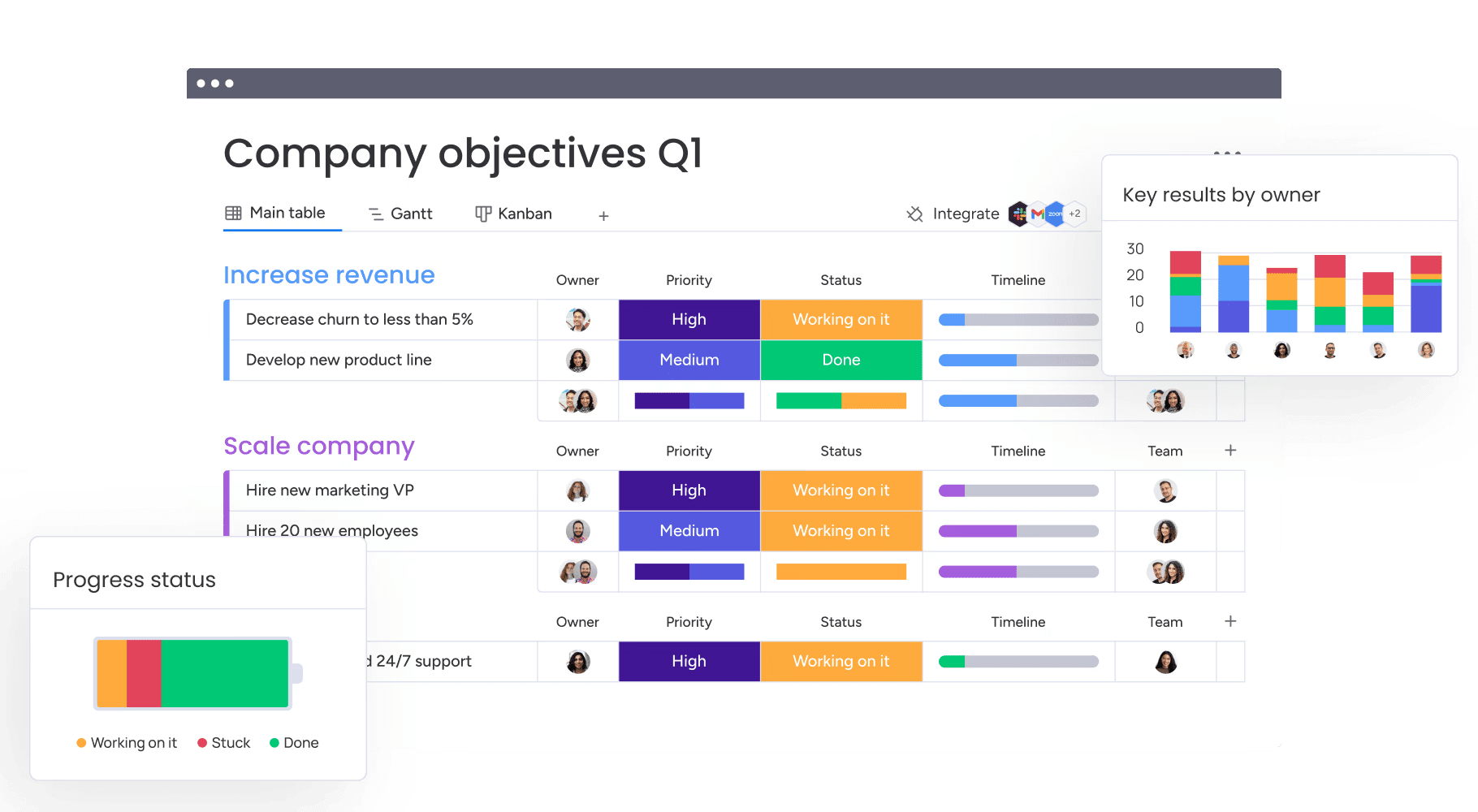
When managing complex workflows, your promotion strategy acts as the bridge between big-picture objectives and the work your team performs. Marketing develops the campaign, operations ensures inventory readiness, sales prepares talking points, customer service handles inquiries, and IT manages the technology stack.
Everyone essentially works from the same playbook to achieve consistent outcomes.
Core elements of effective promotional strategies
Every successful promotion strategy relies on five key components. Getting these right transforms scattered activities into coordinated campaigns that move the needle.
- Specific objectives: Set measurable goals tied directly to business outcomes — increasing Q3 revenue by 15%, acquiring 500 enterprise leads, or boosting customer retention by 20%.
- Target audience definition: Understand exactly who you are reaching using behavioral data, purchase history, and demographics — enabling messages that resonate.
- Channel selection: Choose the right mix of promotional channels based on audience engagement and response, including email, social media, paid search, and events.
- Timeline and coordination: Map dependencies, deadlines, and ownership across departments — ensuring the team executes with confidence and adapts proactively.
- Performance measurement: Establish tracking from day one to measure ROI and refine tactics in real time based on results.
Why coordinated execution matters for teams
Promotion strategies fail when teams work in silos. Marketing may launch a campaign while sales relies on outdated messaging. Customer service can be overwhelmed by promotion-related inquiries, and operations may struggle to meet demand.
This fragmentation wastes budget, frustrates customers, and undermines revenue goals. Coordinated execution resolves these issues. When all departments operate from a shared system, campaigns launch on time with consistent messaging and appropriate resources.
Teams using unified platforms like monday work management can even gain real-time visibility into workflows, automate handoffs between departments, and maintain clear role accountability.
Unlike broad brand building or isolated marketing actions, a promotion strategy focuses on campaigns that generate immediate response. Examples include product launches with revenue targets, seasonal sales events with fixed deadlines, or customer retention initiatives that require precise coordination across teams.
Promotion strategy vs. marketing strategy
On the face it these terms may sound quite similar, but their scope and timelines differ hugely. Understanding these key difference allows for better resource allocation and realistic expectations.
Marketing strategy is your overarching approach to reaching customers and building brand awareness over years. Conversely, promotion strategy is more tactical: specific campaigns designed to drive action fast, usually within weeks or months.
This helpful table helps highlight the differences in more detail:
| Aspect | Marketing strategy | Promotion strategy |
|---|---|---|
| Time horizon | Long-term brand building (years) | Short-term campaigns (weeks/months) |
| Scope | Broad market positioning and identity | Specific campaign objectives and tactics |
| Frequency | Ongoing, continuous activities | Time-bound, distinct campaigns |
| Primary goal | Brand awareness and equity | Conversion, sales, and engagement |
| Flexibility | Stable, changes slowly | Agile, adapts quickly to market |
Positioning promotions within your marketing plan
Promotion strategies succeed when they align with broader marketing goals. Identify opportunities tied to business objectives, seasonal trends, product launches, or competitor activity.
Each promotion should reinforce brand messaging while driving measurable action. Timing is critical — running promotions too frequently may dilute your brand and confuse customers. Maintaining a clear marketing calendar helps teams coordinate promotional efforts across departments and channels effectively.
10 executable promotion strategies for high-performing teams
Strong promotion strategies do more than generate attention. They align teams, timelines, and channels around a specific outcome.
The 10 strategies below are practical, scalable, and built for coordinated execution across departments.
Here are proven promotional approaches your team can start using today:
1. AI-personalized email marketing campaigns
Go beyond basic segmentation with AI that adapts content on the fly based on customer behavior, preferences, and past purchases. Segment lists with real-time data, create dynamic templates, and set automated triggers based on customer actions.
Start by auditing existing email data to identify personalization opportunities. Build content variations for different segments. AI can categorize responses and detect sentiment, allowing teams to optimize future communications instantly without manual analysis for every send.
2. Strategic influencer partnerships
Replace one-off collaborations with systematic, long-term influencer relationships. Identify influencers whose audiences match your target profiles and create structured frameworks for content creation.
Successful execution requires coordinating legal agreements, content approvals, performance tracking, and relationship management. Standardized templates for outreach, contracts, and campaign briefs ensure managing fifty influencers is as smooth as managing five.
3. Content-driven promotional campaigns
Center campaigns around high-value content that educates while promoting. Educational webinars, guides, case studies, and interactive resources provide utility while establishing trust and authority.
Coordination spans content creation, distribution planning, lead capture, and sales follow-up. Marketing develops assets, operations ensures delivery platforms function correctly, and sales engages leads. Repurpose content across channels to maximize impact and ROI.
4. Social media contest frameworks
Use systematic contests to drive engagement and expand reach efficiently. Formats include photo submissions, user-generated content, trivia, and referral challenges, depending on whether the goal is follower growth, brand awareness, or lead generation.
Execution requires adherence to contest rules, legal compliance, prize selection, submission management, and winner announcement. Customer service prepares for inquiries, social teams monitor engagement, and operations handles prize fulfillment smoothly.
5. Automated referral programs
Transform satisfied customers into growth engines with referral programs that track, reward, and manage customer advocacy automatically. Include referral incentives, tracking systems, reward distribution, and ongoing promotion.
Define referral criteria and create monitoring systems. Design promotional materials and establish fulfillment processes. Automation handles tracking and rewards, leaving teams to optimize programs and maintain consistent communication with advocates.
6. Time-sensitive promotional offers
Create urgency with limited-time discounts, flash sales, early-bird pricing, or exclusive access periods. Properly executed offers motivate action without manipulating customers.
Coordination is essential across departments:
- Inventory management: align stock with projected demand.
- Pricing updates: synchronize offers across platforms.
- Customer support: prepare for increased volume.
- Strategic planning: ensure timing matches business objectives and buying cycles.
7. Multi-channel retargeting systems
Engage prospects with consistent messaging across email, social media, and display ads. Effective systems rely on precise behavioral segmentation and frequency caps to prevent overexposure.
Setup includes pixel installation, audience creation, creative development, and performance monitoring. Coordinate messaging and timing across channels. Exclude customers who have already purchased to deliver relevant, targeted experiences.
8. Experience-based event promotions
Provide value beyond direct selling through workshops, demonstrations, networking, or educational sessions. These experiences strengthen relationships and brand affinity while creating natural opportunities for promotion.
Planning includes venue coordination, speaker management, registration systems, and post-event follow-up. Events achieve multiple objectives: generating leads, educating customers, and building community. Success depends on seamless logistics and high-quality attendee experiences.
9. Data-driven loyalty programs
Move beyond generic point systems with loyalty programs that use customer data and behavior patterns for relevant rewards. Structures include tiered incentives, experiential earning mechanisms, flexible redemption, and personalized offers based on purchase history.
Implementation requires data analysis, program design, and technology setup. Use insights to create targeted promotions within the loyalty framework. High-value customers feel recognized and appreciated. Continuous optimization ensures the program remains appealing and profitable.
10. Collaborative brand partnerships
Expand reach and share costs through mutually beneficial partnerships with complementary brands. Partnership types include co-marketing campaigns, bundled offerings, cross-promotions, and joint events to access new, qualified audiences.
Coordination involves partner selection, agreement negotiation, joint planning, resource allocation, and performance measurement. Strong project management ensures both parties achieve shared objectives and maintain accountability throughout the collaboration.
Your blueprint for building effective promotion strategies
Even the best promotional ideas fall short without a clear execution plan. A structured framework ensures goals are defined, audiences are precise, resources are aligned, and timelines are realistic.
Use the five steps below to build a promotion strategy that moves from concept to measurable results with confidence.
Step 1: Set measurable promotion goals
Define specific objectives that align with broader business goals. Your targets should fall into clear categories with defined success metrics. Document timelines and success criteria so all departments understand shared targets:
- Awareness metrics: Reach, impressions, brand mentions.
- Engagement targets: Clicks, shares, comments, time on site.
- Conversion rates: Sales, sign-ups, downloads, demo requests.
- Revenue objectives: Average order value, customer lifetime value.
- Customer acquisition: New customers, cost per acquisition.
An e-commerce team might target 20% increased average order value during holiday sales. A B2B team might aim for 50 qualified demo requests from a webinar series.
Step 2: Map your target audience segments
Identify and define audience segments to ensure promotional messages resonate. Research insights help create detailed profiles that guide messaging, channel selection, and timing. Use these methods to understand your audience:
- Customer data analysis: Purchase patterns, frequency, value.
- Survey insights: Preferences, pain points, motivations.
- Behavioral patterns: Website activity, content engagement.
- Demographic information: Industry, company size, role.
Existing customer data highlights high-value segments ready for tailored offers, helping teams allocate budget for maximum impact.
Step 3: Choose high-impact promotion channels
Select channels by balancing audience preferences, budget constraints, and team capabilities. Each channel offers clear advantages that must align with promotional goals:
| Channel | Strengths | Limitations | Resource needs |
|---|---|---|---|
| High ROI, direct access, personalization | List quality dependent, deliverability | Copywriting, design, automation | |
| Social media | High engagement, viral potential | Algorithm changes, constant content | Content creation, community management |
| Paid search | High intent, immediate traffic | Expensive, competitive keywords | Budget, PPC expertise |
| Content marketing | Long-term value, builds trust | Slow results, resource intensive | SEO, writing, video production |
| Events | Deep relationship building | High cost per lead, logistics | Event planning, sales support |
Step 4: Allocate team resources effectively
Assign team members to promotional activities while maintaining regular operations. Resource planning prevents burnout and missed deadlines by ensuring workloads match capacity. Follow these principles:
- Assess skills: Match tasks to expertise and experience.
- Balance workloads: Distribute effort evenly across team members.
- Coordinate timelines: Align individual schedules with campaign milestones.
- Establish backup plans: Identify coverage for key roles.
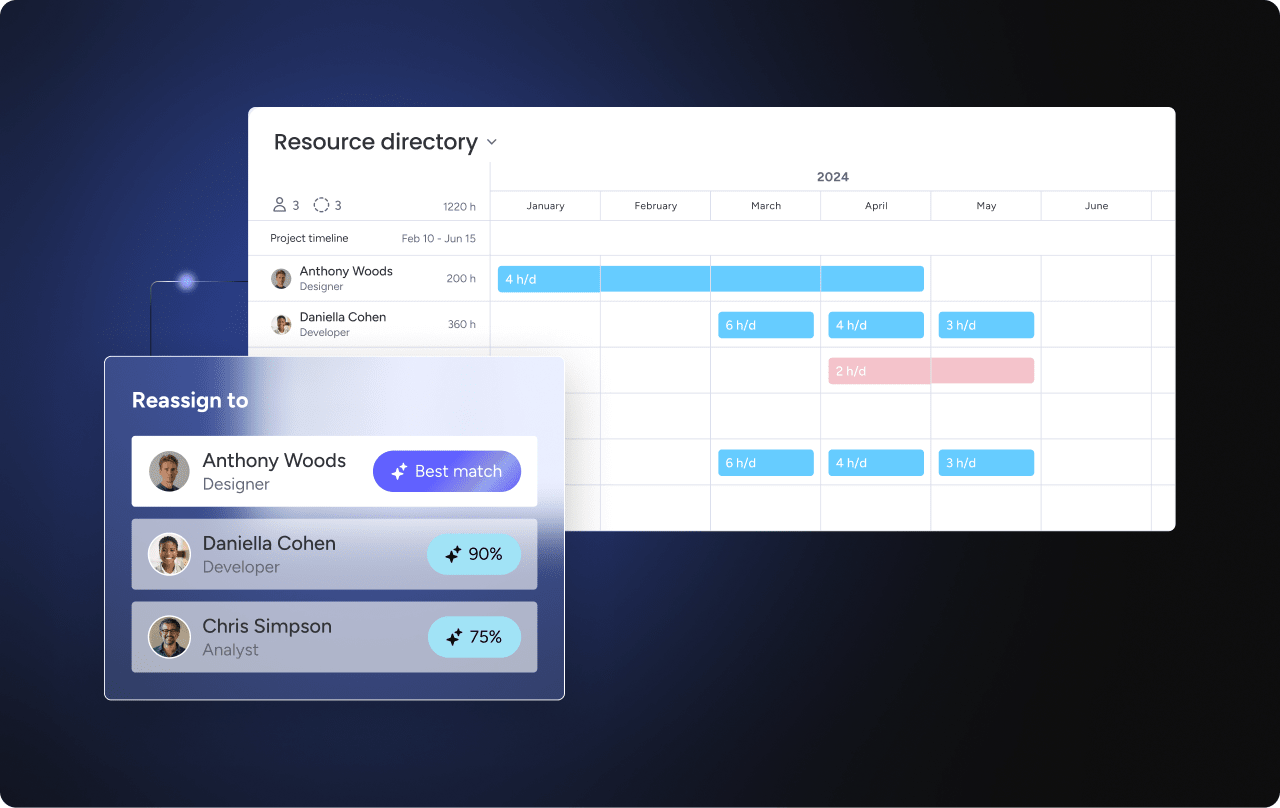
Identifying resource constraints early prevents quality issues. Visual workload management tools help allocate resources based on skills and availability, ensuring campaigns run smoothly without overcommitment.
Step 5: Create your promotion timeline
Finally, build realistic timelines that account for all phases: planning, content creation, approvals, launch preparation, execution, and post-campaign analysis. Include buffer time for unexpected delays.
Align promotional tactics with the customer journey
Match promotional strategies to each stage of the customer journey. Different tactics resonate depending on whether customers are discovering, evaluating, purchasing, or advocating for your brand. Understanding this journey ensures messages reach people at the right moment, improving engagement, conversion, and long-term loyalty. The sections below outline strategies tailored to each stage of decision-making.
Awareness stage promotional strategies
Introduce your brand through tactics that build visibility and credibility. Focus on content marketing, social media engagement, influencer partnerships, and educational events.
Priority is value delivery over direct selling. Measure success through reach, impressions, brand mentions, and website traffic growth. Capture attention and establish relevance with your target audience.
Consideration stage engagement tactics
Customers actively evaluating options need strategies that demonstrate value and build trust. Provide product demonstrations, detailed comparison content, customer testimonials, and free trials or samples.
Address specific concerns and questions while removing barriers to entry. Nurture prospects through educational content and personalized communication that positions your solution as superior to their specific problem.
Decision stage conversion promotions
Motivate immediate purchase through urgency and friction reduction. Create limited-time offers, exclusive discounts, free shipping, and risk-reduction guarantees such as extended warranties.
Simplify the purchasing process while providing final incentives to act. Coordination between sales and customer service ensures questions are answered promptly and transactions proceed smoothly during high-conversion periods.
Retention and advocacy programs
Focus existing customer promotions on repeat purchases and referrals. Implement loyalty programs, exclusive member benefits, referral incentives, and customer appreciation events.
Reinforce customer value and encourage long-term relationships. Leverage satisfied customers as promotional advocates. Their success stories become testimonials and case studies that fuel awareness for new prospects.
Harness AI for promotion execution
AI enables teams to execute promotions more efficiently without requiring deep technical expertise. By managing routine activities and data analysis, AI frees teams to focus on strategy and creative differentiation.
Scale personalization without adding headcount: Create personalized promotional experiences for large customer bases without proportional manual work increases. AI allows dynamic content creation, personalized email campaigns, customized product recommendations, and behavioral targeting.
Predict campaign performance in real time: Optimize promotional campaigns as they run instead of waiting for post-campaign analysis. Predictive capabilities include performance forecasting, audience response prediction, and optimal timing recommendations.
Automate testing and optimization: Run multiple variations simultaneously and identify the best approaches faster than manual testing. This includes automated A/B testing, multivariate testing, and continuous optimization of campaign elements.
How to master cross-team promotion coordination
The difference between reactive scrambling and confident execution comes down to coordination. When workflows, approvals, and responsibilities are clearly structured, campaigns move faster, teams stay aligned, and launches feel controlled instead of rushed.
Here’s how high-performing teams remove friction and keep complex promotions on track.
Eliminate workflow bottlenecks
Campaign delays often result from approval slowdowns, resource conflicts, communication gaps, and unclear responsibilities. Mapping workflows highlights bottlenecks and enables contingency planning for smooth execution.
Address these specific coordination challenges:
- Approval delays: Unclear review processes and missing stakeholders.
- Resource conflicts: Teams double-booked or unavailable when needed.
- Communication gaps: Information stuck in email threads or chat messages.
- Unclear responsibilities: Assumptions about who owns the next step.
Standardized processes and accountability reduce friction. Clear ownership, automated notifications, and reminders keep campaigns moving without constant manual follow-up.
Accelerate creative approval cycles
Streamline review and approval while maintaining quality. Establish approval criteria upfront to limit revision cycles and speed creative readiness.
Effective strategies include:
- Standardized workflows: Steps and consistent review criteria.
- Feedback guidelines: Specific, actionable comments with deadlines.
- Version control systems: Track changes and maintain document history.
- Strict deadline management: Time-boxed review periods with escalation paths.
Collaborative platforms enable real-time feedback and approval tracking, ensuring creative assets are launch-ready on schedule.
Track multi-department progress
Visibility across marketing, sales, and operations prevents delays and misalignment. Early identification of coordination issues allows corrective action before problems escalate.
Effective tracking methods include:
- Milestone management: Key checkpoints with deliverables.
- Status reporting: Regular updates without lengthy meetings.
- Dependency mapping: Visual connections between related tasks.
- Shared performance dashboards: Real-time metrics accessible to all stakeholders.
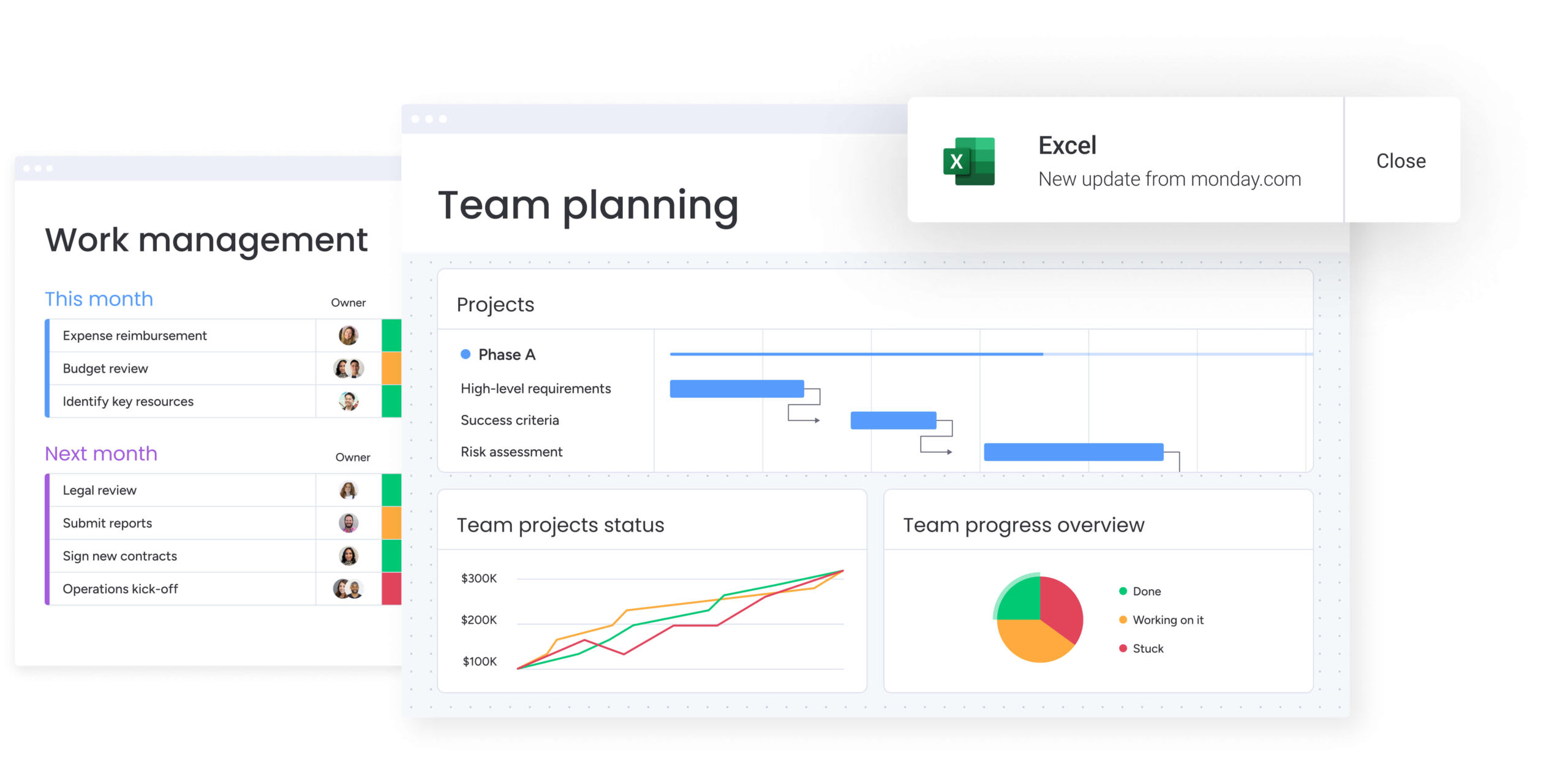
Unified dashboards capture project data, budget tracking, goal progress, and resource allocation — ensuring all campaign details are accounted for.

Measure what matters in your promotion strategy
Great promotions generate momentum. High-performing promotions generate insight.
Measurement is what turns one successful campaign into a repeatable growth engine. Instead of focusing on surface-level metrics, strong teams track the signals that connect activity to revenue, retention, and long-term impact.
With the right KPIs, real-time visibility, and structured review cycles, promotional performance becomes easier to evaluate, optimize, and scale.
Track the KPIs that drive growth
Identify the most relevant metrics based on campaign objectives. Different goals require specific measurement approaches to provide actionable insights.
Establish baseline measurements to set realistic improvement targets:
- Awareness campaigns: Reach, impressions, share of voice.
- Engagement campaigns: Interaction rates, content shares, comments.
- Conversion campaigns: Sales attribution, customer acquisition costs.
- Retention campaigns: Repeat purchase rate, customer lifetime value.
Track both immediate campaign results and longer-term business impact to get a complete view of promotional ROI.
Build real-time performance dashboards
Effective dashboards provide insights during campaign execution, allowing teams to make data-driven decisions rather than waiting for post-mortem analysis.
Design dashboards that deliver value through:
- Key metric visibility: Critical KPIs displayed prominently.
- Trend analysis: Performance over time with comparisons.
- Alert systems: Automated notifications when thresholds are breached.
- Drill-down capabilities: Detailed data accessible from summary views.
Different team members need tailored views — executives require high-level summaries while campaign managers need granular performance data. Customizable dashboards help teams make faster, sharper decisions.
Implement continuous improvement loops
Learning from each campaign ensures insights apply to future efforts. Build improvement into workflows through structured analysis and knowledge sharing.
Feedback loops capture lessons and translate them into improved strategies:
- Post-campaign analysis: Structured reviews of what worked and what did not.
- Insight documentation: Captured lessons accessible to all teams.
- Process refinement: Updated workflows based on experience.
- Knowledge sharing: Cross-team learning sessions and best practices.
With the right KPIs, real-time visibility, and structured review cycles, promotional performance becomes easier to evaluate, optimize, and scale.
Unify campaign execution across teams with monday work management
Coordinating campaigns across marketing, sales, and operations is complex. Traditional spreadsheets and email often lead to confusion, missed deadlines, and fragmented data. Modern platforms like monday work management centralize promotional activities, aligning teams and streamlining execution.
Organizations gain operational control by connecting strategy to execution in a unified workspace:
Centralize all promotional activities
A single workspace allows teams to plan, execute, and track all campaigns while addressing challenges that often cause promotions to fail.
Key capabilities include:
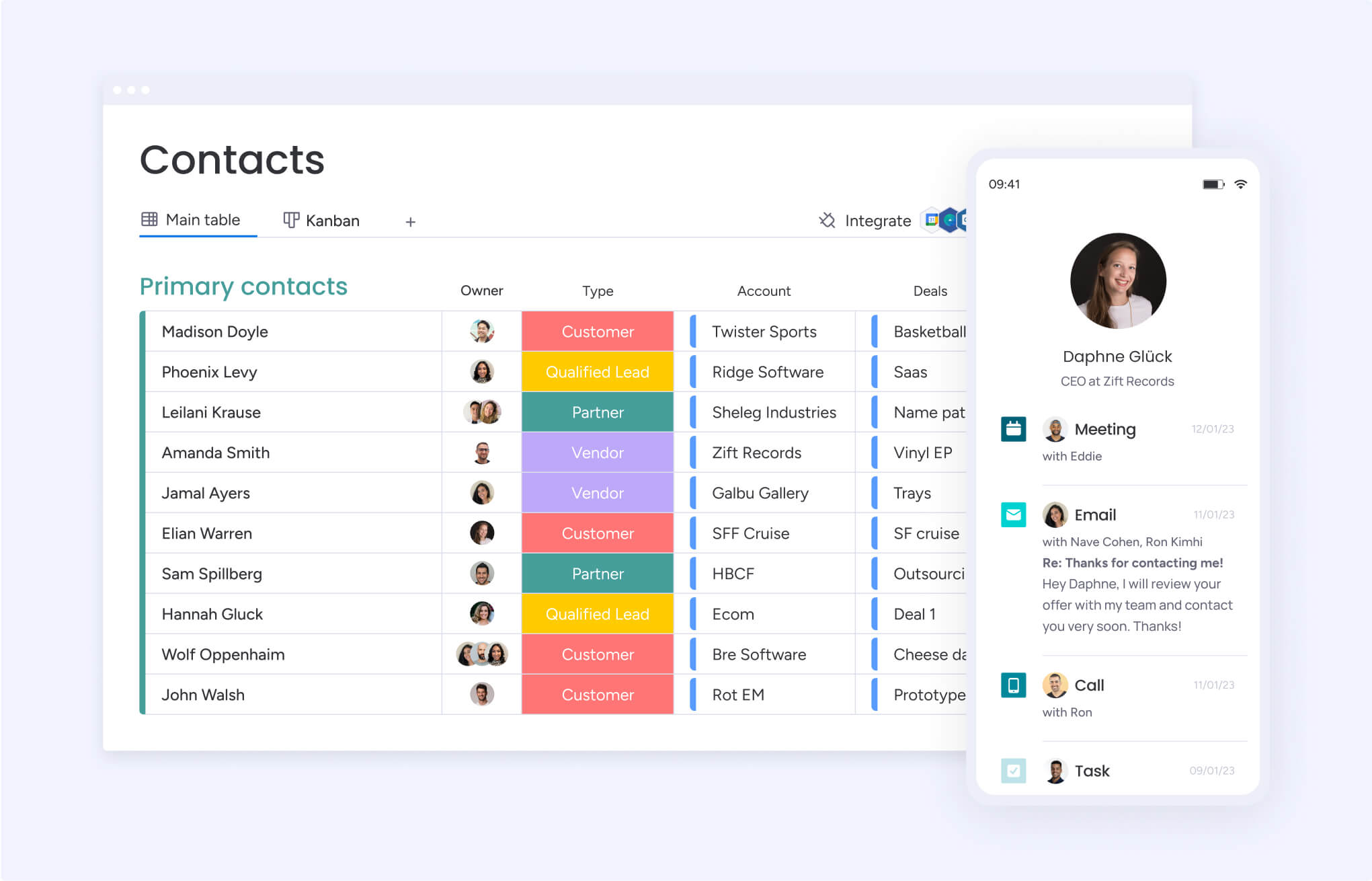
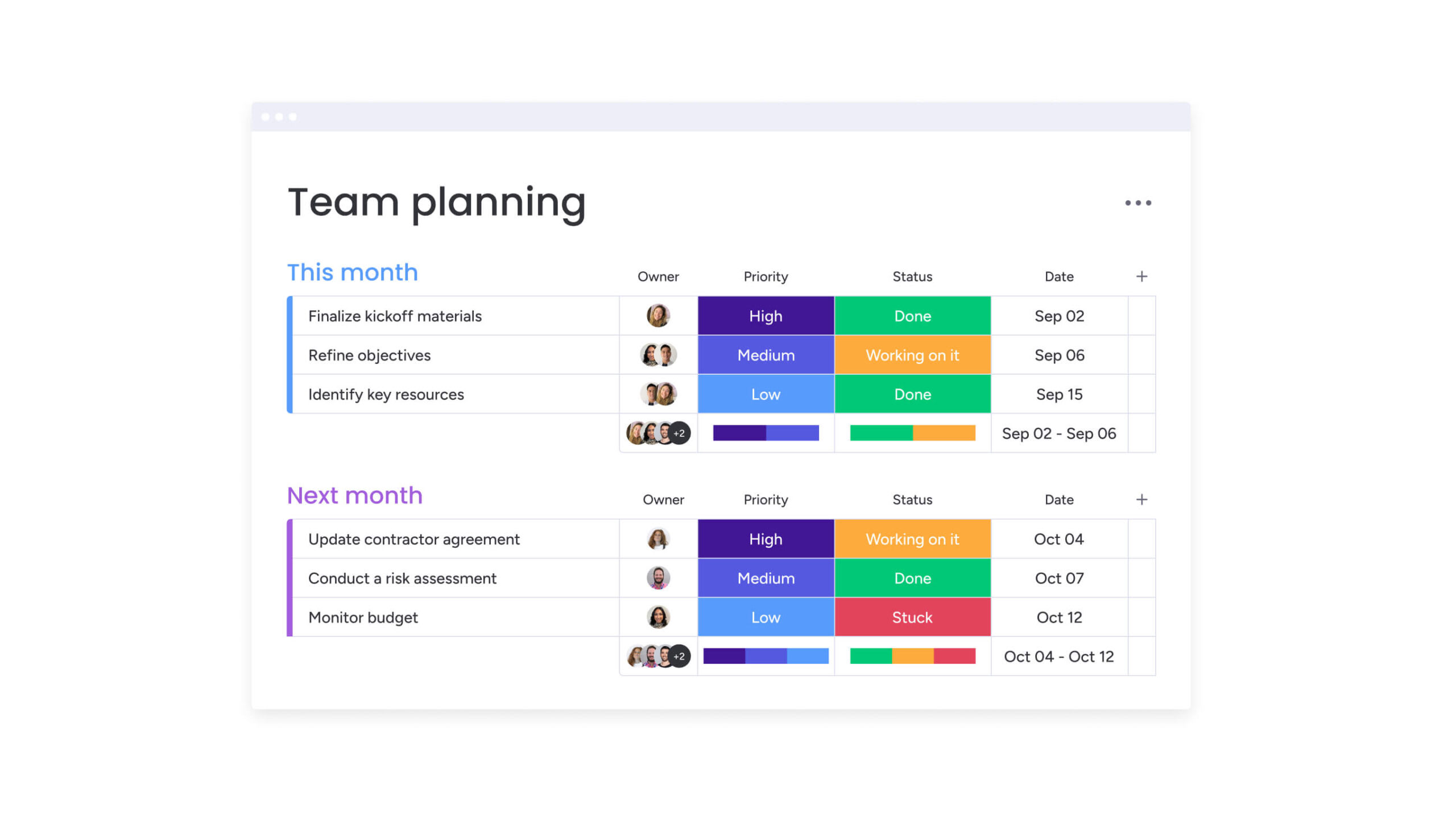
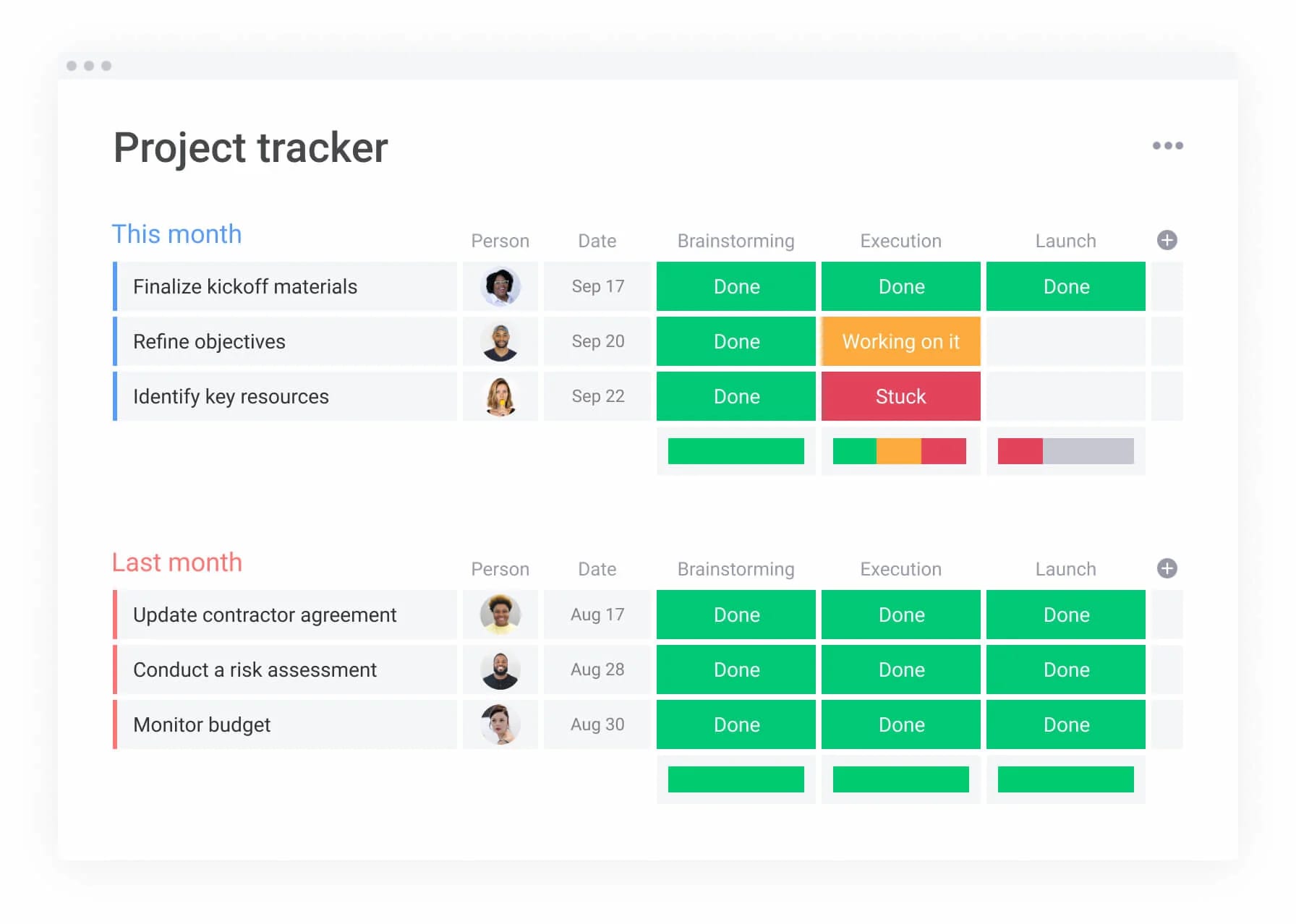
- Campaign boards: Organize all promotional activities with customizable columns for deadlines, owners, status, and budget tracking.
- Cross-team visibility: All stakeholders see real-time campaign progress and dependencies.
- Resource management: Track team workloads and allocate resources effectively across concurrent campaigns.
- Timeline management: Visualize campaign schedules and identify potential conflicts early.
Deploy ready-made campaign templates
Accelerate setup with templates for product launches, seasonal events, content marketing, social media contests, email sequences, and event workflows. Templates are fully customizable, providing structure and ensuring teams never miss critical steps.
Leverage AI for resource optimization
AI features support promotional campaign management by addressing operational challenges that slow execution.
AI-powered optimization includes:
- AI blocks for optimization: Categorize requests by priority, summarize performance data, and extract relevant details from briefs.
- Resource allocation: AI suggests optimal team assignments based on skills, availability, and workload.
- Risk identification: Portfolio risk insights scan boards, flagging potential issues by severity for proactive resolution.
Enable seamless team collaboration
Promotional campaigns involve multiple teams, moving parts, and tight deadlines. Without clear visibility and structured communication, small coordination gaps can quickly slow progress.
The table below highlights common collaboration challenges and the specific capabilities that help teams stay aligned from planning through launch.
| Common challenge | monday work management solution |
|---|---|
| Missed deadlines from poor visibility | Real-time dashboards and automated alerts |
| Resource conflicts across campaigns | Workload view and AI-powered allocation |
| Approval bottlenecks | Standardized workflows with notifications |
| Scattered communication | Centralized project communication and file sharing |
| Inconsistent campaign execution | Customizable templates and standardized processes |
When communication, ownership, and timelines are centralized, execution becomes smoother. Teams stay aligned, handoffs happen on time, and campaign performance is easier to track and optimize.

“monday.com has been a life-changer. It gives us transparency, accountability, and a centralized place to manage projects across the globe".
Kendra Seier | Project Manager
“monday.com is the link that holds our business together — connecting our support office and stores with the visibility to move fast, stay consistent, and understand the impact on revenue.”
Duncan McHugh | Chief Operations OfficerDrive promotional success through operational excellence
Promotional success is not just about bold ideas. It is about turning those ideas into coordinated, well-executed campaigns that deliver measurable results.
The strategies in this guide give you a practical starting point. When teams align around shared goals, use real-time data to adjust performance, and build structured processes that scale, promotions become more predictable and more profitable over time.
Start with one focused initiative, refine your execution, and build momentum from there. With the right systems in place, every campaign becomes an opportunity to improve and grow.
Try monday work managementFrequently asked questions
What are the 4 main types of promotional strategies?
The four main types of promotional strategies are advertising: paid media placements, sales promotion: discounts and incentives, public relations: earned media and reputation management, and personal selling: direct customer interaction. Each serves different objectives and works best at specific stages of the customer journey.
How quickly can teams see results from new promotion strategies?
Teams generally see initial results from new promotion strategies within two to four weeks, though meaningful impact usually requires six to eight weeks of consistent execution. Digital campaigns like email marketing and social media can show engagement metrics within days, while brand partnerships and content marketing take longer to deliver measurable returns.
What budget should organizations allocate for promotional campaigns?
Organizations typically allocate five to fifteen percent of revenue to promotional activities, with the exact percentage depending on industry, growth stage, and competitive landscape. B2B companies often spend less than consumer brands, while new product launches may require higher investment than maintenance campaigns.
Can small teams execute sophisticated promotion strategies?
Small teams can execute sophisticated promotion strategies by focusing on automation, templates, and systematic processes rather than manual coordination. Prioritizing high-impact channels and leveraging work management platforms helps small teams achieve results comparable to larger organizations.
How do you select the right promotional mix for your industry?
Select a promotional mix based on where your target customers spend time, your budget constraints, and your team’s capabilities. Analyze competitor strategies, test channels with small budgets, and measure performance to determine the most effective combination for your market.
What's the difference between promotional tactics and strategy?
Promotional strategy defines objectives, target audiences, and success metrics, while tactics are the specific actions used to execute that strategy. Strategy determines what you aim to achieve and why; tactics define how you will achieve it through campaigns and activities.

 Get started