


From global product launches and multi-day conferences to intimate galas and hybrid summits, the events industry continues to expand in scope and complexity. Event coordinators are managing more moving parts than ever before, and that demand shows no signs of slowing. For anyone drawn to fast-paced, people-centered work, event coordination offers a career that’s both dynamic and in demand.
Inthis guide, you’ll learn exactly what an event coordinator does, how the role differs from an event planner, which skills and responsibilities define the position, what salary ranges look like, and how platforms like monday.com can help you stay organized from the first planning meeting to the final post-event debrief.
Key takeaways
- An event coordinator manages logistics before, during, and after an event, handling vendor coordination, staff scheduling, budgets, and day-of problem-solving.
- The role breaks down into three phases: pre-event planning, day-of execution, and post-event wrap-up.
- Strong multitasking, budget management, communication, and technology proficiency are the skills that separate great coordinators from good ones.
- Event coordinators can specialize in corporate conferences, weddings, nonprofit galas, or trade shows, with each niche demanding someone who can hold dozens of details while staying calm under pressure.
- monday.com’s AI Work Platform gives coordinators a centralized workspace with automations, dashboards, AI agents, and 200+ integrations to keep every event detail on track.
What does an event coordinator do?
An event coordinator is the person who makes sure every logistical detail comes together so hosts and guests can focus on the experience itself. While the role varies depending on the event type, including corporate conferences, weddings, nonprofit fundraisers, trade shows. The core responsibility stays the same: flawless execution.
What does an event coordinator do on a daily basis? The work breaks down into three phases:
1. Pre-event planning
This is where most of the groundwork happens. Coordinators meet with clients to define objectives, build proposals, set budgets, book venues and vendors, and create detailed timelines. They’re the ones confirming catering headcounts, reviewing contracts, and making sure every deliverable has an owner and a deadline. Much of this phase overlaps with event planning, though coordinators tend to focus on logistics rather than creative direction.
2. Day-of execution
On the event day, coordinators shift into real-time problem-solving mode. They direct staff, manage vendor arrivals, troubleshoot audiovisual issues, handle guest concerns, and keep the schedule moving. If a speaker cancels or a delivery arrives late, the coordinator is the first person to pivot.
3. Post-event wrap-up
After the last guest leaves, coordinators collect feedback, reconcile budgets, process invoices, and compile performance reports. These insights shape future events and help coordinators refine their processes over time.
Some coordinators specialize in corporate events, while others focus on social celebrations, weddings, or nonprofit galas. Regardless of the niche, the role demands someone who can hold dozens of details in their head while staying calm under pressure.
Event coordinator vs event planner: What sets them apart
Though distinct from one another, many people confuse event coordinators with event planners, and it’s easy to see why. Both roles center on making events happen, but they operate at different levels.
An event planner makes the big-picture creative and strategic decisions: choosing the venue, selecting a theme, curating the menu, picking flower arrangements, and negotiating vendor contracts. Think of the wedding planner who shapes the entire vision from scratch.
An event coordinator, on the other hand, focuses on executing that vision. They direct the flow of the event, manage the schedule, troubleshoot problems in real time, and make sure every pre-approved detail meets the client’s expectations. Many job descriptions for event coordinators emphasize responsibilities like meeting with vendors at the venue for setup, collecting supplies and decorations, and working with staff to make sure everything runs smoothly.
Here’s a side-by-side breakdown:
| Aspect | Event coordinator | Event planner |
|---|---|---|
| Primary focus | Logistics and day-of execution | Creative vision and strategic design |
| Involvement timeline | Weeks before through event day | Months before through final walkthrough |
| Typical responsibilities | Staff scheduling, vendor coordination, troubleshooting, guest management | Venue selection, theme design, menu curation, contract negotiation |
| Decision-making authority | Executes approved plans; adapts within guidelines | Sets the direction; makes final creative calls |
| Average salary range | $42K – $75K | $50K – $90K+ |
| Common event types | Corporate conferences, weddings, galas, trade shows | Large-scale festivals, destination weddings, brand activations |
Core event coordinator responsibilities
What are the main duties of an event coordinator? The responsibilities span the full event lifecycle, from the first client conversation to the final invoice. Here’s how they break down:
Pre-event planning
- Meeting with clients to discuss the event vision and specific requirements
- Creating event proposals that align with the client’s budget and goals
- Booking catering services, venues, entertainment, and decor
- Negotiating vendor contracts and confirming deliverables
- Building detailed timelines with milestones and dependencies
- Managing budgets and tracking expenses across multiple vendor agreements
Day-of execution
- Scheduling and directing event staff, catering teams, AV technicians, and other vendors
- Serving as the main point of contact for any issues that arise
- Problem-solving in real time, from last-minute vendor changes to guest concerns
- Coordinating setup, transitions, and teardown on schedule
- Keeping clients informed without burdening them with logistics
Post-event wrap-up
- Collecting attendee feedback through surveys and direct conversations
- Reconciling budgets, processing invoices, and closing out vendor payments
- Compiling performance reports to measure outcomes against goals
- Networking and identifying future business opportunities from event contacts
- Documenting lessons learned to improve future event workflows
It takes a highly organized individual to coordinate an event and keep every detail on track. The right platform can make that significantly easier. More on that later.
Here’s an example of how an event coordinator’s responsibilities might look mapped out in a planning board, with statuses, owners, and deadlines all visible at a glance:
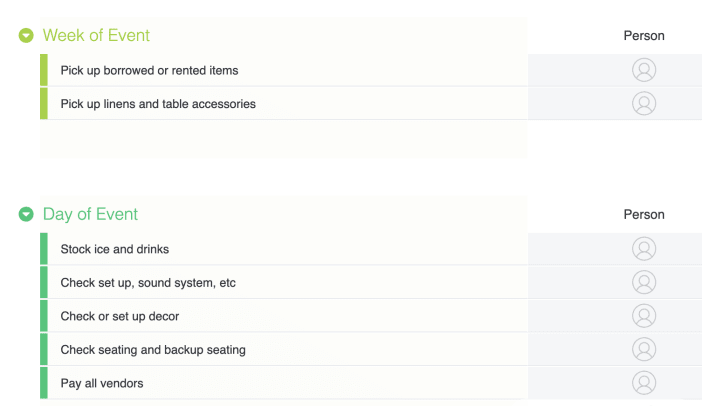 Your specific workflows will vary depending on the type of event. Corporate conferences demand different logistics than weddings, and hybrid events add another layer of complexity. But across all event types, certain skills show up again and again.
Essential event coordinator skills
What separates a great event coordinator from someone who’s simply organized? It comes down to a blend of hard skills and soft skills that work together under pressure.
Hard skills
- Budget management: Tracking expenses across multiple vendors, venues, and contingency funds while staying within the client’s financial boundaries
- Vendor negotiation: Securing favorable terms on contracts, catering agreements, and equipment rentals
- Logistics planning: Mapping out timelines, floor plans, transportation, and setup/teardown sequences
- Technology proficiency: Using event management platforms, virtual event tools, registration systems, and collaboration software
- Marketing and promotion: Supporting event visibility through social media, email campaigns, and partnership outreach
- Contract management: Reviewing legal terms, managing signatures, and tracking deliverable deadlines
Soft skills
- Multitasking: Juggling dozens of concurrent workflows without dropping details
- Problem-solving under pressure: Making quick, sound decisions when things don’t go as planned
- Communication: Keeping clients, vendors, staff, and stakeholders aligned throughout the process
- Adaptability: Pivoting gracefully when guest counts shift, weather disrupts plans, or speakers cancel
- Attention to detail: Catching the small things like seating charts, dietary restrictions, AV settings, that guests notice
- Leadership: Directing teams with confidence and composure, especially on event day
AI proficiency is also becoming a valuable skill in 2026. Coordinators who can leverage AI event management software for logistics optimization, attendee matchmaking, and personalization have a competitive edge, and employers increasingly look for candidates who are comfortable working alongside AI-powered platforms like monday.com.
Strong project management abilities tie many of these skills together, helping coordinators move from planning through execution without losing track of what matters.
Get startedEvent coordinator salary and career outlook
How much does an event coordinator make? Compensation varies based on experience, location, event type, and industry, but the numbers are encouraging for anyone considering this career path.
According to Glassdoor’s 2025 data, the median total pay for event coordinators in the United States sits around $60,000 per year. Salary.com reports an average of roughly $66,000 in 2026, with the full range spanning $42,000 to $85,000 or more depending on experience level, geographic market, and specialization.
Coordinators working in major metro areas, handling high-profile corporate events, or managing large-scale hybrid programs tend to earn at the higher end of that spectrum. Certifications also boost earning potential. The Certified Meeting Professional (CMP) and Certified Special Events Professional (CSEP) designations signal expertise that employers and clients value.
A typical career path looks like this:
- Entry-level coordinator: Assisting senior team members, managing smaller events, building vendor relationships
- Senior coordinator: Leading mid-size events independently, managing budgets, mentoring junior staff
- Event manager: Overseeing a portfolio of events, setting strategy, managing coordinator teams
- Director of events: Running the events function for an organization, owning P&L, and shaping long-term event strategy
There’s no strict degree requirement for entering the field, but relevant degrees in hospitality management, communications, marketing, or business provide a solid foundation. Most employers look for at least two years of hands-on experience.
The career outlook is strong. The virtual event platform market is projected to grow from $15.99 billion in 2025 to $41.12 billion by 2035. An estimated 73% of corporate events now incorporate hybrid elements, which means coordinators who master both in-person and digital delivery are in the highest demand.
Common challenges event coordinators face
Even experienced coordinators run into recurring obstacles. Recognizing these challenges is the first step to building workflows that account for them.
- Budget management across multiple events: When you’re juggling vendor contracts, venue deposits, catering costs, and contingency funds for several events simultaneously, it’s easy for expenses to fall through the cracks. Coordinators who can maintain real-time budget visibility stay ahead of overruns.
- Cross-team coordination: Aligning vendors, internal staff, clients, and stakeholders is difficult when communication lives across email threads, phone calls, text messages, and separate apps. A single missed update can cascade into day-of confusion.
- Timeline pressure with overlapping deadlines: Most coordinators manage multiple events at different stages. When vendor deliverables, client approvals, and permit deadlines overlap, keeping everything moving requires structured, visible timelines.
- Last-minute changes: Guest count fluctuations, weather disruptions, speaker cancellations, and venue availability shifts are all part of the job. Coordinators who anticipate changes and have contingency plans built into their workflows can adapt quickly without scrambling.
- Hybrid event complexity: Delivering a seamless experience for both in-person and virtual attendees simultaneously means coordinating two distinct production workflows, each with its own technology stack, staffing requirements, and audience engagement approach.
So how do you manage all of these moving parts without losing visibility? That’s where the right platform makes a measurable difference.
How monday.com helps event coordinators stay organized
Each of the challenges above shares a common thread: scattered information, disconnected communication, and limited visibility across workflows. monday AI Workspace brings everything into a single workspace where coordinators can plan, execute, and review events without switching between disconnected apps.
Here’s how the platform supports each phase of event coordination:
Planning
Dashboards and Gantt charts give coordinators real-time visibility into budgets, timelines, and progress across every event in their portfolio. Dependencies between vendor deliverables, venue bookings, and client approvals are mapped visually, so nothing falls through the cracks.
The Event Management Template provides a ready-made structure for organizing events by category, status, and timeline. No need to build a board from scratch.

Need to coordinate across events? The timeline view shows every event on a single board, making it easy to spot scheduling conflicts and resource gaps:

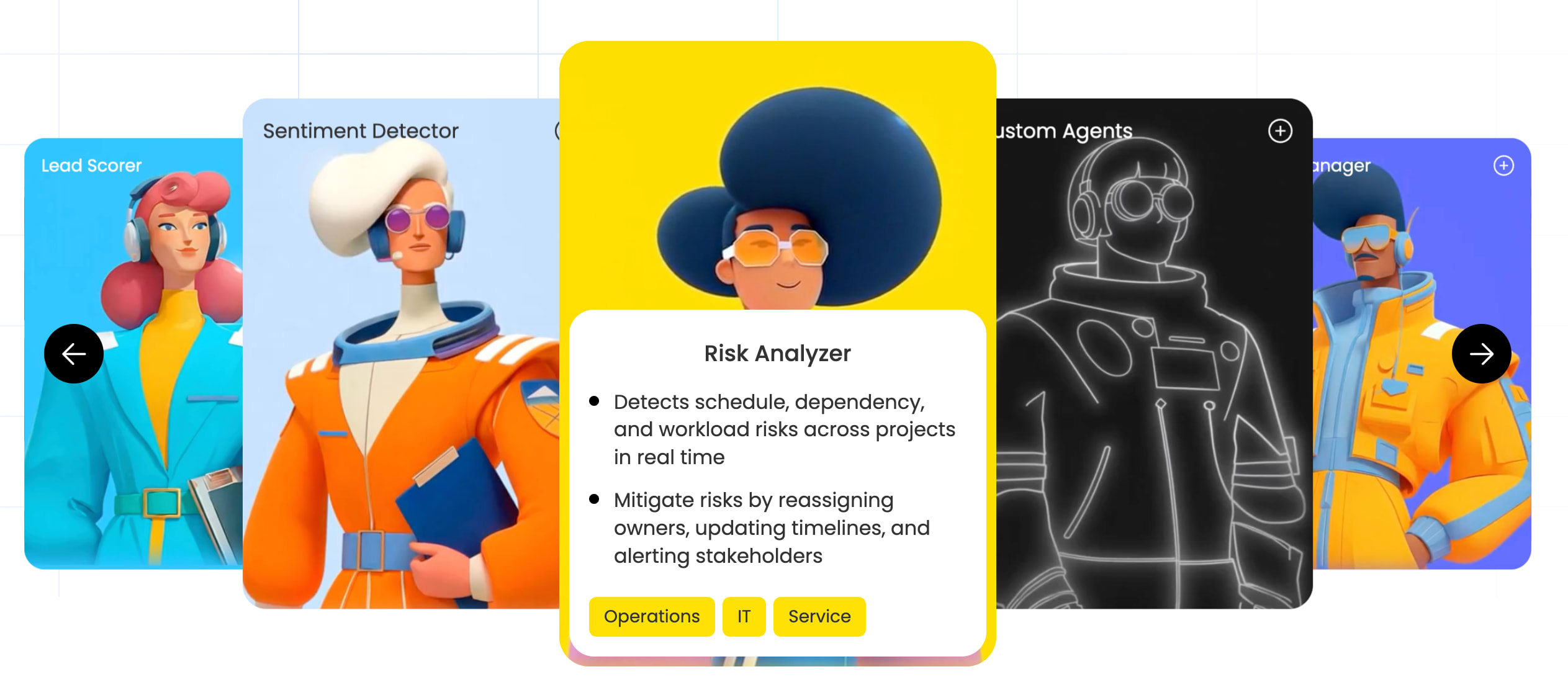
For vendor sourcing, monday agents take the manual research off your plate. The Vendor Researcher Agent gathers vendor details: pricing, reviews, security credentials, and contract terms, so you can compare options without hours of manual outreach.
Execution
Automations handle repetitive workflows that eat up time on event day. When a shipment arrives, automatically assign someone to handle check-in. When a deadline passes, trigger a notification to the responsible team member. These automations keep things moving without requiring constant manual follow-up.
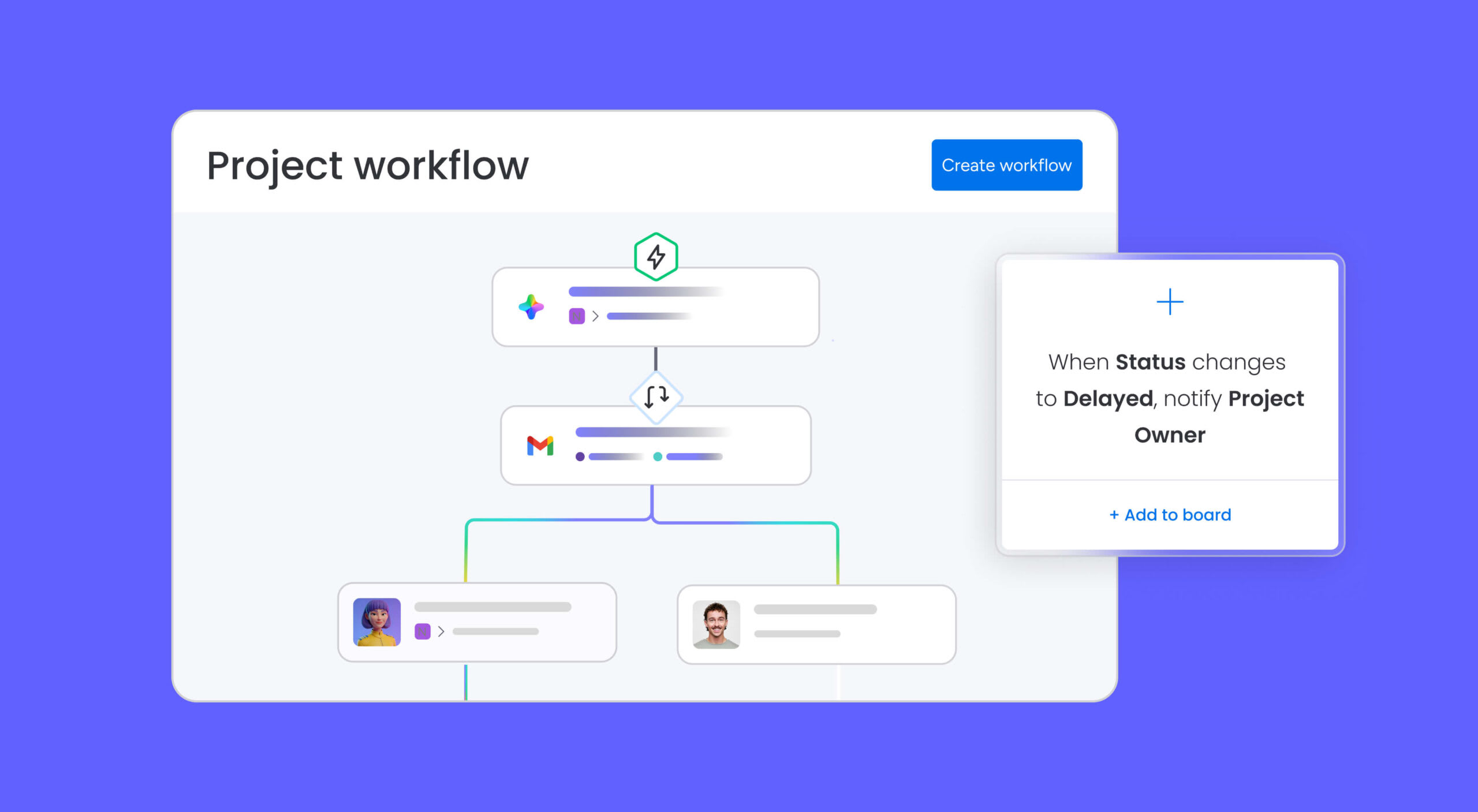
The RSVP Manager Agent handles event attendance end to end by sending invitations, tracking responses, and updating participant statuses automatically. Coordinators can monitor guest lists in real time and make last-minute adjustments if attendance numbers shift.
Workload view helps balance team resources across simultaneous events, so no one person is overloaded while others sit idle.
Post-event
WorkForms collect attendee feedback, vendor evaluations, and RSVP confirmations through custom forms that feed directly into your boards. No more chasing responses across separate survey tools.

The Meeting Summarizer captures planning and debrief meeting notes, extracts action items, and assigns owners, so post-event follow-ups don’t slip through the cracks.
Reporting dashboards pull data from across your boards to measure event performance against goals, track budget variance, and identify patterns that inform future events.
Building custom event apps and connecting AI assistants
With monday vibe, coordinators can build custom event-specific applications like RSVP trackers, vendor check-in tools, guest management dashboards from simple written prompts, without any coding. These apps run on monday.com’s enterprise-grade infrastructure and adjust to any screen size, including mobile.

monday MCP connects your workspace to external AI assistants for cross-board visibility, smart workflow creation from meeting notes, and project reporting across multiple events, all while respecting your account permissions.
The platform also integrates with 200+ services coordinators already use, including Eventbrite, Google Calendar, Outlook, Slack, and Google Drive. And with iOS and Android apps, your event data stays at your fingertips wherever you go.
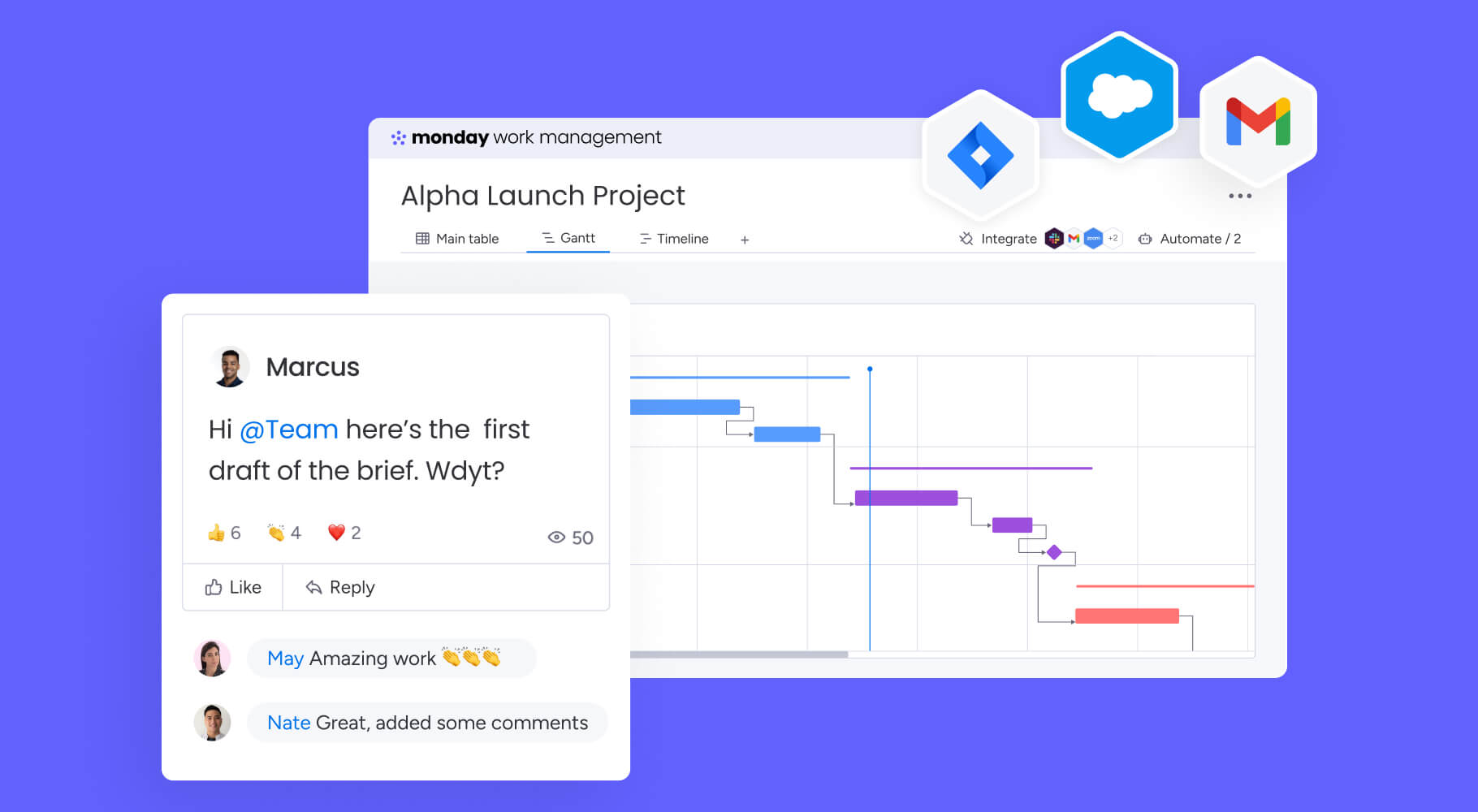
Nearly 250,000 customers worldwide use monday.com to manage their work, including event planning and operations teams who need every detail visible and every deadline tracked.
Get started as an event coordinator with the right platform
Event coordination is a career that rewards organization, adaptability, and the ability to keep dozens of details moving in sync. Whether you’re planning your first corporate conference or managing a portfolio of hybrid events, the fundamentals stay the same: know your timeline, align your team, track every vendor commitment, and build contingency plans for the unexpected.
monday.com’s AI Work Platform gives you a centralized workspace to handle all of that, from pre-event planning through post-event reporting. With automations, AI agents, real-time dashboards, and templates built for event workflows, the platform helps coordinators spend less time chasing updates and more time delivering experiences that matter.
Get startedFAQs
What does an event coordinator do?
An event coordinator manages the logistics of events from start to finish. They handle pre-event planning (budgeting, vendor booking, timeline creation) then shift to day-of execution, directing staff, troubleshooting problems, and keeping the schedule on track. After the event, they collect feedback, reconcile budgets, and compile performance reports.
How much does an event coordinator make?
Event coordinators earn a median total pay of around $60,000 per year, according to Glassdoor's 2025 data. The full salary range spans roughly $42,000 to $85,000 or more, depending on experience, location, specialization, and event type. Coordinators in major metro areas and those managing large-scale hybrid events tend to earn at the higher end.
How do you become an event coordinator?
Becoming an event coordinator typically involves a combination of education and hands-on experience. Relevant degrees in hospitality management, communications, marketing, or business provide a strong foundation, and most employers look for at least two years of experience. Professional certifications like the Certified Meeting Professional (CMP) or Certified Special Events Professional (CSEP) can boost credibility and earning potential. Building a portfolio of successfully managed events is one of the most effective ways to advance.
What is the difference between an event coordinator and an event planner?
The difference between an event coordinator and an event planner comes down to focus. Event planners handle the broader creative vision: choosing venues, selecting themes, curating menus, and negotiating contracts. Event coordinators focus on executing that vision, managing day-of logistics, directing staff, and solving problems as they arise. Planners shape what the event will be; coordinators make sure it happens smoothly.
What skills do you need to be an event coordinator?
The skills you need to be an event coordinator include both hard and soft skills. On the hard-skill side: budget management, vendor negotiation, logistics planning, and technology proficiency. On the soft-skill side: multitasking, problem-solving under pressure, communication, adaptability, and attention to detail. AI proficiency is increasingly valued as coordinators use AI-powered platforms for logistics optimization and personalization.
Is event coordination a good career?
Event coordination is a strong career choice with significant growth potential. The rise of hybrid and virtual events continues to expand the market, salary ranges are competitive, and coordinators can specialize in corporate, social, nonprofit, or entertainment events depending on their interests.
