

A company launches a rebrand. The new logo looks sharp, the messaging feels stronger, and the website reflects a bold new direction. But a few months later, sales decks still use the old logo, social posts sound off-brand, and customer emails feel disconnected from the promise on the homepage.
This gap between strategy and execution is where brand management becomes critical. It is not just about visual identity or messaging. It is about building systems that ensure your brand shows up consistently across every team and every touchpoint.
In 2026, brand management extends far beyond marketing. It connects product, sales, HR, and support to a shared brand standard. When done right, it strengthens trust, protects reputation, and turns your brand into a true business asset.
This definitive guide explains how modern brand management works, why it drives growth, and how to build a system that scales with your organization.
Key takeaways
- Brand management ensures consistency across all touchpoints: It aligns visual identity, messaging, and customer experience with the brand promise.
- Cross-functional collaboration is essential: Involving teams from marketing, sales, product, HR, and support prevents silos and maintains brand coherence.
- Governance and scalable guidelines enable operational efficiency: Automated workflows and clear standards reduce errors and speed up approvals.
- Measuring brand performance drives continuous improvement: Tracking awareness, engagement, consistency, and sentiment provides actionable insights.
- Powerful platforms like monday work management support execution: Centralized workspaces, automation, and dashboards help teams implement, track, and optimize brand systems effectively.

What is brand management?
Brand management is the strategic process of maintaining, improving, and protecting how a brand is perceived in the market. It essentially involves coordinating every touchpoint where customers interact with the organization: visual identity, messaging, customer service, and product experience.
Brand management ensures the brand promise matches reality. When a tech company delivers consistent experiences across platforms, documentation, and support, that reflects strong brand management. When a global retailer provides uniform service in Tokyo and New York, brand management is creating measurable value.
Modern brand management extends beyond marketing departments: it requires coordination across functions, operational discipline, and scalable systems that work across teams, locations, and channels. Organizations use brand management to turn static guidelines into actionable systems for all departments.
Key elements of brand management
Brand management begins with several core components that drive consistency, build trust, and deliver measurable results. These elements create a cohesive brand experience across all touchpoints:
- Brand identity: The visual and verbal elements that make a brand recognizable, including logos, colors, typography, and voice. These help customers remember and identify the brand.
- Brand positioning: The unique space a brand occupies in the market compared to competitors. It defines why customers choose the brand and what differentiates it.
- Brand guidelines: The documented standards for brand presentation across channels. These serve as a reference for maintaining consistency.
- Brand governance: The processes that enforce standards without slowing teams down. This keeps quality high while maintaining momentum.
- Brand measurement: The methods used to track brand performance and health. It acts as a feedback loop for ongoing improvement.
Evolution from traditional to operational brand management
Brand management is no longer confined to marketing. Today, every customer interaction, product decision, and internal communication shapes how your brand is perceived.
Traditionally, brand management centered on static PDF guidelines, manual email approvals, and marketing-led control. The focus was mainly visual consistency, supported by periodic research and slow, gatekeeper-driven processes.
Operational brand management looks different. It is cross-functional, system-driven, and embedded into daily work. Brand standards live inside workflows, approvals are automated, and digital asset libraries stay current and accessible. Instead of policing the brand after the fact, organizations build processes that protect and reinforce it at scale.
Brand management ensures the brand promise matches reality. When a tech company delivers consistent experiences across platforms, documentation, and support, that reflects strong brand management.
Why brand management matters for business growth
Brand management is often mistaken for a creative exercise. In reality, it is a business discipline. When your brand is managed systematically, it directly influences revenue, retention, operational efficiency, and long-term market value.
Here is how strong brand management translates into measurable impact:
Build brand equity and pricing power: Consistent delivery of your brand promise increases trust and recognition. Higher brand equity supports premium pricing, reduces customer acquisition costs, and accelerates adoption of new products or services.
Create consistent customer experiences: Customers expect the same tone, quality, and values across websites, emails, product interfaces, and support interactions. Brand management aligns internal execution with external messaging, improving retention and lifetime value.
Drive cross-functional alignment: A clear brand strategy guides decisions across product, sales, HR, and operations. Shared standards reduce internal friction and ensure every team reinforces the same positioning and priorities.
Protect and strengthen reputation: In fast-moving markets, inconsistency or miscommunication can quickly damage trust. Structured governance and monitoring help teams respond quickly, maintain clarity during crises, and protect long-term brand value.

4 core components of modern brand management
Effective brand management relies on four essential components that transform abstract ideas into practical business operations. These elements work together to create a scalable system that maintains consistency, quality, and alignment across an organization.
Brand strategy and positioning
Brand strategy defines how your organization creates value for customers. It begins with a thorough understanding of target audiences, including their needs, pain points, and aspirations. Positioning clarifies how your brand uniquely addresses those challenges compared with competitors.
This component establishes your brand’s mission, vision, values, and personality, which guide all communication. Without a defined strategy, execution can become fragmented, reactive, and inconsistent.
Brand identity and assets
This component includes the tangible and intangible elements used to express your brand. Visual assets include logos, color palettes, typography, and photography style. Verbal assets cover tone of voice, messaging frameworks, and taglines.
Modern brand management also requires digital infrastructure for storing and sharing these assets.
Organizing materials into centralized, accessible libraries ensures teams across locations use current, approved assets. Platforms like monday work management allow teams to create dedicated boards to track ownership, maintain version history, and ensure correct files are always available.
Brand governance and guidelines
Governance provides a framework to maintain brand consistency across all touchpoints. It defines approval authority, standards for creating new elements, and benchmarks for quality. Guidelines serve as the reference, while governance acts as the enforcer.
Modern governance emphasizes enablement over policing. Automated workflows streamline approval processes, routing assets for review based on status changes and notifying stakeholders without manual effort. Compliance becomes part of daily operations, allowing teams to act quickly while upholding brand standards.
Brand performance measurement
Managing brands effectively requires measurement. This component tracks quantitative and qualitative data to understand brand health. Quantitative metrics might include brand awareness, share of voice, and consistency scores. Qualitative measures involve sentiment analysis, customer feedback, and perception surveys.
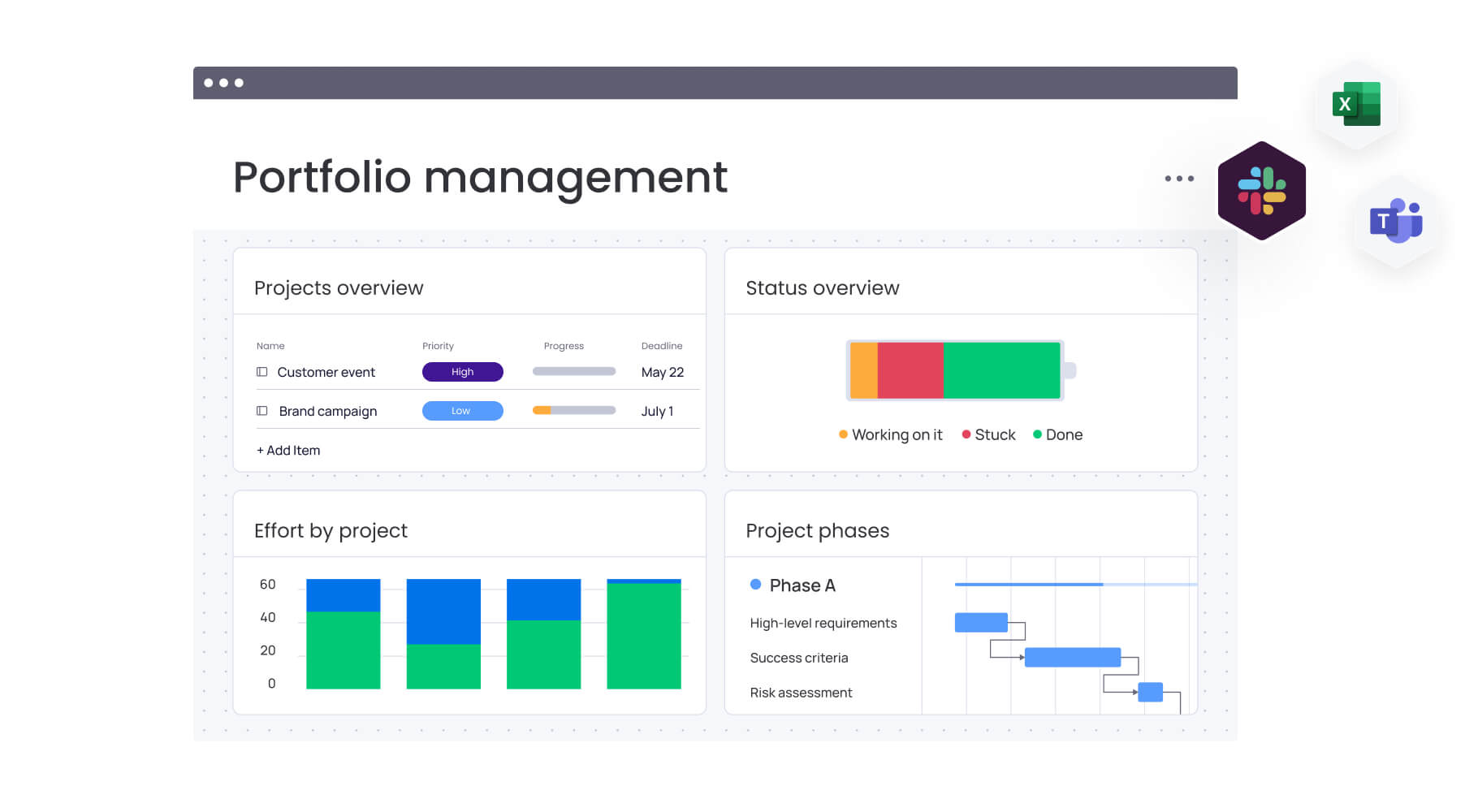
Regular monitoring identifies trends, highlights inconsistencies, and demonstrates the ROI of brand initiatives to leadership. Dashboards that consolidate data from multiple projects provide real-time visibility, allowing teams to measure brand performance across the organization.
Powerful platforms like monday work management connect these components, giving organizations a single place to manage assets, track approvals, and monitor performance. This integration ensures that strategy and execution remain aligned while maintaining efficiency and transparency.
Try monday work management
“monday.com has been a life-changer. It gives us transparency, accountability, and a centralized place to manage projects across the globe".
Kendra Seier | Project Manager
“monday.com is the link that holds our business together — connecting our support office and stores with the visibility to move fast, stay consistent, and understand the impact on revenue.”
Duncan McHugh | Chief Operations OfficerHow brand management works in practice
Theory becomes effective only when applied consistently. In practice, brand management involves structured workflows and routine activities that keep brands aligned and moving forward. Understanding these practical applications enables organizations to implement a system that consistently drives brand success.
The brand management process
Brand management follows a continuous cycle of assessment, strategy, execution, and optimization. Each phase builds on the last, creating opportunities for improvement and adaptation:
- Audit and assessment: Evaluate the current brand state, identify inconsistencies, and analyze competitor positioning.
- Strategy development: Refine brand strategy and update guidelines to address identified gaps.
- Implementation: Roll out updated strategies and assets through training and centralized digital libraries.
- Monitoring and optimization: Track performance metrics and feedback, making real-time adjustments to maximize impact.
Day-to-day brand management activities
Daily operations ensure consistency and responsiveness. These activities form the operational backbone of brand management:
- Asset review and approval: Review marketing materials, sales decks, and communications to ensure they meet brand standards.
- Library maintenance: Update digital asset management systems regularly, archiving outdated files and uploading new templates.
- Cross-team consultation: Advise departments on applying brand elements to specific projects.
- Market monitoring: Track social mentions, competitor activity, and news cycles to manage brand reputation proactively.
Cross-departmental brand workflows
Brand management extends beyond marketing. Sales teams require updated presentation templates and case studies. HR needs employer branding materials aligned with corporate identity. Product teams rely on UI/UX guidelines to ensure interfaces match brand promises.
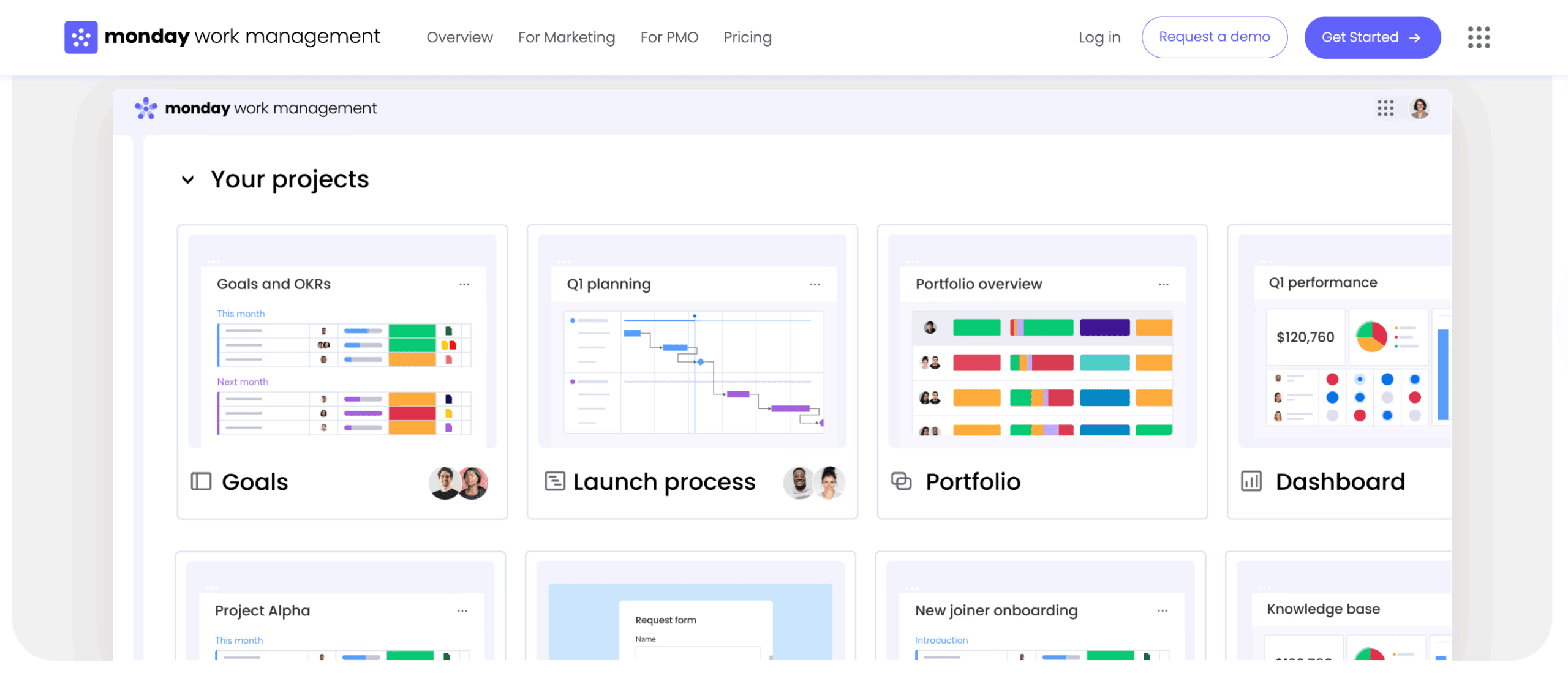
Effective workflows also enable departments to request, review, and finalize branded assets without constant email back-and-forth. Modern platforms like monday work management streamline this process by using request forms to capture essential information, routing approvals automatically to the appropriate stakeholders.
7 essential brand management strategies that drive results
These helpful strategies below help organizations shift from reactive brand policing to proactive brand growth, addressing the challenges of managing brands at scale. Each strategy builds on the others to create a comprehensive, sustainable approach.
Develop a brand architecture
A clear structure defines relationships between parent companies, sub-brands, and products. Organizations may operate as a “Branded House,” where the master brand drives all messaging, or a “House of Brands,” where sub-brands operate independently.
Well-defined architecture prevents market confusion and ensures internal teams understand how new offerings fit within existing portfolios. This alignment supports consistent messaging and simplifies decision-making across product launches and campaigns.
Create scalable brand guidelines
Modern brand guidelines are digital, dynamic, and designed for scale. Rather than static PDFs, living brand portals provide instant updates, distinguishing non-negotiable elements from flexible areas.
Scalable guidelines allow creative teams to work autonomously while remaining aligned with brand standards. They also prepare organizations to adopt new channels and formats, keeping the brand adaptable and future-ready.
Implement brand governance systems
Systematic governance replaces ad-hoc approvals by establishing review tiers based on risk and impact. High-stakes assets such as major campaigns require executive sign-off, while routine posts may only need peer review.
Formal governance balances control with speed, accelerating go-to-market processes. Understanding where delays occur in current approval workflows helps organizations streamline brand operations and reduce bottlenecks.
Build cross-functional brand teams
Silos can undermine brand consistency. Successful organizations form cross-functional councils with representatives from sales, product, support, and HR.
These teams meet regularly to discuss initiatives, resolve conflicts, and ensure enterprise-wide understanding of brand strategy. Collaboration across departments strengthens alignment and creates a unified approach to external messaging.
Automate brand approval workflows
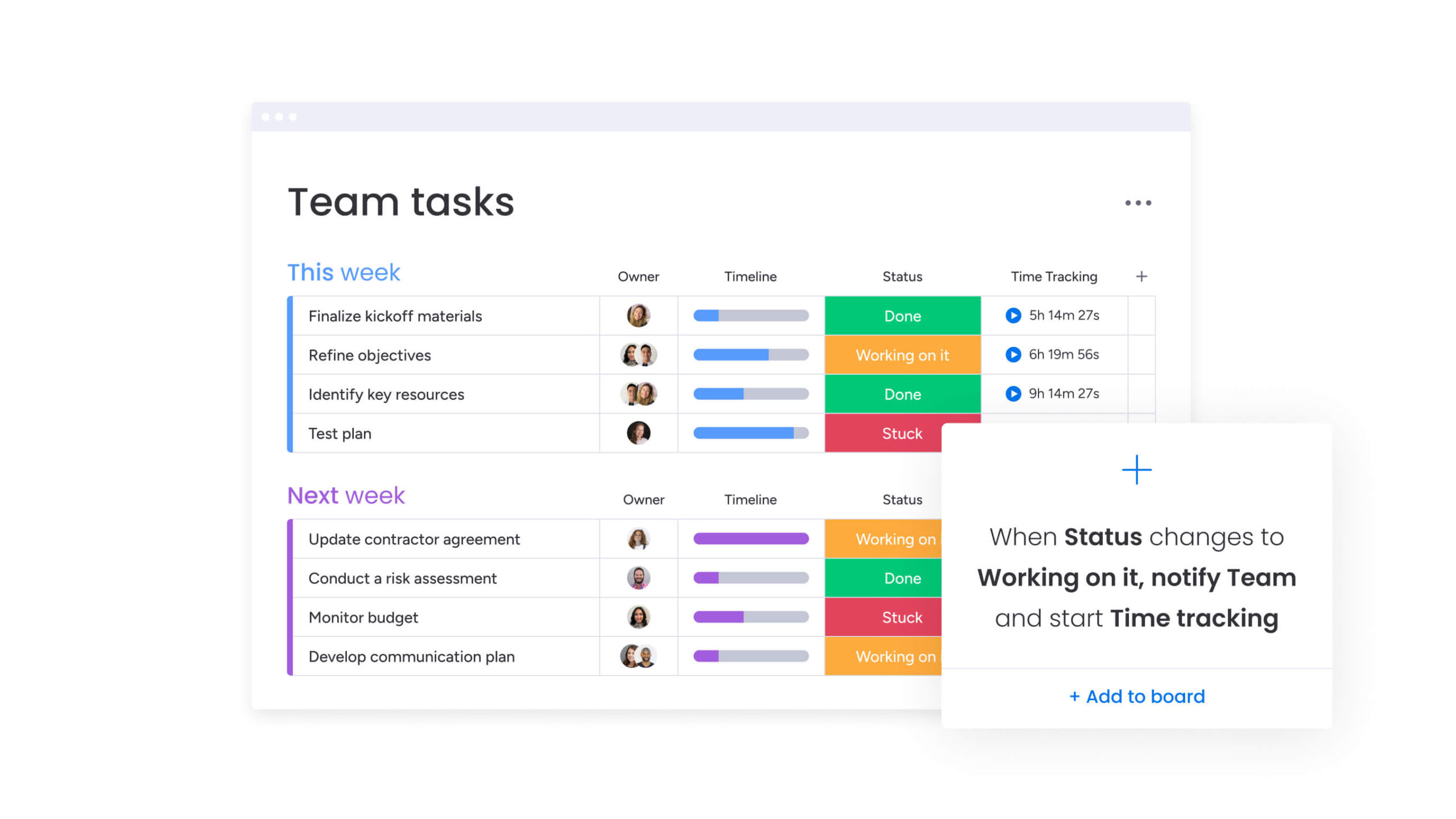
Automation supports scaling brand operations. Using modern work management platforms, teams can route assets for review automatically. When a designer marks a file as ready, stakeholders are notified, and approaching deadlines trigger reminders.
This reduces administrative overhead and ensures that every asset reaches the market fully approved. Platforms like monday work management integrate these workflows with communication tools, keeping brand operations efficient and transparent.
Track brand performance metrics
Data-driven brand management relies on balanced KPI scorecards that measure overall brand health. Metrics help organizations evaluate the effectiveness of brand strategies and optimize for impact.
- Brand awareness metrics: track recognition and recall among target audiences.
- Consistency scores: conduct internal audits to measure adherence to guidelines across teams.
- Engagement metrics: analyze how audiences interact with content across channels.
- Sentiment analysis: assess the emotional tone of public conversation around the brand.
Integrate AI for brand intelligence
Artificial intelligence enhances brand management by analyzing large volumes of data, identifying logo misuse across the internet, monitoring sentiment trends in real time, and predicting how messaging performs across different audiences. In 2026, AI provides actionable insights that allow organizations to move from reactive monitoring to proactive strategy.
Organizations leveraging modern platforms like monday work management can use AI Blocks to categorize incoming brand requests at scale, summarize feedback from multiple sources, and detect sentiment in customer communications. These capabilities give brand teams a clearer view of opportunities and risks before they become visible through traditional methods, helping teams align strategy with real-world performance.
Brand management vs marketing management
While closely related, brand management and marketing management serve very distinct organizational functions. Understanding the differences helps teams allocate resources effectively and structure departments efficiently.
This comparison clarifies how each discipline contributes to long-term business success.
| Feature | Brand management | Marketing management |
|---|---|---|
| Primary focus | Identity, reputation, long-term equity | Lead generation, sales, short-term ROI |
| Time horizon | Long-term (years/decades) | Short-term (quarters/months) |
| Key question | "Who are we and why do we matter?" | "How do we drive immediate results?" |
| Success metrics | Brand equity, sentiment, consistency | Sales metrics, conversion rates, ROI |
| Scope | Company-wide (internal and external) | Campaign and channel-focused |
Scope and responsibilities
Brand management protects the company’s identity. Its holistic scope influences internal culture, employee behavior, and long-term strategy. Marketing management drives demand generation with tactical campaigns aimed at optimizing channels and revenue.
Brand management defines the voice and positioning, while marketing management applies that voice when engaging customers. Clear alignment ensures campaigns reflect the brand consistently across all touchpoints.
Organizational structure
Many organizations have brand and marketing management reporting to the same chief marketing officer, operating as peers. Brand managers often act as internal consultants, providing marketing teams with assets and guidelines for campaigns. Larger enterprises may separate brand management from performance marketing to protect long-term brand equity over quarterly targets.
Success metrics and KPIs
Brand and marketing management measure different things, and that distinction matters.
Brand management focuses on long-term value. It tracks brand awareness, recognition, sentiment, share of voice, and how consistently teams apply brand standards internally. These metrics show whether your brand is strengthening or weakening over time.
Marketing management focuses on performance and pipeline. It measures click-through rates, cost per lead, conversion rates, and revenue attribution to understand how efficiently campaigns drive growth.
Both perspectives are essential. Brand metrics protect and build long-term equity, while marketing metrics drive short-term results
Brand management defines the voice and positioning, while marketing management applies that voice when engaging customers. Clear alignment ensures campaigns reflect the brand consistently across all touchpoints.
Who owns brand management and how responsibilities are shared
Brand management rarely sits with one person alone. In most organizations, ownership is distributed across teams. What matters most is clarity. Without defined accountability, even the strongest brand strategy breaks down in daily execution.
Here’s how responsibilities are typically structured:
Brand manager core responsibilities
- Strategy development: Continuously refine brand positioning and value proposition based on market insights, competitive shifts, and customer feedback.
- Guideline management: Own and maintain brand guidelines so they remain current, accessible, and practical for real-world use.
- Cross-team coordination: Bridge departments to ensure consistent brand application across campaigns, product releases, and internal communications.
- Performance monitoring: Track brand health through dashboards and reporting, and communicate risks and progress to leadership.
Marketing and creative team roles
Marketing and creative teams execute the brand day to day. Designers, copywriters, and content leads translate strategy into visual and verbal assets. They apply guidelines in practice and surface gaps when standards need to evolve.
Executive stakeholder involvement
Leadership sets direction and reinforces accountability. Executives define the business objectives that brand strategy must support and model brand values internally. Their visible commitment ensures brand governance carries weight across the organization.
Cross-functional team contributors
Brand experience does not stop with marketing. Sales teams shape perception in every pitch. Customer success reinforces it in every support interaction. HR reflects it in hiring and employer branding. Each department owns part of the brand experience, making cross-functional alignment essential for consistency.
How to build your brand management system
Structured brand management transforms scattered efforts into scalable operations. The following process helps organizations implement systems that grow with their business.
- Audit your current brand state: Review all touchpoints, including social profiles, sales decks, and internal documents, to establish a baseline. Identify inconsistencies and gaps in team understanding and performance metrics.
- Define brand management objectives: Articulate clear goals, such as improving brand consistency across regions, reducing creative asset approval times, or enhancing employee engagement. Objectives guide workflow design and process selection.
- Map cross-functional workflows: Document how brand-related work moves through the organization. Identify who requests, creates, and approves assets, and pinpoint bottlenecks. Workflow mapping ensures brand checks integrate seamlessly into existing project lifecycles.
- Select technology and platform: Choose a platform that supports workflows, asset management, and reporting. Modern solutions like monday work management centralize strategy, project management, and digital assets in a single space, with customizable dashboards and automated approvals.
- Launch and iterate: Rollout requires training, documentation, and executive communication to drive adoption. Continuous iteration through feedback loops allows teams to refine processes, update guidelines, and scale systems as the organization grows.
Scale your brand management with monday work management
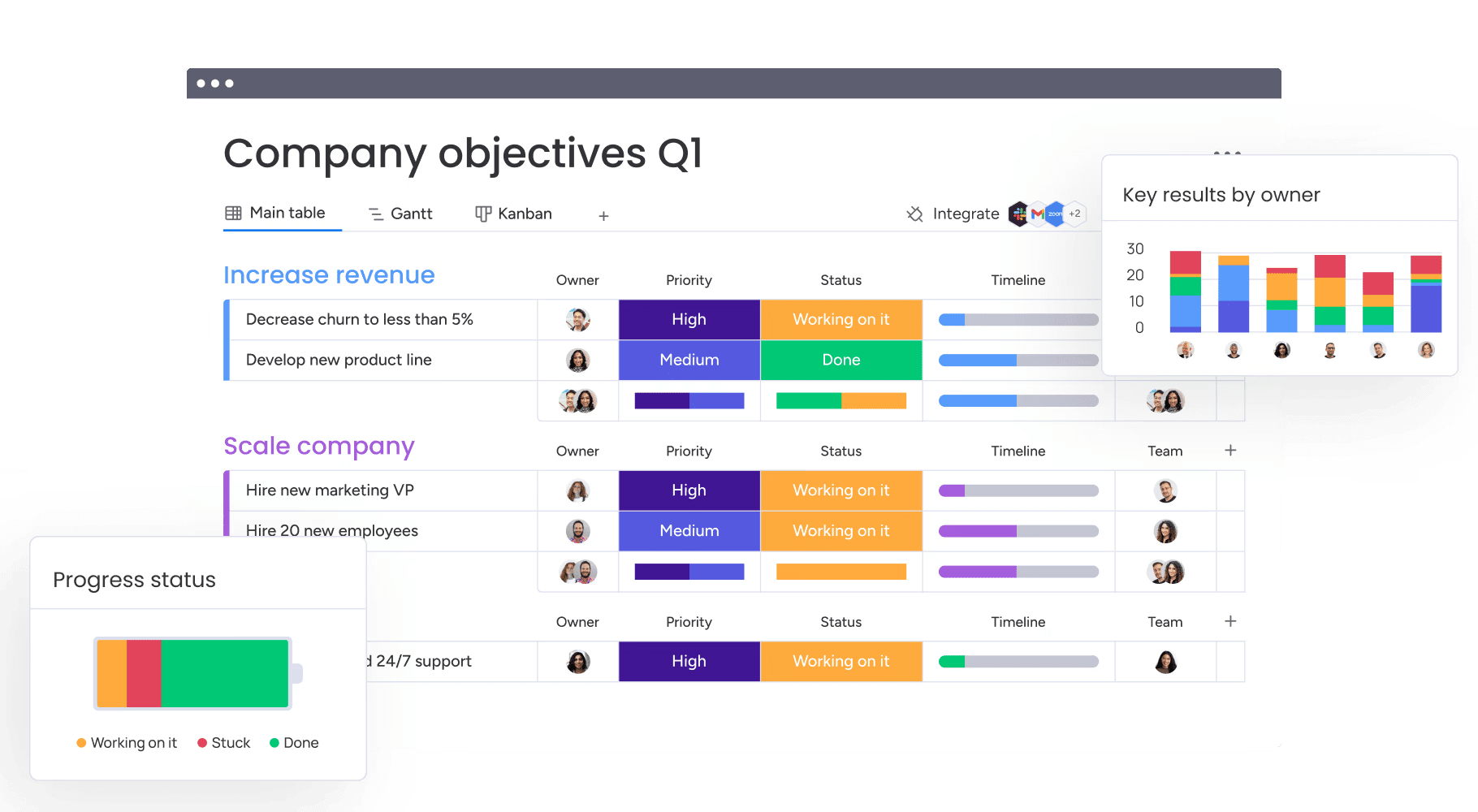
Intuitive platforms like monday work management unify brand strategy, asset management, and cross-functional execution. By consolidating fragmented processes, teams gain visibility into every project and maintain consistency across all departments.
Connect brand strategy to daily execution
Teams can link high-level strategic boards to tactical project boards, ensuring every task aligns with business objectives. This visibility helps organizations stay focused on the brand’s long-term vision while executing day-to-day projects efficiently.
Automate brand workflows and approvals
Automated workflows simplify governance. For example, when a designer uploads an asset marked “Ready for Review,” the platform notifies brand managers automatically. AI capabilities further streamline categorization and data extraction, reducing administrative overhead.
Track brand performance with real-time dashboards
Platforms transform data into actionable insights through customizable dashboards. Brand leaders can create views that aggregate data from multiple projects, showing real-time metrics on campaign progress, team bandwidth, and asset usage.
Portfolio risk insights analyze boards to identify potential bottlenecks or consistency issues before they derail projects, enabling proactive management.
Enable seamless cross-team collaboration
Work management platforms break down departmental walls. Marketing, sales, product, and HR teams operate in the same environment, sharing single sources of truth. Contextual communication features allow feedback directly on assets or projects, removing scattered email threads.
Granular permission settings ensure collaboration stays open while sensitive brand assets or strategies remain secure.
Transform your brand operations for sustainable growth
Effective brand management converts scattered efforts into unified operations that deliver measurable business results. Organizations that implement systematic brand management see improved customer loyalty, higher market value, and greater operational efficiency.
The key is moving beyond static guidelines to dynamic systems that empower teams while maintaining consistency.
Modern brand management also requires technology that links strategy to execution. Teams need platforms that automate routine tasks, provide real-time visibility, and enable collaboration without compromising brand standards. Aligning brand operations with business objectives creates sustainable competitive advantages that grow over time.
The future favors organizations that scale their brand consistently across touchpoints while remaining agile to market changes. Begin building your brand management system today to unlock your brand’s full potential as a business asset.
Try monday work managementFrequently asked questions
What is meant by brand management?
Brand management is the process of maintaining and improving a brand’s identity, messaging, and perception to increase long-term value and equity.
What are the 3 C's of brand management?
The three C's—consistency, clarity, and credibility—ensure the brand looks and feels the same everywhere, communicates messages clearly, and delivers on its promises.
What are the 4 P's of brand management?
The 4 P's are product, price, place, and promotion. They work together to reinforce brand positioning, covering offerings, pricing strategy, channels, and communications.
What are the 5 P's of brand management?
The 5 P's add people to the mix, recognizing employees, customers, and partners as essential to shaping the brand experience.
What's the difference between brand management and brand marketing?
Brand management is a long-term strategy focused on identity, reputation, and equity, while brand marketing executes campaigns to promote the brand and drive results.
How does monday work management support brand management workflows?
Platforms like monday work management centralize planning, asset organization, and approvals, enabling cross-team collaboration and consistent brand execution.
What are the key components of a brand management system?
A system includes brand strategy, identity and assets, governance, and performance measurement to ensure consistency and track results.
How do you measure brand management success?
Success is measured through awareness, engagement, consistency, and sentiment metrics, providing a clear view of brand health across all touchpoints.

 Get started