


A recent campaign generates 500 leads. Sales celebrates the numbers, leadership approves additional budget, and momentum feels strong. Three months later, only 12 leads convert to actual customers. The gap between marketing activity and measurable business impact becomes clear, raising questions about whether the strategy is effectively driving growth.
This disconnect between effort and results is common. B2B marketing strategy requires connecting complex buyer journeys, multiple stakeholders, and extended sales cycles into a cohesive approach that produces predictable pipeline. Unlike consumer marketing’s rapid conversions, B2B success relies on sustained engagement, relationship building, and demonstrating ROI at every stage.
This article explores the essential components of effective B2B marketing strategy, from understanding how business buyers make decisions to implementing proven tactics that drive revenue growth. It also handily covers key differences between B2B and B2C approaches, presents a structured framework for strategy development, and shows how organizations coordinate complex marketing operations to achieve consistent results.
Key takeaways
- Focus on your ideal customer profile: define firmographics, technographics, and pain points to prioritize accounts with the highest conversion potential.
- Align marketing goals with revenue: set measurable objectives like pipeline value, lead-to-opportunity conversion, and deal size growth to track impact.
- Plan for long, multi-stakeholder sales cycles: create targeted content for each decision-maker to guide prospects from awareness to purchase.
- Leverage a few high-impact channels: master owned, paid, and earned channels before expanding to maximize ROI and reduce wasted resources.
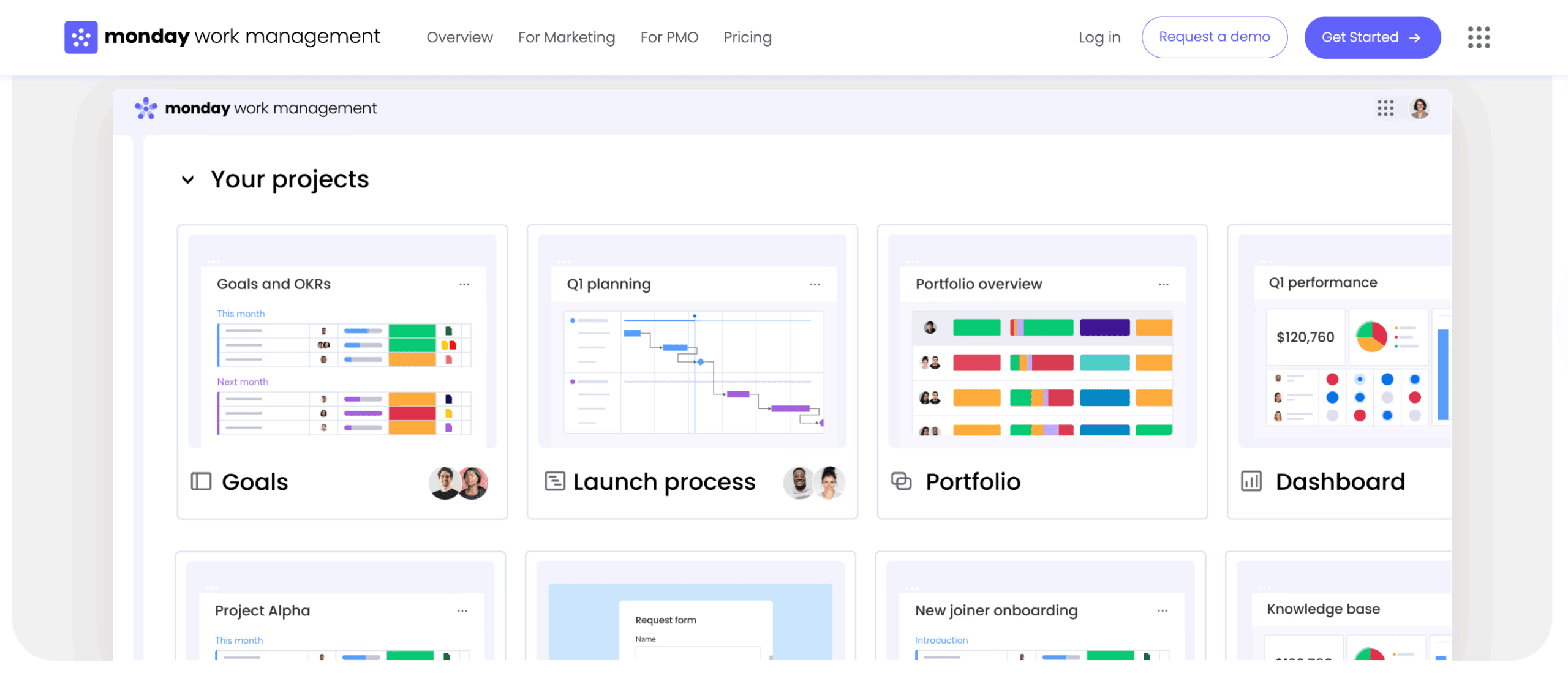
- Centralize execution with work management platforms: use tools like monday work management to coordinate campaigns, track performance, and streamline cross-team collaboration.
What is B2B marketing strategy?
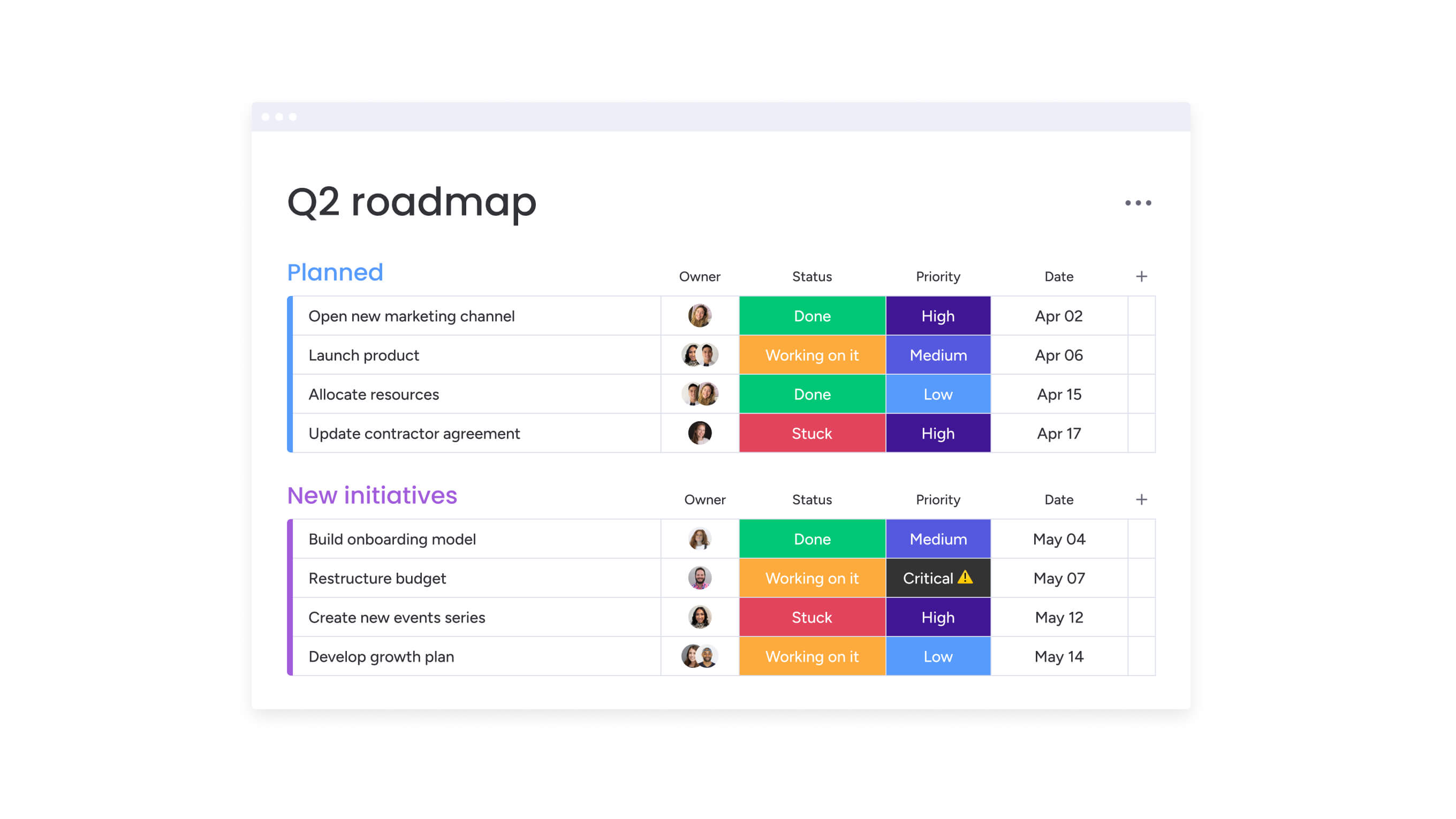
At its core, a B2B marketing strategy defines exactly how to identify the right business buyers, capture their attention, and convert them into customers. It serves as a blueprint connecting every element — from target audience to performance measurement — ensuring marketing efforts directly contribute to revenue. Unlike consumer marketing, B2B strategy accounts for longer sales cycles, multiple stakeholders, and the emphasis on ROI and relationship building rather than impulse purchases.
Think of the strategy as a game plan guiding your campaigns through extended sales cycles. Without it, marketing efforts risk becoming a scattershot of tactics. With it, campaigns are purposeful, aligned, and designed to resonate with the unique needs of businesses.
Understanding business to business marketing fundamentals
B2B marketing operates under different rules than consumer marketing. Deals often span months or years, involve input from committees, and carry higher stakes. A single enterprise contract can surpass hundreds of individual consumer purchases in value.
For example, a software company selling enterprise infrastructure undergoes rigorous vetting, including security reviews, procurement negotiations, and stakeholder alignment. Each transaction carries substantial financial implications, requiring marketing, sales, and product teams to coordinate effectively across the entire buyer journey. Sharing insights and maintaining consistent messaging at every touchpoint is essential.
Essential components of an effective B2B strategy
An effective B2B strategy is not a collection of random tactics. It is a cohesive system in which each element reinforces the others. Target account selection guides content creation, which informs channel strategy, all driving toward revenue objectives. Understanding how these pieces interconnect highlights gaps in your current approach and clarifies where to focus for maximum impact.
- Target market definition: move beyond basic demographics to include firmographics such as company size and revenue, as well as technographics reflecting the current tech stack. This forms an Ideal Customer Profile (ICP) prioritizing accounts most likely to convert.
- Value proposition development: articulate specific business problems your solution addresses and the measurable value it delivers. Focus on outcomes, not just features, to differentiate from competitors.
- Channel strategy and mix: identify where your audience consumes information, balancing inbound channels like SEO and content with outbound tactics such as account-based marketing and events.
- Content marketing approach: map educational and persuasive assets to stages of the buyer journey, ensuring prospects have the information needed to progress from awareness to decision.
- Sales and marketing alignment: establish shared definitions for leads and service-level agreements regarding lead handoff and follow-up speed.
- Performance measurement frameworks: track KPIs that matter, such as customer acquisition cost and pipeline velocity, rather than vanity metrics like impressions.
Why B2B marketing strategy drives revenue growth
A clear strategy ensures marketing investment targets high-potential accounts, filtering out unqualified leads and enabling sales teams to focus on prospects that align with the ICP. This approach shortens sales cycles, improves conversion rates, and increases revenue predictability.
Shifting from broad outreach to account-based marketing often produces larger deals and higher lifetime value. Allocating budget toward initiatives that generate pipeline contribution ensures every marketing dollar drives measurable results.
Key differences between B2B and B2C marketing strategies
B2B and B2C marketing differ significantly in audience, motivation, sales cycles, and content. Recognizing these distinctions helps design campaigns that resonate with business buyers.
| Feature | B2B marketing | B2C marketing |
|---|---|---|
| Decision maker | Committee (6-10 stakeholders) | Individual or household |
| Buying motivation | Logic, ROI, efficiency, risk mitigation | Emotion, status, desire, convenience |
| Sales cycle | Long (3-18+ months) | Short (minutes to weeks) |
| Relationship | Long-term partnership | Transactional |
| Content focus | Educational, technical, proof-based | Entertaining, visual, emotional |
Complex decision-making processes
B2B purchases involve committees with diverse priorities. Marketing must address each role simultaneously. For instance, a CMO may focus on brand impact, a CIO on security, and a CFO on contract terms.
Marketing assets should include:
- Technical specifications: for IT teams evaluating implementation.
- ROI calculators: for finance teams justifying budgets.
- Case studies: for leadership assessing strategic alignment.
This approach builds consensus among decision-makers.
Extended sales cycles and touchpoints
The B2B sales cycle typically spans three to 18 months, depending on deal size. During this period, prospects move through research, evaluation, and approval phases. Marketing must maintain engagement consistently without causing fatigue.
A structured nurture strategy delivers value at every touchpoint: from educational blog posts to mid-funnel webinars and late-stage competitor comparison guides. Each interaction builds on the previous one, guiding prospects toward a decision. They may engage 20 to 30 times across multiple channels before signing a contract.
Multi-stakeholder engagement requirements
Marketing materials must address multiple personas to be effective. Messaging that resonates with daily users: focused on ease of use and efficiency—may not persuade budget holders, who prioritize total cost of ownership and strategic alignment.
B2B marketers develop layered content strategies, creating variations of the core message for different stakeholders. While the approach shifts by persona, the underlying value proposition remains consistent to avoid confusion within the prospect’s organization.
ROI and value-based messaging
B2B buyers are accountable to their organizations, making every purchase subject to justification through measurable business outcomes. Marketing messaging shifts from emotional appeal to data-driven value demonstrations.
Effective value propositions communicate specific results: for example, a 20% reduction in operational costs or a twofold increase in team productivity. Trust is reinforced through evidence such as white papers, third-party validation, and detailed implementation guides, rather than aspirational imagery.
Try monday work managementHow modern B2B buyers make purchasing decisions
The B2B buying journey has shifted to a digital-first, self-directed model. Buyers prefer to remain anonymous as long as possible, conducting the majority of research independently before engaging vendors. This change requires marketers to rethink traditional lead generation strategies and view transparency as a competitive advantage.
The self-service research revolution
Buyers approach B2B purchases like consumer research, exploring the internet for information before engaging a vendor. They review whitepapers, watch on-demand demos, read technical documentation, and analyze pricing pages without gatekeepers.
Today’s buyers reject information gatekeeping. Organizations that hide pricing details or technical specifications behind contact forms risk losing deals to competitors who make information readily accessible.
Buying group dynamics and influence
Average B2B buying groups include six to ten stakeholders, making influence distributed rather than centralized. Decision-making is non-linear, with new stakeholders entering at different stages of the process.
Influence moves sideways through peer interactions as much as top-down through hierarchy. Marketing must provide internal champions with materials to advocate for the solution internally. The challenge lies in identifying hidden influencers who may not sign contracts but hold veto power.
Digital-first engagement expectations
B2B buyers expect the same frictionless digital experiences they encounter in personal life. They demand intuitive website navigation, personalized content recommendations, and immediate access to support through chat or self-service portals.
A cumbersome digital experience signals a difficult-to-use product. Marketing channels must provide seamless experiences where data follows the user, ensuring they are not asked for the same information twice and content stays relevant to prior interactions.
Trust signals and third-party validation
B2B buyers prioritize secure, well-vetted vendor choices to protect their careers and ensure project success. They extensively review third-party content, including review sites, customer stories, and analyst reports, before considering a sales conversation.
Vendor claims are met with scepticism unless verified externally. Successful strategies focus on gathering and distributing trust signals, highlighting customer stories and objective reviews to reduce perceived purchase risk.
10 B2B marketing strategies that generate results
The most effective B2B marketing teams do more than replicate what others are doing — they create a playbook tailored to their market position, budget, and growth goals. These strategies produce measurable pipeline and revenue impact when executed consistently and with focus.
Each approach supports different stages of the buyer journey while building long-term competitive advantages.
- Account-based marketing (ABM) for high-value targets: ABM treats individual high-value accounts as markets of one. Marketing and sales collaborate to target specific companies with hyper-personalized campaigns, custom landing pages, and coordinated direct mail timed for maximum impact.
- Content marketing that educates and converts: Focus on solving customer challenges rather than promoting products. Produce high-quality blog posts, e-books, and webinars that address specific pain points, helping build authority and trust with your audience.
- Strategic partner ecosystem development: Leverage the reach and credibility of complementary businesses to expand market presence efficiently through co-marketing webinars, integration partnerships, and referral programs.
- Marketing automation for scale and efficiency: Automation allows teams to nurture leads at scale without losing personalization. It streamlines repetitive tasks such as lead scoring, email drip campaigns, and audience segmentation.
- Omnichannel campaign orchestration: Prospects engage across email, LinkedIn, search engines, and industry events. Maintaining a consistent brand narrative across all touchpoints ensures stronger recognition and engagement.
- Data-driven personalization tactics: Use behavioral insights and firmographics to tailor website experiences and email communications to specific industries, roles, or buyer segments.
- Thought leadership and brand authority: Position executives and subject matter experts as industry leaders through original research, speaking engagements, and contributions to respected publications.
- Customer marketing for retention and growth: Drive adoption, retention, and upsells with exclusive content, user communities, and customer success stories.
- AI-powered marketing operations: Artificial intelligence boosts efficiency by predicting trends, optimizing advertising spend in real-time, and generating content variations.
- Agile marketing adaptation: Adopt Agile methods by running sprints, testing hypotheses rapidly, and iterating campaigns based on performance data.
Build your B2B marketing plan in 5 steps
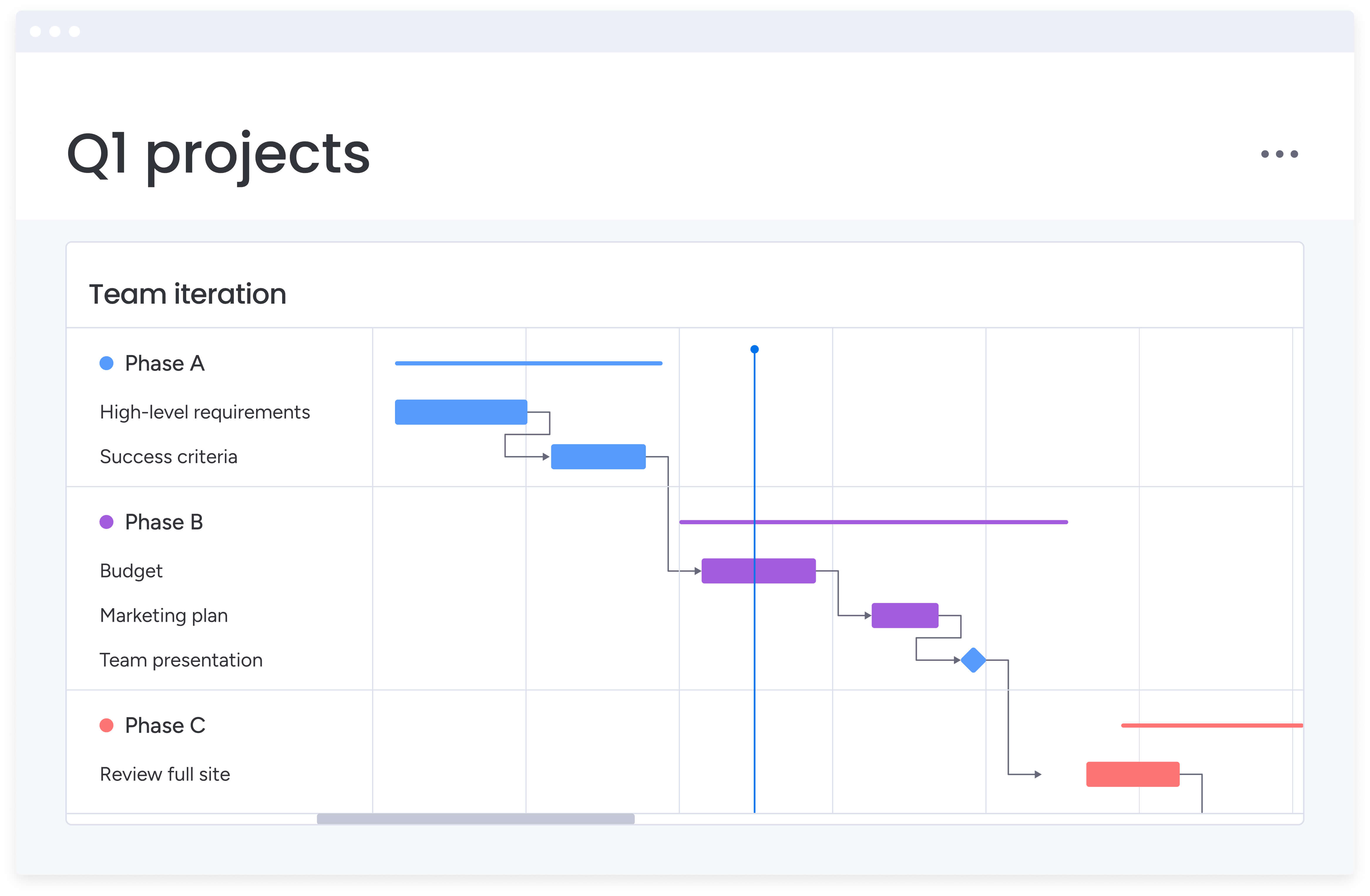
Creating a B2B marketing strategy that delivers revenue requires a systematic approach. These five steps ensure your plan aligns with business goals and remains flexible enough to adapt to changing market conditions.
Step 1: define your ideal customer profile
Understanding who buys your product and why is the foundation of any marketing strategy. Analyze existing customer data to identify characteristics of high-value accounts, including industry, size, revenue, and location.
Map the buying committee and understand each role’s pain points, goals, and objections. Identify what challenges keep your ideal customer awake at night to reveal both emotional and practical purchase drivers.
Step 2: set revenue-aligned marketing goals
Marketing objectives must directly support company revenue targets. Work backward from revenue goals to determine the required pipeline volume, lead quantity, and conversion rates.
Replace vague aims like “increase brand awareness” with specific targets such as:
- Generate pipeline: achieve $2M in marketing-sourced opportunities.
- Improve conversion: increase lead-to-opportunity conversion by 15%.
- Increase deal size: grow average deal value by 25%.
Step 3: select high-impact marketing channels
Choose channels based on where your audience searches for solutions and engages with content. Not every channel suits every B2B buyer.
A balanced mix typically includes:
- Owned channels: blog, email list, website.
- Paid channels: LinkedIn ads, SEM, display advertising.
- Earned channels: PR, guest speaking, industry partnerships.
Start with two to three core channels to prove ROI before scaling to additional channels.
Step 4: create your content and campaign strategy
Content fuels marketing performance. Develop a content calendar that answers buyer questions at every stage of the funnel.
Define themes, formats (video, text, audio), and distribution plans for each campaign. Assign production responsibilities, set deadlines, and track asset approvals to ensure smooth execution.
Step 5: establish metrics and review cycles
A strategy is only as effective as its execution and optimization. Define a dashboard of metrics that includes leading indicators like engagement and MQLs, as well as lagging indicators like revenue and retention.
Regular review cadences, such as monthly performance analyses and quarterly strategy adjustments, ensure your plan remains agile and responsive to performance insights.
Try monday work managementStreamline B2B marketing execution with monday work management

The gap between strategy and measurable results often lies in execution. B2B marketing teams face unique challenges: coordinating campaigns across siloed departments, managing complex creative approvals, and tracking performance across multiple disconnected systems. Organizations that excel at execution gain competitive advantages through speed, consistency, and agility.
Orchestrate complex marketing workflows
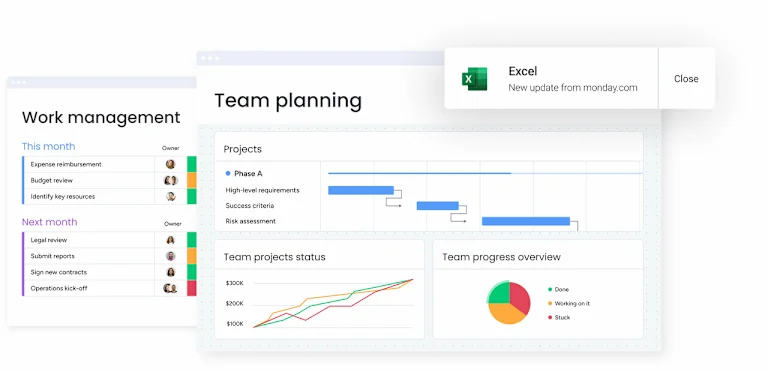
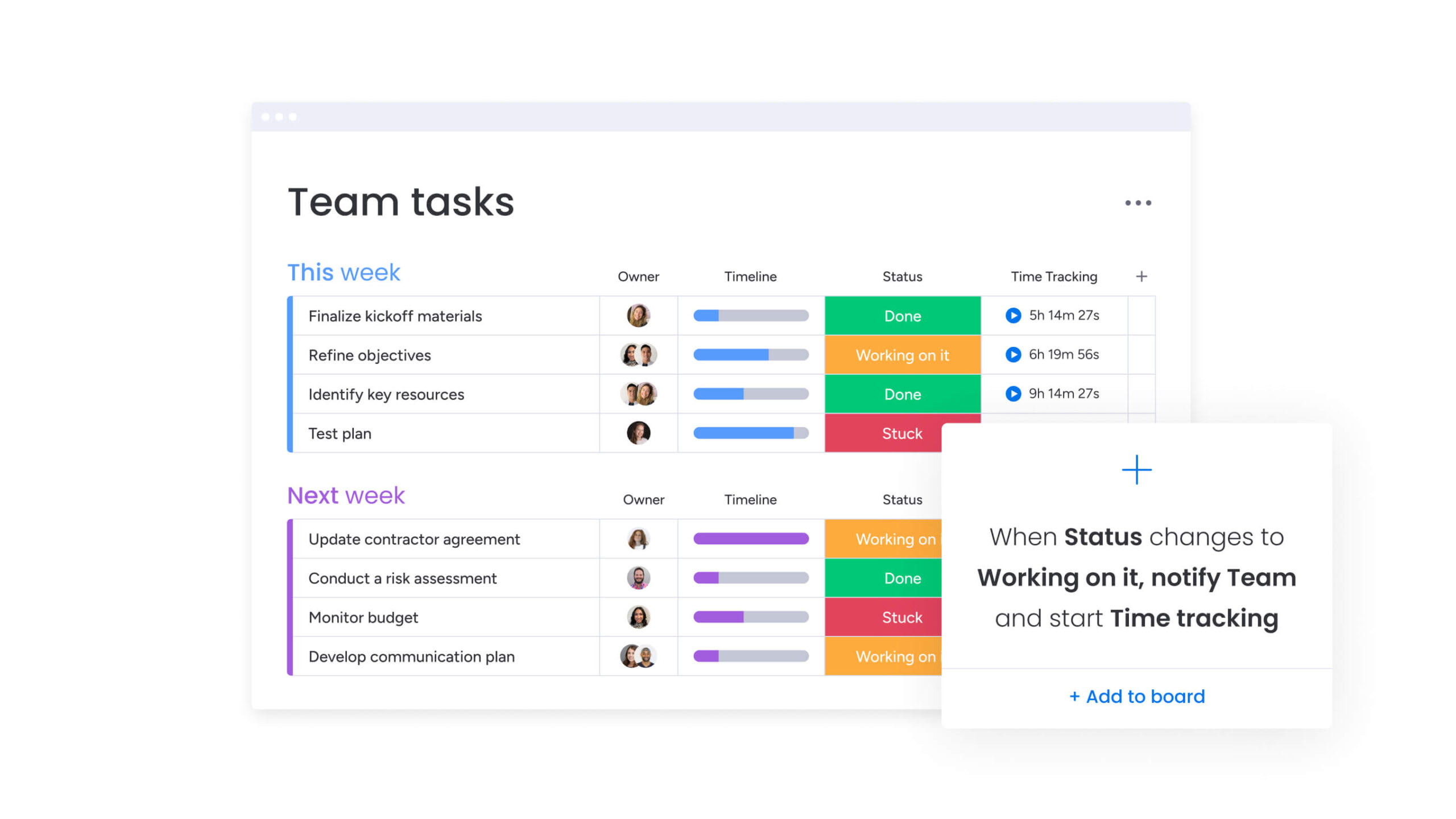
Marketing campaigns involve numerous moving parts. Copywriting, design, legal review, web development, and sales enablement all require close coordination. Teams using modern platforms like monday work management centralize these workflows into single visual workspaces. Project boards outline campaign timelines, assign dependencies, and automate handoffs.
When design assets are approved, the platform automatically notifies social media managers to schedule posts. This reduces email delays and ensures no task slips through the cracks.
Enable real-time performance visibility
Data-driven decisions depend on accessible information. monday work management consolidates campaign metrics, budget tracking, and resource allocation into customizable dashboards.
Marketing leaders gain real-time views of team capacity and campaign progress without chasing updates. This visibility allows agile adjustments. If a campaign underperforms, resources can be redirected immediately to higher-impact initiatives.
Transform strategy into action
The choice of operational platform determines execution speed and quality. Here’s how different approaches to managing B2B marketing operations compare:
| Feature | Spreadsheets & email | Basic project systems | monday work management |
|---|---|---|---|
| Campaign coordination | Manual, error-prone, siloed | Activity-based, lacks context | Visual, automated, cross-functional |
| Collaboration | Disconnected threads | Comments on activities | In-context communication & proofing |
| Reporting | Static, requires manual entry | Basic progress bars | Real-time, customizable dashboards |
| Scalability | Breaks down with complexity | Limited by rigid structure | Enterprise-grade, custom workflows |
| AI capabilities | None | Limited/add-on | Integrated AI for risk & automation |
Scale your B2B marketing strategy for growth
As organizations expand, marketing strategies must evolve. Approaches that work for startups often fail for mid-sized enterprises. Scaling requires formalized processes that maintain quality while increasing volume.
This involves defining team structures, documenting playbooks, and adopting scalable technology. Teams transition from ad-hoc heroism to specialized roles, separating content creation from demand generation and product marketing.
Successful scaling balances higher volume with consistent quality and brand integrity. Is your current marketing infrastructure prepared to handle ten times the workload?
Execute B2B marketing strategies with confidence
B2B marketing success requires more than selecting the right tactics. Operational excellence turns strategic vision into coordinated action across cross-functional teams. Organizations that master this balance achieve predictable growth while staying agile in competitive markets.
Effective strategies combine deep customer understanding with systematic execution. When teams align around shared goals, leverage operational platforms, and focus on measurable outcomes, marketing becomes a reliable revenue driver rather than a cost center.
Your next step is choosing systems that support strategic thinking and flawless execution at scale.
Try monday work managementFrequently asked questions
What is the 95-5 rule in B2B marketing?
The 95-5 rule states that at any given moment, 95% of potential buyers are not actively in market for a solution, while only 5% are currently looking to buy. This principle highlights the importance of long-term brand building to ensure your brand is top-of-mind when the 95% eventually enter the market.
What are the 4 types of B2B customers?
B2B customers generally fall into four categories: price-focused buyers: prioritize cost above all, value-focused buyers: seek an optimal balance of cost and performance, relationship-focused buyers: value trust and long-term partnerships, and convenience-focused buyers: prioritize ease of purchase and implementation.
How do you create a B2B marketing strategy from scratch?
Building a strategy starts with deep market research to define your ideal customer profile, followed by setting specific revenue-aligned goals. The process then moves to selecting high-impact channels, developing a content plan that addresses buyer pain points, and establishing a measurement framework to track progress effectively.
What is the rule of 7 in B2B marketing?
The rule of 7 suggests that prospects need to encounter your brand's message at least seven times before taking action or making a purchase. In B2B’s long sales cycles, this emphasizes the critical importance of consistent, multi-channel nurturing campaigns.
How long does it take to see results from B2B marketing?
B2B marketing typically requires three to six months to see initial traction and six to twelve months to generate significant revenue impact. While paid tactics may deliver faster lead generation, sustainable strategies like content marketing, SEO, and brand authority building require longer investment horizons.
What percentage of revenue should B2B companies spend on marketing?
B2B organizations typically allocate between six and twelve percent of gross revenue to marketing, though high-growth technology companies often invest fifteen to twenty percent to capture market share aggressively. Teams maximize this spend by improving operational efficiency and resource allocation through unified work management platforms.

 Get started