



The sales team hits activity targets every day, yet pipeline growth remains sluggish. SDRs burn through prospect lists at record speeds, but qualified meetings fail to keep pace. As you hear whispers about AI SDRs capable of infinite scale, a critical question emerges: will AI replace SDRs entirely, or is there a smarter way forward?
The reality is that AI will not eliminate SDR roles by 2026. Instead, it will fundamentally reshape how sales development teams operate. The most successful organizations are already building hybrid models where AI agents manage repetitive prospecting and initial outreach. This allows human SDRs to focus on relationship building and navigating complex deals.
Learn what hybrid sales teams look like in practice through real performance data comparing AI and human SDRs. This analysis identifies specific tasks AI can reliably automate by 2026 and provides a clear roadmap for the future. It also covers how top sales teams make this work right now by following practical steps to build a hybrid approach.
Key takeaways
- Hybrid teams will dominate: combine AI for repetitive tasks with human SDRs for relationship building to maximize both efficiency and deal closure rates.
- Focus human SDRs on high-value activities that AI can’t handle: complex objections, multi-stakeholder navigation, and authentic relationship building require human judgment and emotional intelligence.
- Build flexible hybrid workflows: visual automation provided by solutions like monday CRM allows you to configure AI-powered prospecting and lead scoring without coding, while maintaining human oversight for critical decisions and seamless handoffs.
- AI excels at scale but humans drive conversions: use AI for research, initial outreach, and qualification at volume, then hand qualified prospects to humans who excel at turning meetings into opportunities.
- Start planning your hybrid strategy now: organizations that invest in upskilling existing SDR teams while implementing AI see stronger outcomes than those attempting direct human-to-AI replacement.
Will AI replace human SDRs by 2026?
Instead of eliminating SDR positions by 2026, AI will deeply affect sales development teams work. Industry analysts project that most B2B sales organizations will adopt hybrid models where AI agents handle repetitive tasks while human SDRs focus on relationship building and complex problem-solving. This aligns with recent findings that only 7% of organizations report that AI is ‘fully scaled’ across the enterprise, despite widespread adoption.
Hybrid sales teams combine AI SDR agents with human sales development representatives in complementary roles. AI handles initial prospecting, basic qualification, and routine follow-ups at scale. Humans manage nuanced conversations, build authentic relationships, and navigate complex buying scenarios.
As sales leaders face pressure to reach more prospects, qualify leads faster, and accelerate pipeline velocity while maintaining or reducing costs, hybrid teams are the answer. This trend is supported by C-suite priorities, as only 13% cite headcount reduction as a primary AI objective, with most executives expecting net headcount increases as a result of AI implementation.
Understanding how hybrid sales teams operate
Successful hybrid teams operate with defined divisions of responsibility that maximize both AI efficiency and human expertise. The setup is simple: AI and humans each do what they’re best at.
AI SDR agents manage the top of the funnel by:
- Scraping prospect data: gathering information from multiple sources automatically.
- Sending initial outreach sequences: delivering personalized messages at scale.
- Tracking engagement signals: monitoring opens, clicks, and responses.
- Scheduling discovery calls: coordinating calendars without human intervention.
Human SDRs take over once prospects show genuine interest, handling objections, conducting needs assessments, and building relationships that move deals forward.
The strategic advantage of a hybrid model lies in the distinct strengths of both technology and personnel. AI excels at processing thousands of data points instantly to identify ideal prospects and personalizing outreach at scale. It ensures total messaging consistency and operates 24/7 across all time zones without fatigue.
Conversely, human SDRs provide critical emotional intelligence, creative problem-solving, and the ability to interpret nuanced cues during live conversations.
Analyzing McKinsey’s research on AI adoption patterns
McKinsey’s research on sales automation provides concrete insights into how AI adoption will unfold across different organizations. Their latest data shows that in B2B sales specifically, 42% of decision-makers are either implementing or in the process of implementing generative AI use cases for buying and selling.
Their analysis identifies specific sales functions where automation delivers ROI, including lead research, initial qualification, and data entry. Activities requiring human judgment, such as complex negotiations and strategic account planning, remain firmly in the human domain.
Research emphasizes that successful AI implementation depends heavily on change management and organizational readiness. Organizations that invest in upskilling their existing SDR teams achieve significantly stronger outcomes than those attempting to replace human talent with technology. The objective is clear: AI is designed to enhance a team’s capabilities rather than replace them.
McKinsey’s data reveals significant variation in AI readiness across industries and company sizes:
| Organization Type | AI Adoption Speed | Key Factors |
|---|---|---|
| Digital-native companies | Fast | Mature data infrastructure, tech-forward culture |
| Traditional enterprises | Moderate | Legacy systems, compliance requirements |
| Regulated industries | Slow | Complex approval processes, risk aversion |
Mapping the 2026 implementation timeline
By 2026, most mid-market and enterprise B2B companies will be using AI SDR technology. Three things are driving this timeline: AI is getting better, integrations are getting easier, and sales leaders need to prove ROI.
The pace of change varies by company size and industry:
- Digital-native SaaS companies: organizations with high lead volumes and tech-forward cultures will lead the adoption curve.
- Relationship-dependent sectors: industries with complex regulatory requirements or high-touch sales cycles will transition more cautiously.
- Conservative industries: traditional sectors will initiate pilot programs as competitive pressure necessitates a shift in strategy.
Current AI SDR capabilities still require significant human oversight and struggle with nuanced communication. By 2026, natural language processing improvements and stronger training data will enable AI to handle more sophisticated interactions, expanding the range of tasks that can be safely automated.

What is an AI SDR agent?
An AI SDR agent is a software system designed to automate specific sales development tasks including prospecting, initial outreach, lead qualification, and follow-up sequences. Unlike simple chatbots that respond to predefined triggers, AI SDRs use machine learning to personalize communication, analyze prospect behavior, and make decisions about next steps based on engagement signals.
These systems operate autonomously within defined parameters set by sales leaders. An AI SDR might research target accounts, identify key decision-makers, craft personalized outreach messages referencing recent company news, send messages across multiple channels, track responses, and schedule meetings with qualified prospects.
The distinction between AI SDRs and basic automation lies in their ability to learn and adapt. Traditional sales automation follows rigid if-then rules, while AI SDRs analyze patterns across thousands of interactions to determine optimal timing, messaging, and channel selection for each prospect.
Core capabilities that define AI SDR effectiveness
AI SDRs deliver value across several interconnected functions that form the architectural foundation of sales development. A clear understanding of these specific capabilities allows for the identification of optimal integration points and the projection of measurable ROI.
The core competencies of AI SDR agents include:
- Lead research and enrichment: AI automatically gathers prospect information from public databases, social media profiles, company websites, and professional networks to enrich CRM records with job titles, company size, technology stack, and buying signals.
- Personalized email generation: AI creates customized messages by analyzing company information, industry trends, and individual backgrounds to reference specific pain points and tailor value propositions.
- Multi-channel outreach coordination: AI orchestrates campaigns across email, LinkedIn, and phone based on prospect preferences and engagement patterns.
- Response analysis: AI systems analyze prospect replies to determine intent, sentiment, and qualification status, routing qualified responses to human SDRs.
- Meeting scheduling: AI handles calendar coordination, sending invites, providing meeting details, and managing rescheduling requests.
- Basic qualification: AI conducts initial qualification conversations through email or chat, asking standardized questions about budget, timeline, and specific needs.
How does AI SDR technology process and learn from interactions?
AI SDRs rely on natural language processing to understand and generate human-like text. When a prospect replies to an outreach message, the NLP system analyzes content to determine meaning, sentiment, and intent. It identifies key information like budget constraints or timeline requirements, then determines the appropriate response or next action.
Machine learning algorithms enable AI SDRs to improve performance over time. The system tracks which messages generate responses, which subject lines drive opens, and which follow-up sequences lead to meetings. It identifies patterns in successful interactions and adjusts its approach accordingly.
Integration APIs connect AI SDRs to CRM systems, email platforms, calendar applications, and data enrichment services. These connections enable AI to access prospect information, log activities, update records, and trigger actions across the sales technology stack.
Current AI SDRs cannot replicate human judgment in complex situations. They struggle with sarcasm, cultural nuances, and reading between the lines. Know where AI falls short, and you’ll use it smarter by matching it to tasks it can actually handle.

The real data on AI vs human SDR performance
AI and human SDRs demonstrate complementary performance profiles across key sales metrics. The data shows where each approach wins and how the best teams combine them.
This framework represents a synergetic partnership between artificial intelligence and human expertise. High-performing sales organizations prioritize the strategic integration of both assets rather than treating them as mutually exclusive options. AI manages the high-volume, repetitive tasks that typically exhaust human resources, thereby enabling SDRs to dedicate their focus to high-impact activities that directly drive deal closure.
Response time metrics that drive conversion rates
AI SDRs respond to inbound leads within seconds or minutes, while human SDRs typically take hours or days to follow up. This speed advantage significantly impacts conversion rates, particularly for high-velocity sales with short consideration cycles.
The quality-versus-speed trade-off matters more for complex, relationship-dependent sales. A thoughtful, personalized response from a human SDR after a few hours often outperforms an instant but generic AI message. What works best depends on your deal size, sales cycle, and how sophisticated your buyers are.
While speed is a vital metric, comprehensive performance evaluation requires tracking additional KPIs:
- Response-to-meeting conversion rates: how many responses lead to scheduled meetings.
- Meeting-to-opportunity conversion rates: how many meetings advance to qualified opportunities.
- Overall pipeline velocity: whether faster response actually accelerates revenue.
Conversion rate comparisons across the sales funnel
AI SDRs often achieve higher conversion rates at the top of the funnel due to their ability to test messaging variations at scale and optimize send times based on engagement data. They maintain consistent quality across all interactions, avoiding the performance variability that affects human teams.
Human SDRs typically achieve higher conversion rates for complex deals requiring relationship development or strategic positioning. Their ability to build trust, demonstrate empathy, and adapt to unique customer situations becomes more valuable as deal complexity increases.
The best results? Let AI generate and qualify leads at the top of the funnel. Then hand qualified prospects to human SDRs who build relationships and move deals forward.
True cost per qualified lead analysis
Calculating accurate cost per qualified lead requires accounting for all expenses associated with both AI and human SDRs. Know your real costs, and you’ll make smarter decisions about where to invest.
AI SDR costs include:
- Software licensing fees: platform subscriptions and usage-based pricing.
- Data enrichment costs: third-party data sources and verification services.
- Integration expenses: API connections and custom development.
- Ongoing optimization: time spent refining prompts and workflows.
Human SDR costs include:
- Salary and benefits: base compensation plus commission structures.
- Training and onboarding: initial ramp time and ongoing skill development.
- Management overhead: supervision and coaching requirements.
- Technology platforms: CRM licenses and sales enablement tools.
AI SDRs typically deliver lower cost per lead at high volumes due to their ability to handle thousands of prospects simultaneously. However, upfront implementation costs can be substantial, particularly for organizations with poor data quality or complex integration requirements.
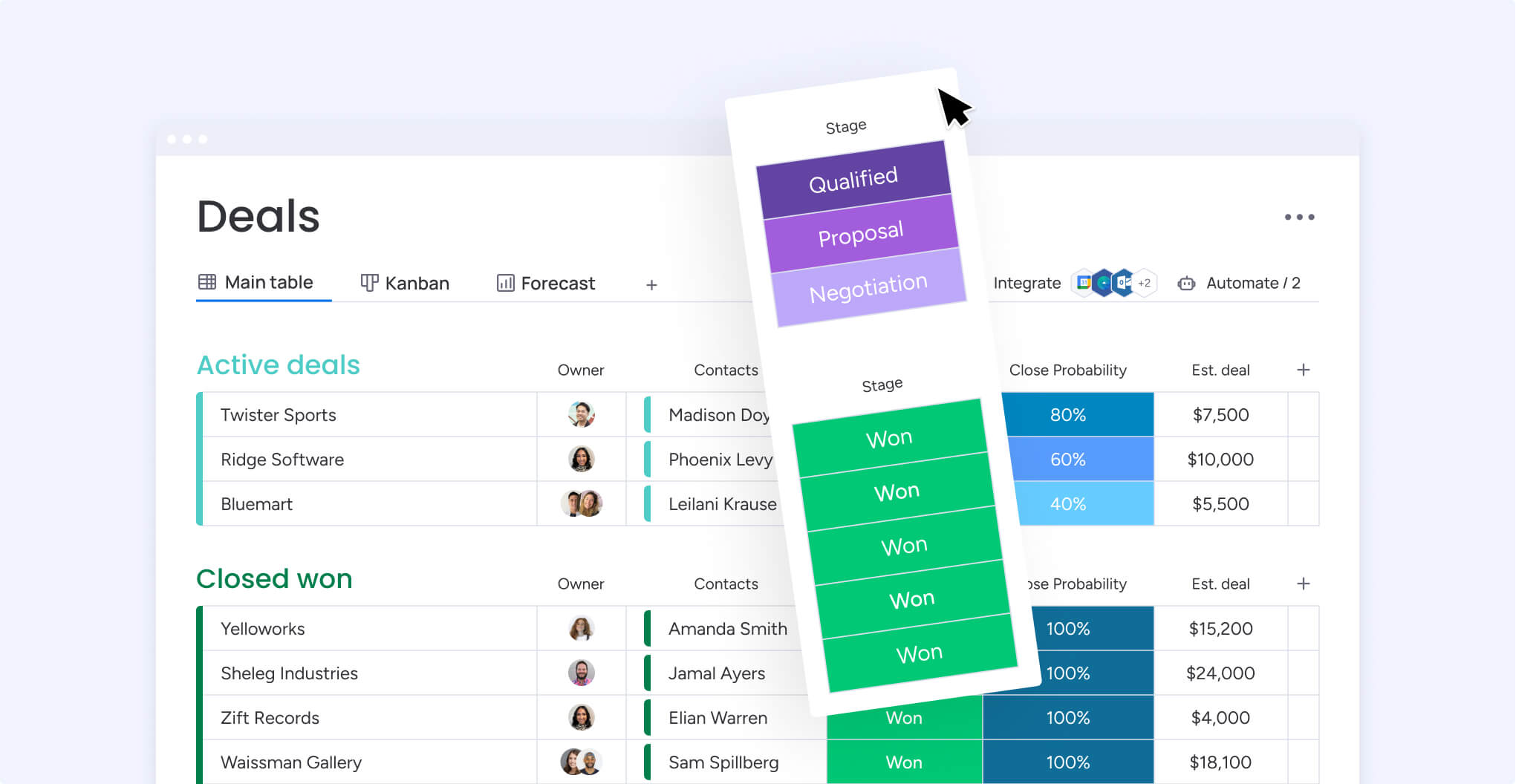
Which SDR tasks AI handles in 2026?
By 2026, AI SDRs will handle repetitive, data-driven work that doesn’t need human judgment. These tasks are predictable, data-driven, and value speed over creativity.
Automated research and lead enrichment capabilities
AI SDRs gather prospect information from LinkedIn profiles, company websites, press releases, job postings, funding databases, and social media activity. They compile this data into comprehensive prospect profiles that include job titles, reporting structures, company size, technology usage, recent news, and potential pain points based on industry and role.
The enrichment process identifies buying signals like leadership changes, funding rounds, or technology implementations that suggest increased likelihood of purchase. AI flags these trigger events and prioritizes prospects accordingly, ensuring human SDRs focus attention on accounts most likely to be in-market.
Prioritize data quality and privacy with these considerations:
- Regulatory compliance: AI systems must respect data protection regulations.
- Information accuracy: verification processes ensure reliable prospect data.
- Consent management: appropriate records for data usage and retention.
Hyper-personalized outreach at unprecedented scale
AI creates personalized messages for thousands of prospects simultaneously by analyzing company information, recent news, social media activity, and industry trends. It identifies relevant pain points, references specific company initiatives, and tailors value propositions to align with organizational priorities and individual roles.
This approach goes beyond simple mail merge with a name swap. Rather than inserting a company name into a generic template, AI constructs unique messages that demonstrate genuine understanding of each prospect’s context. It might reference a recent product launch, congratulate the company on a funding round, or mention a specific challenge common in their industry.
Keep AI messages on-brand with these checks:
- Human review protocols: sample message approval processes.
- A/B testing frameworks: continuous optimization of messaging approaches.
- Response monitoring: real-time tracking to identify and correct issues.
Intelligent scheduling and adaptive follow-up sequences
AI manages complex scheduling scenarios by checking calendar availability in real-time, proposing meeting times that work for all participants, handling time zone conversions, sending calendar invites with appropriate details, and managing rescheduling requests without human intervention.
Follow-up cadences adapt based on prospect behavior and engagement patterns. If a prospect opens an email but doesn’t respond, AI might wait 48 hours before sending a different message. If they click a link, AI might follow up within 24 hours with related content.
When AI books a meeting, make sure the handoff to your human SDRs is clean. AI should provide comprehensive briefing information including conversation history, engagement data, qualification status, and any specific interests or concerns the prospect has expressed.
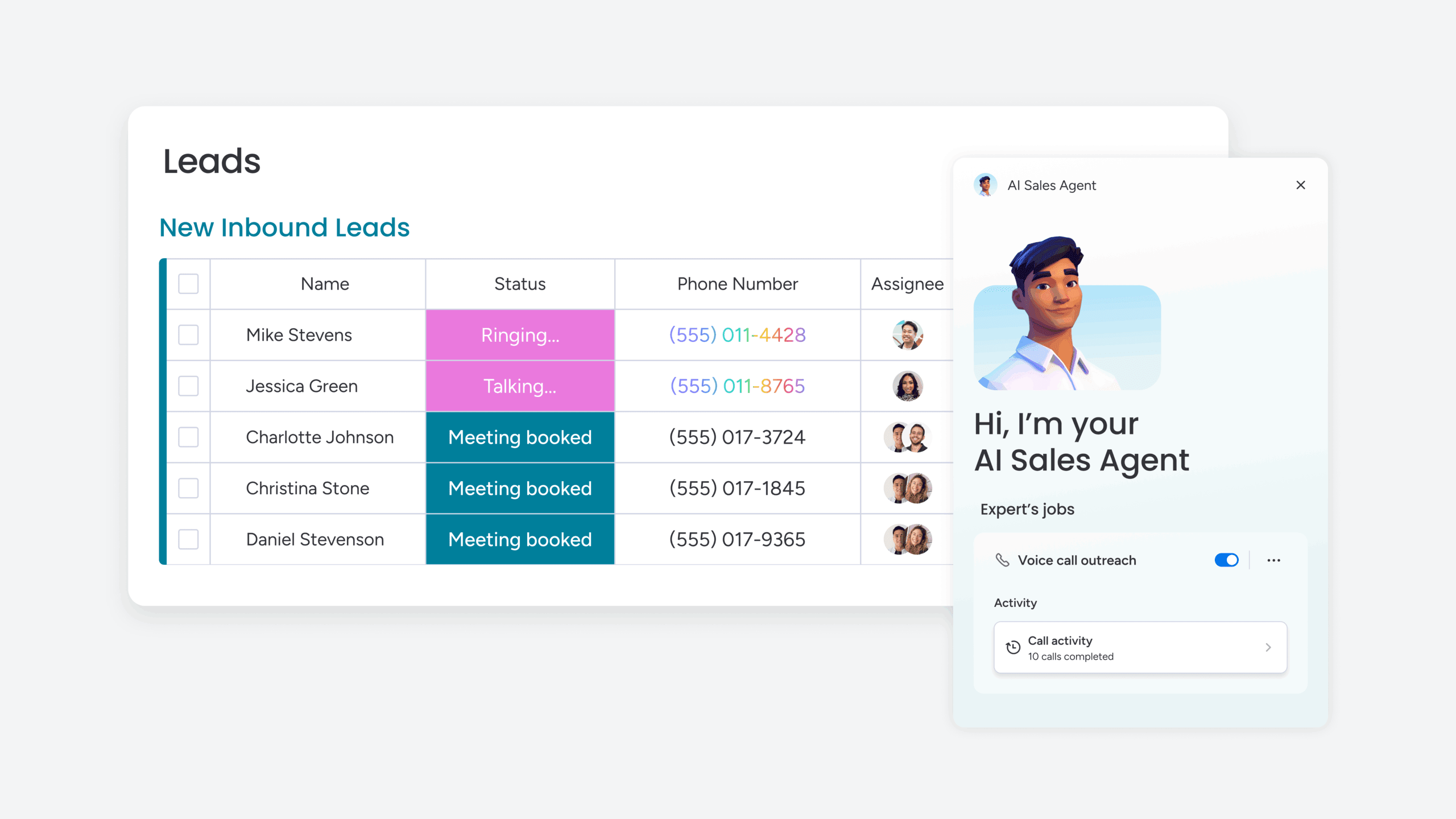
Where do human SDRs excel in hybrid teams?
Humans bring what AI can’t: emotional intelligence, creative problem-solving, relationship building, and the ability to handle messy situations. These strengths become more valuable in hybrid team environments where AI handles routine tasks and frees humans to focus on high-impact activities.
As the SDR role evolves, these human skills matter more. Rather than spending time on data entry, list building, and repetitive outreach, SDRs in hybrid teams focus on complex conversations, strategic account development, and relationship nurturing.
Complex problem resolution that requires human judgment
Human SDRs handle nuanced objections that don’t fit standard response templates. For example, when a prospect raises concerns about budget timing, integration complexity, or organizational readiness, experienced SDRs explore underlying issues, propose creative solutions, and adapt their approach based on conversation dynamics.
Multi-stakeholder decision processes require human judgment to navigate effectively:
- Identifying key influencers: understanding organizational dynamics and decision-making hierarchies.
- Political navigation: recognizing and addressing different stakeholder priorities.
- Process coordination: managing complex buying processes involving technical evaluators, financial approvers, and executive sponsors.
When things get political, prospects share confidential information, express frustration with current vendors, or navigate internal organizational challenges, human SDRs build trust through empathy and appropriate responses that AI systems cannot reliably provide.
Building authentic relationships that drive deal closure
Relationships come from emotional connection, trust, and genuine rapport: things B2B buyers actually care about. Human SDRs demonstrate empathy, share relevant experiences, and create personal connections that transcend transactional interactions.
Communication style adaptation happens naturally for skilled human SDRs. They adjust their approach based on prospect personality, communication preferences, and cultural context. Some prospects prefer direct, efficient conversations while others value relationship building and small talk.
Authenticity matters increasingly in B2B sales as buyers become more sophisticated and skeptical of generic outreach. Human SDRs leverage AI-gathered insights to have more meaningful conversations rather than relying on AI to conduct the conversations.


“With monday CRM, we’re finally able to adapt the platform to our needs — not the other way around. It gives us the flexibility to work smarter, cut costs, save time, and scale with confidence.”
Samuel Lobao | Contract Administrator & Special Projects, Strategix
“Now we have a lot less data, but it’s quality data. That change allows us to use AI confidently, without second-guessing the outputs.”
Elizabeth Gerbel | CEO
“Without monday CRM, we’d be chasing updates and fixing errors. Now we’re focused on growing the program — not just keeping up with it."
Quentin Williams | Head of Dropship, Freedom Furniture
“There’s probably about a 70% increase in efficiency in regards to the admin tasks that were removed and automated, which is a huge win for us.“
Kyle Dorman | Department Manager - Operations, Ray White
"monday CRM helps us make sure the right people have immediate visibility into the information they need so we're not wasting time."
Luca Pope | Global Client Solutions Manager at Black Mountain
“In a couple of weeks, all of the team members were using monday CRM fully. The automations and the many integrations, make monday CRM the best CRM in the market right now.”
Nuno Godinho | CIO at VelvHow to build a hybrid sales team with monday CRM?
The most successful organizations prioritize a strategic blend of AI efficiency and human expertise, achieving both unprecedented scale and genuine authenticity. Transitioning to this model requires disciplined planning, advanced infrastructure, and a workforce prepared for technical evolution.
Solutions like monday CRM provide the infrastructure required to architect hybrid sales operations by integrating automated speed with human intelligence. The platform’s visual workflow design and no-code automation capabilities allow sales leaders to implement AI SDR strategies without technical barriers or extensive implementation timelines.
Unlike traditional systems that often require dedicated IT support and complex configurations, monday CRM enables sales teams to design and refine their own hybrid workflows independently. This agility allows for the rapid testing of different AI-human configurations, ensuring the organization can adapt its strategy without waiting for technical intervention.
AI-powered workflows built for hybrid teams
With monday CRM, teams set up AI automations without writing code. Sales teams select triggers, conditions, and actions from visual menus rather than writing integration code or managing API connections.
The platform’s AI capabilities integrate directly into sales workflows, automating routine tasks while maintaining human oversight for complex decisions:
- Automated prospect research: AI handles initial data gathering and enrichment.
- Personalized outreach generation: AI creates customized messages at scale.
- Lead quality scoring: AI evaluates and prioritizes prospects based on engagement.
- Meeting scheduling: AI coordinates calendars and manages logistics.
- Human review checkpoints: critical decision points remain under human control.
Handing off from AI to human SDRs? Easy to set up. When AI qualifies a lead, the platform automatically assigns it to the appropriate human SDR, provides complete interaction history, and triggers notification workflows that ensure timely follow-up.
Real-time visibility across human and AI performance
You get one dashboard that tracks both AI and human SDR performance. Sales leaders monitor key metrics including total qualified meetings from both AI and human sources, meeting-to-opportunity conversion rates, average deal size, and overall team productivity improvements.
Custom reporting capabilities enable managers to drill down into specific performance areas. They can analyze which handoff points work well, where prospects drop off, and which combinations of AI and human activities produce the strongest results.
Furthermore, visual workflow boards show prospect status, next actions, and responsible parties at a glance. Spot bottlenecks, keep handoffs smooth. Make changes based on real data, not guesses.
Frequently asked questions
Will AI completely replace human SDRs in the next 5 years?
AI will not completely replace human SDRs in the next five years. The future of sales development involves hybrid teams where AI handles repetitive tasks while humans focus on relationship building and complex problem-solving.
What specific tasks can AI SDRs automate today?
AI SDRs can automate lead research, data enrichment, initial email outreach, basic qualification questions, meeting scheduling, and follow-up sequences. They excel at high-volume, repetitive tasks that follow predictable patterns.
How do hybrid AI-human sales teams impact conversion rates?
Hybrid teams typically see improved conversion rates by combining AI's speed and consistency with human relationship-building skills. AI handles top-of-funnel activities efficiently while humans excel at converting qualified leads into opportunities.
What are the main limitations of AI SDRs for B2B sales?
AI SDRs struggle with complex objection handling, reading emotional cues, navigating multi-stakeholder decisions, and adapting to unexpected situations. They cannot replicate the empathy and creative problem-solving that human SDRs provide.
How much does implementing AI SDR technology typically cost?
Implementation costs vary widely based on company size and complexity. Factors include software licensing fees, data preparation expenses, integration costs, and ongoing optimization efforts.
What skills should human SDRs develop to remain valuable alongside AI?
Human SDRs should focus on developing emotional intelligence, strategic thinking, industry expertise, relationship-building skills, and the ability to work effectively with AI tools to enhance their productivity.

 Get started