


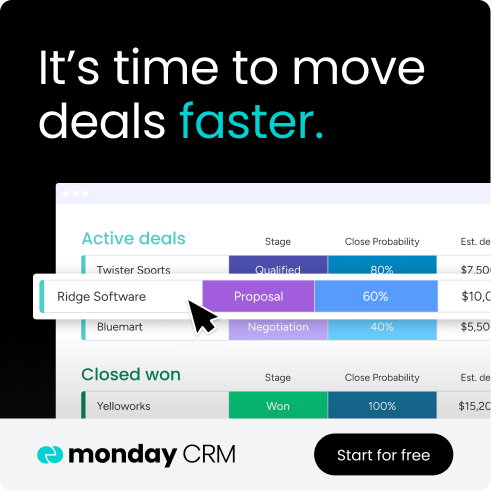
Reps are spending more time researching prospects than actually engaging them. They are copying data across six different platforms, sending the same follow-up emails repeatedly, and watching reply rates stagnate around 2%. Meanwhile, deals that should be closing are delayed because there is no capacity to personalize outreach at scale.
AI-powered outreach platforms change this dynamic. Rather than sending generic messages, these systems learn from every interaction to deliver personalized, timely communications to the most qualified prospects through outreach automation automated sequences. The results show up in higher reply rates, faster pipeline velocity, and hours returned to the team.
This guide demonstrates what AI-driven outreach looks like in practice, highlights the warning signs that indicate a team needs it, and presents ten platforms worth evaluating. It also explores the specific AI features that drive results and how to implement them without disrupting current workflows.
Key takeaways
- AI-powered outreach improves reply rates: platforms that adapt messages based on engagement data can significantly increase responses compared to generic, manual emails.
- Manual tasks limit sales productivity: teams spending excessive time on research, data entry, and platform switching lose hours that could be spent on selling.
- Multichannel orchestration boosts engagement: coordinating emails, calls, and social outreach with AI-driven sequencing creates smoother, more effective prospect interactions.
- Unified platforms reduce friction: using a single system for outreach, CRM, and reporting minimizes errors, avoids integration issues, and provides better visibility into pipeline performance.
- monday CRM integrates AI outreach with sales workflows: built-in AI features like email drafting, timeline summarization, and predictive scoring help teams automate repetitive tasks while maintaining context and improving efficiency.
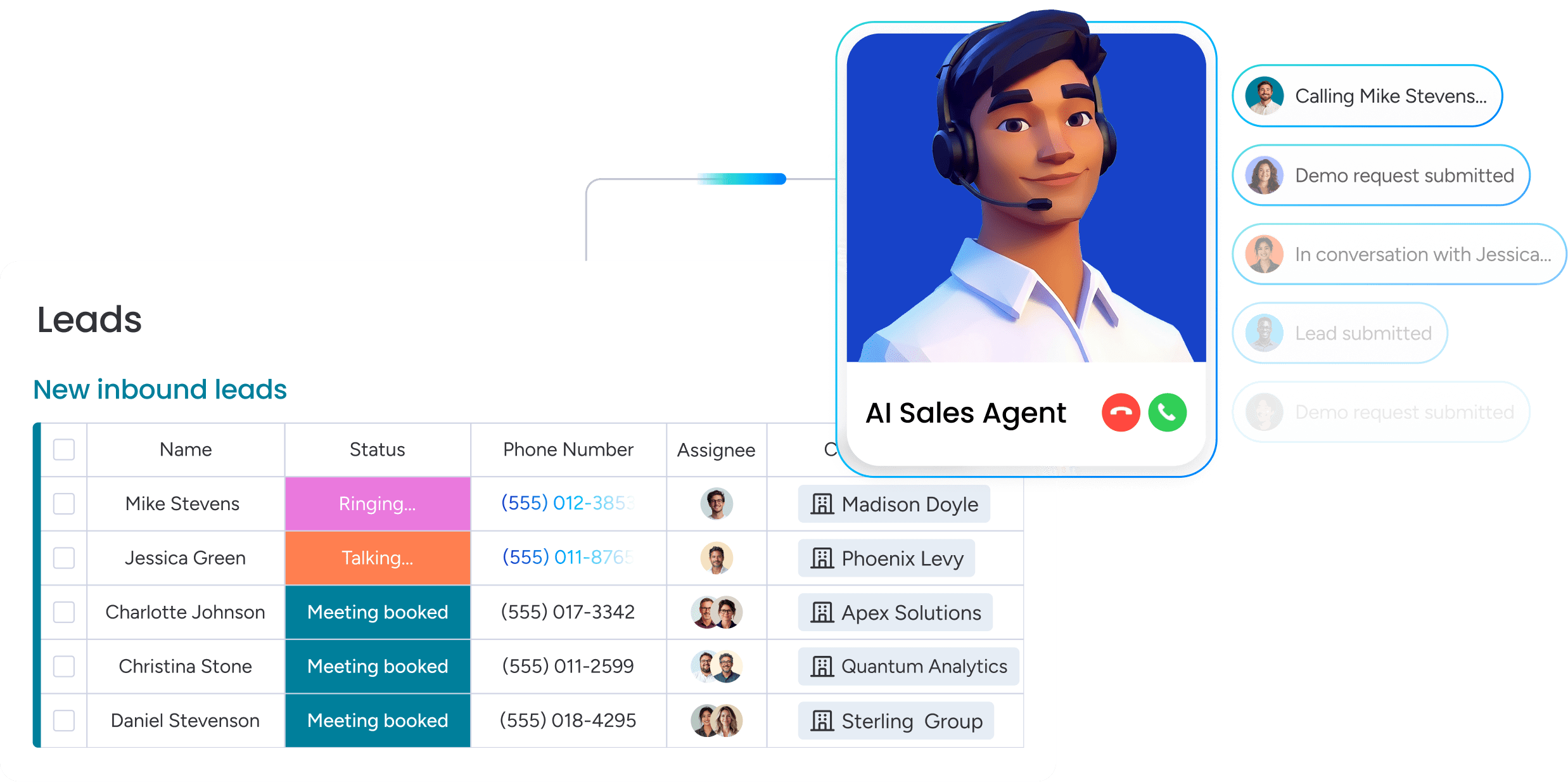
What is AI-powered outreach automation
Sending the same email to everyone is a shot in the dark. AI-powered outreach automation stops the guesswork. Instead of blasting generic messages, it learns from every click, open, and reply to deliver the right message to the right person. This approach is not just about scheduling emails — it is about starting meaningful conversations.
Many revenue teams pay a hidden tax: a messy tech stack that consumes hours every week. Reps jump between six different platforms just to launch one email campaign: one for leads, one for data, and one for the actual sequence.
The result is hours of manual data entry and context switching that should be spent selling, creating the perfect environment for human error and missed opportunities.
A smart system does not live in a silo. When outreach is built into a CRM, every action a prospect takes — visiting a pricing page or opening an email — triggers the next best step automatically. With monday CRM, teams gain native AI that adapts to each prospect, allowing reps to focus on closing deals instead of copying and pasting data.

7 signs your team needs AI outreach automation
Outreach should build pipeline, not burn out your team. When manual work slows your progress more than it accelerates deals, it is time to automate. If these challenges sound familiar, your team may be losing revenue.
1. Manual prospecting eats 20+ hours a week
Are reps spending more time researching than selling? Hunting for prospects, contact information, and company insights consumes half the workweek. That is time that could be spent on calls, demos, and closing deals.
AI reduces research time from twenty hours to two. It pulls company data, highlights relevant insights, and flags high-potential leads. Reps regain their selling time.
2. Reply rates are stuck below 3% (according to a [Source Name, Year] report)
Low reply rates indicate a targeting problem, not just messaging. Generic emails sent to the wrong recipients are likely to land in the spam folder. The result is wasted effort and minimal engagement.
AI-powered platforms optimize outreach by identifying which prospects are most likely to respond and supporting the creation of tailored messages. Teams using AI automation often see reply rates increase to seven to fifteen percent as campaigns continuously improve.
3. Your team is juggling 6+ different platforms
How much time is lost switching between multiple systems? Moving from a prospecting database to an enrichment platform, email service, and CRM disrupts momentum. Each switch introduces errors and lost context.
A unified platform resolves this by keeping all information in one place. Teams can see the full picture of each relationship without duplicating work or missing critical signals.
4. Deliverability issues are hurting your domain
Poor targeting does more than go unnoticed — it can flag your domain as spam. Over time, this damages sender reputation, potentially stopping emails from reaching inboxes entirely.
AI helps protect your domain by identifying the prospects most likely to engage. It automatically cleans email lists to remove invalid addresses and reduces emails that are ignored, safeguarding deliverability.
5. You have zero visibility into pipeline generation
Which campaigns actually drive revenue? Without connecting outreach to closed deals, teams operate blindly. Measuring ROI and campaign effectiveness becomes nearly impossible.
Modern CRM platforms provide visibility by linking every email and interaction to a specific opportunity. Teams see which sequences generate the most pipeline and make data-backed decisions instead of guessing.
6. Your reps are drowning in admin work
Manual outreach traps reps in administrative work, leaving only thirty to forty percent of their time for selling. Logging activities, scheduling follow-ups, and updating records take focus away from building relationships.
AI automation flips that ratio on its head. By handling the research, data entry, and activity logging, it frees up reps to spend 70-80% of their time on what they do best: closing deals.
7. A unified platform prevents integration issues
Broken integrations create constant frustration. Failed data syncs and stalled workflows force teams to troubleshoot technology instead of engaging with customers. These challenges grow as tech stacks expand.
A single platform eliminates these problems. Native connections ensure systems sync automatically, allowing teams to focus on outreach and sales rather than technical interruptions.
Spotting these signs early helps reclaim your team’s time and maximize revenue potential.
10 AI outreach automation platforms that deliver results
AI outreach promises efficiency, but a poor platform only adds noise and slows momentum. The right platform understands your sales process and enables your team to start meaningful conversations, not just send bulk messages.
No single platform is the “best”; it is about finding the right fit for your team. Some platforms excel at high-volume outreach, while others support targeted, account-based selling. The goal is to align the tool with your selling motion, rather than requiring your team to adapt to the platform.
We highlight platforms that actually deliver results. Each has been proven to help revenue teams move faster, engage more effectively, and close more deals, so your team can stop prospecting and start selling.
1. monday CRM
monday CRM combines outreach, deal management, and reporting into a unified revenue workspace, so teams stop switching between multiple systems and follow a repeatable process. Leads can be captured, qualified, emailed, tracked for engagement, and handed off to post-sales teams — all within the same records and timeline.
For revenue leaders, this means fewer “where is that information?” moments. With centralized customer data, flexible automations, and dashboards, teams gain the visibility and control needed to forecast, coach, and allocate resources confidently.

Example:
Revenue teams of ten to five hundred seeking integrated outreach automation within a comprehensive CRM environment, especially those tired of managing disconnected platforms.
Key features:
- AI-powered email writing where reps already work: compose emails in Emails & Activities with AI assistance, allowing reps to move quickly without losing deal context.
- Mass email and engagement tracking: send individual or bulk emails using dynamic fields and templates, track opens and link clicks, and tie outreach performance to real deals.
- Visual deal management with built-in process: run your pipeline with drag-and-drop stages, automate actions based on conditions, and keep every stakeholder aligned on status.
Advanced AI features:
- AI email composition in Emails & Activities: generate drafts for outreach and follow-ups directly within the deal record, then refine and send with full context.
- Timeline summarization: use AI Timeline Summary to condense emails, calls, meetings, and notes into short recaps before calls or pipeline reviews.
- Sentiment detection at scale: use the Detect sentiment AI action to classify text as positive, negative, or neutral, useful for tagging replies and prioritizing next steps.
Automations:
- Automate email follow-ups: set follow-up workflows based on your process, triggering reminders or next actions when a deal stage changes.
- AI-powered column autofill: apply Autofill with AI to compatible columns (text, date, numbers, dropdown, people, status) to maintain data integrity without manual effort.
- Route work to the right rep: use Assign person with a People Column to allocate ownership based on role or skill set, using relevant inputs from Emails & Activities.
Integrations:
- Lead enrichment where it matters: auto-enrich lead data using Crunchbase, reducing research time and increasing engagement.
- Centralized communication history: log and track interactions, including emails, meetings, and notes, so post-sales handoffs remain smooth.
- Connected workflows across the customer journey: link deals, accounts, contacts, and related work to ensure post-sales teams can continue without losing context.
Outreach automation with AI features:
- Write and refine outreach faster: leverage AI actions such as Writing assistant (prompt-based drafting) and Improve text (with tone and length options) to create messages reps can send confidently.
- Turn messy text into structured follow-up: use Extract information to pull key details from supported files (.pdf, .docx, .xlsx) into board columns, helpful for quoting, procurement, or onboarding.
- Auto-categorize inbound responses: use Assign label with a Status or Dropdown Column to classify replies based on text input and trigger the next workflow step.
Pricing:
- Basic: $12/month per seat (billed annually).
- Standard: $17/month per seat (billed annually).
- Pro: $28/month per seat (billed annually).
- Enterprise: custom pricing (contact sales).
- Annual discount: 18% savings on yearly plans.
- Minimum: three users required for paid plans.
Why it stands out:
- Unified revenue operations: one system supports lead management, deal management, reporting, and post-sales workflows, with all customer data centralized.
- AI that maintains usable records: from Emails & Activities drafting and timeline summaries to Autofill with AI in columns, monday CRM helps reps maintain momentum while keeping data accurate.
- Visibility leaders can act on: dashboards and widgets, such as leaderboard and funnel, make pipeline, activity, and performance easier to track in real time.
2. Saleshandy
Saleshandy delivers email-first outreach automation with built-in deliverability controls that prevent messages from landing in spam folders. The platform is designed for small to mid-sized teams and agencies that need unlimited sender accounts, behavior-based follow-ups, and integrated prospecting data. Its deliverability-focused approach includes inbox placement testing and automated safeguards to protect domain reputation at scale.

Use case:
Teams running high-volume email campaigns that require strong deliverability features and simple multi-channel capabilities without enterprise complexity.
Key features:
- Unlimited email accounts: with sender rotation across sequences to safely scale volume while protecting domain reputation.
- Behavior-based subsequence logic: automatically triggers follow-ups based on opens, clicks, replies, and engagement patterns.
- Built-in deliverability toolkit: includes Inbox Radar placement testing, spam detection, bounce guards, and automated pause triggers.
Pricing:
- Outreach Starter: $25/month annually ($36 month-to-month).
- Outreach Pro: $69/month annually ($99 month-to-month).
- Outreach Scale: $139/month annually ($199 month-to-month).
- Outreach Scale Plus: custom pricing starting at $209/month annually.
- Annual billing: saves 30% across all plans.
- Email infrastructure add-on: available at $4 per email account/month.
Considerations:
- Multichannel steps: LinkedIn and calls require manual execution rather than full automation.
- Unified Inbox: displays a 90-day window and shows only sequence-related replies, not all mailbox communications.
3. Apollo.io
Apollo.io combines a large B2B contact database with outreach automation in one platform. The platform specializes in AI-powered lead scoring and sequence optimization, making it suitable for sales development teams that need both prospecting data and automated outreach in a single solution. With more than 250 million verified contacts and built-in deliverability controls, Apollo reduces reliance on multiple vendors and separate engagement tools.

Use case:
Sales development teams building prospect lists from scratch who want integrated data and multichannel outreach without managing separate platforms.
Key features:
- AI-powered lead scoring: analyzes prospect fit using company data, technographic signals, and engagement history to prioritize outreach.
- Multichannel sequences: combine automated emails, LinkedIn tasks, and phone calls with built-in A/B testing and deliverability controls.
- Integrated database: access to 250+ million contacts with real-time verification and enrichment, eliminating dependency on external data sources.
Pricing:
- Free: forever plan with limited sequences and Gmail-only connection.
- Basic: ~$59/user/month (annual billing) with expanded sequence capabilities.
- Professional: ~$99/user/month (annual billing) with advanced features and integrations.
- Organization: ~$149/user/month (annual billing) with enterprise controls and custom workflows.
- Trial: 14-day trials available for Basic and Professional tiers.
- Credit system: emails, phone numbers, and AI features use credits that expire each billing cycle.
Considerations:
- Credit consumption: can accumulate quickly for high-volume campaigns, especially with AI features and phone number lookups.
- Mobile support: currently limited to Android early access; iOS development is in progress.
4. Instantly.ai
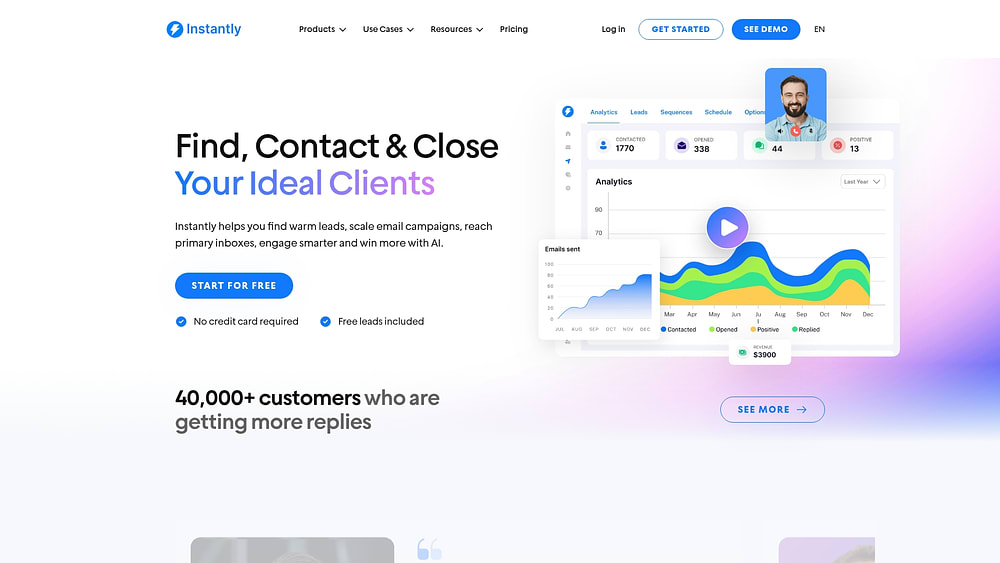
Instantly.ai enables high-volume email outreach with unlimited sending accounts and AI-driven deliverability optimization. The platform specializes in managing multiple email accounts across domains while maintaining inbox placement through automated warmup and reputation management. It is ideal for agencies and teams running large-scale cold email campaigns.
Use case:
Teams managing high-volume cold email campaigns that prioritize deliverability and require multiple sending accounts without per-seat pricing constraints.
Key features:
- Unlimited email account management: with automated warmup across all inboxes to establish positive sender reputation.
- AI-powered deliverability optimization: includes automated inbox placement tests, ESP matching, and blacklist monitoring.
- Integrated lead database: access to 450M+ B2B contacts with AI Reply Agent for automated responses within five minutes.
Pricing:
- Growth: $37/month with 1,000 uploaded contacts and 5,000 emails monthly.
- Hypergrowth: $97/month with 25,000 uploaded contacts and 100,000 emails monthly.
- Light Speed: $358/month with 100,000 uploaded contacts and 500,000 emails monthly, including dedicated IP blocks.
- SuperSearch credits: start at $9/month for 150 credits, scaling to $197/month for 10,000 credits.
- Annual billing: reduces costs by approximately 20% across all tiers.
Considerations:
- Pre-warmed accounts: tied to Instantly’s system, creating potential vendor lock-in concerns.
- Deliverability variance: real-world inbox placement can differ from seed-list tests, with occasional spam folder delivery despite strong test scores.
5. Reply.io
Reply.io provides multichannel outreach automation across email, LinkedIn, calls, and SMS with AI-driven sequence optimization. Designed for sales development teams, the platform includes a built-in contact database with over 1B prospects and a comprehensive deliverability suite. Conditional branching logic allows campaigns to adapt based on prospect behavior and engagement.

Use case:
Sales development teams executing coordinated multichannel campaigns that need to orchestrate touchpoints across email, social, and phone channels while maintaining high deliverability.
Key features:
- Multichannel conditional sequences: automate email, LinkedIn connections, calls, and SMS with branching logic based on prospect responses and engagement.
- Built-in contact database: access 1B+ verified contacts with real-time data and sub-3% bounce rates without leaving the platform.
- AI-powered personalization: generate unique email content at scale using AI Variables and personalization that adapts to individual prospects.
Pricing:
- Email Volume: $59/month per user (billed annually).
- Multichannel: $89/month per user (billed annually).
- AI SDR (Jason): starting at $500/month for automated pipeline generation.
- LinkedIn automation add-on: $69/month per account.
- Calls & SMS add-on: $29/month per account.
- Trial: 14-day trial available without a credit card.
Considerations:
- Add-on costs: LinkedIn automation and calls/SMS can increase total cost of ownership.
- Platform learning curve: advanced multichannel features may require time to master, and occasional glitches have been reported.
6. Lemlist
Lemlist delivers multichannel outreach automation that extends beyond basic email sequences. By combining email, LinkedIn actions, phone calls, and WhatsApp messaging into unified campaigns, it is designed for teams that aim to stand out through creative personalization rather than volume-based approaches.

Use case:
Teams prioritizing highly personalized outreach over mass campaigns, particularly when targeting prospects who receive heavy email volumes.
Key features:
- Multichannel sequences: coordinate email, LinkedIn steps, phone calls, and WhatsApp within single campaigns.
- Creative personalization: use dynamic images, personalized videos, and custom landing pages for each recipient.
- Deliverability-first design: built-in warm-up (lemwarm), inbox rotation, and DNS checks to protect sender reputation.
Pricing:
- Email Pro: $55/month per user (annual billing) or $69/month (monthly).
- Multichannel Expert: $79/month per user (annual billing) or $99/month (monthly).
- Enterprise: custom pricing for five or more seats with SSO/SAML and dedicated support.
- Trial: 14-day free trial with Multichannel Expert features included.
- Usage-based credits: $0.01 each for data enrichment, AI features, and intent signals.
- Add-ons: WhatsApp automation ($29/month), extra calling numbers ($15/month), additional domains ($4–8/month).
Considerations:
- Advanced campaign conditions: only available on higher-tier plans, limiting automation sophistication for basic users.
- Credit-based pricing: costs for data enrichment and AI features may significantly increase total subscription fees.
7. Klenty
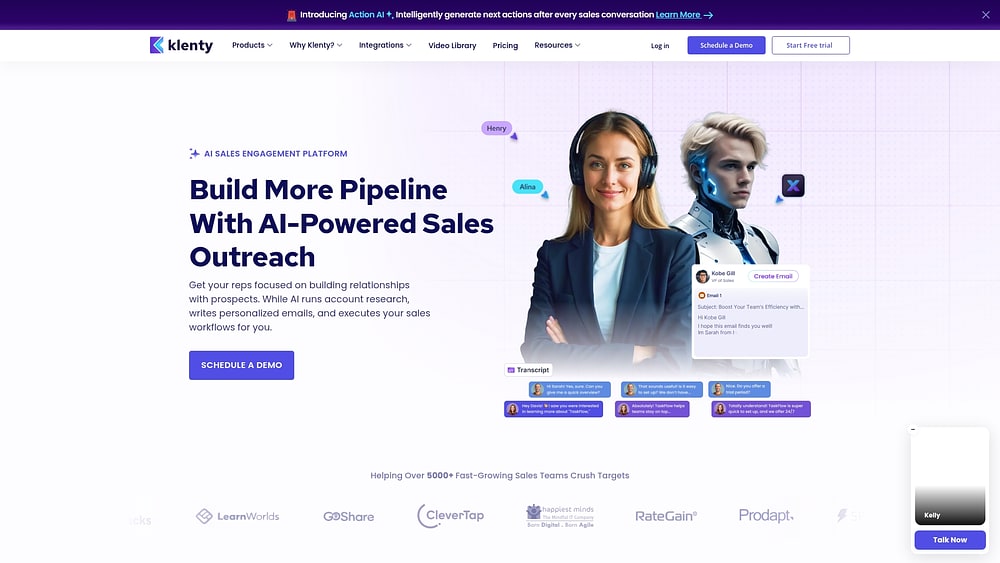
Klenty provides AI-powered sales engagement that removes manual work from outreach automation. It leverages “Agentic Cadences” to research prospects, craft personalized messages, and execute multichannel sequences with minimal rep oversight, ensuring the CRM stays updated while outreach runs automatically.
Use case:
Teams deeply invested in Salesforce, HubSpot, or Pipedrive who want outreach automation that integrates natively with their CRM workflows.
Key features:
- AI list builder: identifies prospects using natural language prompts and enriches contact data across sixteen providers.
- Account research: mines over 150 sources including 10-K filings, news, and tech stack data to personalize messaging at scale.
- Playbooks: automate next steps based on prospect responses, CRM stage changes, and engagement triggers.
Pricing:
- Starter: $50/user/month (annual billing).
- Growth: $70/user/month (annual billing).
- Plus: $99/user/month (annual billing).
- Enterprise: custom pricing.
- Dialer add-on: $35–$99/user/month with AI coaching available for $40/user/month.
- Savings: annual billing offers up to 20% discount compared to quarterly options.
Considerations:
- Daily email limits: 500 per user may restrict high-volume campaigns.
- LinkedIn automation: requires manual browser sessions and confirmations due to platform restrictions.
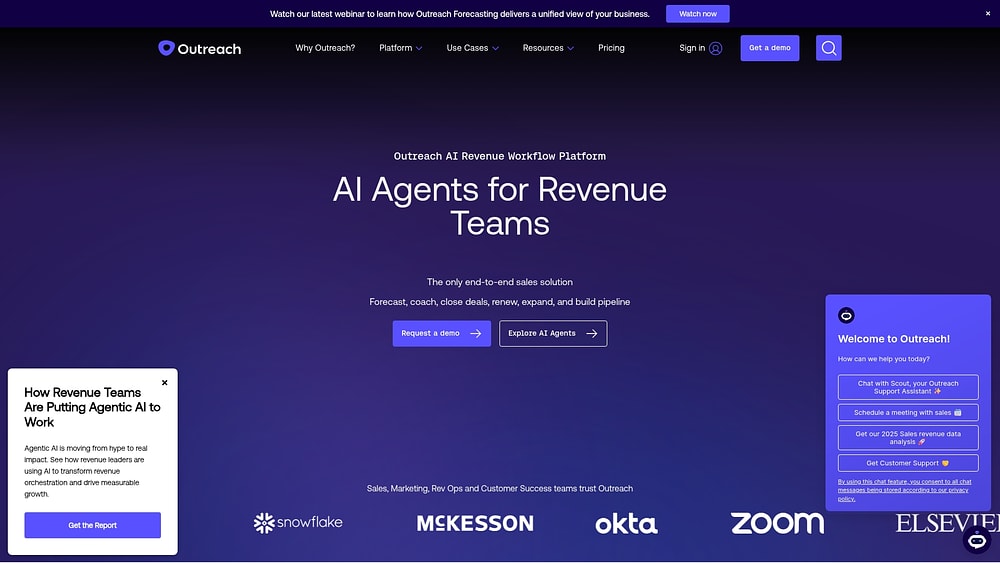
8. Outreach.io
Outreach.io offers comprehensive sales engagement with advanced AI features for enterprise sales teams. It is designed for complex, multi-stakeholder deals, providing automation governance and revenue intelligence that connects outreach activity directly to pipeline results.
Use case:
Enterprise sales teams managing complex deals who require deep analytics, revenue intelligence, and sophisticated automation governance to scale outreach.
Key features:
- Multichannel sequences: include automated and manual touchpoints, governed by rulesets for safety controls, out-of-office handling, and CRM synchronization.
- AI-powered conversation intelligence (Kaia): analyzes calls and emails to identify patterns and deliver real-time coaching.
- Revenue intelligence: links outreach activity to pipeline outcomes with detailed attribution and engagement-based forecasting.
Pricing:
- Engage, Meet (Kaia), Deal, Forecast: per user, quote-based pricing.
- Call/Voice: usage-based minutes and phone numbers.
- Amplify (AI agents): credit-based consumption model.
- Enterprise: pricing typically around $180/user/month via AWS Marketplace, with average annual discounts of 12%.
Considerations:
- Learning curve: can be steep, with occasional UI performance issues.
- Premium pricing: quote-only rates and credit-based AI features may impact budget planning for smaller teams.
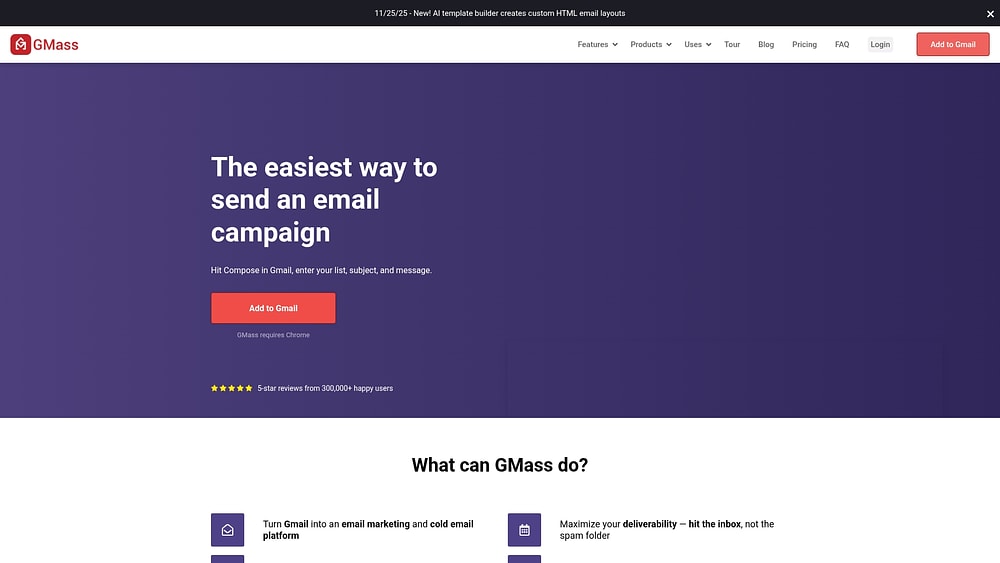
9. Gmass
Gmass brings outreach automation directly into Gmail, eliminating the learning curve of standalone platforms. This Chrome extension transforms Gmail into a robust outreach engine, with unlimited follow-up sequences and real-time reply detection. Teams already using Google Workspace can launch campaigns without switching apps or importing contact lists.
Use case:
Small teams and solopreneurs who want Gmail-native outreach automation without the complexity of full sales engagement platforms.
Key features:
- Unlimited automated follow-ups: sequences stop when recipients reply, click, or take specific actions.
- Event-triggered emails: fire immediately when prospects engage with messages.
- Send as replies: makes automated sequences appear like natural 1:1 conversations.
Pricing:
- Standard: $29.95/month or $249/year (~$20/month).
- Premium: $39.95/month or $349/year (~$29/month).
- Professional: $59.95/month or $599/year (~$49/month).
- Team plans: start at $175/month for five users with volume discounts for larger teams.
- Free trial: send up to 50 emails/day.
- SMTP fees: $5 per 10,000 messages for high-volume sending.
- Custom tracking domain: one-time $50 fee if configured by Gmass.
Considerations:
- Gmail dependency: limits teams using Outlook or other email clients.
- CRM features: basic compared to dedicated sales engagement platforms with advanced segmentation and scoring.
10. Smartlead
Smartlead provides email deliverability infrastructure for high-volume cold outreach. With unlimited mailbox rotation and AI-driven sender reputation management, it serves teams and agencies running large-scale campaigns. Built-in deliverability testing and centralized reply management help maintain inbox placement while scaling outreach.

Use case:
Teams conducting high-volume cold outreach who need advanced deliverability management across multiple sending accounts.
Key features:
- Master Inbox 3.0: consolidates replies from unlimited mailboxes with AI categorization and automated response handling.
- SmartDelivery: pre-send inbox placement testing and spam diagnostics to optimize campaigns.
- Unlimited mailbox connections: include AI warm-ups and automated reputation monitoring for all sender accounts.
Pricing:
- Base: $39/month (2,000 contacts, 2,000 emails/month).
- Pro: $94/month (30,000 contacts, 30,000 emails/month).
- Unlimited Smart: $174/month (unlimited contacts, 50,000 emails/month).
- Unlimited Prime: $379/month (unlimited contacts, 170,000 emails/month).
- Annual billing: 17% discount across plans.
- Add-ons: SmartDelivery ($49–$599/month), SmartServers ($39/server/month), SmartSenders for managed domains/mailboxes.
Considerations:
- Support response: may be slow for technical issues.
- Advanced deliverability: features like placement testing and dedicated servers require paid add-ons that increase total cost.
AI features that actually get replies
Forget the AI hype. You need features that improve reply rates, not just generate buzzwords. Real AI shows up in open rates and closed deals, providing your team with a measurable advantage. The focus should be on tools that make your outreach smarter and more effective.
Video personalization that gets 7x more clicks
Imagine sending a unique video to every prospect without recording each individually. Video personalization at scale allows you to record a single base video while AI adds custom thumbnails featuring the prospect’s logo, name, and other personal details.
This approach delivers seven times higher click-through rates than text-only emails. The reason is simple: personalized content cuts through the noise and demonstrates that you did your research. Revenue teams use monday CRM to turn cold outreach into warm conversations effectively.
Intent-triggered workflows for perfect timing
Reaching prospects at the exact moment they show interest can transform results. Intent-triggered workflows track real actions, such as website visits or pricing page views, replacing rigid schedules with dynamic timing.
Timing is critical. Contacting a prospect within minutes of engagement can increase conversion three to four times. Teams rely on monday CRM to automate these triggers, ensuring messages reach prospects when they are most likely to respond.
Smart multi-channel orchestration
Avoid overwhelming prospects. Contacting them on email, LinkedIn, and the phone in the same day can feel desperate. AI-powered orchestration creates a single, seamless conversation across channels.
When a prospect replies on any channel, the system automatically adjusts future outreach to prevent duplicate messages. This coordination transforms scattered outreach into a cohesive strategy.
Predictive lead scoring that works

Not all leads are equal, and your approach should reflect that. Predictive scoring evaluates hundreds of behavioral signals to identify leads most likely to close, helping your team prioritize effectively.
High-priority leads receive immediate attention, while others are nurtured until they are ready. Teams using monday CRM for predictive scoring focus their top representatives on the opportunities with the highest potential, increasing conversion rates.
Focus on these features to see immediate improvements in engagement metrics.
Choosing your AI outreach platform
Selecting the wrong platform can create years of challenges: poor data quality, frustrated representatives, and missed targets. The first question is whether you want a single, integrated platform or another tool to manage separately. Standalone platforms often create data silos, requiring constant tab switching and manual work that disrupts workflow.
Consider these factors before purchasing:
- Total cost of ownership: The listed price rarely reflects the real cost. Hidden costs include setup, training, and lost productivity as teams struggle with a new system.
- Adoption rates: The most valuable feature is the one your team consistently uses. If the platform is unintuitive, it becomes unused. An integrated solution like monday CRM automates outreach where your team already manages pipelines, simplifying adoption and accelerating results.
5 steps to successful AI outreach implementation
Launching AI outreach without a plan can lead to stalled adoption, confusing results, and skepticism. A structured approach prioritizes sequence over speed. Follow these five steps to maximize impact and ensure AI drives measurable results.
Step 1: audit your current tech stack
Begin with an honest assessment of your technology. Map every email tool, CRM, and database, then examine the data for broken workflows, mismatched deal stages, and repetitive manual tasks.
Beyond identifying problems, this establishes a baseline. What are your current reply rates? How many hours does your team spend on manual work? Without knowing where you started, measuring AI’s effect is impossible.
Step 2: decide what a win looks like
Define success with concrete metrics, not vague ambitions. What results should appear in the first 30 days? Focus on higher reply rates and fewer hours spent on busywork — these are the early wins that build momentum.
Long-term success is tied to pipeline growth, revenue, and shorter sales cycles. These metrics demonstrate tangible business impact and justify continued investment. Are you prepared to track whether your strategy is working?
Step 3: find your champions
Identify three to five team members who embrace experimentation. Give them early access, collect feedback, and allow them to test AI without pressure.
Their successes become a documented playbook. Use these champions as peer trainers, as they understand the team’s day-to-day challenges better than any external consultant.
Step 4: tackle the 'AI is taking my job' fear
Address concerns about job displacement directly. Make it clear that AI serves as an assistant, not a replacement. It handles repetitive tasks so team members can focus on relationship building and closing deals.
Encourage open dialogue and safe experimentation. When teams feel supported rather than judged, adoption rises, and innovative approaches emerge naturally.
Step 5: scale based on proven results
Once your champions achieve results and workflows are documented, expand carefully. Add new users in small groups, ensuring each team member is comfortable before onboarding the next.
Layer advanced features gradually. Teams using monday CRM benefit from its flexibility to scale workflows without complex technical setups. This approach maintains momentum and prevents habits from breaking down.
Why monday CRM changes the outreach automation game
Managing multiple apps — CRM, email, lead finder, scheduler — can waste hours on simple tasks. Modern platforms like monday CRM unify AI-powered outreach within the workflows your team already uses, reducing friction and saving time.
AI tools you’ll actually use
Forget waiting on IT or learning to code. Our AI Blocks let your team add smart features directly into workflows with a few clicks. They read the data you already have to provide context-aware assistance exactly when it is needed.
Instead of complex setups, your team gets intuitive tools that understand their goals. This gives teams the ability to:
- Enrich leads instantly: no more manual research. AI pulls in company size, industry, and key contacts automatically.
- Write emails faster: generate personalized outreach based on a prospect’s role and company news using your proven templates.
- Sort responses for you: AI analyzes incoming replies, categorizes them by intent and urgency, and triggers the right follow-up.
- Summarize your calls: instantly extract key points and action items from meeting notes to update deal records and tasks.
An AI assistant for every rep
Imagine an AI assistant for every rep, working 24/7 in the background. Digital Workers monitor the pipeline, detect patterns, and suggest next actions so your team can focus on selling rather than spreadsheets. No manual analysis is needed — just proactive guidance.
A Digital Worker can flag a deal at risk when engagement declines or suggest the best time to follow up based on past behavior. It also highlights when a key decision-maker is missing from a deal, helping teams advance opportunities and close faster.
One platform, not seven
Stop managing multiple tools that do not communicate. monday CRM unifies everything needed for outreach in one platform. That means one subscription, zero integration headaches, and no lost data between apps.
| Fragmented tech stack | monday CRM unified platform |
|---|---|
| Juggling separate apps | One workspace for everything |
| Constant data sync errors | Real-time, automatic updates |
| Multiple clunky integrations | Native email and scheduling |
| Paying for multiple tools | One simple subscription |
What does this mean for your team? When a prospect responds, monday CRM automatically updates the deal, logs the email, and triggers the next step. Teams using this integrated approach reclaim hours each week to focus on what matters most: selling.
“With monday CRM, we’re finally able to adapt the platform to our needs — not the other way around. It gives us the flexibility to work smarter, cut costs, save time, and scale with confidence.”
Samuel Lobao | Contract Administrator & Special Projects, Strategix
“Now we have a lot less data, but it’s quality data. That change allows us to use AI confidently, without second-guessing the outputs.”
Elizabeth Gerbel | CEO
“Without monday CRM, we’d be chasing updates and fixing errors. Now we’re focused on growing the program — not just keeping up with it."
Quentin Williams | Head of Dropship, Freedom Furniture
“There’s probably about a 70% increase in efficiency in regards to the admin tasks that were removed and automated, which is a huge win for us.“
Kyle Dorman | Department Manager - Operations, Ray White
"monday CRM helps us make sure the right people have immediate visibility into the information they need so we're not wasting time."
Luca Pope | Global Client Solutions Manager at Black Mountain
“In a couple of weeks, all of the team members were using monday CRM fully. The automations and the many integrations, make monday CRM the best CRM in the market right now.”
Nuno Godinho | CIO at VelvReady to automate your revenue growth?
Outreach automation is more than saving time — it enables relevance at scale. By replacing manual data entry and disconnected tools, teams focus on what drives revenue: building relationships and closing deals. The right platform transforms outreach from a “shot in the dark” to a predictable, data-driven engine.
Start by auditing the current tech stack and identifying where reps lose the most time. Whether it is manual prospecting or switching between apps, removing these friction points is the fastest way to boost both morale and results.
Try monday CRM to see how a unified, AI-powered platform can improve the sales process.
Try monday CRMFrequently asked questions
Which AI outreach tool works best for teams using existing CRMs?
Native solutions are often the best choice because they avoid integration issues and keep data in one place. Standalone tools can create extra platforms to manage and risk data sync problems.
What's the real cost of AI outreach automation including hidden fees?
The full cost includes the subscription plus fees for AI usage, integration, and team training. Expect at least 30% more than the advertised price, especially when connecting multiple standalone tools.
How long does it take to implement AI outreach tools?
Implementation can take a few hours for integrated solutions or over a month for complex platforms requiring data migration. The timeline depends on setup complexity and team training needs.
Can AI outreach tools ensure GDPR and TCPA compliance?
AI tools cannot guarantee compliance on their own. Organizations remain responsible for meeting these regulations. Platforms provide supportive features, but legal review is required before deployment.
How do AI outreach platforms compare to traditional email automation?
AI outreach adapts to prospect behavior with dynamic personalization. Traditional automation uses static sequences. This often results in higher engagement for AI-driven campaigns.
What is the benefit of a CRM with built-in AI outreach?
A CRM with integrated AI outreach consolidates all sales activities into a single platform. This reduces data sync errors, lowers costs, and provides a seamless workflow for the sales team.

 Get started