IT teams spend months patching servers and managing backups while sales teams wait for critical updates. Meanwhile, competitors use cloud-native, AI-powered insights to adapt in real-time. The gap between rigid on-premise infrastructure and the need for sales velocity is widening.
On-premise CRM keeps data on your physical servers, granting total control over security and customization. However, this hands-on approach comes at a high price: massive upfront costs, IT headaches, and lost speed.
We’ve analyzed how on-premise CRM really works, stacked it against cloud options, and and quantified the hidden operational expenses that often surface only after a long-term commitment has been made.
Key takeaways
- Calculate the real costs before committing: on-premise CRM can cost $250,000-$1 million over five years when you include hidden expenses like IT staff, hardware updates, and compliance audits.
- Cloud CRM delivers faster results with less hassle: skip the months-long setup and maintenance headaches and get your team selling immediately with instant access from anywhere.
- Most security concerns about cloud are outdated: modern cloud platforms often provide stronger security than most companies can build themselves, with 24/7 monitoring and automatic updates.
- Cloud-native platforms accelerate revenue team performance: solutions like monday CRM provide AI-powered insights, instant collaboration, and automatic updates that keep your sales process competitive without IT overhead.
- Only specific regulated industries truly need on-premise: unless you handle classified government data or have air-gapped networks, cloud CRM likely meets your compliance requirements with proper configuration.
What is on-premise CRM?
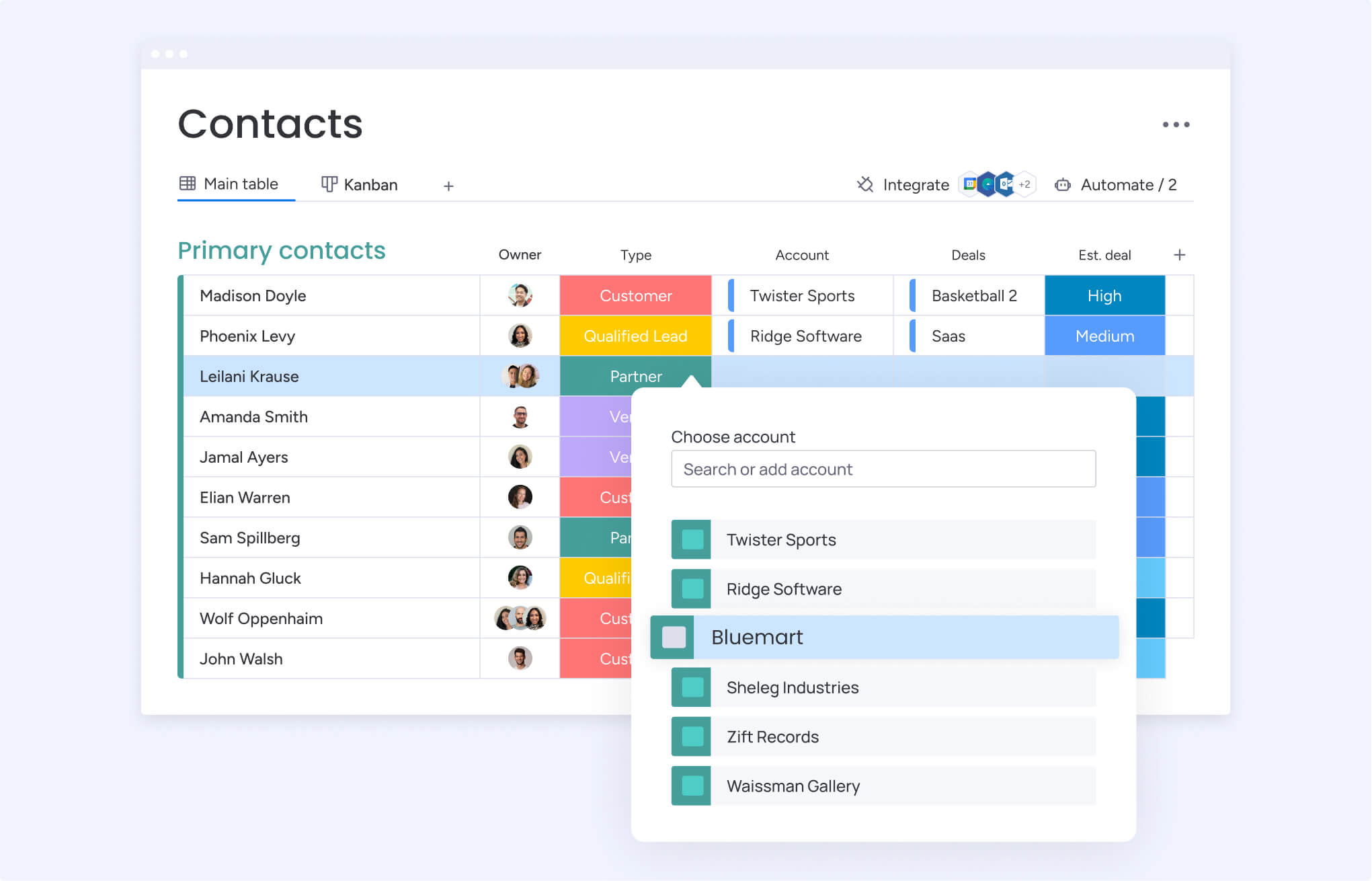
On-premise CRM runs on servers located within your organization’s facilities rather than in a vendor’s data center. You purchase the software licenses, install the system on your hardware, and maintain complete control over every aspect, from security protocols to system updates.
This model resembles owning a house versus renting an apartment: you’re responsible for all maintenance, but you also have total control over every modification and upgrade.
It’s the opposite of cloud CRM, where your data sits on someone else’s servers and you access everything through the internet. With on-premise CRM, your IT team manages the physical servers, network infrastructure, database systems, and all security measures.
Your customer data never leaves your building unless you explicitly move it. Users typically access the system through desktop applications or internal web browsers, and remote access requires VPN connections to your corporate network.
Understanding how on-premise CRM software operates
On-premise CRM runs entirely on your own network. Everything happens inside your four walls, allowing the system to operate independently of an internet connection. When a sales rep enters customer information, that data flows through your local network to database servers in your server room or data center.
The system processes everything locally with no internet connection required for core functionality.
Your IT team shoulders significant responsibility with this model, as they must oversee the entire technology stack from hardware to software. Understanding these distinct components is crucial for calculating the true cost and effort required. They manage five critical areas:
- Physical servers: hardware that runs the CRM application and stores all data.
- Database systems: software like SQL Server or Oracle that organizes customer information.
- Network security: firewalls and intrusion detection systems protecting your CRM.
- Backup infrastructure: separate storage systems creating data copies for disaster recovery.
- User access controls: authentication systems managing who can see what information.
Updates and patches require manual intervention. When the vendor releases security fixes or new features, your IT staff must test these updates in a separate environment, schedule downtime, and deploy changes across your infrastructure. This process can take weeks or months, depending on your resources and the complexity of your customizations.
Identifying key infrastructure components
Running on-premise CRM requires multiple interconnected systems working in harmony. Each component demands specialized expertise and ongoing maintenance to ensure optimal performance and security.
The infrastructure foundation includes six essential elements:
- Server hardware: dedicated machines requiring climate control, uninterruptible power supplies, and physical security measures to protect against theft or damage.
- Database management: platforms storing customer data need regular optimization, index rebuilding, and capacity planning to maintain performance.
- Network architecture: routers, switches, and load balancers ensuring data flows efficiently between users and servers.
- Security infrastructure: multiple layers including perimeter firewalls, application firewalls, and intrusion prevention systems.
- Backup systems: both on-site and off-site storage solutions protecting against data loss from hardware failure or disasters.
- Monitoring platforms: systems tracking performance, detecting failures, and alerting IT staff to problems before they impact users.
On-premise CRM vs cloud CRM deployment models
Your deployment choice doesn’t just affect IT; it completely transforms how your sales team works every single day. The ripple effects go way beyond your server room: they hit your sales team’s daily routine, how fast you get reports, and whether you can pivot when the market shifts.
Understanding these distinctions helps you make an informed decision that aligns with your organization’s needs and resources.
| Aspect | On-premise CRM | Cloud CRM |
|---|---|---|
| Data location | Stored on servers in your facilities | Hosted in vendor data centers globally |
| Maintenance | Your IT team handles everything | Vendor manages infrastructure automatically |
| Initial investment | $50,000-$500,000+ for hardware and licenses | $25-$150 per user monthly |
| Scaling speed | Weeks to months for hardware procurement | Instant with license adjustments |
| Access method | Office network or VPN only | Any device with internet connection |
| Update frequency | Manual quarterly or annual updates | Automatic continuous updates |
The operational impact extends beyond these technical specifications. On-premise systems often limit your sales team’s mobility as they can’t easily access customer data from client sites or while traveling without complex VPN setups.
In contrast, cloud CRM platforms provide instant access from anywhere, enabling sales reps to update deal information immediately after meetings and managers to monitor pipeline health in real-time.
Cost structures also differ dramatically between models. On-premise requires substantial upfront capital investment plus ongoing operational expenses. You’re paying for servers, cooling systems, backup infrastructure, and the IT staff to manage it all. Cloud CRM operates on predictable monthly subscriptions, converting capital expenditure to operational expenditure.
This shift frees up capital for revenue-generating activities, such as revenue management software solutions, rather than infrastructure maintenance.
Security architecture differences
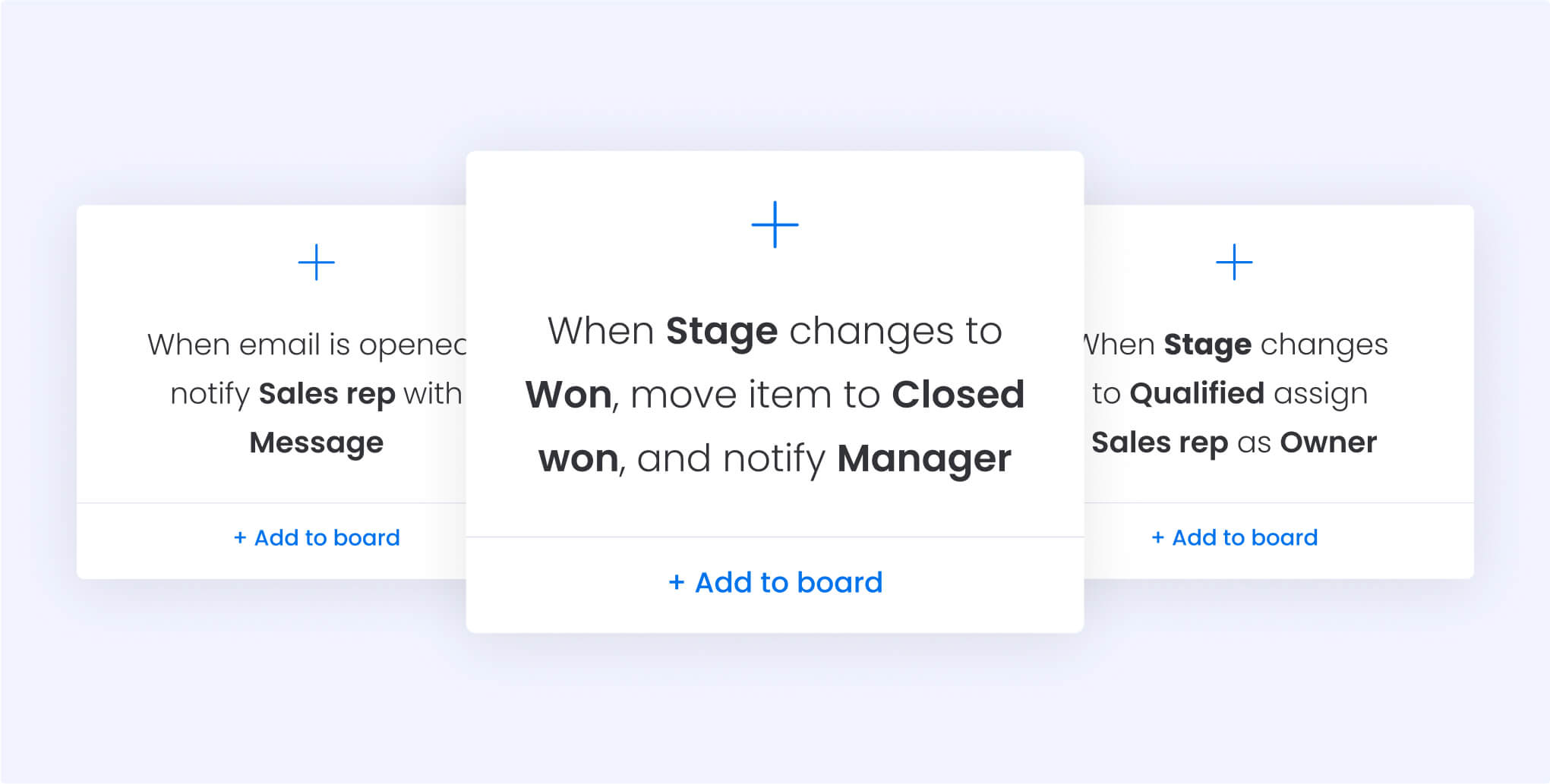
Who handles security? That’s the million-dollar question separating these models. The answer shapes both your day-to-day work and your long-term strategy. Once you understand these security distinctions you’ll know which option actually matches what your team can handle and what your business truly needs.
On-premise CRM places every security decision in your hands. You design the security architecture, implement protective measures, monitor for threats, and respond to incidents. This includes physical security for server rooms, network segmentation, encryption protocols, and access controls.
Cloud CRM operates under a shared responsibility model. The vendor secures the underlying infrastructure including data centers, network architecture, and platform-level protections. You manage application-level security like user permissions and data classification.
Modern platforms implement enterprise-grade security including SOC 2 Type II certification, ISO 27001 compliance, and 24/7 security monitoring. These capabilities would cost hundreds of thousands of dollars to replicate on-premise.
Data control and ownership comparison
On-premise CRM provides absolute control over data location. You know exactly which server holds customer information, who has physical access to that hardware, and how backups are stored. This control matters for organizations with strict data sovereignty requirements or those handling classified information.
You can implement custom retention policies, ensure data never crosses geographic boundaries, and maintain air-gapped backups completely disconnected from networks.
On the other hand, cloud CRM stores data in vendor-managed facilities, raising questions about sovereignty and third-party access. However, reputable providers address these concerns through four key mechanisms:
- Regional data centers: choose where your data resides to meet jurisdiction requirements.
- Contractual guarantees: legal agreements defining data handling and access restrictions.
- Encryption standards: data encrypted both in transit and at rest, protecting it even from the vendor.
- Audit trails: complete logs of every access attempt and data modification.
Revenue teams using advanced solutions like monday CRM benefit from enterprise-grade security without the overhead of managing it themselves. The platform maintains multiple compliance certifications while providing the flexibility to configure permissions and access controls according to your specific requirements.
Compliance and regulatory considerations
On-premise deployment puts full compliance responsibility on your organization. You must understand applicable regulations, implement required controls, document procedures, and prove compliance through audits. Different frameworks require specific implementations:
- GDPR: design data protection measures, maintain processing records, enable data portability, and ensure erasure capabilities.
- HIPAA: implement administrative, physical, and technical safeguards with detailed audit trails.
- SOX: establish internal controls over financial reporting with segregation of duties.
- PCI DSS: create network segmentation, encryption, and regular security testing protocols.
Cloud CRM providers typically maintain compliance certifications that customers can leverage. They undergo regular third-party assessments and provide documentation for your compliance needs. This shared approach reduces your compliance burden while maintaining security standards.
Hidden costs of on-premise CRM
On-premise CRM costs way more than just the sticker price on those licenses. Organizations often discover these hidden expenses only after implementation, when budgets are already committed and switching becomes difficult, prompting some to temporarily rely on Excel client management as a cost-saving measure.
Gaining clarity on these costs from the start allows for more accurate forecasting and protects against unforeseen financial shocks.
Ongoing maintenance and staffing requirements
Maintaining on-premise CRM requires specialized personnel across multiple disciplines. These aren’t roles you can easily combine or outsource, and each position commands significant salary requirements:
- Database administrators ($80,000-$130,000 annually): managing database performance, backups, and recovery procedures.
- Security administrators ($90,000-$140,000 annually): configuring firewalls, monitoring threats, and responding to incidents.
- Network engineers ($85,000-$135,000 annually): maintaining infrastructure and ensuring connectivity.
- Compliance specialists ($75,000-$120,000 annually): managing audits and regulatory requirements.
Beyond salaries, consider training costs, benefits, and the challenge of retaining specialized talent. When key personnel leave, their knowledge walks out the door, creating vulnerabilities and operational disruptions.
Infrastructure and update expenses
Every component of on-premise infrastructure requires regular updates and eventual replacement. Software patches arrive constantly – sometimes weekly during active threat periods. Each patch requires testing, scheduling, and deployment. According to a report by Ponemon Institute, 60% of breaches involve unpatched vulnerabilities where fixes were available but not applied.
Hardware refresh cycles compound costs. Servers typically need replacement every three to five years. Storage systems require expansion as data grows. Network equipment needs upgrades to support new security standards. These capital expenditures often arrive unexpectedly, disrupting budgets and requiring emergency procurement processes.
Compliance audits add recurring expenses that many organizations underestimate:
- SOC 2 audits: $15,000-$50,000 annually plus internal preparation time.
- ISO 27001: $20,000-$75,000 initial certification, $10,000-$30,000 annual maintenance.
- Industry-specific compliance: $50,000-$200,000+ annually depending on scope.
When to choose on-premise CRM?
While on-premise CRM involves significant expense and complexity, certain situations genuinely require this deployment model. Understanding when on-premise infrastructure is truly necessary helps organizations avoid unnecessary capital expenditure while maintaining appropriate data security. The key is distinguishing between actual regulatory mandates and internal preferences that may be outdated.
Similarly, CRM for property management solutions can address specialized on-premise requirements for managing tenant records and leases with enhanced data control.
Industries with strict data requirements
Certain industries face regulatory mandates that genuinely require on-premise infrastructure. Understanding these specific scenarios helps you determine whether your organization truly needs this deployment model or if cloud solutions can meet your requirements with proper configuration.
Three primary sectors have legitimate on-premise needs:
- Government and defense: agencies handling classified information operate under ITAR regulations requiring data remain on systems with specific security clearances, while law enforcement and citizen data management demand complete control over access and retention.
- Healthcare systems: while HIPAA allows cloud CRM through proper business associate agreements, large hospital systems sometimes choose on-premise to integrate deeply with electronic health record systems and maintain consistent security controls across all protected health information, though enterprise CRM solutions increasingly address these concerns.
- Financial institutions: banks processing payment card data under PCI DSS requirements may prefer on-premise deployment to maintain complete control over the cardholder data environment and implement specific security controls mandated by banking regulations, even though cloud providers can meet these standards.
Legitimate security and customization needs
Organizations with air-gapped networks, completely isolated from the internet, require on-premise systems. Defense agencies, critical infrastructure operators, and research facilities handling classified information sometimes need this level of isolation. However, air-gapped systems sacrifice the connectivity and collaboration features that make CRM valuable.
Some companies have invested heavily in proprietary security infrastructure or custom authentication systems incompatible with cloud platforms. If you’ve recently spent millions on specialized security platforms or have unique compliance requirements no cloud vendor can meet, on-premise might make sense temporarily while planning a longer-term migration strategy.
Whendoes cloud CRM make more sense?
Most companies get better results with cloud CRM and dodge the headache of managing all that hardware.
For example, a CRM for real estate can allow remote agents to update property listings and manage leads from anywhere, harnessing the agility of cloud-based solutions. You’ll feel the difference when speed matters, when markets shift, or when you’d rather have your team closing deals instead of babysitting servers.
Modern cloud platforms have evolved to address most security and compliance concerns that historically drove on-premise decisions.
Business agility and scalability needs
Markets change rapidly. Your CRM should adapt just as quickly. Cloud CRM platforms enable instant adjustments: add users, modify workflows, or implement new automation rules without waiting for IT tickets or development cycles.
Revenue teams using platforms like monday CRM can adjust their sales processes in minutes, testing new approaches and optimizing what works without technical barriers.
Remote and hybrid work arrangements have become permanent for many organizations. Cloud CRM provides anywhere access without VPN complexity. Sales reps update deals immediately after meetings. Managers monitor pipeline health from any location. Teams collaborate seamlessly regardless of physical location.
Resource optimization priorities
Every dollar spent maintaining servers is a dollar not invested in sales enablement. Cloud CRM eliminates infrastructure management, freeing your IT team to focus on strategic initiatives that drive growth. Instead of patching servers at midnight, they can build integrations that accelerate deal velocity.
Modern sales teams need AI-powered insights and automation to compete effectively. Cloud-native platforms like monday CRM deliver these capabilities through continuous updates. Email composition assistance, sentiment analysis, and intelligent lead routing arrive automatically without infrastructure upgrades.
On-premise systems struggle to keep pace with AI advancement due to hardware limitations and update complexity.
Making the deployment decision
Choosing between on-premise and cloud requires a shift from outdated assumptions toward a realistic assessment of your business goals. While many organizations default to local hosting for a perceived sense of control, they often do so at the expense of sales velocity and operational efficiency.
A systematic evaluation process helps you make the right choice for your specific situation.
Start by examining your true compliance requirements. Separate regulatory mandates from internal preferences. Many regulations that once required on-premise deployment now accommodate cloud solutions with proper controls. Modern cloud platforms often exceed the security capabilities most organizations can achieve independently.
Calculate total cost of ownership, including hidden expenses. Factor in these critical cost components:
- IT personnel costs: salaries, benefits, training, and replacement when staff leave.
- Infrastructure expenses: hardware, software licenses, maintenance contracts, and refresh cycles.
- Opportunity costs: what your team could accomplish if not maintaining infrastructure.
- Agility impact: revenue lost due to slow adaptation and limited visibility.
It is equally important to consider your growth trajectory by asking if your current setup can support AI advances or if it will hinder collaboration as you scale.
The most successful revenue teams prioritize velocity and visibility over infrastructure control. They recognize that true control means adapting instantly to market conditions, seeing pipeline health in real-time, and enabling teams to focus on selling rather than system maintenance.
Platforms like monday CRM deliver this agility through cloud-native architecture while maintaining enterprise-grade security and compliance.

“With monday CRM, we’re finally able to adapt the platform to our needs — not the other way around. It gives us the flexibility to work smarter, cut costs, save time, and scale with confidence.”
Samuel Lobao | Contract Administrator & Special Projects, Strategix
“Now we have a lot less data, but it’s quality data. That change allows us to use AI confidently, without second-guessing the outputs.”
Elizabeth Gerbel | CEO
“Without monday CRM, we’d be chasing updates and fixing errors. Now we’re focused on growing the program — not just keeping up with it."
Quentin Williams | Head of Dropship, Freedom Furniture
“There’s probably about a 70% increase in efficiency in regards to the admin tasks that were removed and automated, which is a huge win for us.“
Kyle Dorman | Department Manager - Operations, Ray White
"monday CRM helps us make sure the right people have immediate visibility into the information they need so we're not wasting time."
Luca Pope | Global Client Solutions Manager at Black Mountain
“In a couple of weeks, all of the team members were using monday CRM fully. The automations and the many integrations, make monday CRM the best CRM in the market right now.”
Nuno Godinho | CIO at Velv
“monday.com provides developmental flexibility, operational efficiency, and data transparency — all in one place. We became a company that moved from chasing data to leading with it.”
Hyunghan Lee | Team Lead, Sandbox Network
"monday.com brought every part of our business into one connected space. The harmony between work management and CRM has become our operating system — giving us the clarity and confidence to scale.”
Jennifer Chinburg | Executive Vice President of Corporate Development & Brand, Chinburg Properties
“We just weren’t getting value from our old CRM. With monday.com, it's a thousand times better. Our sales teams are more informed, more consistent, and far more connected."
James Arnold | Chief Operating Officer, CenversaUpgrade your sales velocity with on-premise CRM security
The fundamental question organizations must address is whether to allocate resources toward infrastructure management or revenue generation. On-premise CRM provides maximum control over data and systems but requires substantial IT expertise, ongoing maintenance investments, and infrastructure management that can divert attention from core business objectives.
Cloud CRM platforms deliver enterprise-grade capabilities without the operational burden, enabling teams to concentrate on building customer relationships and advancing deals. Modern cloud solutions address the majority of security and compliance requirements while providing superior agility, automatic updates, and AI-powered features that align with evolving market demands.
For most organizations, the strategic advantages of cloud CRM including faster deployment, predictable costs, universal access, and continuous innovation, outweigh the perceived benefits of on-premise control. The critical factor is making an informed decision based on actual business requirements rather than assumptions, ensuring your CRM selection supports revenue objectives rather than creating barriers to growth.
The content in this article is provided for informational purposes only and, to the best of monday.com’s knowledge, the information provided in this article is accurate and up-to-date at the time of publication. That said, monday.com encourages readers to verify all information directly.
Frequently asked questions
What are the main disadvantages of on-premise CRM compared to cloud solutions?
The main disadvantages of on-premise CRM are its requirement for significant IT resources for maintenance, limited remote access without complex VPN setups, and high upfront costs for hardware and licensing. Updates happen slowly through manual processes, and scaling requires purchasing additional hardware, which can take weeks or months.
How much does on-premise CRM typically cost over 5 years?
Total 5-year costs for on-premise CRM typically range from $250,000 to over $1 million, including initial hardware and licensing ($50,000-$500,000), IT staff salaries, maintenance contracts, compliance audits, and hardware refresh cycles. These figures exclude opportunity costs from delayed implementations and lost sales productivity.
Can on-premise CRM integrate with cloud applications?
Yes, on-premise CRM can integrate with cloud applications through APIs and middleware, but these connections require careful security configuration, encrypted data transfer protocols, and often additional integration platforms to bridge the on-premise and cloud environments effectively.
What happens when on-premise CRM software reaches end-of-life?
When on-premise CRM reaches end-of-life, vendors stop releasing security patches and updates, leaving systems vulnerable to new threats. Organizations must either upgrade to a supported version, requiring significant investment and potential disruption, or accept increasing security risks from unpatched vulnerabilities.
Is on-premise CRM more secure than cloud CRM?
On-premise CRM isn't inherently more secure than cloud solutions. Security depends on implementation quality, not location. Most data breaches result from unpatched on-premise systems and human error, while cloud vendors typically invest more in security infrastructure and expertise than individual organizations can afford.
Which industries still require on-premise CRM deployment?
Government agencies handling classified information, defense contractors under ITAR regulations, and some critical infrastructure operators may require on-premise CRM. However, even in regulated industries like healthcare and finance, cloud CRM increasingly meets compliance requirements through proper configurations and agreements.