

When a prospect comments on a LinkedIn ad or sends a DM, you’re looking at a potential revenue signal — not just engagement. Social CRM software captures those conversations and connects them directly to contact records, follow-up workflows, and pipeline activity, so your team can act on every comment, mention, or message as a real sales opportunity.
Below, you’ll discover what social CRM software actually does, how it differs from standard CRM and social tools, and 15 platforms built to turn engagement into revenue. You’ll also learn which features matter most, who gets the most value from them, and how to choose a platform that fits the way your team already sells.
What is social CRM software?
Your next customer just commented on a LinkedIn post. Can your CRM software see it? Social CRM software captures those conversations, questions, and buying signals and feeds them straight into your sales pipeline, so your team can stop guessing and start acting.
Social engagement stops living in a marketing dashboard and starts driving revenue. A LinkedIn ad comment or a message on Instagram can appear inside a customer record, giving sales, marketing, and support shared context without forcing anyone to bounce between tools.
Social CRM vs. traditional CRM
A traditional CRM depends on the information your team enters: call notes, meeting logs, emails, and manually updated records. A social CRM adds another layer by listening beyond your own systems. It brings in public comments, DMs, and ad interactions, then connects those signals directly to the contact record.
| Dimension | Traditional CRM | Social CRM |
|---|---|---|
| Primary data source | Internal: emails, calls, notes, manually entered data | External + internal: social messages, comments, mentions, plus traditional CRM data |
| Channel focus | One-to-one communication: email, phone, meetings | Public conversations and community engagement |
| Team that uses it most | Sales, account management, customer success | Sales, marketing, support, community management |
| Core goal | Track and close deals, manage customer lifecycle | Convert social engagement into pipeline, monitor brand health |
| Lead capture method | Web forms, manual entry, email, referrals | Social ad campaigns, DMs, comments, brand mentions |
| Customer interaction style | Private, direct, formal | Public, conversational, informal |
Social CRM vs. social media management

Social media management tools are useful for scheduling posts and measuring engagement. The problem appears when a high-intent prospect comments on an ad or sends a message and that interaction stays trapped as a social metric. Unless someone copies it into the CRM by hand, the opportunity stalls there.
Social CRM closes that gap. It converts social interactions into active leads inside the pipeline, automatically. Once you understand that difference, it becomes much easier to focus on revenue instead of vanity metrics. You’re no longer just managing posts; you’re managing relationships.
Try monday CRM15 best social CRM software platforms
“Social CRM” has become an umbrella term for wildly different products. Sometimes it refers to a basic social inbox. Other times it means a listening platform or a complete sales system. That ambiguity trips up buyers — teams either overbuy or miss the features that actually close deals.
| Platform | Use case | Free trial* | Notable feature | Starting price* |
|---|---|---|---|---|
| monday CRM | Teams that want social inquiries to become structured pipeline automatically | Yes | AI-powered sentiment detection and lead enrichment | $12/seat/month |
| Zoho CRM | Teams that want social listening and lead capture in the CRM, not a separate platform | Yes (15 days) | Native Social Tab for Facebook and X | $14/user/month |
| Sprout Social | Social-first teams handling high volumes of customer conversations and escalating issues into structured cases | Yes (30 days) | Case management with automation | $79/seat/month |
| Salesforce | Enterprise service teams handling social and messaging interactions at scale with AI assistance | Yes (30 days) | Omnichannel routing with Einstein AI-assisted responses | $25/user/month |
| HubSpot | Teams that want social activity tied directly to contact records and pipeline reporting | Yes | CRM-linked social monitoring | $20/seat/month |
| Agorapulse | Marketing teams and agencies managing high volumes of social engagement with lightweight CRM functionality | Yes | ROI dashboard with GA4 integration | $69/user/month |
| Hootsuite | Enterprise social and customer care teams that need unified inbox and CRM/helpdesk integrations | Yes (30 days) | Unified social inbox (Inbox 2.0) with AI classifiers | $99/user/month |
| Zendesk | Customer service teams that need to handle large volumes of social messages within a ticket-based workflow | Yes (30 days) | Social messaging integrations that convert to support tickets | $55/agent/month |
| Nimble | Small teams and solopreneurs that want to turn social interactions into structured sales relationships | Yes (14 days) | Social profile enrichment from LinkedIn, Twitter/X, and Facebook | $24.90/seat/month |
| Pipedrive | SMB sales teams that want a clean, pipeline-first CRM with native Facebook Messenger support | Yes (14 days) | Facebook Messenger integration with unified inbox | $14/seat/month |
| Planable | Marketing and content teams that need structured approval and publishing workflows at scale | Yes | Multi-level approval workflows with internal comments | $33/workspace/month |
| Breakcold | B2B reps that need one inbox for social engagement and email outreach | Yes (14 days) | Social activity feed for LinkedIn and X/Twitter | $59/user/month |
| folk | Small and mid-sized teams running relationship-based sales with social contact capture | Yes (14 days) | folkX Chrome extension for one-click contact capture | $24/user/month |
| Sendible | Agencies and social media teams that need client-ready engagement and reporting across many accounts | Yes (14 days) | Client Connect for secure account linking | $29/month |
| Bitrix24 | Growing teams that want omnichannel social messaging, CRM, and collaboration in one system | Yes (30 days) | Open Channels for Facebook, Instagram, WhatsApp, Telegram, and Viber | $49/month |
*Prices may vary based on plan, billing cycle, or region. Free trial availability is subject to change.
1. monday CRM
monday CRM turns scattered social inquiries into a structured pipeline that runs itself. This gives your team a reliable, automated way to manage social inquiries. The system keeps moving without admin drag. Stop juggling ad forms, inbox threads, and ownership disputes. Run lead management, deals, and customer communication in one place. One place for everything, with automations and AI that cut the repetitive work slowing your deals.

Use case: Revenue teams that want to capture social leads, route them automatically, and manage follow-up inside a customizable CRM pipeline
Key features
- Social lead capture without manual work: Collect leads from social ad campaigns and website forms, then centralize, qualify, and assign them automatically.
- AI-powered sentiment detection and lead enrichment: Detect sentiment, auto-enrich contact data from Crunchbase, and assign leads based on AI-driven categorization and extraction.
- Unified communication timeline across channels: Track every social interaction, email, meeting, and note in one timeline for seamless handoffs and full context.
Pricing
- Basic: $12/seat/month (billed annually)
- Standard: $17/seat/month (billed annually)
- Pro: $28/seat/month (billed annually)
- Enterprise (Ultimate): Contact sales for a quote
- Annual billing discount: Save 18% compared to monthly billing
- AI features: Usage-based via credits; available on Standard, Pro, and Enterprise plans
Why it stands out
- Fast setup, low admin overhead: Teams can adapt boards, pipelines, dashboards, and automations to match their sales cycle, without a long implementation project.
- CRM+ coverage across the customer journey: monday CRM supports lead management, deal management, account management, and even payment tracking workflows, so post-sales work doesn’t get lost.
- Built for cross-team handoffs: Sales can collaborate with stakeholders like legal and finance using the same workspace, so deal steps and approvals stay connected to the record.
“With monday CRM, we’re finally able to adapt the platform to our needs — not the other way around. It gives us the flexibility to work smarter, cut costs, save time, and scale with confidence.”
Samuel Lobao | Contract Administrator & Special Projects, Strategix
“Now we have a lot less data, but it’s quality data. That change allows us to use AI confidently, without second-guessing the outputs.”
Elizabeth Gerbel | CEO
“Without monday CRM, we’d be chasing updates and fixing errors. Now we’re focused on growing the program — not just keeping up with it."
Quentin Williams | Head of Dropship, Freedom Furniture
“There’s probably about a 70% increase in efficiency in regards to the admin tasks that were removed and automated, which is a huge win for us.“
Kyle Dorman | Department Manager - Operations, Ray White
"monday CRM helps us make sure the right people have immediate visibility into the information they need so we're not wasting time."
Luca Pope | Global Client Solutions Manager at Black Mountain
“In a couple of weeks, all of the team members were using monday CRM fully. The automations and the many integrations, make monday CRM the best CRM in the market right now.”
Nuno Godinho | CIO at Velv
“monday.com provides developmental flexibility, operational efficiency, and data transparency — all in one place. We became a company that moved from chasing data to leading with it.”
Hyunghan Lee | Team Lead, Sandbox Network
"monday.com brought every part of our business into one connected space. The harmony between work management and CRM has become our operating system — giving us the clarity and confidence to scale.”
Jennifer Chinburg | Executive Vice President of Corporate Development & Brand, Chinburg Properties
“We just weren’t getting value from our old CRM. With monday.com, it's a thousand times better. Our sales teams are more informed, more consistent, and far more connected."
James Arnold | Chief Operating Officer, Cenversa2. Zoho CRM
Zoho CRM gives budget-conscious teams native social CRM without buying another platform. That works for SMB and mid-market teams that need social signals inside the pipeline. Paid plans include Zoho Social Lite, so teams can expand social coverage without adding another subscription.

Use case: Teams that want social listening and lead capture in the CRM, not a separate platform
Key features
- Native Social Tab: Monitor, engage, and convert Facebook and X interactions into CRM leads or contacts without leaving the platform — all tied directly to customer timelines.
- Zia AI assistant: Zia surfaces social sentiment and flags high-priority conversations, helping sales teams focus on the interactions most likely to move deals forward.
- Automation rules for social triggers: Set rules to automatically assign leads based on social actions like mentions, retweets, or direct messages, reducing manual follow-up work.
Pricing
- Free: Up to 3 users
- Standard: $14/user/month (billed annually) or $20/user/month (billed monthly)
- Professional: $23/user/month (billed annually) or $35/user/month (billed monthly)
- Enterprise: $40/user/month (billed annually) or $50/user/month (billed monthly)
- Ultimate: $52/user/month (billed annually) or $65/user/month (billed monthly)
- Annual billing offers advertised savings compared to monthly plans
- Optional add-ons include premium support (20% of subscription), additional storage, and usage-based telephony
Considerations
- Channel coverage inside CRM is limited: The Social Tab natively supports only Facebook Pages and X; other networks like Instagram, LinkedIn, and TikTok require a separate Zoho Social subscription, which can fragment workflows for teams expecting all channels in one place.
- Setup complexity: Teams new to CRM may face a steeper learning curve, and social functionality requires a Social Administrator for configuration — so early adoption can demand more time and internal resources than expected.
3. Sprout Social
Sprout Social handles social engagement as a relationship workflow, not just a publishing task. It gives teams one place to manage conversations, cases, and contact history across major networks. Designed for marketing, community management, and customer care teams, it combines a unified inbox with native CRM records and deep integrations with systems like Salesforce Service Cloud and HubSpot. For organizations already operating enterprise CRM workflows, Sprout Social helps connect social engagement with existing support infrastructure.

Use case: Social-first teams handling high volumes of customer conversations, escalating issues into structured cases, and syncing resolution data back into an existing CRM or help desk
Key features
- Unified Smart Inbox: Consolidates messages, comments, and mentions from multiple social networks into a single stream, with message tagging, saved replies, and automated rules to triage by intent or priority.
- Contact and People views: Each social profile gets a shared customer record with cross-network conversation history, custom fields, internal notes, and list management — giving every agent full context before they respond.
- Case management with automation: Automatically creates and assigns cases from incoming messages using round-robin or capacity-based routing, with queues, priority levels, and a dedicated Case Management Report to track resolution performance.
Pricing
- Essentials: $79/seat per month (billed annually) or $99/seat per month (billed monthly)
- Standard: $199/seat per month (billed annually)
- Professional: $299/seat per month (billed annually)
- Advanced: $399/seat per month (billed annually) — required for help desk integrations (Salesforce, HubSpot, Zendesk, Microsoft Dynamics 365), social care reports, and Message Spike Alerts
- Enterprise: Custom pricing, includes white-glove onboarding, SSO assistance, and priority support
- Premium Analytics, Listening, and Employee Advocacy are available as paid add-ons
- A 30-day free trial is available
Considerations
- Full social CRM functionality — including help desk integrations and team productivity reports — requires the Advanced plan, which starts at $399/seat per month; seat-based pricing at this tier can add up quickly for larger care teams.
- Because Sprout Social centers on social engagement workflows, it does not provide native sales pipeline management. Revenue teams that need end-to-end deal tracking will have to pair it with a dedicated CRM.
4. Salesforce
Salesforce ties social channels into broader CRM workflows, giving teams a central place to manage customer relationships. Its CRM products cover organizations of many sizes, but Service Cloud is especially strong for teams running large-scale, high-volume service operations. Omnichannel routing, AI-assisted replies, and sophisticated case management all live in the same environment.

Use case: Enterprise service teams handling social and messaging interactions at scale, especially when they need AI assistance and complete CRM context inside every conversation
Key features
- Omnichannel routing: Automatically routes social and messaging conversations to the right agent based on capacity and skills, covering channels like WhatsApp, Facebook Messenger, SMS, and Instagram.
- AI-assisted responses: Einstein Service Replies and Reply Recommendations draft or suggest responses for chat, messaging, and case emails, helping agents resolve issues faster and maintain consistent tone.
- Unified customer profiles: Social interactions appear alongside emails, calls, and meetings in a single agent workspace, giving reps full relationship context before they respond.
Pricing
- Service Cloud Starter Suite: $25/user/month (billed annually)
- Service Cloud Pro Suite: $100/user/month (billed annually)
- Service Cloud Enterprise: $175/user/month (billed annually)
- Service Cloud Unlimited: $350/user/month (billed annually)
- Digital Engagement add-on (for social and messaging channels on Enterprise/Unlimited plans): $75/user/month
- Premier Success Plan is typically priced at 30% of net license fees — factor this into total cost planning
Considerations
- Since 2024, advanced social listening and publishing has required a separate partner subscription (such as Sprout Social), which adds vendor complexity and additional cost.
- Digital Engagement is an add-on to Enterprise and Unlimited editions, so total ownership costs can rise quickly once you include core licenses, add-ons, usage-based messaging fees, and partner subscriptions.
5. HubSpot
HubSpot brings social media activity into CRM contact records so marketing and sales teams can work from the same customer view. It’s especially well suited to SMBs and mid-market organizations using a marketing-led growth model, because publishing, monitoring, and engagement all sit inside the same ecosystem that powers the pipeline. Social interactions no longer stay isolated in another tab; they become part of revenue decision-making.

Use case: Teams that want social activity tied directly to contact records, campaign attribution, and pipeline reporting without stitching separate systems together.
Key features
- Social publishing and scheduling: Publish and schedule content across LinkedIn, Facebook, Instagram, TikTok, X, and Reddit from a single composer, with AI-assisted captions and send-time optimization.
- CRM-linked social monitoring: Track brand mentions and keywords, with interactions automatically logged on CRM contact timelines to inform sales conversations and pipeline reporting.
- Connected messaging: Handle Instagram DMs in the social inbox. You can also connect Facebook Messenger and WhatsApp to the main Conversations inbox, linking all messages to CRM contacts and assigning them to team members.
Pricing
- Free: $0/month (basic contact management; social features not included)
- Starter: from $20/seat per month
- Professional: from $1,450/month (includes 6 seats; social media features available at this tier)
- Enterprise: from $4,700/month (includes 8 seats)
- Required onboarding fees apply: $3,000 for Professional, $7,000 for Enterprise
- Marketing Hub uses “marketing contacts” tiers, so costs scale as your database grows
Considerations
- Publishing, monitoring, and DM handling all require a paid Marketing Hub Professional or Enterprise plan, so total cost of ownership can rise quickly for teams that also need Sales Hub or Service Hub features.
- Required onboarding fees and contact-tier pricing create meaningful upfront and ongoing expenses that should be part of the evaluation.
6. Agorapulse
Agorapulse centralizes social messages, comments, and mentions in one inbox, which helps teams stop bouncing across tabs and respond more consistently. It’s geared toward marketing teams and agencies dealing with high engagement volume, pairing inbox management with lightweight CRM actions and an ROI dashboard tied directly to GA4.

Use case: Marketing teams and agencies managing high volumes of social engagement across multiple client accounts, with a need for lightweight CRM functionality and ROI tracking without a full sales platform
Key features
- Unified Social Inbox: Consolidates messages, comments, and mentions from Facebook, Instagram, LinkedIn, TikTok, YouTube, and X/Twitter into a single stream with assignment, labeling, and saved replies to keep response workflows organized.
- Social CRM with contact profiles: Automatically creates contact records from social interactions, tracking conversation history, custom fields, and engagement patterns so teams can personalize responses and identify VIP contacts.
- ROI dashboard with GA4 integration: Ties social activity directly to website conversions and revenue by connecting Google Analytics 4 data, showing which posts and campaigns are actually driving business results.
Pricing
- Free: $0/month (1 user, 3 social profiles)
- Standard: $69/user/month (billed annually) or $99/user/month (billed monthly) — 10 social profiles
- Professional: $99/user/month (billed annually) or $149/user/month (billed monthly) — 10 social profiles
- Advanced: $149/user/month (billed annually) or $199/user/month (billed monthly) — 10 social profiles
- Custom: Contact sales for pricing — unlimited social profiles, custom user count
- Annual billing saves approximately 30% compared to monthly rates
- X (Twitter) support requires a paid add-on starting at $19/month per profile
- Additional social profiles can be added at $10/profile/month on paid plans
Considerations
- Full X (Twitter) support requires a paid add-on, and some ad comment types may be missed because of API limitations, which can create gaps in engagement tracking for teams running paid campaigns.
- Direct handoffs to HubSpot and Salesforce are reserved for the top-tier Custom plan, so teams that need CRM integration will face higher costs or manual workarounds on lower tiers.
7. Hootsuite
Hootsuite brings publishing, monitoring, and engagement together in one platform for teams managing multiple social channels at once. It has a strong foothold among enterprise social and customer care teams, and its Talkwalker-powered listening also extends coverage across 30+ social networks and 150M+ websites, making it a serious option for organizations tracking brand conversations at scale.

Use case: Enterprise social and customer care teams that need a unified inbox, AI-assisted routing, and a way to push social conversations into existing CRM or helpdesk systems
Key features
- Unified social inbox (Inbox 2.0): Consolidates messages and comments across Facebook, Instagram, X/Twitter, WhatsApp, TikTok, LinkedIn, and Threads — with AI classifiers, skill-based routing, CSAT surveys, and collision avoidance built in.
- Streams for brand monitoring: Tracks brand mentions, keywords, and social conversations in real time. The optional Talkwalker-powered listening add-on expands this coverage to 30+ networks and over 150M websites.
- CRM and helpdesk integrations: Connects to Salesforce Service Cloud so agents can view social history, reply to inquiries, and manage cases without leaving their CRM — and creates Zendesk tickets directly from Inbox 2.0 conversations.
Pricing
- Free trial: 30-day free trial for Standard and Advanced plans
- Standard: $99/user/month
- Advanced: $249/user/month
- Enterprise: Custom pricing.
- Annual discount: 25% off when paying annually
- Enterprise add-ons: Advanced Inbox (which includes Zendesk integration), Premium Listening (Talkwalker), Salesforce integration, AI Chatbot, and Compliance (Proofpoint) are sold separately.
Considerations
- Many of the strongest social CRM features — including Advanced Inbox reporting, SLA notifications, language detection, Salesforce Social Customer Care, and the AI Chatbot — are locked behind Enterprise add-ons, which can make cost-to-value harder to justify for smaller teams.
- The Salesforce integration requires Service Cloud Enterprise or Unlimited with Lightning and must be provisioned through an account manager, adding complexity for teams looking for a faster rollout.
8. Zendesk
Zendesk converts social conversations into structured support tickets, giving service teams a single place to manage every incoming message, whether it arrives through Facebook Messenger, Instagram DMs, or X/Twitter. Zendesk is built for support-first organizations that want omnichannel coverage without patching multiple platforms together. Agent Workspace unifies those channels in one view, and AI add-ons help agents spend less time switching tools and more time resolving issues.

Use case: Customer service teams that need to handle large volumes of social messages within a structured, ticket-based support workflow.
Key features
- Social messaging integrations: Zendesk connects natively to Facebook Messenger, Instagram DMs, WhatsApp, and X/Twitter, converting every message into a trackable support ticket with full conversation history.
- Unified customer view across channels: Agent Workspace surfaces a customer’s full interaction history — across social, email, phone, and chat — in one consolidated profile, so agents always have the context they need.
- Omnichannel routing and automation: Skills-based routing, SLA-aware assignment, and social-specific triggers ensure incoming social tickets reach the right agent at the right time, with auto-responders handling initial triage.
Pricing
- Suite Team: $55/agent/month (billed annually) or $69/agent/month (billed monthly)
- Suite Growth: $89/agent/month (billed annually) or $115/agent/month (billed monthly)
- Suite Professional: $115/agent/month (billed annually) or $149/agent/month (billed monthly)
- Suite Enterprise: $169/agent/month (billed annually) or $219/agent/month (billed monthly)
- Suite Enterprise Plus: $249/agent/month (billed annually)
- Suite + Copilot (Professional): $155/agent/month (billed annually)
- Suite + Copilot (Enterprise): $209/agent/month (billed annually)
- Add-ons are priced separately: Copilot ($50/agent/month), Quality Assurance ($35/agent/month), Workforce Management ($25/agent/month), and Contact Center ($50/agent/month), all billed annually
- Voice (Talk) usage, phone numbers, and WhatsApp numbers carry additional usage-based charges — factor these into total cost
Considerations
- Zendesk is fundamentally a support platform, not a sales CRM. Teams centered on deal tracking, pipeline visibility, and revenue forecasting will find the sales functionality limited.
- Native social support does not cover every channel; TikTok and Telegram require third-party Marketplace apps or Sunshine Conversations, and Instagram support includes DMs and story replies but not post or reel comments.
9. Nimble
Nimble pulls social data into the CRM and uses it to enrich contact records automatically with details from LinkedIn, Twitter/X, and Facebook. For small teams and solopreneurs, that means less manual profile building and less time spent researching contacts. If your sales process depends on relationships formed across social channels, Nimble is easy to understand and easy to appreciate.

Use case: Small teams and solopreneurs that want to turn social interactions into structured sales relationships without heavy manual data entry
Key features
- Social profile enrichment: Nimble automatically matches and enriches contact records with social and business data from LinkedIn, Twitter/X, and Facebook, reducing time spent on manual research.
- Prospector browser extension: Capture and enrich contacts directly from LinkedIn, Gmail, Outlook, and across the web without switching between apps.
- Unified inbox: Social messages and email conversations appear in a single view, so no conversation gets lost across channels.
Pricing
- Single plan: $24.90/seat/month (billed annually)
- Single plan: $29.90/seat/month (billed monthly)
- Annual billing saves up to 17% compared to monthly billing
- Email marketing add-on: $15/company/month (base includes 1,000 messages/license/month)
- Data enrichment credits: 25/user/month included; additional 100 credits available for $10/month
- Web forms: $12/company/month after a 30-day trial (up to 10 forms)
- Contact and storage upgrades available: +10,000 contacts for $10/month; +10 GB storage for $10/month
- 14-day free trial available
Considerations
- Nimble’s automation and reporting are sized for SMB needs, so organizations growing beyond 10–15 users may outgrow the platform as pipeline complexity increases.
- LinkedIn conversations cannot sync to Nimble through the API; teams that depend heavily on LinkedIn messaging will need to rely on the Prospector extension as a workaround.
10. Pipedrive
Pipedrive keeps the focus squarely on sales pipeline management, offering SMB teams a visual CRM built around activities and deal progression. Founded in 2010 by salespeople who wanted software that reflected how they actually worked, Pipedrive helps reps stay close to the deal, while still pulling in useful contact data and social context where they need it most: inside the pipeline.

Use case: SMB sales teams that want a clean, pipeline-first CRM. It includes native support for Facebook Messenger and contact enrichment, while additional social channels come through marketplace apps
Key features
- Facebook Messenger integration: View, reply to, and assign Facebook Page messages directly inside Pipedrive’s Messaging Inbox — no third-party connector needed. Conversations link straight to contacts, leads, or deals.
- Data enrichment: Powered by Surfe, this feature lets you fill in the blanks on your contact and company records. From a contact or deal view, you can pull public details (from a domain, website, or LinkedIn) to complete a profile. It only adds to empty fields, so it won’t overwrite data you’ve already entered.
- Prospector: Part of the LeadBooster add-on, Prospector sources outbound leads from a database of 400M+ profiles and 10M companies — including LinkedIn usernames — and pushes them directly into the Leads Inbox.
Pricing
- Lite: $14/seat per month (billed annually)
- Growth: $39/seat per month (billed annually)
- Premium: $59/seat per month (billed annually)
- Ultimate: $79/seat per month (billed annually)
- Annual billing saves up to 42%
- Add-ons are charged per company: LeadBooster from $32.50/month, Campaigns from $13.33/month, Web Visitors from $41/month
- Prospector credits included with LeadBooster (10/month); additional credits available at tiered rates from $1/credit
Considerations
- Pipedrive does not provide native social publishing or listening, so teams that need content scheduling, monitoring, or social analytics will need another platform alongside it.
- WhatsApp support depends on Marketplace integrations rather than a native connection, which can mean more setup work and ongoing maintenance.
11. Planable
Planable is centered on social content collaboration, approvals, and publishing across multiple platforms from one shared workspace. Agencies and multi-brand teams use it to keep content creation, review, and engagement close together, which cuts down on the back-and-forth that slows publication. Its per-workspace pricing also makes it practical for managing multiple client accounts without driving up per-seat costs.

Use case: Marketing and content teams that need a structured, client-friendly process for planning, approving, and publishing social content at scale
Key features
- Approval workflows: Multi-level approvals with internal comments keep client-facing reviews organized and audit trails intact, so nothing gets published without sign-off.
- Social inbox: A unified engagement queue with triage statuses (Open, Later, Done) and sentiment filters lets teams prioritize and respond to comments across Facebook, Instagram, LinkedIn, and TikTok — plus DMs from Facebook and Instagram—from one place.
- AI-assisted replies: The “Answer with AI” feature suggests draft responses directly in the social inbox, helping teams respond to comments faster without sacrificing quality.
Pricing
- Free: 50 total posts (no time limit); limited features
- Basic: $33/workspace/month; 60 posts/month, unlimited users, 4 pages
- Pro: $49/workspace/month; 150 posts/month, unlimited users, 10 pages
- Enterprise: Custom pricing (starts from $200/month); unlimited posts, SSO, dedicated CSM
- Annual billing: 2 months free
- Add-ons: Social inbox at $9/workspace/month; analytics at $14/workspace/month
- Discounts: Non-profit discounts available on request; volume pricing for 5+ workspaces
Considerations
- Planable is not a CRM, even though it handles content collaboration extremely well. Teams that need contact profiles, lead tracking, or pipeline management will need to connect it to a dedicated CRM through Zapier, since native Salesforce and HubSpot connectors are not available.
- Direct message support remains limited to Facebook and Instagram. LinkedIn and TikTok are comments-only, and the inbox surfaces only posts from the last 14 days.
12. Breakcold
Breakcold blends social selling into the CRM itself, letting reps work LinkedIn and X/Twitter without leaving the platform. It’s aimed at SMBs, agencies, and consultants, combining a unified social and email inbox with AI-native automation that moves pipeline stages and creates follow-ups automatically. For teams whose sales motion lives on LinkedIn, that focus is the product’s main appeal.

Use case: B2B reps who want one inbox for social engagement and email outreach, making it easier to act on warm leads quickly without jumping across tools
Key features
- Social activity feed: Aggregates prospects’ LinkedIn and X/Twitter activity so reps can engage with posts, send DMs, and personalize outreach based on real-time signals — all from within the CRM.
- AI-native pipeline automation: Automatically moves leads through pipeline stages, assigns tags, and creates follow-up prompts, reducing manual CRM updates for lean sales teams.
- LinkedIn post discovery: Lets reps search LinkedIn posts by keyword to find engagement opportunities and surface warm prospects before reaching out.
Pricing
- Single plan: $59/user/month (monthly billing)
- Annual discount: Save 20% with annual billing
- Free trial: 14-day free trial available
- Includes AI CRM intelligence, data enrichment (50+ data points), meeting recorder, multichannel inbox with auto-sync, and 150,000 tokens
- Additional tokens beyond the included 150,000 may incur extra costs for high-volume usage
Considerations
- Breakcold is tailored to social selling, so teams that need broader multi-channel pipeline management or more complex sales workflows may find its scope narrow.
- LinkedIn authentication can occasionally need to be re-established, and some reviewers describe the platform as still maturing, with intermittent gaps noted in G2 reviews.
13. folk
folk is built for relationship-driven selling, but without the complexity that often comes with traditional CRM rollouts. Agencies, recruiters, investors, and founder-led sales teams use it to capture social-first contacts and run AI-assisted follow-ups inside a lightweight workflow. The platform centers on LinkedIn capture while also syncing WhatsApp and email conversations into a single place.

Use case: Small and midsized teams running relationship-based sales that need social contact capture, multi-channel interaction history, and AI-assisted outreach without a heavyweight CRM deployment
Key features
- folkX Chrome extension: Capture contacts directly from LinkedIn, Sales Navigator, X/Twitter, Instagram, and Gmail with one click, and send templated messages without leaving the platform.
- Multi-channel interaction timeline: Sync email, calendar, and WhatsApp conversations into a single contact history, so every synced touchpoint is visible in one place.
- AI Assistants and Magic Fields: Automatically generate follow-up suggestions, contact recaps, and personalized icebreakers based on email, WhatsApp, and LinkedIn activity.
Pricing
- Standard: $30/user/month (monthly) or $24/user/month (billed annually)
- Premium: $60/user/month (monthly) or $48/user/month (billed annually)
- Custom: from $100/user/month (monthly) or $80/user/month (billed annually)
- Annual billing saves 20% across all plans.
- A 14-day free trial with full Premium features is available — no credit card required.
- Sequences, dashboards, API access, and higher usage credits require the Premium plan or above.
Considerations
- folk does not have a native mobile app, which can be limiting for teams that depend on mobile access while managing relationships on the go.
- Reporting and forecasting are more limited than what larger CRM platforms provide, making folk less suitable for revenue operations teams that need deep pipeline analytics.
14. Sendible
Sendible focuses on social media scheduling, monitoring, and reporting for agencies running multiple client accounts. The platform is designed with agency workflows in mind, covering client onboarding, content approvals, and engagement triage without requiring clients to share passwords. For social media teams that need orderly processes across many accounts, it offers a practical setup.

Use case: Agencies and social media teams that need a client-ready system for engagement, content scheduling, and social performance reporting across many accounts
Key features
- Priority Inbox: Aggregates actionable engagements from Facebook, Instagram, LinkedIn, and YouTube into a single view with color-coded sentiment, assignment to teammates, and CSV export for record-keeping.
- Client Connect: Lets clients securely connect their social accounts to the agency dashboard without sharing passwords, reducing onboarding friction and keeping account governance tight.
- Automated reporting: Generates social performance reports for client deliverables, with scheduling options to send reports automatically on a set cadence.
Pricing
- Creator: $29/month (1 user, 6 profiles)
- Traction: $89/month (4 users, 24 profiles)
- Scale: $199/month (7 users, 49 profiles)
- Advanced: $299/month (20 users, 100 profiles)
- Enterprise: $750/month (80 users, 400 profiles)
- Annual discount: 15% off all plans when billed annually
- Nonprofit discount: 15% monthly or 25% annual discount for registered nonprofits and charities
- White-label add-on: Available on Advanced ($315/month) and Enterprise ($790/month) tiers
Considerations
- Sendible is a social media management platform rather than a CRM. It does not advertise native integrations with sales or marketing CRMs, so teams that need social data tied to contact records or deal pipelines will have to rely on Zapier or manual exports.
- The Priority Inbox excludes X (Twitter), TikTok, Google Business, and Instagram DMs, and inbox updates may lag by 1–2 hours because of sentiment processing, which reduces usefulness for real-time response workflows.
15. Bitrix24
Bitrix24 combines CRM, project management, communication tools, and social channel integrations in one platform, making it attractive to teams looking to simplify their stack. Its “Open Channels” feature connects Facebook and Instagram to the CRM, while messaging apps like WhatsApp and Telegram can also be integrated so conversations are logged automatically. For organizations handling large volumes of social and messaging conversations across several agents, that all-in-one approach stands out.

Use case: Growing teams that want omnichannel social messaging, CRM, and collaboration features in one system without per-seat pricing
Key features
- Open Channels: Connects Facebook, Instagram, WhatsApp, Telegram, and Viber to the CRM, with automatic contact creation and conversation logging for every inbound message.
- Intelligent routing and queue management: Distributes incoming social and messaging conversations across agents using configurable rules, business hours, canned responses, and concurrency controls.
- Conversation analytics: Tracks reply times, CSAT ratings, channel load, and agent performance, with BI integrations available for Looker Studio and Power BI.
Pricing
- Free: $0/month — basic CRM, chat, and calendars for up to 2 users (per the US pricing page); includes 1 Open Channel.
- Basic: $49/month (annual) or $69/month (monthly) — up to 5 users; adds pipelines, email integration, telephony, and 2 Open Channels.
- Standard: $99/month (annual) or $144/month (monthly) — up to 50 users; adds sales automation, WhatsApp marketing, invoicing, and 10 Open Channels.
- Professional: $199/month (annual) or $289/month (monthly) — up to 100 users; adds AI-powered sales, workflow automation, analytics, e-signature, and unlimited Open Channels.
- Enterprise: Starting at $399/month (annual) — for 250–10,000 users; includes SOC-compliant AWS hosting, 99.95% SLA, and unlimited Open Channels.
- Annual billing saves approximately 30% compared to monthly rates.
- Telephony features (number rental, per-minute calling, SIP connector) and WhatsApp via third-party providers (Twilio, Edna.io) carry additional fees beyond plan costs.
Considerations
- Because Bitrix24 includes so many features, the learning curve is steeper. Teams that mainly need social CRM functionality may find it takes meaningful time to configure and adopt.
- WhatsApp connections through third-party providers add cost, and the “Instant WhatsApp” option displays contacts as “Guest” without passing through a name or phone number, which limits contact data quality.
7 core features of social CRM software
If a platform calls itself a “social CRM” but can’t tie engagement to revenue, is it anything more than a social media scheduler with extra layers? The category earns its name only when a LinkedIn comment or Facebook DM can become a trackable deal in your pipeline. These 7 features make that possible:
- Unified social inbox and multi-channel lead capture: Automatically turns DMs, comments, and ad clicks into contact records without manual copy-paste work. Fewer handoffs, fewer ownership disputes, and fewer hot leads cooling off in limbo.
- AI-powered sentiment and intent detection: Sorts interactions by urgency and tone, then flags actual buying signals like pricing questions or competitor mentions so sales can act immediately instead of waiting in a review queue.
- Social listening and brand health monitoring: Uncovers untagged conversations across LinkedIn groups and X, revealing strong intent and giving sales teams real-time competitive insight they can bring into live conversations.
- Automated lead routing and workflows: Assigns incoming social leads to the right rep instantly based on rules you control, then creates records, triggers follow-ups, and updates deal stages automatically without IT support.
- Unified customer profiles and identity resolution: Merges social handles, email addresses, and web activity into one clean record, eliminating duplicates and giving reps full context before they reach out.
- Native integrations and API connectivity: Keeps updates synchronized across email, calendar, and marketing systems automatically. monday CRM fits into your existing stack or covers more natively, depending on how your team prefers to work.
- Revenue attribution and social reporting: Ties social engagement directly to closed-won revenue with tailored dashboards that show, in real time, what’s producing results — the number leadership actually cares about.
Bring these 7 features together and social engagement stops being just another marketing KPI. It becomes a revenue signal your team can capture, act on, report on, and improve over time.
Try monday CRM
How to choose the right social CRM software
The right social CRM is not the one with the longest feature list. It is the one that fits the way your team already sells and supports customers. If the platform demands 6 months of consulting before anyone can use it, the value is already fading.
To find the perfect fit, follow these steps:
- Map your workflow: A B2B team chasing leads on LinkedIn has different needs than a D2C brand on Instagram.
- Align with your sales process: Choose a platform built for your actual sales cycle, or you’ll force your team to work against their own tool.
- Test the automation: Ensure it can turn a social lead into an assigned follow-up automatically without manual intervention.
- Verify integrations: Check that the platform connects seamlessly to your existing email, calendar, and marketing stack.
The final checkpoint is simple: will your team actually use it? Adoption is everything. The best CRM is the one people willingly return to every day.
5 emerging trends shaping social CRM platforms
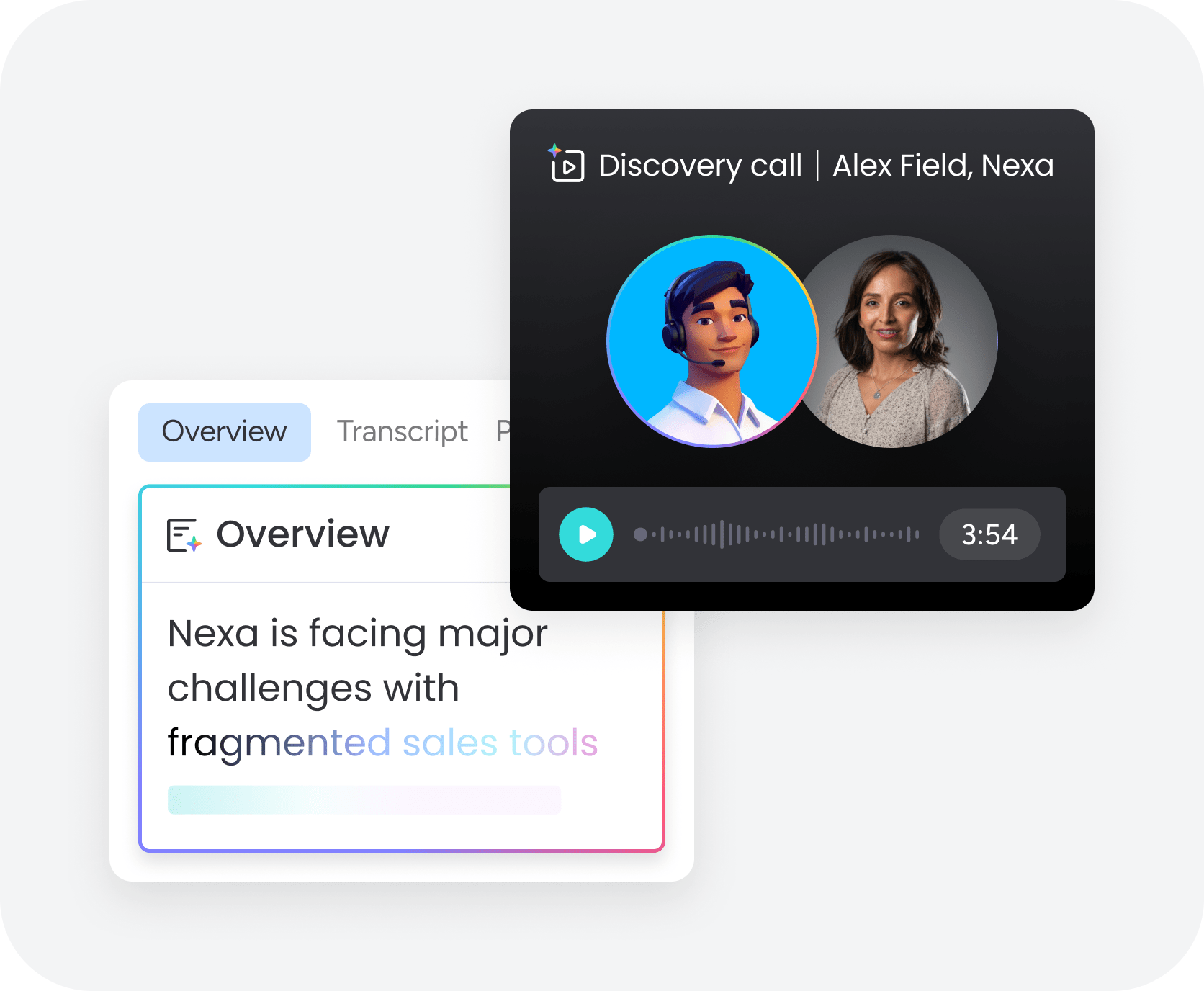
Social CRM is moving quickly. The platforms gaining ground are no longer just listening to social activity; they are beginning to act on it automatically. Understanding where the category is headed gives your team a chance to build ahead of the curve instead of reacting late.
- Agentic AI for autonomous work: AI assistance is becoming standard. What comes next is agentic AI — systems that watch social channels, identify high-intent activity, and trigger personalized actions with far less human intervention. Teams using monday CRM get a head start because the platform is built to move AI beyond simple assistance and closer to autonomous execution that captures and converts leads faster.
- Connected data that tells the whole story: Trying to force every customer data point into one rigid system is increasingly impractical. The better path is connected data: linking platforms together so the story stays intact wherever the signal appears. Revenue teams often use monday CRM to stitch those signals together, turning scattered touchpoints into a more complete picture of intent.
- Real-time engagement that closes deals: A 6-hour delay on a social DM can be enough to lose the opportunity entirely. Real-time engagement matters because the gap between signal and response is often where revenue slips away. Automated workflows keep prospects moving instead of leaving them waiting in silence.
- Community as a revenue engine: Branded communities do more than create goodwill. They can surface strong retention and expansion signals. The most forward-looking social CRMs connect that activity to account health indicators, making expansion opportunities easier to spot early and shifting social CRM from a pure acquisition tool into something far more useful for retention.
- Privacy-first data governance: Data privacy is no longer a side consideration. As regulations like GDPR and CCPA continue to tighten, the way a business handles social data directly affects trust. Organizations often see better results when they rely on monday CRM here, since the platform is built with strong security and compliance foundations.
Keeping pace with these trends does more than modernize your stack. It helps your team move faster, make better decisions, and protect customer trust at the same time.
Turn social engagement into revenue with monday CRM

A prospect comments on a LinkedIn ad or sends a DM. By the time someone logs it manually, the opportunity has already cooled. That delay between social interest and sales action is where deals quietly disappear, even when teams cannot immediately see the leak. monday CRM is built to close that gap by linking social channels directly to the pipeline — no coding, no consultants, no waiting around for implementation to catch up.
Here’s how monday CRM turns social engagement into revenue:
- AI-powered sentiment detection and lead enrichment: Automatically flag high-priority conversations, pull key contact details from messages, and route leads to the right rep based on rules you set.
- No-code automations for social lead capture: Connect Facebook and LinkedIn ad forms so new leads appear in your CRM instantly, then trigger personalized follow-ups and update deal stages automatically.
- Native integrations across your tech stack: Sync Gmail, Outlook, Slack, Zoom, and 200+ other tools — or connect custom platforms via API — so social leads flow seamlessly into your existing workflow.
- Unified customer timeline for full pipeline visibility: See every social interaction, email, meeting, and note in one place, with visual pipelines and customizable dashboards that show what’s moving and where to focus.
Once every social interaction is tied to the pipeline, revenue leaders gain real visibility instead of assumptions. The teams that move fastest on that visibility are usually the teams that win.
Master your pipeline with connected social data
Social engagement is no longer just a marketing metric — it’s a direct path to future revenue. By connecting public conversations and direct messages to your sales pipeline, you remove the manual effort that slows teams down and obscures intent. When data stays centralized, your team can act on real buying signals instead of guessing.
monday CRM makes that connection feel natural, giving revenue teams the visibility they need to respond quickly, forecast accurately, and keep handoffs smooth across the customer journey. Review your current workflow, identify where social leads are getting lost, and choose a platform your team will genuinely want to use every day.
Try monday CRMFAQs
What is the difference between a CRM and a social CRM?
The difference between a CRM and a social CRM is scope; a traditional CRM tracks private communications like emails and calls, while a social CRM adds public social media interactions to the same contact record.
Can social CRM software replace a traditional CRM?
A social CRM can replace a traditional CRM when it includes core CRM features like contact management, pipeline tracking, forecasting, and automation. Standalone social media tools usually can’t replace a CRM on their own.
How does social CRM help with lead generation?
Social CRM helps with lead generation by automatically capturing leads from social media comments, mentions, and DMs. This eliminates manual work and closes the gap between first contact and first outreach.
What industries benefit most from social CRM software?
Any industry with customers on social media can benefit from social CRM software, though needs differ. B2B teams typically focus on LinkedIn for sales, while e-commerce brands use Instagram and Facebook for customer support.
How much does social CRM software cost?
The cost of social CRM software can range from free, limited plans to more than $100 per user monthly for enterprise platforms. The true cost should account for the per-seat price, plus any integration and administrative overhead.
Can social CRM integrate with my existing tools?
Most social CRMs integrate with common tools, but the depth and reliability of those connections vary widely. Look for a platform with strong native integrations and API support to ensure your entire tech stack works together.
