How to build a professional brand that accelerates your career in 2026
- Your manager probably doesn’t know half of what you’re doing, which means excellent work alone won’t get you promoted.
- The 3-word brand check reveals gaps fast: ask trusted colleagues to describe you in three words, then compare their answers to the traits you want to be known for.
- One woman Olga referenced during the session landed a head of HR role at LVMH by building relationships she didn’t know she needed.
- Champions matter because career-defining decisions happen in rooms you’re not in, and someone needs to speak your name when you can’t.
- You don’t need new platforms to build visibility. Redesign existing reports and dashboards to highlight outcomes, not just activity.
Your professional brand is what people think of when they hear your name, before you even walk into the room. It determines who gets tapped for high-visibility projects, whose name comes up in promotion talks, and who leaders call first when an opportunity opens.
You already have one. Every deliverable, every meeting, the times you stepped up and the times you didn’t, all of it has shaped how people experience working with you. The real work is making sure that perception matches the one you actually want.
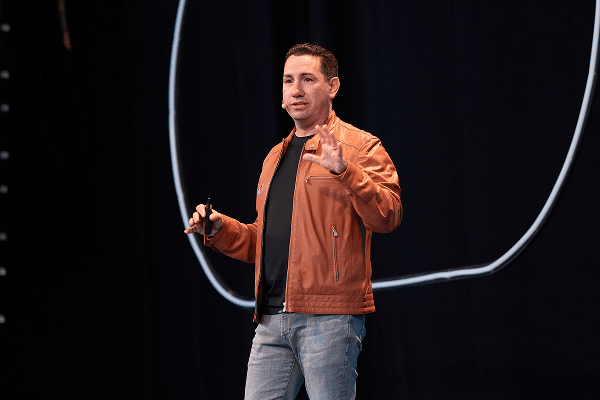
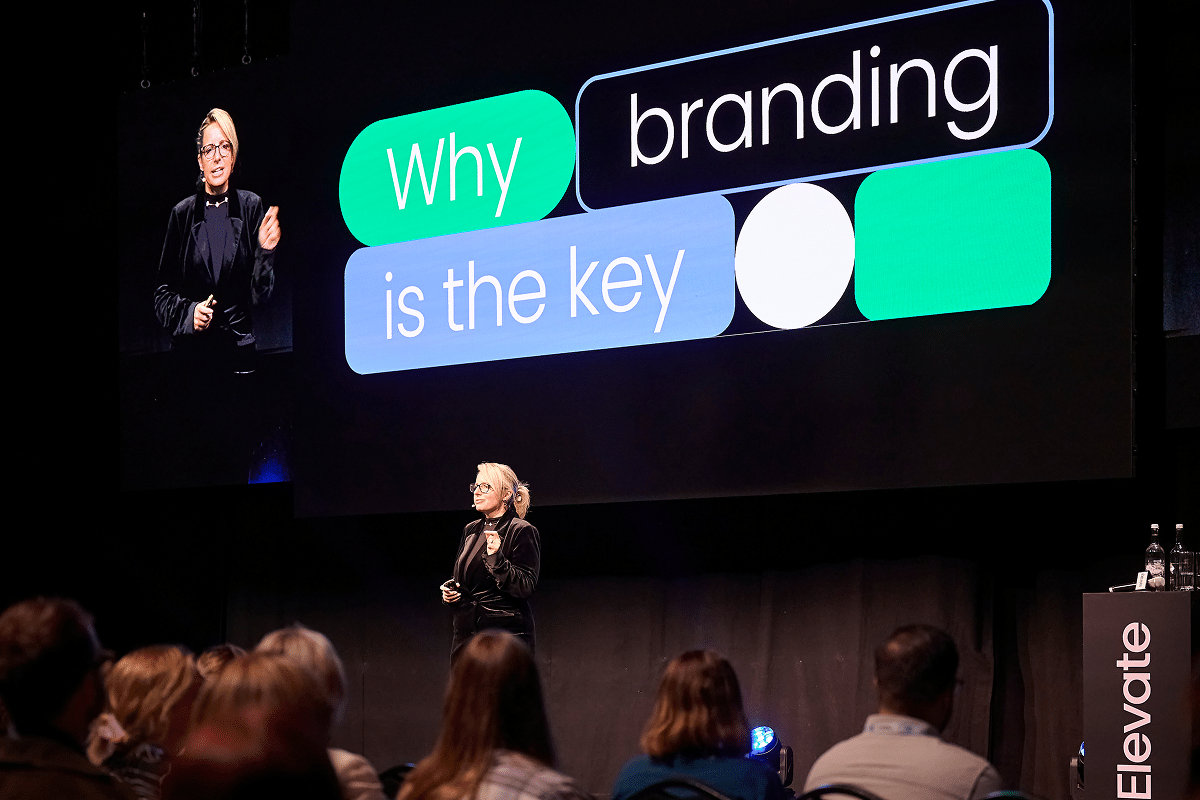
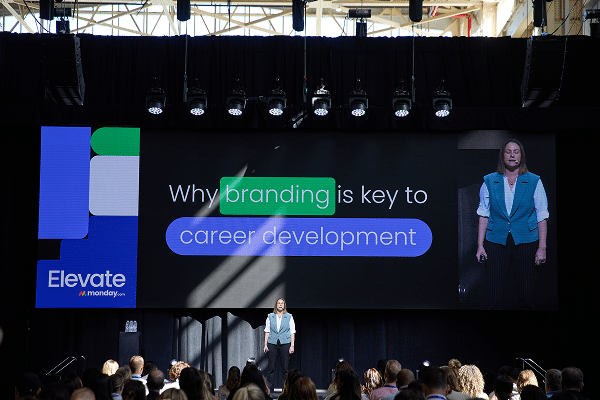
Below are the frameworks and exercises Olga Lykova, Head of Partnerships, North America at monday.com, and Leah Bauman, Head of Customer Product Innovation at monday.com, shared during their “Own Your Narrative” keynote at Elevate.
What is a professional brand at work?
Think about how major brands create instant recognition. Disney evokes magic and family. BMW signals precision and craftsmanship. Nike makes anyone feel unstoppable. Those associations took decades of consistently delivering on a promise. As Lykova put it: “It’s a consistent recognition of what they stand for. A hundred years of Disney, a hundred years of promise that they will create that magical space. It’s the same for your personal brand.”
The same dynamic plays out with individuals. Serena Williams built her brand on resilience and excellence across 23 Grand Slams, but what made it unforgettable was choosing to show the vulnerable side of coming back to compete while breastfeeding and raising a child. She didn’t hide away. She brought people into her experience, and that transparency deepened the connection. Theodore Roosevelt’s brand wasn’t designed either. In 1902, on a hunting trip, his team captured a bear and told him to shoot it. He refused, calling it unethical. That story reached a Brooklyn toy shop, which created a stuffed bear and named it Teddy. His brand came from his values, not his strategy.
You don’t need to create a brand from scratch. You’re shaping what’s already there.
Why does your professional brand matter more than you think?
During the keynote, Leah Bauman posed a direct challenge to the room: raise your hand if you work hard. Now keep your hand up if you think your results speak for themselves. Her response: “They do not.”
The gap between doing excellent work and being recognized for it is wider than most people realize. Three reasons it matters:
- Visibility shapes opportunity. Your manager probably doesn’t know half of what you’re doing, how much effort it takes, or how it connects to the organization’s priorities.
- Trust precedes promotion. Leaders promote people they trust and see as adding strategic value, not just the ones with the strongest outputs.
- Everyone is working hard. If you’re not actively building your brand, someone else on your team is.
How do you build visibility without it feeling like bragging?
The reframe: build the right processes, and your impact becomes visible without you having to announce it.
Align your work to what your manager actually cares about. Career conversations are yours to own. Ask the hard questions: Am I meeting expectations? What gaps might hold me back from the next role? What do I need to do to move forward? If you’re not having these conversations, someone else on your team is.
Let your work artifacts tell the story. Redesign your existing reports and dashboards to highlight outcomes and business impact, not just activity. Frame status updates around priorities your manager has stated. When recurring meetings come up, share progress on initiatives that connect to leadership goals.
How do you build your brand beyond your immediate team?
Your reputation inside your team matters, but visibility across the organization compounds over time.
Internal opportunities are everywhere: joining a task force, building a new workflow, presenting at a retro, helping onboard a new team member. The key is choosing things that put you in front of people who wouldn’t otherwise see your work.
External visibility creates options that don’t depend on one manager’s opinion. Say yes to speaking opportunities, panels, or podcasts. Go to meetups and industry events. Write one honest LinkedIn post about something you learned or built. Find a mentor or become one.
For those who find external speaking intimidating, Lykova suggested starting close to home. Reach out to schools you attended. Professors are often receptive to having professionals share their career journey with students, and it’s an existing relationship, which makes it less daunting.
Lykova’s own trajectory is proof of what consistency compounds into. Three years ago she built her presence around three topics she genuinely cared about: leveraging partnerships to build revenue streams, creating actionable blueprints for others to follow, and learning AI. She went from 5,000 to 11,000 LinkedIn followers with no paid promotion.
“Half an hour in the weekend putting together three to four posts, scheduling them in advance and sticking to my three things that I care about.”
Watch the session that made a room full of professionals question everything they thought about their careers:
What relationships actually accelerate your professional brand?
Three types of relationships shape how your brand travels:
Mentors help you zoom out. They’ve been where you’re going and can help you make smarter moves. Lykova shared the story of a woman who spent ten years in film before switching to HR. She did it by having coffee with every family member she could find, asking each one to describe their workday. Through those conversations she found her mentor, who became a sponsor, who helped her land a head of HR role at LVMH.
Champions speak up for you in rooms you’re not in. Most career-defining decisions happen without you present. Having someone who advocates for your achievements changes the trajectory.
Peers shape how others experience you. How your colleagues talk about you matters. Invest in those relationships and treat everyone with the same respect you’d show upward.
What is the 3-word brand check and how does it work?
This exercise from the Elevate session surfaces the gap between how you want to be seen and how others actually see you.
- Choose three traits you want to be known for. Pick qualities you want people to associate with your name professionally. Persuasive. A leader. Trusted and knowledgeable. An excellent manager.
- Ask trusted people to describe you in three words. Reach out to a friend, a coworker, a manager, and someone senior. A suggested message: “I’m working on a leadership exercise and would love your help. How would you describe me in three words?” Some people message ten or more to get a clearer pattern.
- Close the gap. If you said “I want to be a leader” and nobody mentions it, that tells you something you can act on today. Step up to lead a team meeting. When someone comes to you for help, turn it into a recurring conversation. Find a junior colleague and start putting leadership principles into practice. If trust is the gap, commit to consistent updates on your projects and share information you assume others know but most likely don’t.
Three things to do this week
- Send the 3-word brand check message to a friend, a coworker, and someone senior. The responses will show you gaps you didn’t know were there.
- Update one report or dashboard to highlight outcomes, not activity. Let the work speak.
- Say yes to one internal opportunity you’d normally skip. One yes puts you in front of people who wouldn’t otherwise see your work.
This post is based on “Own Your Narrative: Building a Powerful Brand,” a keynote from Elevate featuring Olga Lykova and Leah Bauman of monday.com.
Want to experience sessions like this live? Elevate ’26 is October 28-29 in NYC.
FAQs about building a professional brand at work
-
Can you build a professional brand while working remotely?
Yes, though it takes more intentionality. Be deliberate about documenting and sharing your work. Find virtual opportunities to contribute visibly: lead meetings, present in all-hands, or join cross-functional projects.
-
How long does it take to build a professional brand?
Brand is built through consistent action over time. Small, repeated actions compound. Someone who shares one meaningful insight per week for a year will build a stronger brand than someone who posts daily for a month and disappears.
-
Does your professional brand need to evolve as AI reshapes work?
Being known as someone who understands how to work effectively with AI is increasingly valuable. The people who pair strong execution with clear visibility are the ones whose influence expands.
-
How do you rebuild a professional brand after changing roles or companies?
Brand doesn’t transfer automatically. Be intentional early: deliver visible wins in your first 90 days, build relationships quickly, and communicate your value clearly.
-
What if your manager doesn’t support career growth conversations?
Look for other avenues: mentors, skip-level conversations where appropriate, or champions on other teams. A strong brand creates options even when your immediate environment isn’t supportive.