


Marketing teams at enterprise organizations manage hundreds of campaigns across multiple brands while navigating cross-functional dependencies. When these initiatives involve 100+ stakeholders, the difference between peak performance and operational chaos comes down to your infrastructure.
Since true marketing operations software goes far beyond basic task tracking, it acts as the central nervous system for your department, providing visibility into daily execution while connecting work to high-level business results. By implementing a sophisticated platform, leadership can transform fragmented efforts into a coordinated revenue engine while making smarter decisions about budget and resource allocation.
The answer you’ll find below explores how to master this transition. We break down the evolving role of the Head of Marketing Operations, compare the top platforms for large organizations, and outline the essential features needed to drive measurable ROI within months.
Key takeaways
- Scalability without complexity: look for marketing operations software that handles hundreds of campaigns while staying intuitive enough for rapid adoption across diverse teams.
- AI-powered intelligence: the best platforms scan campaign updates to flag risks automatically and suggest resource reallocations, shifting operations from reactive to strategic.
- Implement through phased rollouts for maximum adoption: start with one high-impact use case, prove value quickly, then expand systematically to build momentum and reduce implementation risk.
- Prioritize unified visibility across all campaigns and teams: real-time dashboards that connect daily tasks to strategic outcomes eliminate manual reporting and enable faster decision-making.
- Measure ROI within months, not years: organizations typically see measurable returns within three to four months through reduced manual work, faster delivery cycles, and improved resource utilization.
What does a head of marketing operations do?
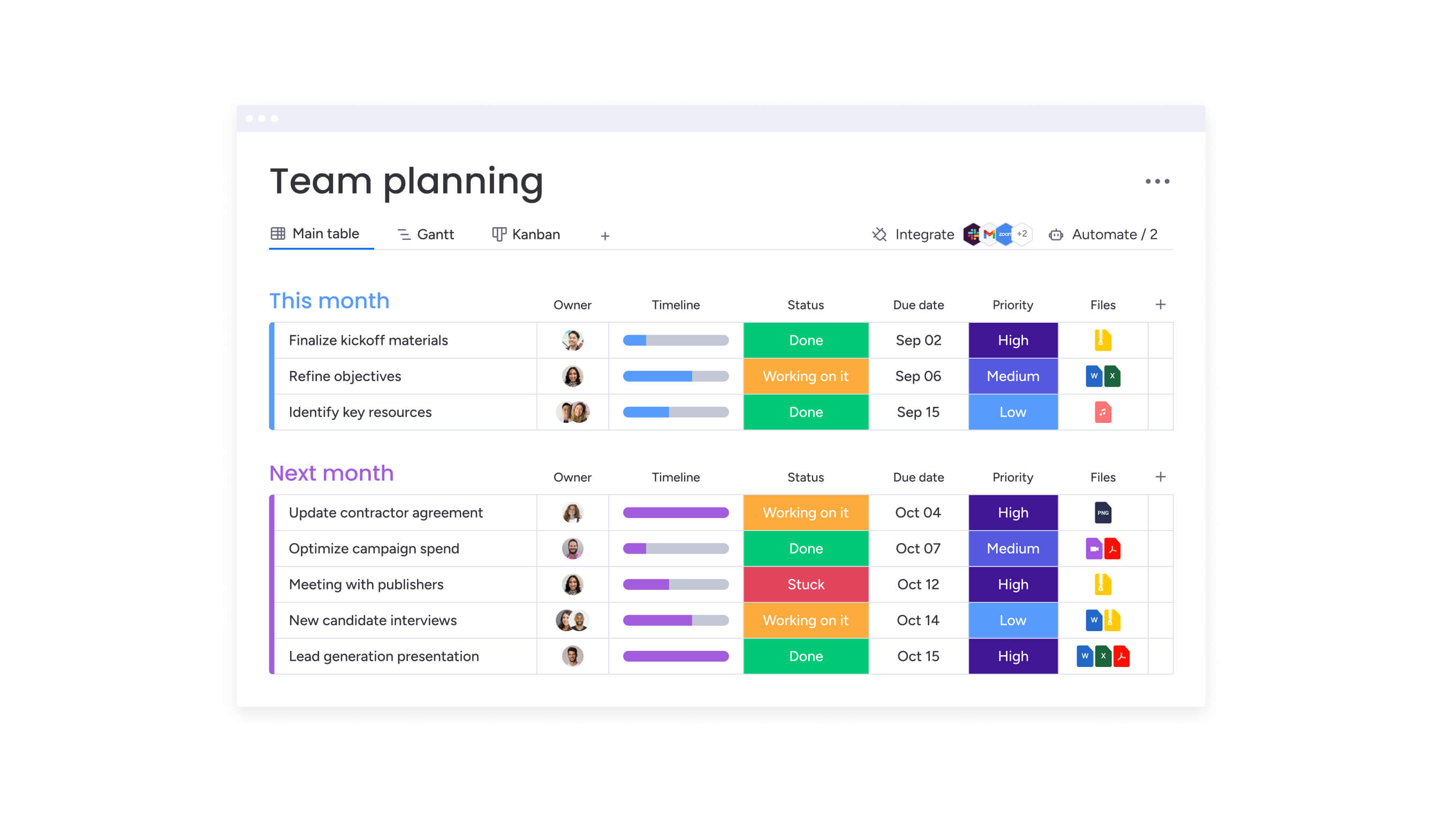
A Head of Marketing Operations (MOPs) runs the show from behind the scenes. They manage the tech and processes that allow teams to execute at scale, acting as the connective tissue between big-picture strategy and daily work.
Today’s MOPs leaders have moved past simple process optimization. They are strategic architects who use AI and automation to build a data-driven revenue engine.
Core responsibilities include:
- Campaign coordination: overseeing planning and execution across channels for teams of 50-100+ people.
- Resource management: allocating talent and budget efficiently across multiple concurrent initiatives.
- Performance tracking: maintaining visibility into metrics that matter to executive leadership.
- Process optimization: standardizing workflows while preserving creative team flexibility.
In media and enterprise organizations, this complexity multiplies. Because these leaders must coordinate campaigns across dozens of distinct brands and audiences, they act as the “connective tissue” between internal creative, demand gen, and external agency partners.
Ultimately, their value is measured by their ability to engineer clarity out of chaos, proving that marketing isn’t just an expense, but a predictable driver of business value.
What is the best marketing operations software for large organizations?
When choosing marketing operations software for your enterprise, don’t get distracted by feature lists. What matters is how well it solves your actual problems at scale.
Therefore, you need a platform that brings scattered workflows together, shows you what’s happening across all departments in real time, and links daily work to strategic goals.
Focus your evaluation on three critical capabilities that distinguish comprehensive operational platforms from basic project management tools. These capabilities determine whether you achieve genuine marketing operations improvement or simply digitize existing inefficiencies.
Essential evaluation criteria are:
- Scalability without complexity: the platform must handle hundreds of concurrent campaigns and thousands of tasks while remaining intuitive enough for rapid adoption across diverse teams.
- Intelligence that drives action: beyond dashboards and reports, the platform should surface insights proactively by flagging at-risk campaigns, suggesting resource reallocations, and identifying optimization opportunities.
- Flexibility within governance: marketing teams need to customize workflows for their specific needs while maintaining the standardization required for visibility, compliance, and consistent reporting.
The most effective platforms combine these capabilities with practical considerations like implementation speed, integration depth with existing martech stacks, and the ability to demonstrate measurable ROI within months, not years.
Top marketing operations platforms for enterprise teams
Selecting the right marketing operations platform, including marketing planning software, requires understanding how different solutions address enterprise-scale challenges. Each platform brings distinct strengths and limitations that impact long-term success.
| Platform | Best For | Key Strength | Primary Limitation |
|---|---|---|---|
| monday work management | Multi-brand organizations, 100+ person teams | AI-powered insights + enterprise flexibility | - |
| HubSpot Marketing Hub | CRM-integrated marketing | End-to-end customer journey tracking | Limited resource management |
| Adobe Marketo Engage | B2B marketing automation | Advanced lead management | Steep learning curve |
| Asana | Task coordination | Strong collaboration features | Lacks native marketing features |
| Wrike | Creative workflows | Built-in proofing tools | Complex pricing structure |
monday work management
Marketing operations transform through the unique combination of flexibility and enterprise control that monday work management delivers. The platform enables marketing teams to build custom workflows without code while maintaining the governance and standardization enterprises require.
Key capabilities for marketing operations:
- AI-powered risk insights: automatically scans campaign updates to surface risks with urgency levels and mitigation options.
- Portfolio dashboards: real-time visibility across hundreds of campaigns scaling to 1,000+ projects.
- Managed templates: standardizes entire workspaces including automations at scale with the ability to push updates across thousands of instances.
- Resource directory and capacity manager: central hub for team skills and availability with live capacity views across all projects.
SPH Media leverages these capabilities to manage hundreds of campaigns across 40 brands with 130+ people in one platform. Their Creative Director can track workloads instantly, determine resource allocation, and understand performance from a macro perspective — capabilities that were impossible with their previous fragmented approach.
Best for: media companies, multi-brand organizations, and marketing teams of 100+ people who need to balance standardization with team autonomy.
HubSpot Marketing Hub
HubSpot Marketing Hub integrates marketing automation, content management, and analytics into a unified platform. Its strength lies in connecting marketing activities directly to CRM data, providing end-to-end visibility from first touch to closed deal.
Key capabilities:
- Integrated CRM: complete customer journey tracking from first touch to conversion.
- Marketing automation: behavioral trigger workflows for personalized engagement.
- Content optimization: built-in SEO recommendations and performance tools.
- Attribution reporting: multi-touch visibility across all marketing channels.
Limitations: limited resource management capabilities and less flexibility for complex, multi-brand operations. Dashboard count restrictions on lower tiers can constrain visibility for large teams.
Adobe Marketo Engage
Marketo Engage focuses on B2B marketing automation with sophisticated lead management and account-based marketing capabilities. The platform excels at complex nurture programs and multi-touch attribution.
Key capabilities:
- Advanced lead scoring: sophisticated lifecycle management and behavioral tracking.
- Account-based marketing: orchestration tools for targeted enterprise campaigns.
- Predictive capabilities: AI-driven content and audience recommendations.
- Revenue analytics: complete cycle tracking from lead to closed deal.
Limitations: steep learning curve requiring dedicated administration. Limited project management features mean teams often need separate tools for campaign coordination.
Asana
Asana provides project management capabilities with marketing-specific templates and workflows. Its strength is task coordination and team collaboration with strong mobile support.
Key capabilities:
- Timeline view: campaign planning with visual scheduling.
- Workflow automation: rules for task routing and notifications.
- Portfolio management: multi-project visibility across initiatives.
- Request forms: creative intake and brief collection.
Limitations: lacks native marketing features like asset management or campaign analytics. Limited customization compared to purpose-built marketing operations platforms.
Wrike
Wrike offers project management with marketing-focused features including proofing and approval workflows. The platform emphasizes creative collaboration and resource management.
Key capabilities:
- Built-in proofing: integrated approval workflows for creative assets.
- Resource management: allocation and capacity planning tools.
- Custom request forms: standardized intake for campaign requests.
- Gantt charts: visual timeline planning for campaign coordination.
Limitations: complex pricing structure and limited marketing-specific integrations can increase total cost of ownership for enterprise deployments.
Essential features for marketing operations excellence
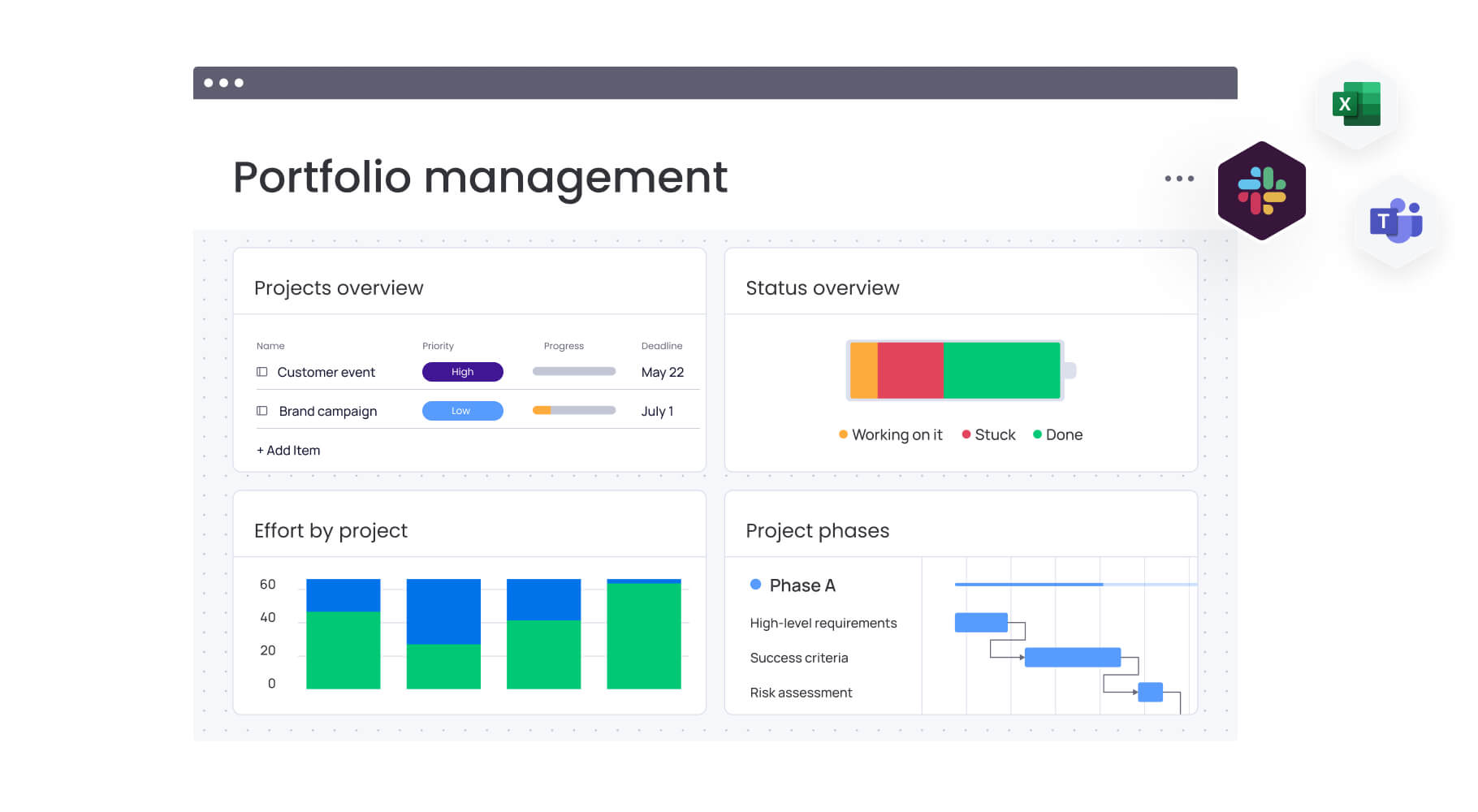
Your marketing operations platform needs to address the real challenges of running campaigns at scale. The right features don’t simply help you organize work, but enable you to optimize it. This is what separates comprehensive solutions from basic task management tools.
Campaign orchestration and visibility
Effective campaign management requires more than task tracking. Marketing teams need unified views across all initiatives with the ability to drill down into specific campaigns instantly.
Critical visibility components are listed below:
- Visual planning tools: Gantt charts and calendars that show dependencies and conflicts.
- Real-time status tracking: updates across channels and teams without manual reporting.
- Performance metrics: direct connections between campaign activity and business outcomes.
The right platform provides this visibility through customizable dashboards. By aggregating data from hundreds of campaigns, marketing leaders can monitor progress at the portfolio level while team members focus on their specific deliverables.
Resource allocation and capacity planning
Resource management determines whether marketing teams deliver on time or constantly fight fires. Because even the best strategies fail during execution without proper capacity planning, teams must prioritize:
- Skills-based allocation: matching work to team members based on expertise, not just availability.
- Workload balancing: visual capacity views that prevent burnout and identify underutilized resources.
- Predictive planning: forecasting resource needs based on upcoming campaigns and historical data.
The resource directory in solutions like monday work management centralizes team skills and availability. By using the capacity manager, marketing operations leaders make informed decisions and identify when additional support is needed before deadlines are at risk.
Workflow standardization with flexibility
Marketing teams need consistent processes without rigid constraints. Since the challenge lies in maintaining compliance while preserving creative innovation, standardization requirements must be robust:
- Template libraries: capture best practices while allowing customization.
- Automated workflows: eliminate manual handoffs and approvals.
- Governance controls: maintain compliance without slowing execution.
Managed templates in platforms like monday work management exemplify this balance. Organizations can standardize entire workspaces including projects and automations, then deploy them at scale while preserving team-specific adaptations. When updates are needed, changes can be pushed across hundreds of instances simultaneously.
AI-powered intelligence and automation
Modern marketing operations demand more than retrospective reporting. Because teams need systems that anticipate problems, AI capabilities have become a necessity:
- Predictive insights: AI that identifies risks before they impact delivery.
- Automated routing: systems that route work, trigger actions, and suggest optimizations.
- Automated reporting: real-time summaries and alerts that eliminate manual data gathering.
AI capabilities within advanced solutions like monday work management include risk insights that scan project updates to flag issues, automated task categorization and routing based on content analysis, and portfolio reports that generate executive summaries instantly. These features transform marketing operations from reactive coordination to proactive optimization.
How marketing operations software drives measurable impact
Marketing operations software does more than just make you efficient. When you implement it right, it drives real business results that show up in your revenue numbers and competitive position.
Time and cost savings
Marketing teams report dramatic reductions in time spent on administrative tasks. These savings compound across large organizations, freeing strategic capacity and reducing operational costs.
Automation impact areas:
- Status reporting: automated updates and report generation eliminate hours of manual work weekly.
- Approval workflows: streamlined processes cut review cycles in half.
- Campaign setup: template-based creation reduces setup time from days to hours.
For instance, VML saves 7,000 hours per account monthly with 2x faster delivery after implementing structured workflows and automation. These time savings translate directly to cost reduction and increased capacity for strategic work.
Enhanced collaboration and alignment
Cross-functional coordination improves when teams work from unified platforms. The benefits extend beyond efficiency to strategic alignment and decision quality.
Collaboration improvements:
- Reduced communication overhead: fewer status meetings and email threads when information is centralized.
- Faster decision-making: real-time visibility enables quick pivots and adjustments.
- Improved accountability: clear ownership and transparent progress tracking.
By implementing unified workflows, Genpact achieved a 40% improvement in cross-team collaboration, eliminating spreadsheets entirely and reducing email exchanges by 25%.
Strategic visibility and control
Marketing operations platforms provide the leadership visibility essential for strategic decision-making. This transparency transforms how marketing demonstrates value and secures resources for growth initiatives.
Leadership visibility benefits:
- Real-time ROI tracking: campaign attribution and performance measurement.
- Resource utilization metrics: data that informs hiring and allocation decisions.
- Predictive insights: proactive risk management and optimization opportunities.
The AI-powered portfolio reports in monday work management generate executive-level summaries instantly, complete with trends, risks, and recommended actions. This transforms how marketing leaders communicate value and make strategic decisions.
Scalability and standardization
As marketing organizations grow, maintaining consistency becomes critical. Effective platforms enable scaling without sacrificing quality or increasing complexity proportionally.
Scaling advantages:
- Standardized processes: ensure quality across all campaigns regardless of team size.
- Centralized governance: maintain brand and compliance standards automatically.
- Flexible frameworks: accommodate new channels and initiatives without system overhaul.
For example, FARFETCH consolidated marketing operations for 400 people across 40 teams, achieving 6x ROI while eliminating countless disconnected tools and spreadsheets. Their ability to scale operations efficiently came from combining standardization with the flexibility teams needed to adapt to market changes.
How to implement marketing operations transformation at scale
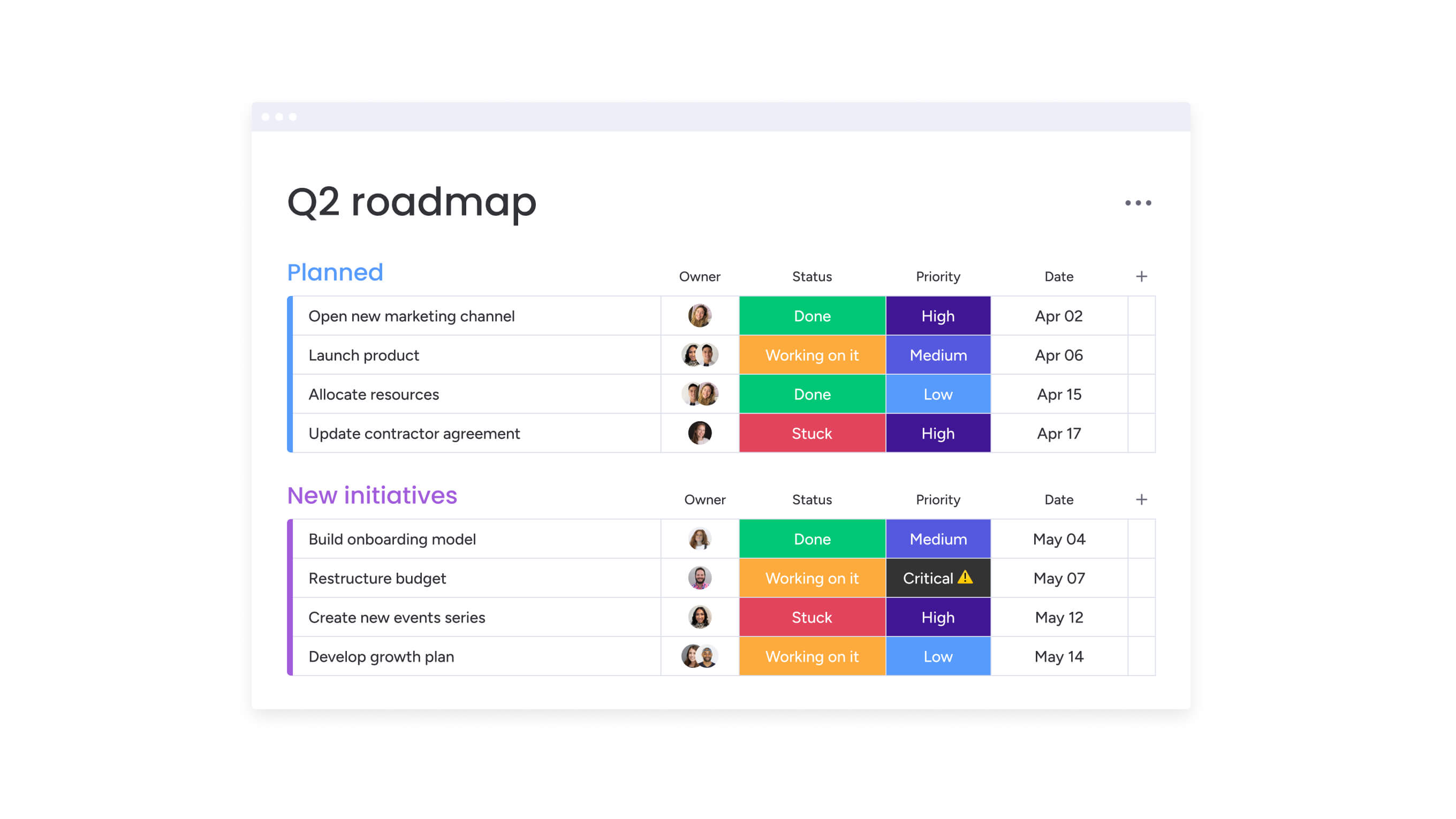
Deploying marketing operations software isn’t just a technical exercise. The companies seeing the biggest returns take a structured approach: they grab some quick wins while building toward bigger changes, making sure people actually use the system in ways that stick.
Step 1: start with strategic alignment
Before selecting a platform, establish clear connections between marketing operations and business objectives. This foundation ensures implementation addresses real business needs rather than just digitizing existing inefficient processes.
Strategic alignment activities:
- Define success metrics: campaign ROI, time-to-market, and resource utilization that matter to leadership.
- Map current workflows: identify inefficiencies and gaps in existing processes.
- Build stakeholder consensus: align on priorities and expected outcomes across departments.
Step 2: phase rollout for momentum
Successful implementations follow a crawl-walk-run approach that builds confidence and demonstrates value before expanding scope. This methodology reduces risk while accelerating adoption.
Implementation phases:
- Phase one – Foundation: start with one high-impact use case like campaign planning or creative requests. Build templates and workflows that demonstrate immediate value.
- Phase two – Expansion: extend to additional teams and use cases. Connect workflows across departments. Implement automation and reporting.
- Phase three – Optimization: add advanced capabilities like AI-powered insights and predictive analytics. Continuously refine based on usage data and feedback.
FARFETCH followed this model by starting with their most complex use case to prove value, then systematically expanding to additional teams with proven templates and workflows.
Step 3: focus on adoption and change management
Technology alone doesn’t drive transformation. Successful implementations prioritize people and process changes that ensure teams embrace new ways of working.
Change management priorities:
- Executive sponsorship: leadership reinforcement of new workflow importance.
- Tailored training programs: role-specific education and skill development.
- Change champions: team advocates who drive adoption and share best practices.
By choosing an intuitive platform like monday work management, you can accelerate this process — teams often become comfortable within weeks rather than months.
Step 4: measure and iterate
Continuous improvement ensures long-term success and maximizes return on platform investment. Because regular measurement prevents stagnation, optimization should be an ongoing process.
Measurement activities:
- Track adoption metrics: identify areas needing additional support.
- Monitor performance: compare results against initial success criteria.
- Gather feedback regularly: adjust workflows based on real-world usage.
- Share wins broadly: maintain momentum and expand adoption.
Organizations using solutions like monday work management leverage built-in analytics to track these metrics automatically, making optimization an ongoing process rather than a periodic review.
Transform your marketing operations with the right platform
Marketing operations software has evolved into essential infrastructure. Choosing the right platform delivers more than organization; it fundamentally transforms how teams plan, execute, and prove their worth.
Since the best results come from combining robust tech with a smart strategy, successful teams focus on balancing flexibility with governance, using phased rollouts, and optimizing based on real data.
By using a platform like monday work management, this potential becomes reality. With AI-powered insights and unified visibility, you gain the infrastructure to connect daily tasks to strategic outcomes.
Ultimately, high-impact teams don’t view this as just another tool. Instead, they see it as the foundation that allows marketing to operate as a data-driven, strategic function that delivers consistent business value.
The content in this article is provided for informational purposes only and, to the best of monday.com‘s knowledge, the information provided in this article is accurate and up-to-date at the time of publication. That said, monday.com encourages readers to verify all information directly.
Frequently asked questions
Which is the best software for marketing?
The best software for marketing depends on your organization's specific needs and scale. For enterprise marketing operations managing complex, multi-brand campaigns, platforms like monday work management provide the combination of flexibility, governance, and AI-powered insights needed to operate efficiently at scale.
What software do marketing operations managers use?
Marketing operations managers typically use a combination of platforms including marketing operations software for workflow and resource management, marketing automation platforms for campaign execution, analytics tools for performance measurement, and collaboration tools for team coordination. The most effective approach integrates these tools through a central operations platform that provides unified visibility and control.
What is the most powerful platform in marketing?
The most powerful tool in marketing is a unified operations platform that connects strategy to execution. This enables teams to align all marketing activities with business objectives, automate routine tasks to focus on strategic work, and measure impact accurately to demonstrate ROI and optimize performance.
How do marketing operations platforms integrate with existing martech stacks?
Marketing operations platforms integrate through native connectors, APIs, and automation workflows. monday work management offers 200+ integrations with tools like Salesforce, HubSpot, and Google Analytics, enabling two-way data synchronization that maintains a single source of truth while preserving specialized tool functionality.
What's the typical ROI timeline for marketing operations software?
Organizations typically see measurable ROI within three to four months of implementation. The Forrester Total Economic Impact study found that monday work management delivers payback in less than four months, with benefits including reduced manual work, faster campaign delivery, and improved resource utilization.
How do you measure the success of marketing operations software?
Success metrics for marketing operations software include operational efficiency (time saved, automation rate), delivery metrics (on-time completion, cycle time reduction), resource optimization (utilization rates, capacity accuracy), and business impact (campaign ROI, pipeline contribution). Platforms with built-in analytics make tracking these metrics automatic and actionable.

 Get started